

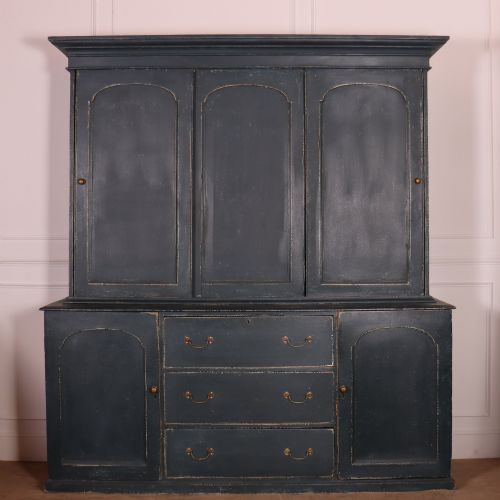
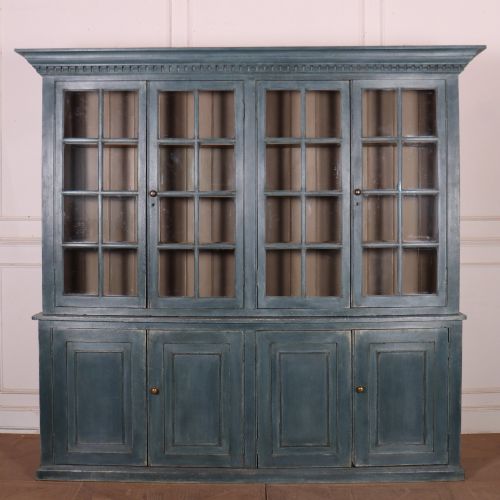
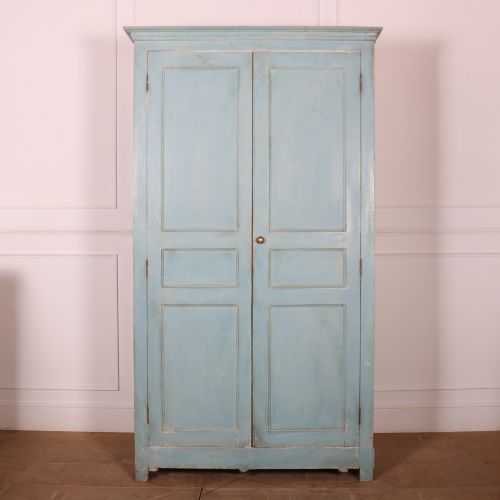
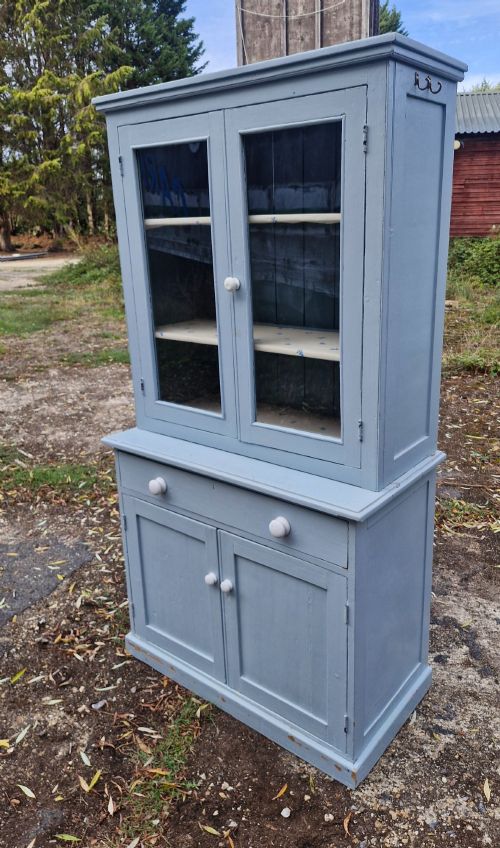
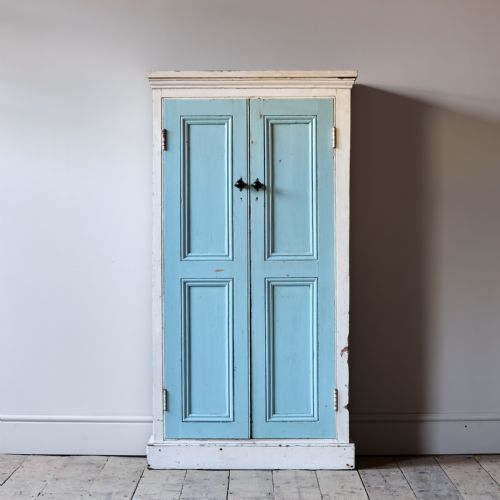


Blue Painted Housekeeper Cupboard
A blue painted housekeeper cupboard brings enduring rural character and honest storage to any room.
Blue Painted Housekeeper Cupboard
A blue painted housekeeper cupboard comprises large utilitarian storage pieces created to hold household provisions, linens, and dry goods. When exploring a blue painted housekeeper cupboard selection, you encounter items primarily originating from the eighteenth and nineteenth centuries.
The assortment includes regional forms such as Welsh hanging versions, Scandinavian double door designs, and Baltic storage furniture. Most pieces span various European vernacular traditions, including Gustavian, rustic farmhouse, and Central European folk art styles.
Buyers frequently find two-part kitchen cupboards and small housekeeper variations within these listings. These storage items generally serve as focal points in kitchens, hallways, and dining spaces.
How they were made
Construction relies primarily on solid pine timber, shaped by joiners using traditional carpentry methods suited to regional workshops. Timber surfaces receive layers of pigment and paint, often showing hand-painted details.
Hardware incorporates functional metal elements, utilising iron and brass for hinges, latches, and pulls. Glazed doors appear on specific cabinet variants, allowing visibility of internal shelving.
Blue Painted Housekeeper Cupboard Retail Price Guide 2026
Typical asking prices for blue painted housekeeper cupboard among the pieces listed under this phrase on Sellingantiques today, from the lower quarter to the upper quarter. They describe what is for sale here now, not the wider market.
A housekeeper once guarded the linen key with her life, making these cupboards the ultimate guardians of very neatly folded sheets.
What varies in quality
Quality differences emerge in the integrity of the original timber structure and the preservation of early paint surfaces. Pieces retaining authentic regional paintwork and sturdy structural joinery stand apart from heavily restored alternatives.
Proportion and decorative restraint define the finer examples, particularly within Scandinavian Gustavian and Welsh vernacular traditions. The harmony of the hardware, the weight of the pine carcass, and the depth of the pigment layers dictate the overall standard.
The Blue Painted Housekeeper Cupboard Glossary
- Housekeeper cupboard
- A large storage cabinet traditionally used by a housekeeper to store household provisions, linens, and tableware. These pieces often feature multiple doors or a two-part construction.
- Gustavian
- The Swedish interpretation of French neoclassical style, characterised by restrained carving, lighter colour palettes, and elegant proportions. It developed during the late eighteenth century under King Gustav III.
- Vernacular
- Architecture and furniture made by local craftsmen using traditional methods and local materials, without academic design training. These pieces reflect the specific customs and needs of a region.
- Pine
- A soft timber widely utilised in European country furniture due to its availability and ease of working. It accepts paint finishes readily and forms the primary carcass material for these cupboards.
- Two-part
- A cabinet construction method where a piece is built in two separate sections, usually a larger base and an upper cabinet. This eased transport and installation in domestic spaces.
Blue Painted Housekeeper Cupboard: Frequently Asked Questions
Where were housekeeper cupboards used?
Housekeeper cupboards served primarily in the domestic spaces of large country houses, farmhouses, and vicarages. They were positioned in kitchens, sculleries, and utility rooms to keep provisions and linens organised.
Over time, these practical storage units moved into main living areas as homeowners appreciated their generous proportions and regional character.
How do I date a painted cupboard?
Dating relies on examining construction techniques, timber characteristics, and nail types used in the carcass assembly. Eighteenth-century pieces often display hand-wrought iron fixings and pegged joinery.
Surface analysis helps identify early pigment layers, though many country pieces received subsequent coats of paint during their working lives.
Are these cupboards made of solid pine?
The pieces in this category are constructed from solid pine timber. Carpenters selected pine for its widespread availability and suitability for painted finishes.
Internal shelving and backboards are also commonly executed in pine planks.