


Blue Imari Porcelain
Blue imari porcelain brings together rich cobalt blue and enamel palettes across dishes, vases, and dinner services spanning several centuries.
Blue Imari Porcelain
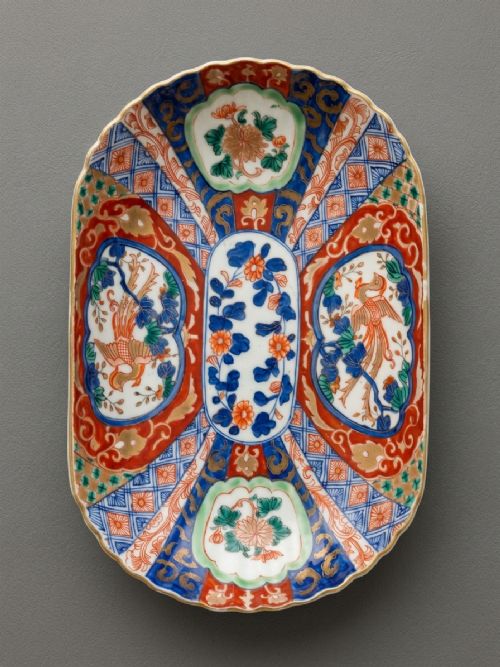
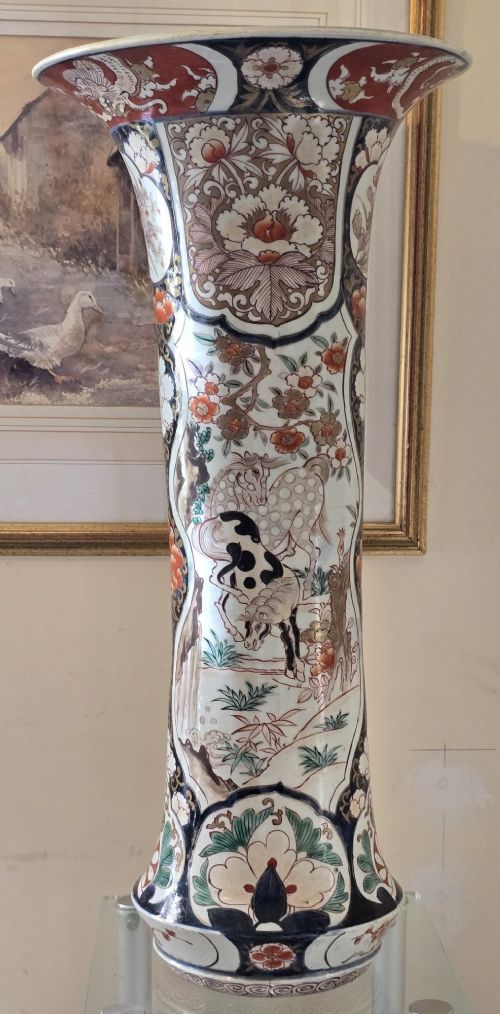
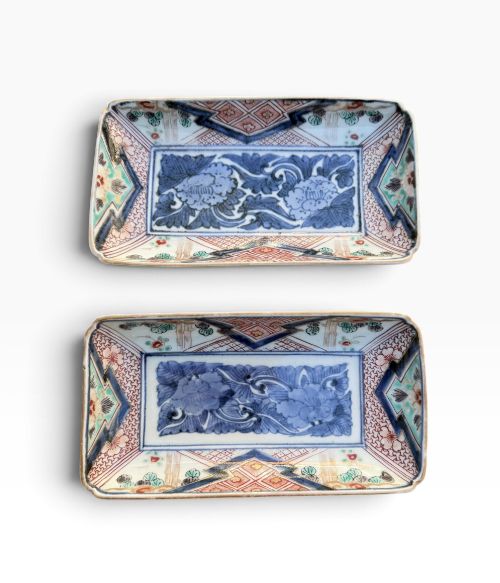
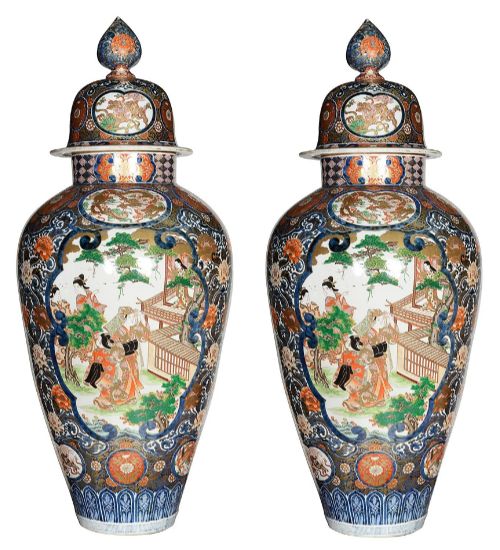
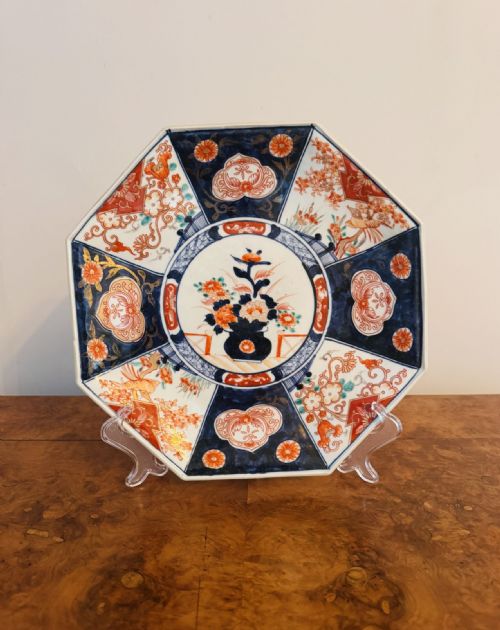
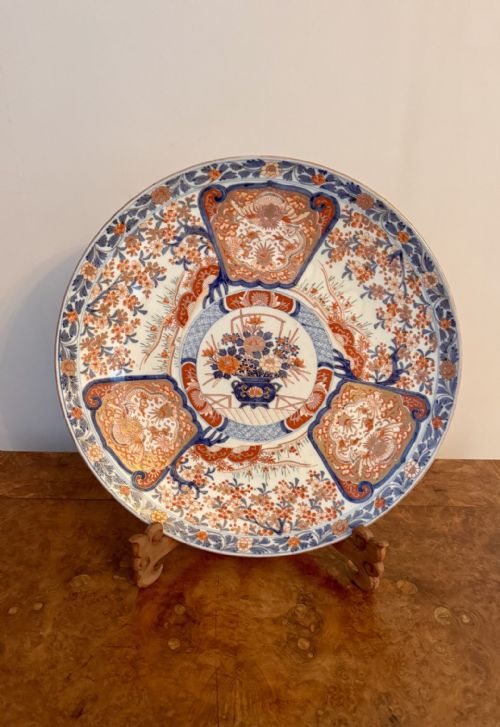
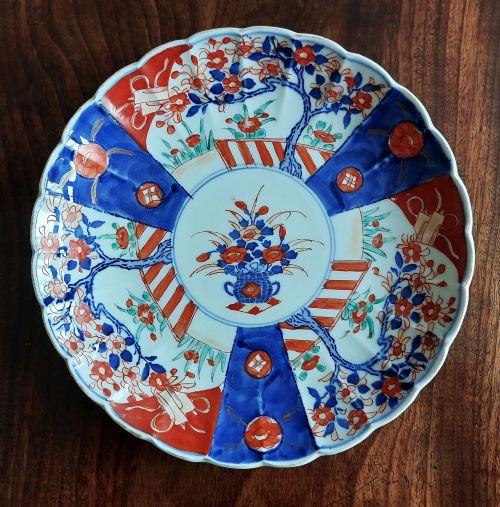
Blue imari porcelain encompasses pieces created in Japan during the Edo and Meiji periods alongside European interpretations produced by factories in England during the 18th and 19th centuries. Buyers searching for blue imari porcelain most commonly encounter Japanese plates, chargers, and large floor standing vases dating from the 19th century.
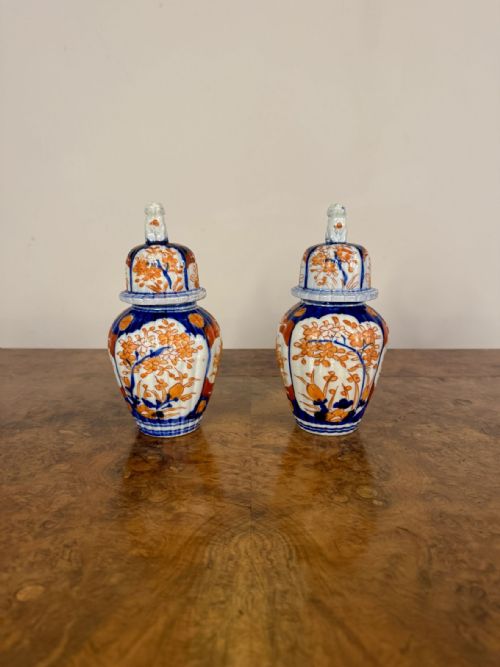
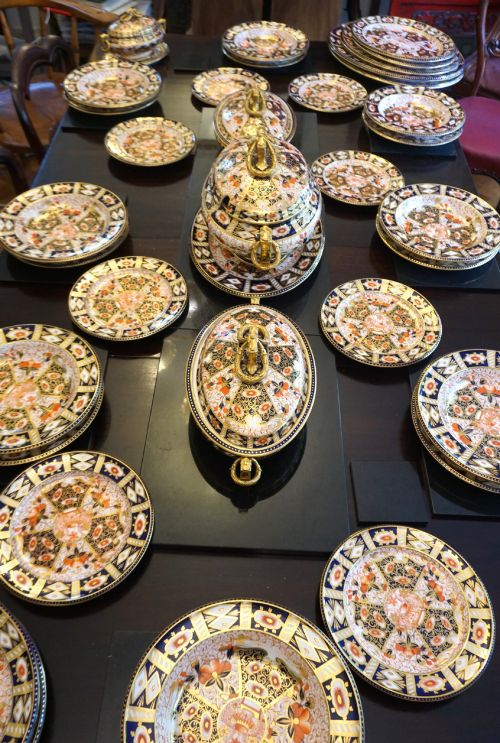
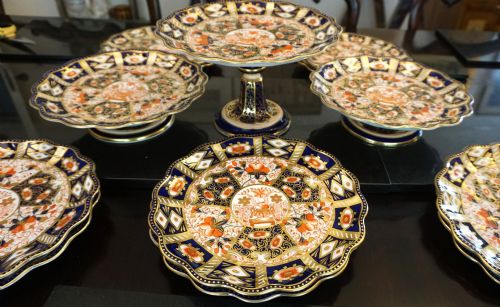
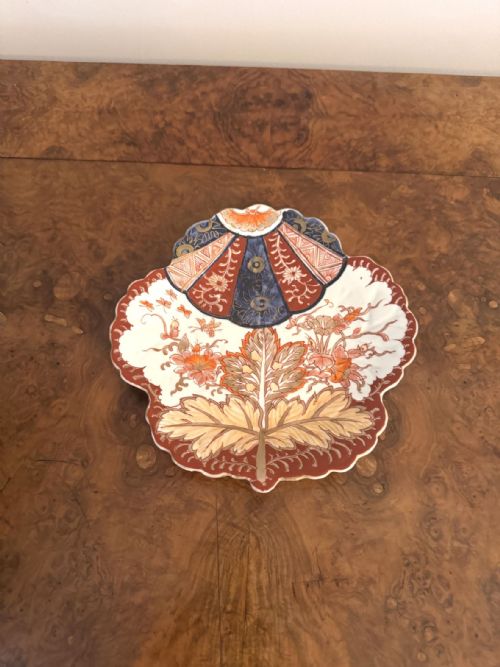
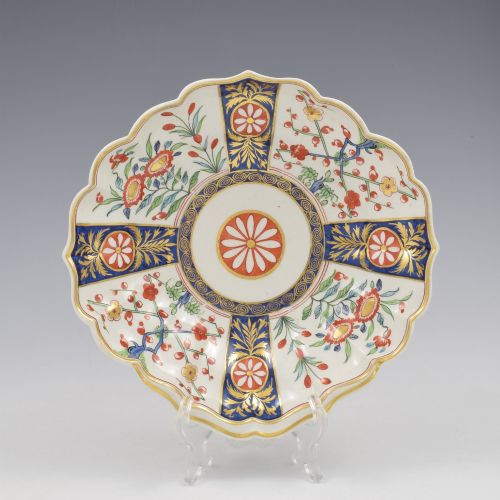
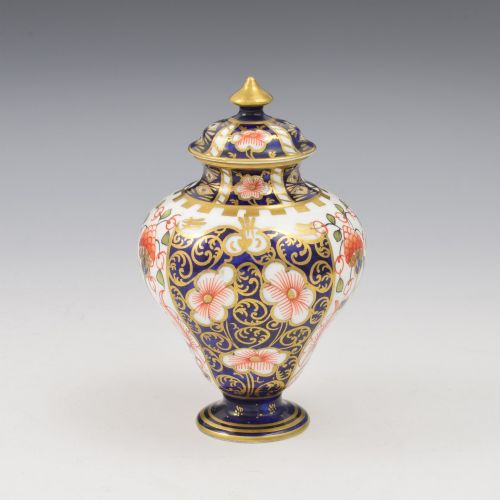
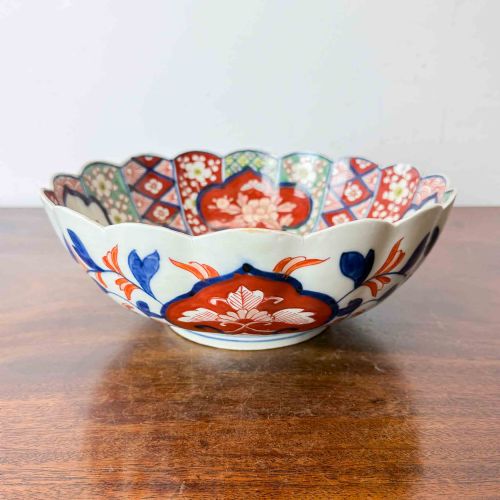
The form varies from scalloped dishes and hexagonal plates shaped like leaves or fish to extensive dinner sets and lidded jars. English makers adapt the traditional palette into distinct dessert services, sauce tureens, and tea canisters following Japanese prototypes.
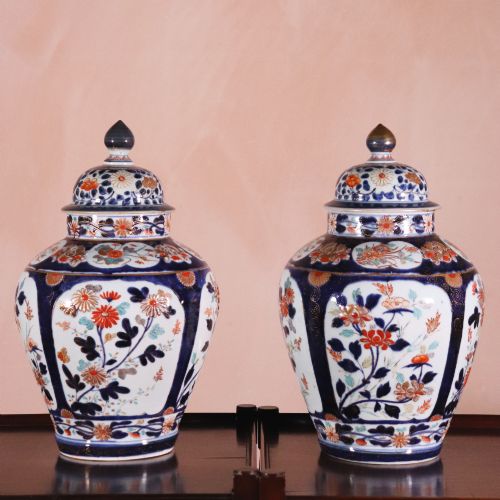
Origin points range from early 18th-century Arita production to Victorian Staffordshire and Derby manufactories. These objects function as decorative chargers, serving dishes, and substantial floor vases that retain their distinctive palette across different centuries of production.
How they were made
The manufacture of blue imari porcelain relies on hard-paste or soft-paste porcelain bodies finished with glaze and hand-painted cobalt blue underglaze. Artisans then apply overglaze enamels in iron red and other colours, frequently complemented by gold leaf, gilding, or gilt highlights.
Certain English service pieces utilise bone china or ironstone bodies decorated with transfer-printed or hand-painted imari patterns. Ormolu mounts are occasionally added to Chinese and Japanese plates to enhance the presentation of the ceramic body.
Blue Imari Porcelain Retail Price Guide 2026
Typical asking prices for blue imari porcelain among the pieces listed under this phrase on Sellingantiques today, from the lower quarter to the upper quarter. They describe what is for sale here now, not the wider market.
Several Victorian plate makers sculpted porcelain directly into the uncanny shape of swimming fish and curled leaves.
What varies in quality
Quality in blue imari porcelain rests on the crispness of the cobalt blue underglaze and the precision of the overglaze enamel work. Pieces featuring finely executed hand-painting, rich gilding, and well-balanced palettes distinguish the upper tier of production from simpler utilitarian wares.
The weight, clarity, and resonance of the porcelain body, alongside the complexity of moulded forms such as fish or leaf shapes, indicate the skill of the original workshop.
Royal Crown Derby·Davenport·Spode·Dr Wall Worcester·Chamberlain Worcester
The Blue Imari Porcelain Glossary
- Imari
- A style of ceramic decoration originating in Japan, characterised by a palette of cobalt blue, iron red, and gold. This aesthetic heavily influenced European porcelain manufacturers in the 18th and 19th centuries.
- Charger
- A large decorative plate or platter intended for display rather than table service. These large pieces showcase expansive imari painted scenes.
- Overglaze
- Enamel colours and gold leaf applied on top of the fired glaze and subjected to a subsequent low-temperature firing. This technique allows for vibrant reds and metallic highlights.
- Underglaze
- Pigment, primarily cobalt blue, applied directly to the unglazed ceramic body before the main high-temperature glaze firing. This method ensures the blue pigment remains permanent and protected beneath the glassy surface.
Blue Imari Porcelain: Frequently Asked Questions
How do I identify Japanese imari from English imari?
Japanese imari generally employs a characteristic Arita porcelain body with characteristic spur marks and hand-painted cobalt underglaze combined with iron red. The potting tends to be heavier on older Japanese chargers and floor vases.
English imari utilises bone china, soft-paste porcelain, or ironstone bodies produced by factories like Derby and Spode. These English pieces often feature factory date marks, registration diamonds, or specific pattern numbers on the underside.
What periods do these pieces date from?
The listings span from the late 17th century Edo period through the 18th century and the 19th century Meiji period in Japan. European examples cover Georgian, Regency, and Victorian eras.
Most items seen on the market date to the 19th century, particularly the Victorian era and the Meiji period, alongside select 18th-century porcelain pieces.
How were these decorative plates used historically?
Large chargers and dishes served as display pieces on sideboards or walls in wealthy households, demonstrating the owner's taste for imported East Asian aesthetics. Smaller plates and bowls formed part of larger dessert services used during formal dining.
Dinner sets, sauce tureens, and comports catered to multi-course Victorian and Georgian meals before transitioning entirely to ornamental roles.
Can I use antique imari porcelain for dining?
While historic dinner services and plates were designed for functional dining, antique pieces containing overglaze enamels and gold leaf require careful handling. Hand washing is essential to preserve the delicate painted surfaces.
Many collectors prefer to use chargers and large dishes strictly for decorative display to protect the historical glaze and enamelwork from wear.