

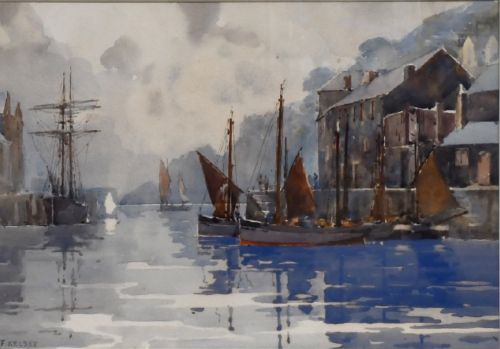


Blue Harbour Scene Art
Blue harbour scene art captures maritime life on paper and canvas, drawing buyers to coastal views from British and European ports.
Blue Harbour Scene Art
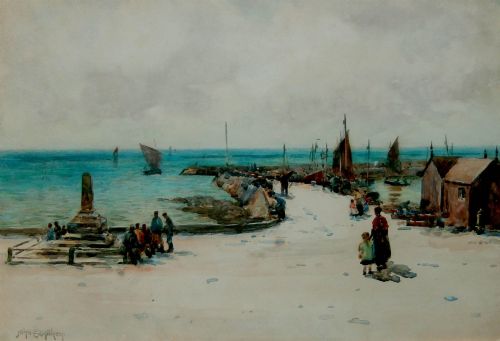
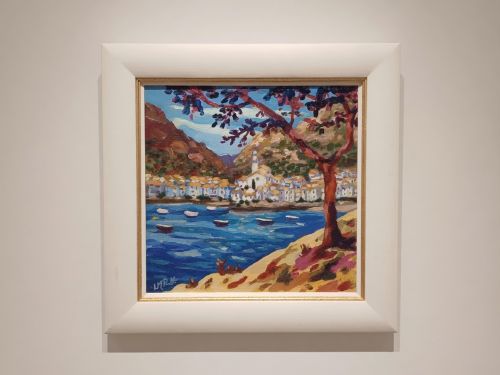
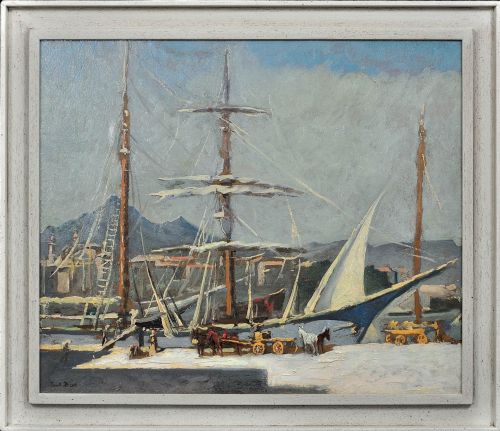
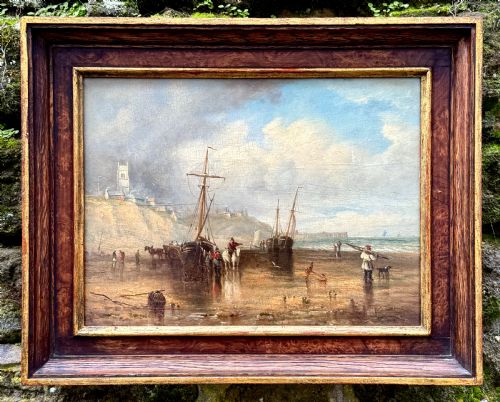
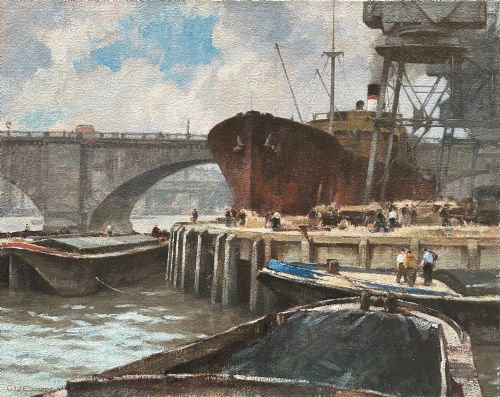
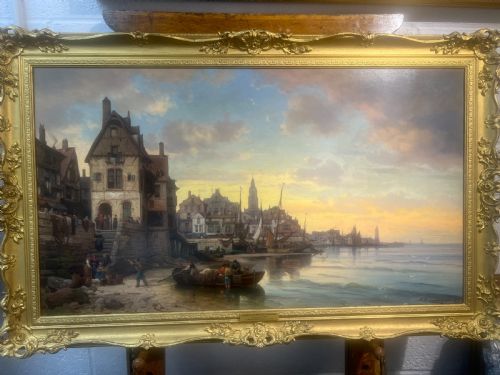
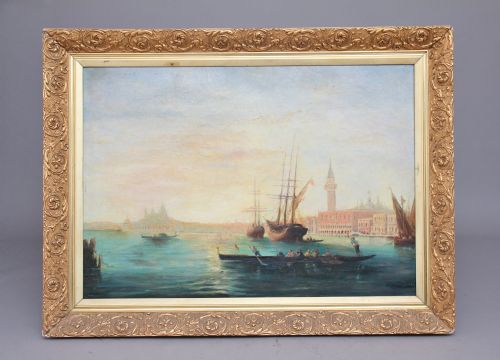
When you search for blue harbour scene art, you encounter maritime paintings and watercolours depicting coastal quays, fishing fleets, and tidal inlets. The selection ranges from nineteenth-century views of Cornish fishing villages to mid-twentieth-century impressions of Mediterranean ports and Venetian lagoons.
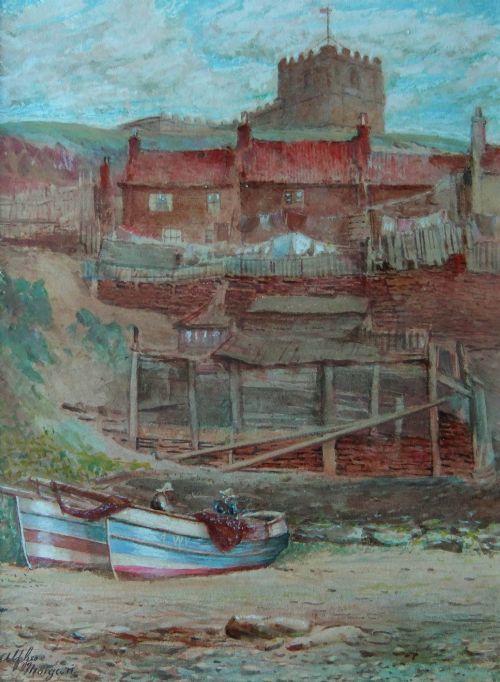
You are most likely to meet watercolours on paper and oil paintings on canvas dating from the Edwardian era through to the mid-twentieth century. British coastal locations such as St Ives, Whitby, and Polperro appear frequently alongside French and Italian waterfronts.
The works span traditional Victorian maritime styles, British Impressionism, and mid-century interpretations of coastal light. Artists recorded bustling quayside work, moored fishing boats, and calm tidal waters under varied atmospheric conditions.
Materials and techniques
Artists painted these coastal views using oil paint on canvas or wood, and watercolour applied to paper sheets. Oil paint allowed for textured brushwork that captured the weight of fishing boats and the movement of coastal water, while watercolour suited delicate washes for skies and distant headlands.
Many works retain their period framing, which often includes wood surrounds and glass panels protecting watercolours from atmospheric moisture. Canvas supports for oil paintings vary from stretched linen to board panels utilised by twentieth-century painters.
Listings feature works created across eight distinct decades, spanning the nineteenth century to the 1960s.
Distinctions in quality
Quality in these coastal paintings rests upon the artist's handling of light, atmosphere, and spatial depth within the harbour setting. Superior examples demonstrate confident brushwork and precise tonal balance, particularly in rendering sea reflections and changing coastal weather.
The strength of the composition and the specific character of the location elevate certain works above standard topographical records. Pieces that convey the movement of tides and the daily labour of the fleet show greater artistic engagement than static harbour views.
John E. Aitken·William Banks Fortescue·Paul Bret·Thomas Creswick·Cyril Walduck Edwards·Charles Euphraisie Kuasseg·Alfred G. Morgan·Frank Kelsey·George F Pennington·Paul Delvaux·Gyrth Russell·William Lee Hankey·George Turland Goosey·Fred Lawson·William Tuck·Donald McIntyre·Doyly John·James Thomas Watts·Kate E Booth·Ernest F. Hill·Frederick Stuart Richardson·Percy Brooke·William Lambert Bell·James Torrington Bell·Gustave De Breanski
The Blue Harbour Scene Art Glossary
- Watercolour
- A paint consisting of pigment suspended in a water-soluble vehicle, traditionally applied to paper. It allows for transparent washes that create luminous effects in coastal skies and water.
- Impressionism
- An art movement characterised by relatively small, thin, yet visible brush strokes and an emphasis on accurate depiction of light. Mid-century practitioners applied this approach to capture Mediterranean and Cornish harbours.
- Seascape
- A work of art that depicts the sea, including coastal views, ships, and harbour scenes. It forms the primary category for maritime paintings originating from British and European coastal artist colonies.
- Provenance
- The chronology of the ownership or location of a historical object. Documented exhibitions or signatures help verify the origin of unsigned harbour paintings.
Blue Harbour Scene Art: Frequently Asked Questions
What periods do these harbour paintings cover?
The available selection spans from the nineteenth century through the 1960s, encompassing Victorian marine works and mid-century impressions.
Earlier pieces often focus on British fishing communities, while later twentieth-century works extend to Mediterranean harbours.
Which coastal locations appear most often?
Cornish fishing ports such as St Ives, Polperro, and Mousehole feature prominently alongside Yorkshire coastal towns like Whitby and Staithes.
European locations including the Venetian lagoon, French Riviera ports, and Sicilian harbours also appear across the selection.
How should I care for watercolour harbour scenes?
Watercolour paintings require protection from direct sunlight to prevent fading of pigments on paper supports. Displaying them behind glass with conservation-grade framing helps guard against atmospheric moisture and dust accumulation.
Are these paintings signed by the artists?
Many examples retain artist signatures, inscriptions, or exhibition labels detailing the specific harbour depicted. Some pieces are attributed to particular artist schools or documented through period records.