


Blue Handwoven Rug
A blue handwoven rug brings grounded texture and rich depth to a room through dense wool and traditional village dye work.
Blue Handwoven Rug
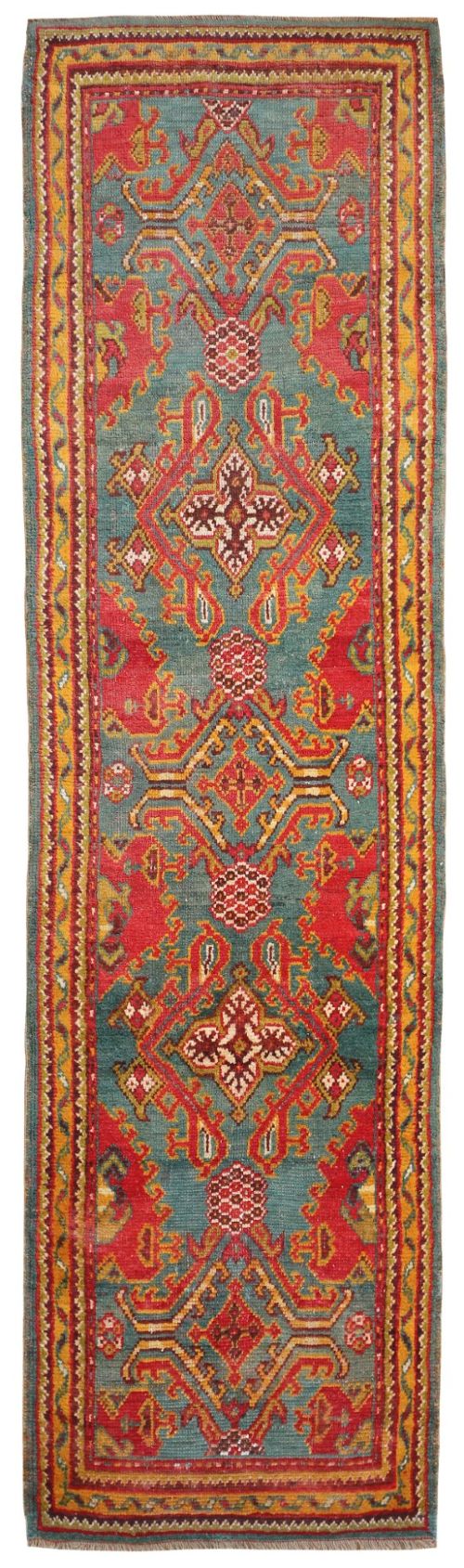
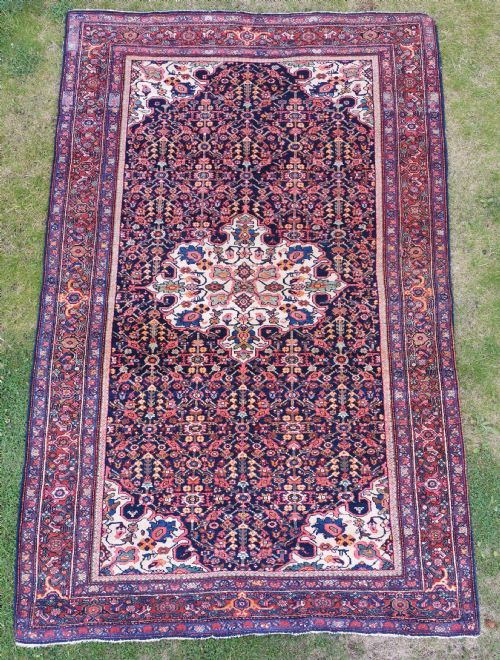
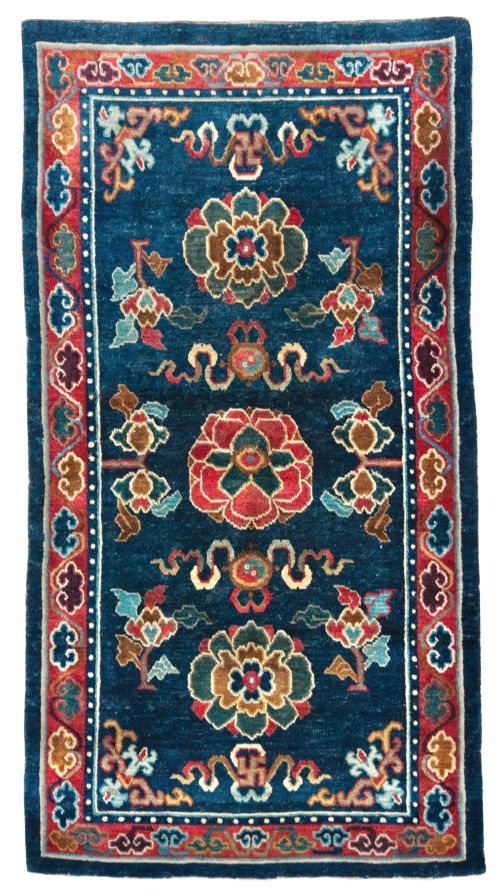
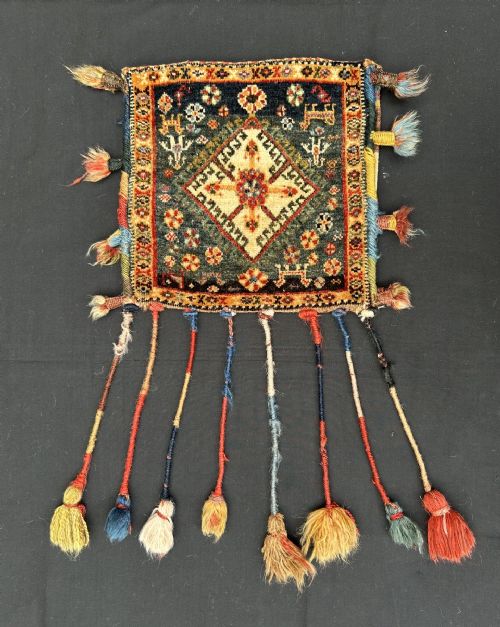
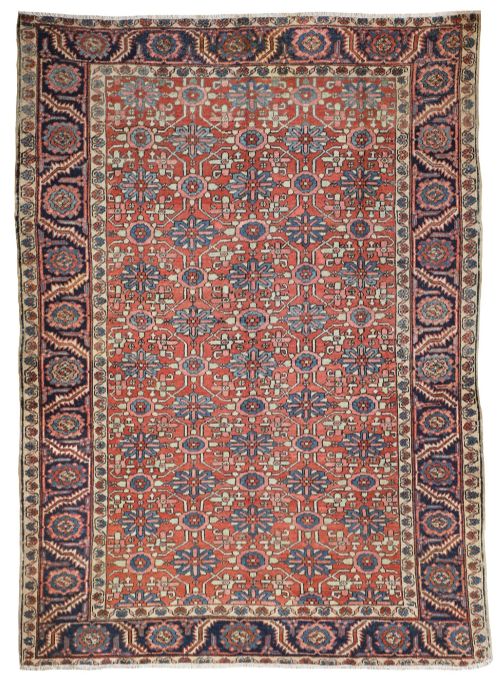
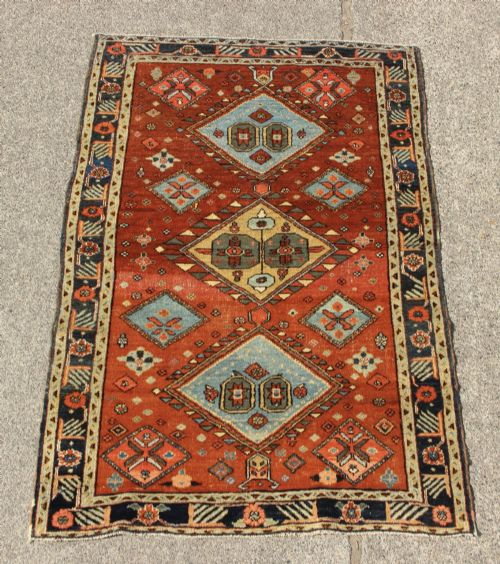
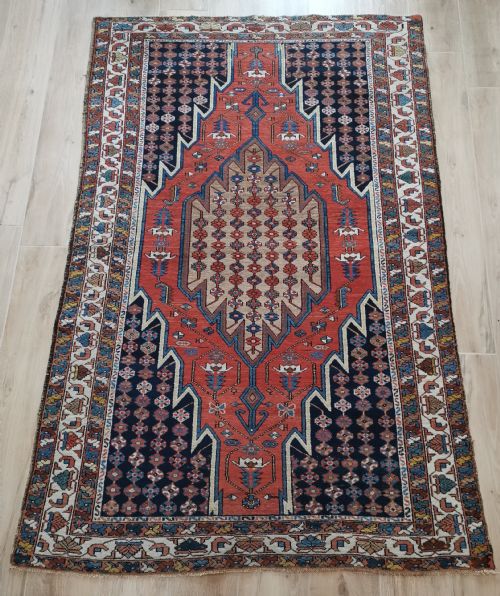
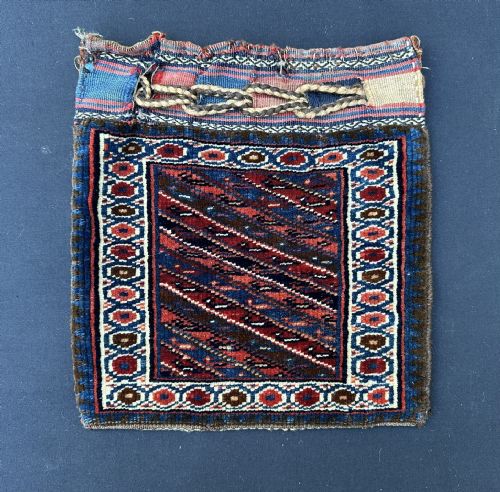
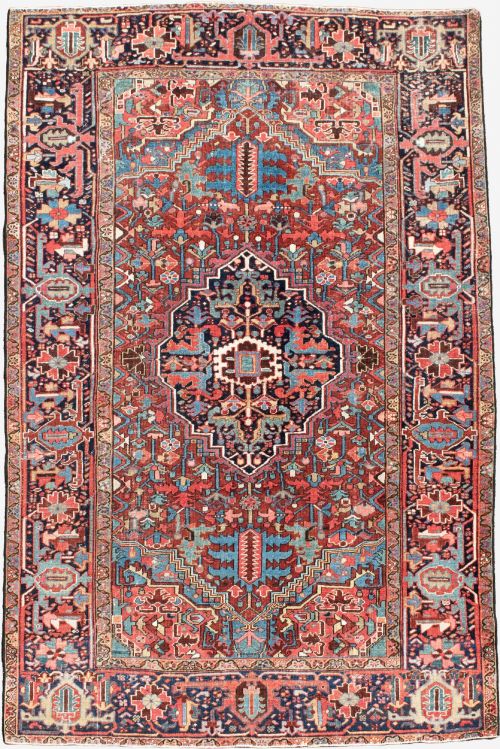
A blue handwoven rug encompasses tribal and village textiles originating primarily from Persian, Caucasian and Turkmen regions, dating from the nineteenth century into the mid-twentieth century. Buyers searching this phrase encounter floor coverings, runners and smaller nomadic bags rendered in various shades of blue.
The selection ranges from large Heriz carpets and Kazak runners to regional village formats such as Hamadan, Afshar and Bidjar pieces. These textiles carry the distinct geometric motifs, medallions and field designs proper to their specific weaving cultures.
How they were made
Makers utilised wool and hand-spun wool combined with cotton foundations, employing traditional handweaving techniques across regional looms. Natural dyes provided the enduring blue tones seen throughout these historical floor coverings.
Nomadic and village weavers constructed these textiles using durable knotting methods and flat-weave structures designed to withstand daily utility while maintaining pliable handles.
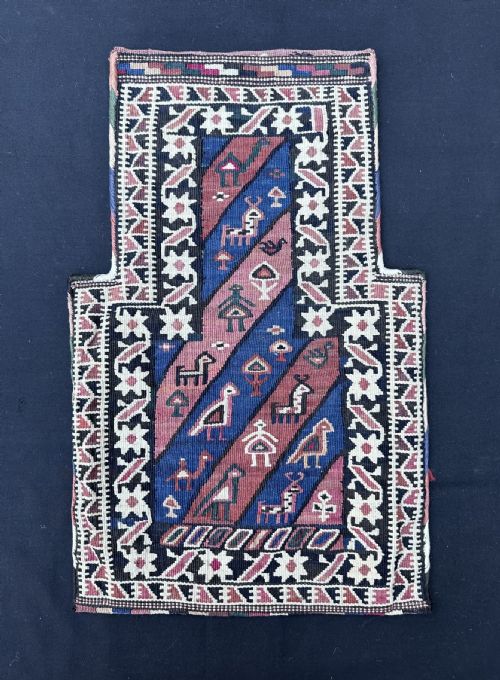
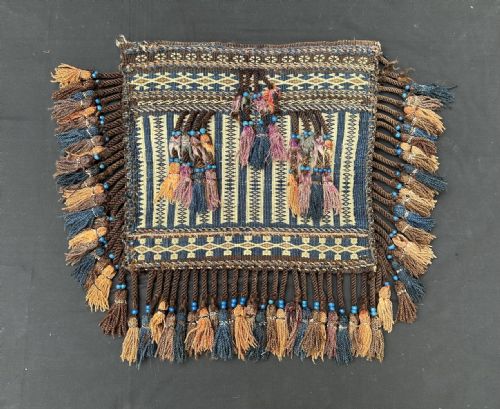
Nomadic weavers occasionally incorporated glass beads into their storage bags to ward off the evil eye.
What varies in quality
Quality rests upon the integrity of the weave, the density of the wool and the complexity of the design layout. Finer knot counts and sturdy construction distinguish durable village production from simpler utility pieces.
The depth and consistency of the natural dyes greatly influence the visual impact of each piece. Well-preserved wool and intact borders reflect careful historical maintenance and superior initial fabrication.
The Blue Handwoven Rug Glossary
- Runner
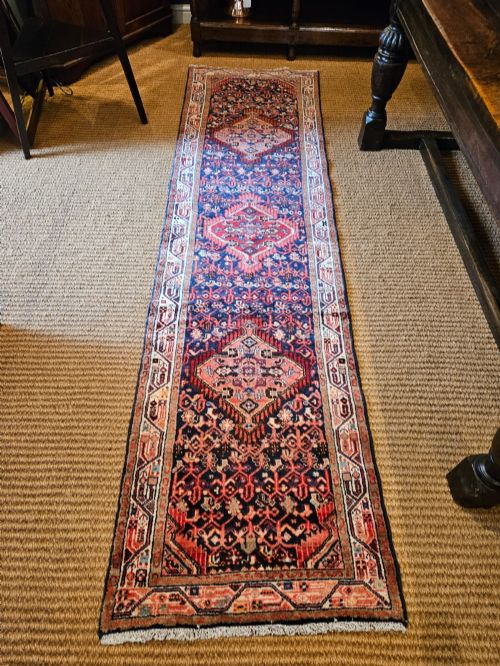
- A long, narrow carpet format designed for hallways, corridors or stairs. These rectangular pieces direct movement through domestic spaces.
- Kelim
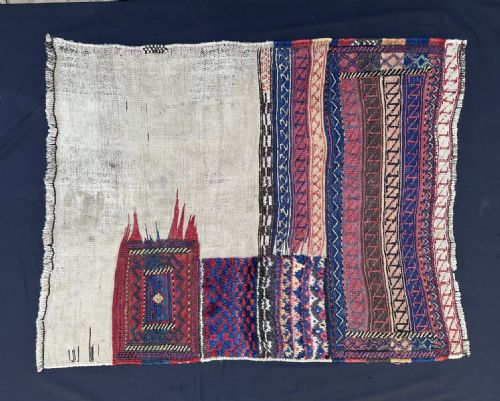
- A flat-woven textile produced without a pile, creating a lightweight rug. This technique results in reversible floor coverings with sharp geometric patterns.
- Bag face
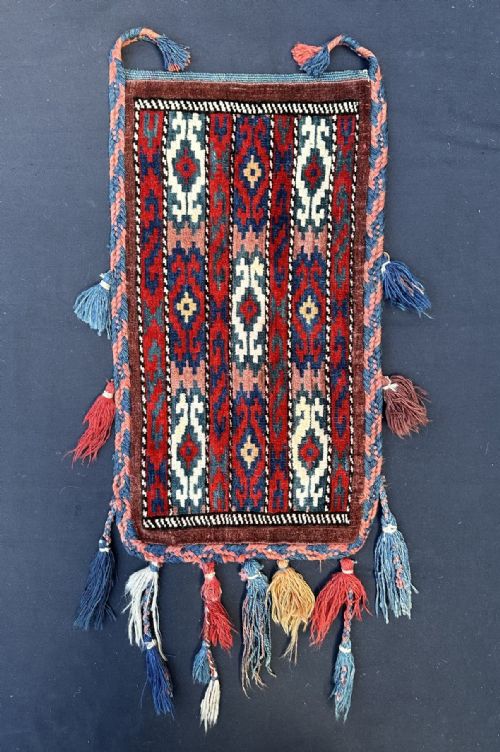
- The decorative front panel of a nomadic storage container preserved as a small rug. These fragments display concentrated tribal iconography.
- Natural dye
- Colour derived from plant and mineral sources rather than synthetic compounds. These substances yield complex, nuanced hues that age gracefully over time.
Blue Handwoven Rug: Frequently Asked Questions
How do I clean an old wool rug?
Gentle surface vacuuming without a beater bar removes loose dirt from the wool pile. Professional specialist cleaning remains necessary for deeper maintenance.
Strong chemical detergents and excessive water damage natural fibres and historical dyes. Proper air drying preserves the structural integrity of the textile.
Where were these woven?
These textiles originate from village and nomadic workshops across Persia, the Caucasus, and Central Asia. Weavers in regions such as Heriz, Kazak and Afshar produced distinct local styles.
Tribal confederacies including the Qashqai and Yomut also contributed specific regional formats to this tradition.
Are these rugs durable enough for daily use?
Traditional wool construction and sturdy knots provide high durability for household floor traffic. Using a quality rug pad underneath reduces friction and wear.
Placing them in moderate traffic areas prevents excessive abrasion on older foundation threads.
How do I identify the age of a rug?
Materials, structural characteristics and dye types offer clear indications of historical period. Hand-spun wool and specific regional palettes point toward nineteenth and early twentieth-century production.
Wear patterns and selvage construction further help determine the approximate age of the textile.