
Blue Glazed Vessel
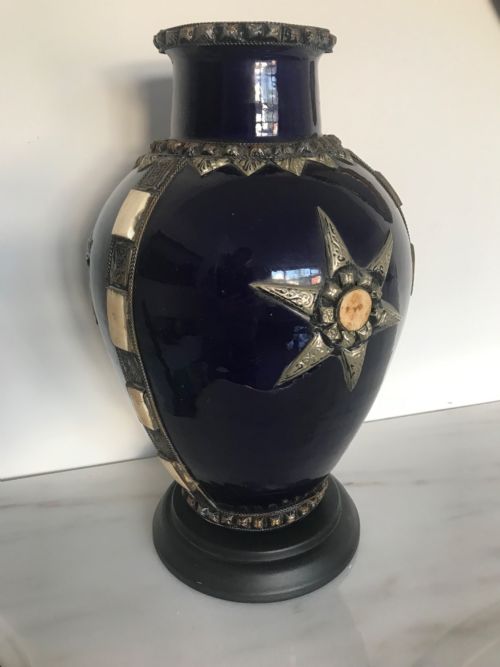
A blue glazed vessel brings centuries of cobalt, lapis, and indigo ceramic artistry into a room through apothecary jars, vases, and ewers.
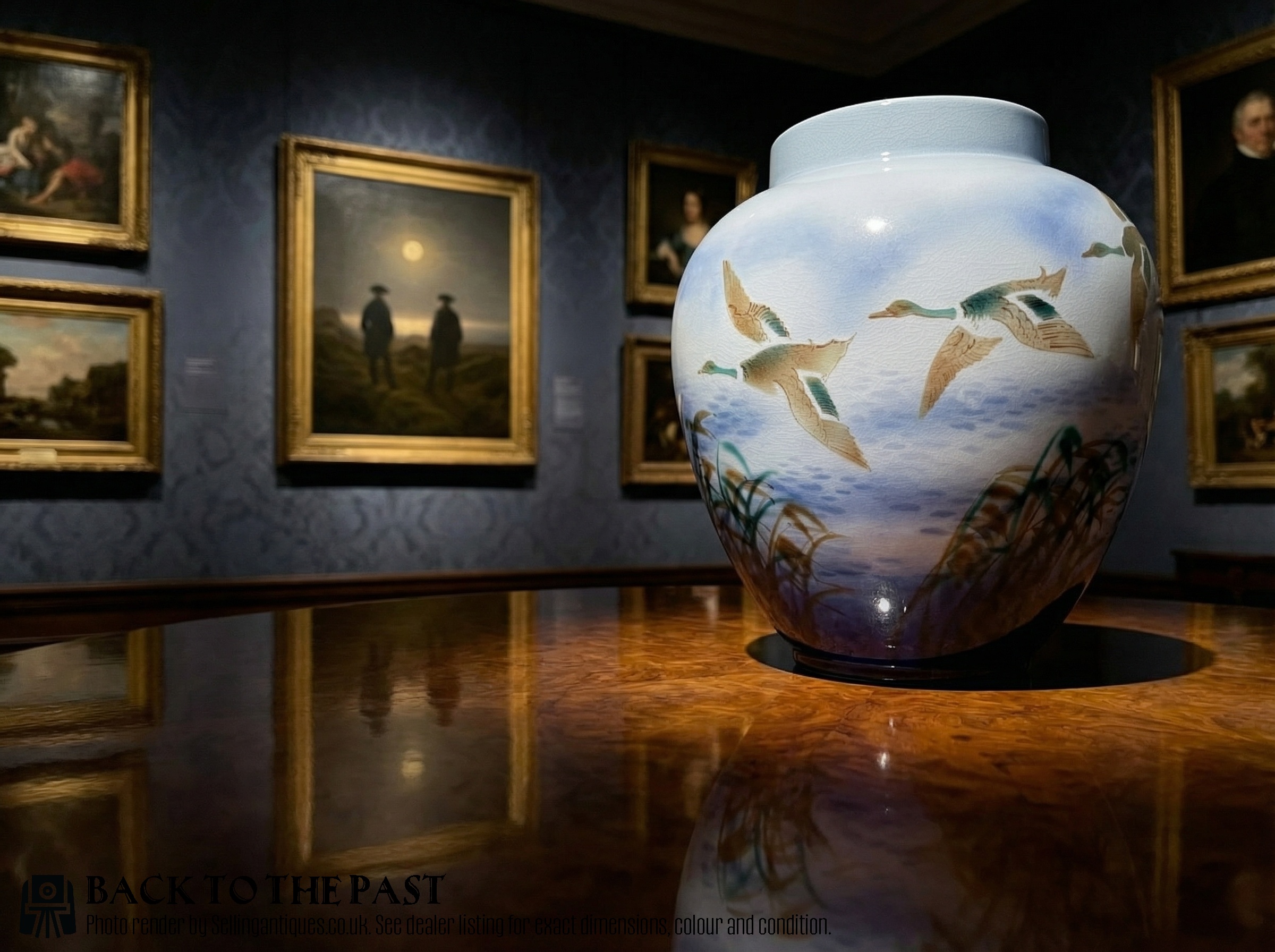
Blue Glazed Vessel
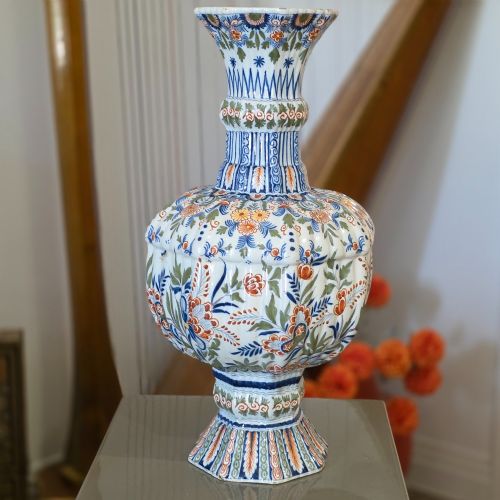
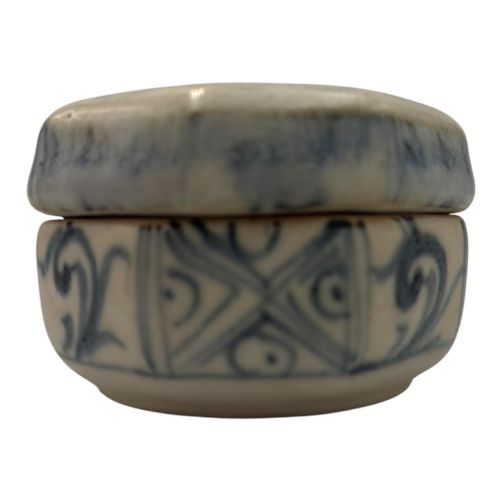
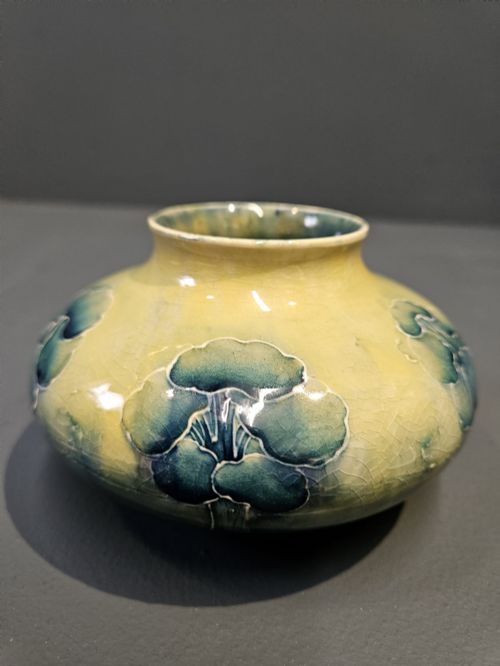
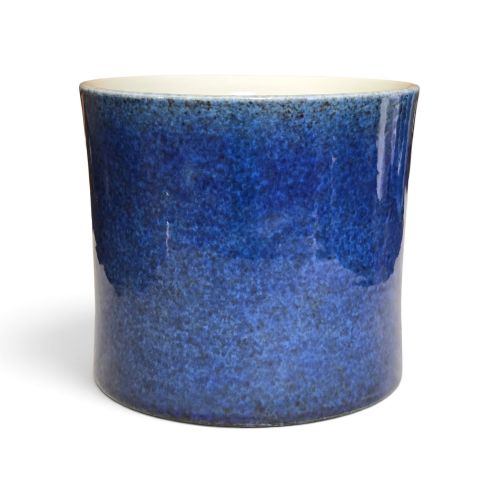
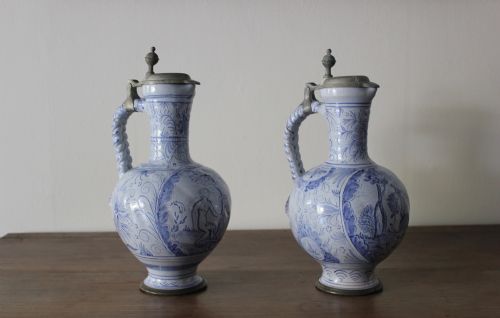
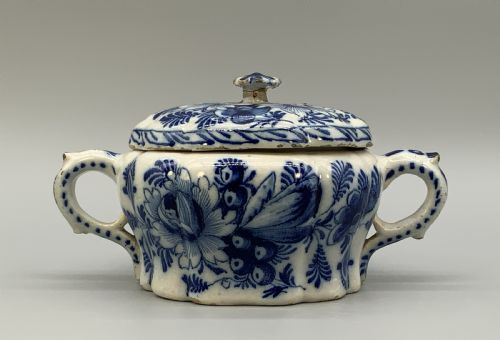
A blue glazed vessel encompasses centuries of ceramic utility and display, ranging from English delftware drug jars to Chinese porcelain brush holders.
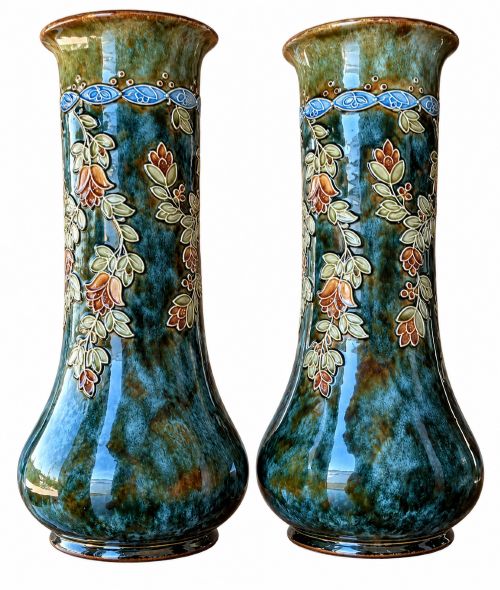
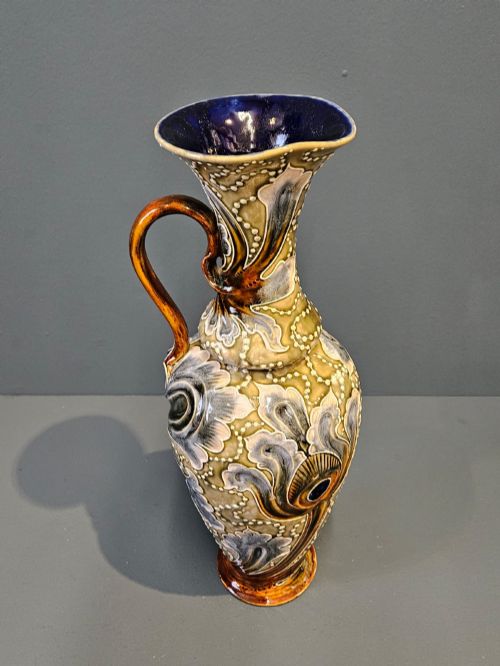
Buyers most frequently encounter 18th-century European delftware pieces and Victorian art pottery vases during a search for this category.
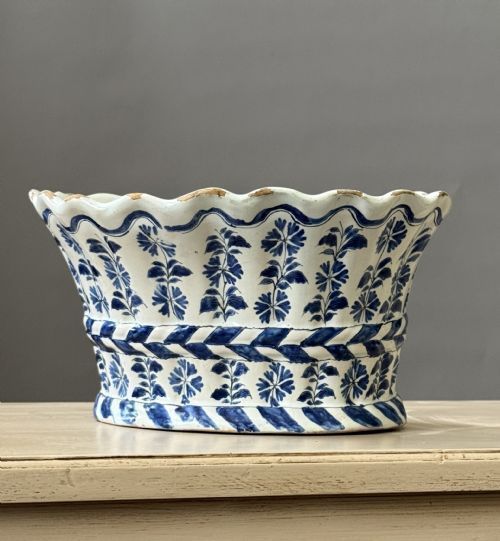
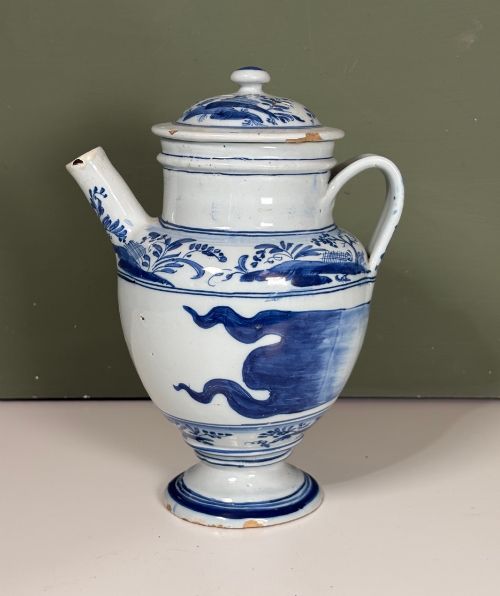
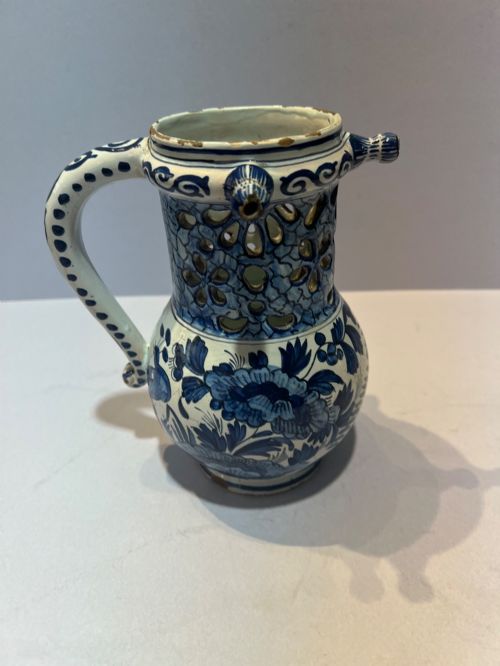
Forms span utilitarian apothecary wet drug jars, bough pots, and puzzle jugs alongside purely decorative baluster vases and jardinieres.
Materials and construction
Potters shaped these objects from earthenware, stoneware, and porcelain before applying mineral-rich metallic oxides to achieve deep blue tones.
Tin glazes provided an opaque white background for painted cobalt decoration on European faience and delft pieces.
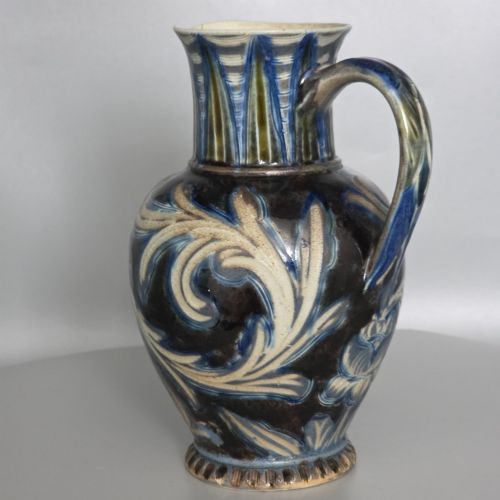
Salt-glazed stoneware vessels relied on the introduction of salt into the kiln during firing to produce a distinctive textured surface.
Materials range from rough terracotta and salt-glazed stoneware to refined Chinese porcelain.
Assessing quality and execution
Depth and consistency of the blue glaze separate standard utilitarian wares from superior studio and imperial productions.
Precision in hand-painted motifs, whether floral delftwork or intricate Qajar portraits, reveals the hand of a skilled artisan.
The crispness of moulded relief work, incised details, and applied silver or metal mounts indicates the original workshop standards.
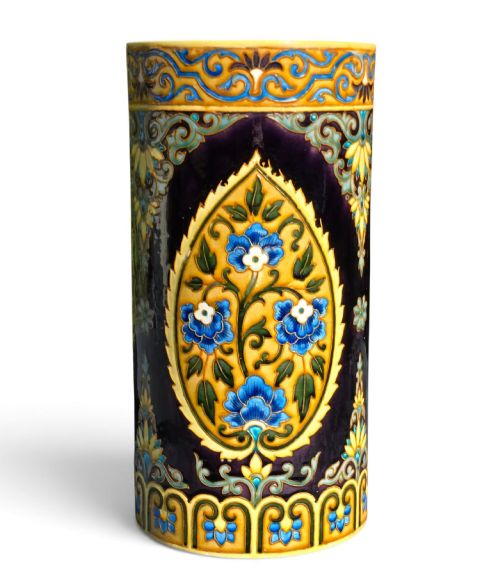
Royal Doulton·Doulton Lambeth·Théodore Deck·Moorcroft·Carlton Ware
The Blue Glazed Vessel Glossary
- Albarello
- A cylindrical earthenware pharmacy jar designed for dry herbs and ointments. Originating in the Middle East, this form became a staple of Italian majolica production.
- Delftware
- Tin-glazed earthenware produced in the Netherlands and England from the 16th century onward. The porous clay body receives an opaque white glaze painted with metallic cobalt.
- Stoneware
- A dense, impermeable ceramic fired at high temperatures until vitrified. This durable material requires no glaze to hold liquids.
- Posset pot
- A spouted ceramic vessel used for serving a traditional hot drink of spiced milk curdled with wine or ale. These often feature multiple handles for communal passing.
- Faience
- European tin-glazed earthenware related to majolica and delftware. The technique creates a smooth, glossy canvas for polychrome or blue-and-white painting.
Blue Glazed Vessel: Frequently Asked Questions
What is a delft apothecary jar?
These ceramic containers held dried medicines, syrups, and ointments in early pharmacies and apothecaries. Their tin-glazed surfaces prevented chemical seepage while displaying identifying labels.
Collectors prize them for their historic pharmacy inscriptions and hand-painted cobalt botanical motifs.
How do I date a stoneware jug?
Examination of the salt glaze texture, applied royal ciphers, and handle formation helps determine the manufacturing era. Pieces marked with specific monarchs or reigns offer secure chronological anchors.
Stylistic shifts from utilitarian German drinking vessels to decorative Victorian art pottery guide further attribution.
Where were majolica pharmacy jars made?
Italian workshops produced these tin-glazed vessels extensively for monastic and civic dispensaries across centuries. Artisans utilised both blue-and-white and polychrome palettes to decorate the cylindrical bodies.
Their distinctive forms often feature painted portraits or heraldic symbols alongside pharmaceutical labels.
How should I display a ceramic ewer?
These handled pouring vessels benefit from placement on sturdy surfaces where their profiles and handle curves remain fully visible. Adequate lighting highlights the variations in cobalt glaze depth across the body.
Keeping them away from direct heat sources protects the ceramic body and any historic surface treatments.