



Blue Glazed Pottery Ornament
A blue glazed pottery ornament brings the character of nineteenth-century parlours and cabinets into a modern room through figures, animals, and vases.
Blue Glazed Pottery Ornament
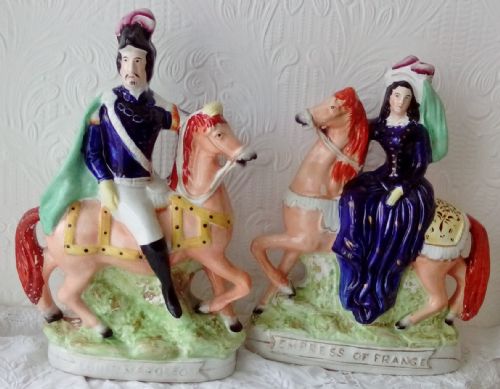
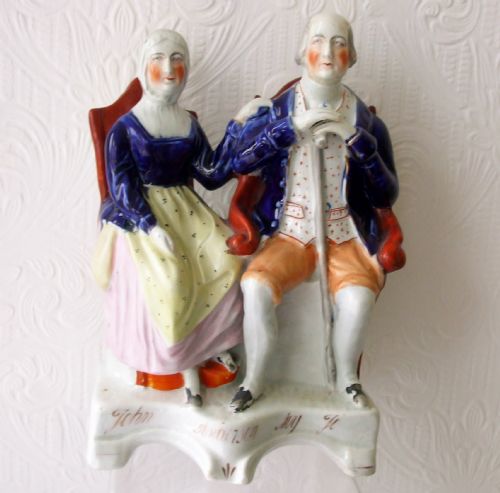
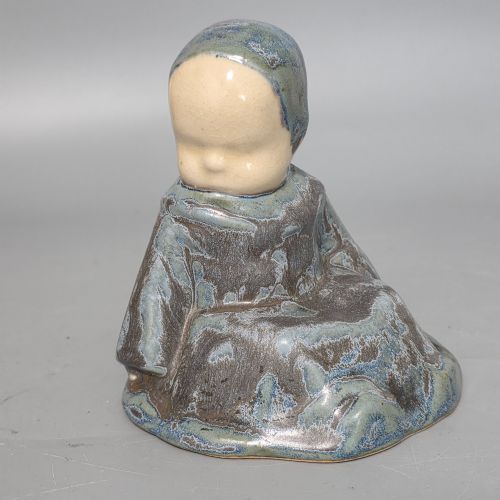
A blue glazed pottery ornament encompasses moulded figures, portrait groups, animals, and vases produced predominantly during the nineteenth century and the Victorian era. When searching for a blue glazed pottery ornament, buyers encounter English Staffordshire flatbacks, Dutch Delftware animals, and stoneware pieces shaped into human or animal forms.
The selection ranges from spill vases and inkwells to portrait groups depicting royalty, sailors, and literary characters. Pieces from the Victorian period dominate the selection, often finished with cobalt or turquoise glazes that define their visual appeal.
Materials and Construction
Makers formed the figures in sections, smoothed the clay, and fired the pieces to set the ceramic body before final decoration. The interaction between the absorbent earthenware and the fluid glazes produced the characteristic pooling and depth visible on the surface.
Periods represented span the nineteenth century, including Victorian production, the 1880s, and early twentieth-century pieces.
Assessing Quality and Execution
The application of enamel paint and cobalt glaze dictates the visual success of the piece. Skilful brushwork and steady hand-painting distinguish finer portrait figures and vases from mass-produced items.
Berthe Savigny·Doulton Lambeth·Emily Edwards·Emily Stormer
The Blue Glazed Pottery Ornament Glossary
- Flatback
- A ceramic figure designed with a finished front and a plain, unglazed or semi-finished back intended to stand against a wall on a mantelpiece.
- Spill vase
- A hollow cylindrical vase attached to a figure, utilised in nineteenth-century households to hold taper spills for lighting pipes or candles.
- Earthenware
- A porous ceramic body fired at lower temperatures, commonly used for Victorian Staffordshire figures and glazed ornaments.
- Lead glaze
- A glossy coating applied to pottery before firing that vitrifies to seal the clay body and enhance surface colour.
- Prattware
- An early type of English pottery decorated with multi-coloured low-relief designs under a glaze.
Blue Glazed Pottery Ornament: Frequently Asked Questions
What are blue glazed pottery ornaments?
These items are ceramic figures, animals, and vases decorated with blue glazes, originating mainly from nineteenth-century English and European potteries.
They served as decorative ornaments for domestic interiors, depicting historical figures, domestic animals, and theatrical subjects.
How do I identify a Victorian Staffordshire figure?
Victorian Staffordshire pieces typically feature moulded earthenware construction, hand-painted enamel details, and characteristic cobalt blue or turquoise glazes.
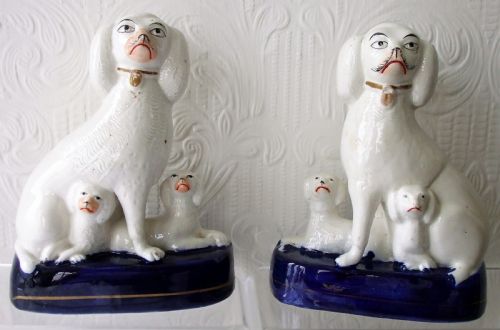
Many examples take the form of portrait figures, poodles, or spill vases designed with flat backs to sit neatly on shelves.
Where were these ceramic ornaments made?
Production centres included the Staffordshire Potteries in England, alongside factories in Delft, Japan, and French workshops.
Each region utilised local clay bodies and distinct glazing traditions, resulting in varied aesthetic styles.
How do I care for antique pottery ornaments?
Keep these pieces out of direct sunlight and clean them gently with a dry, soft brush to remove dust.
Avoid using water or chemical cleaners on antique earthenware and enamels to protect the original glaze and surface decoration.