


Blue Glazed Earthenware
Blue glazed earthenware encompasses centuries of European pottery traditions, prized for rich cobalt painting beneath tin glaze.
Blue Glazed Earthenware
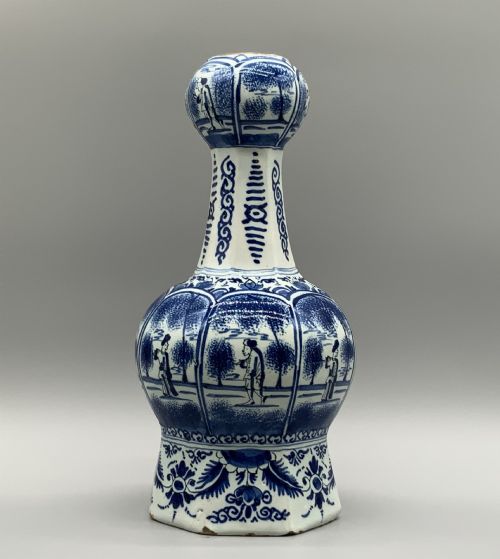
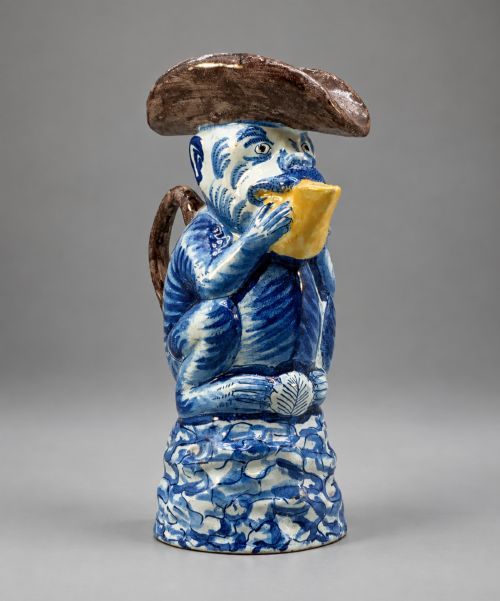
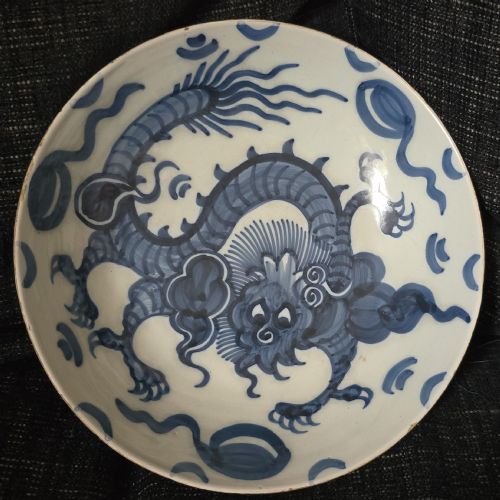
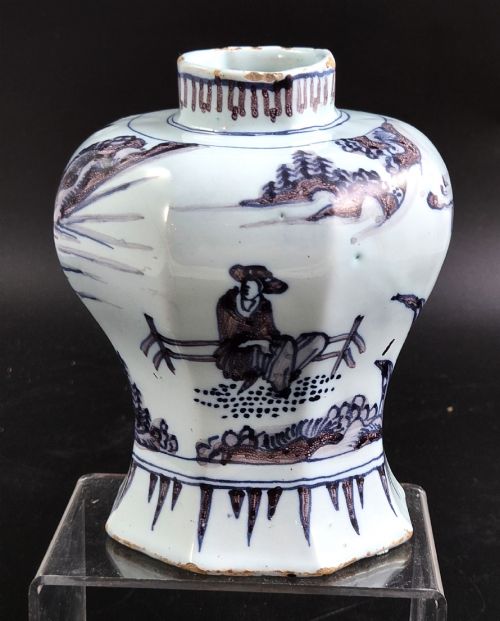
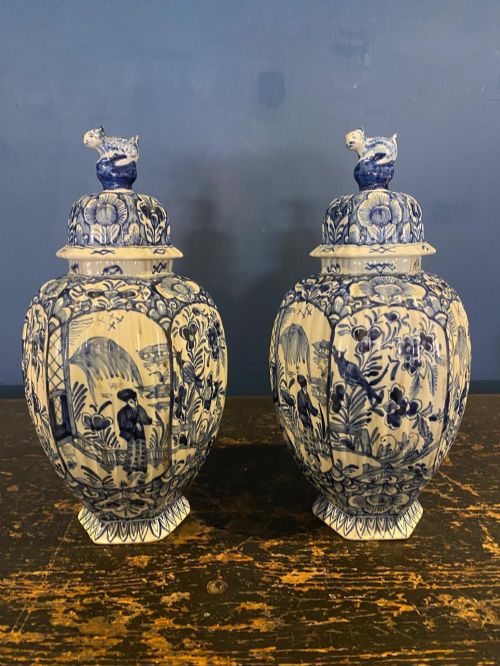
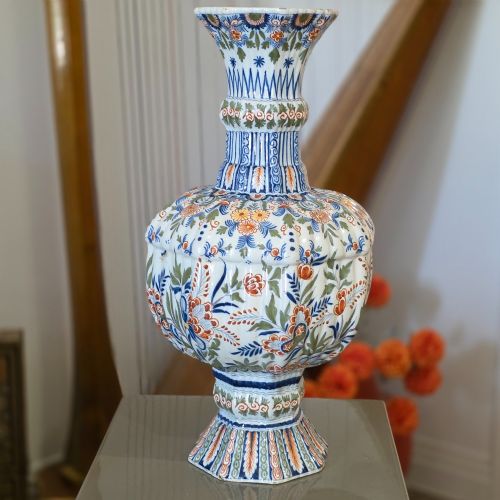
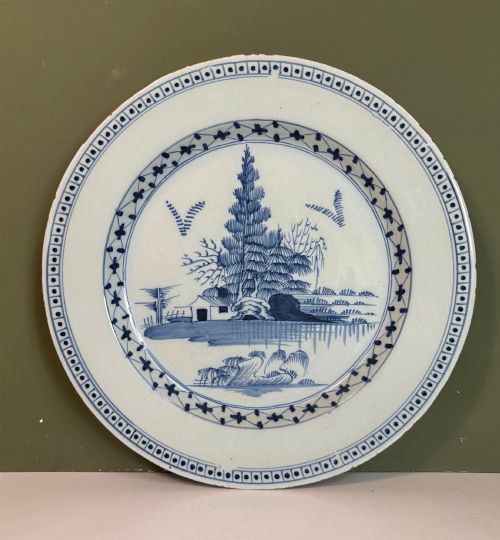
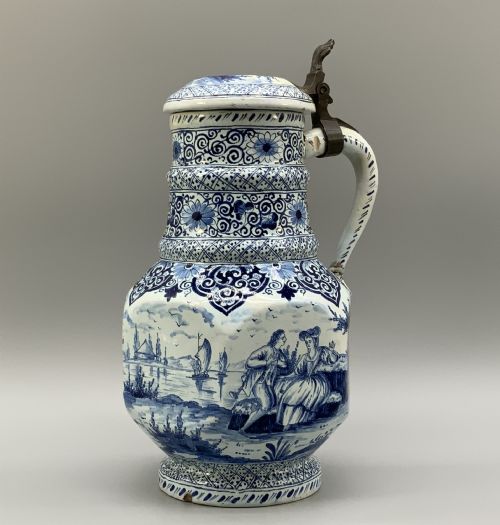
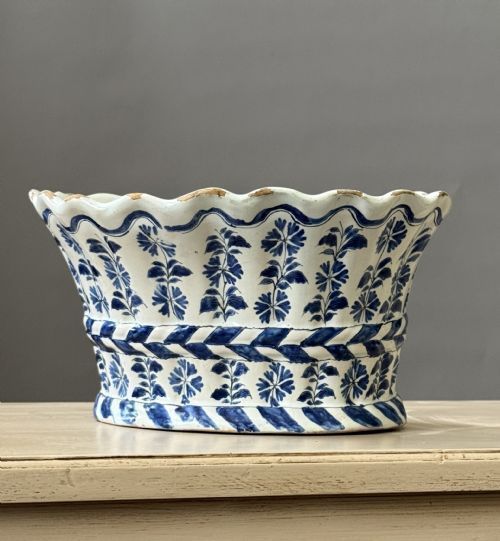
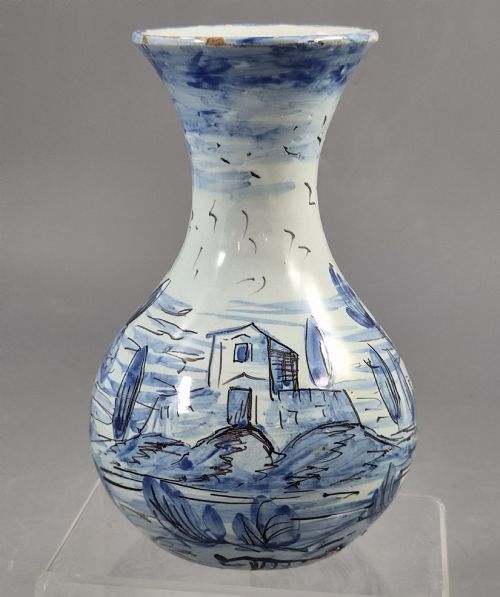
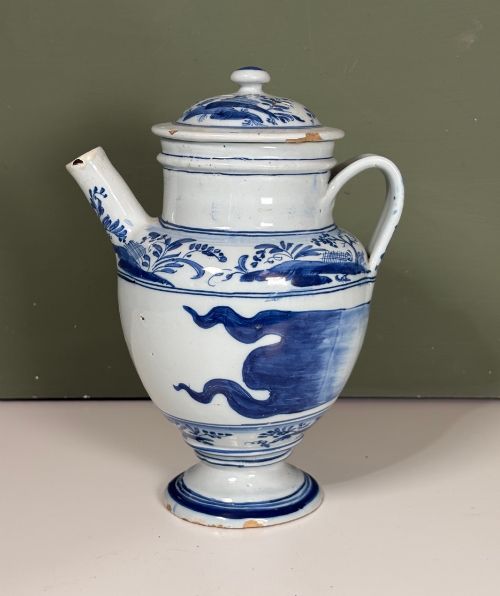
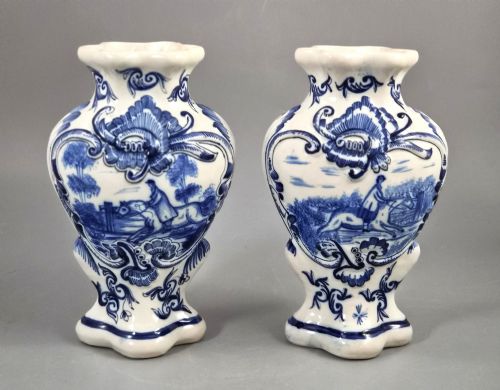
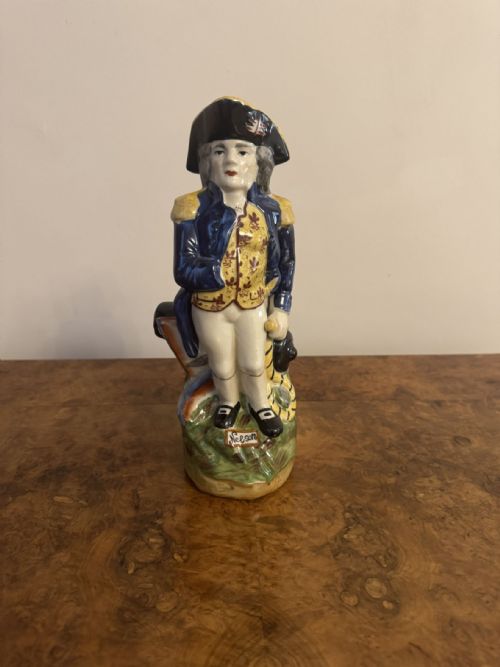
Most items appearing on this page take the form of chargers, decorative plates, baluster vases, and figural Toby jugs or pottery animals. These objects reflect historical shifts from Chinese porcelain imitation toward distinct European decorative styles.
Vessels range from large seventeenth-century wall chargers with Chinoiserie motifs to nineteenth-century Staffordshire portrait figures and continental cache-pots. Collectors select these items for their hand-painted cobalt pigment decoration and historical earthenware bodies.
How they were made
Potters shaped local clay bodies into vessels before applying an opaque tin glaze that created a smooth white canvas for painting. Artisans brushed cobalt pigment directly onto this unfired or raw glaze, allowing the metallic oxide to absorb into the surface during kiln firing.
Tin-glazed earthenware and faience techniques required careful control to prevent crazing or bubbling of the glaze layer during high-temperature baking. Many larger chargers and chargers featured lead glazes on the reverse to seal the porous clay body.
Potters occasionally included whimsical pottery cows and mischievous monkey jugs among formal vases and chargers.
What varies in quality
Quality rests primarily in the crispness and fluidity of the hand-painted cobalt brushwork against the tin glaze. Pieces with sharp, well-defined floral or Chinoiserie motifs demonstrate superior artistic control compared to hasty or blurred designs.
The stability and uniformity of the white tin glaze dictate the overall success of the vessel. Clean surfaces with minimal kiln pitting and deep, rich blue tones represent the higher end of these historic ceramic traditions.
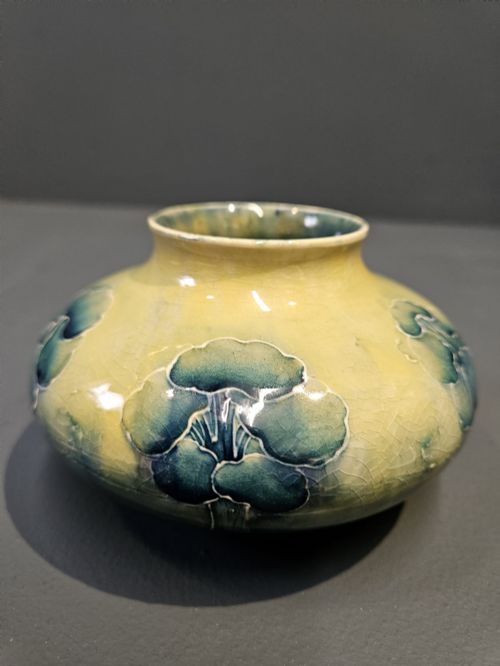
Pieter Verburg·Cantagalli·Fourmaintraux-Courquin·Moorcroft·George Jones·Doulton Lambeth
The Blue Glazed Earthenware Glossary
- Earthenware
- Porous pottery fired at lower temperatures than stoneware or porcelain. It requires a glaze, such as tin glaze, to hold liquids.
- Tin glaze
- An opaque white glaze made by adding tin oxide to a lead glaze. It forms the smooth background for cobalt blue painting.
- Faience
- European tin-glazed earthenware produced in France, Germany, and other continental regions. The term mirrors the English delftware tradition.
- Charger
- A large ornamental plate designed for display on walls or sideboards rather than dining use. Many historical examples feature painted cobalt scenes.
- Cobalt pigment
- A metallic oxide mineral used under glazes to produce a durable deep blue colour. It withstands high kiln temperatures without fading.
Blue Glazed Earthenware: Frequently Asked Questions
Are these chargers meant for dining?
Large decorative chargers served primarily as wall displays or sideboard centrepieces in historic interiors. Their wide surfaces were designed to showcase elaborate painted scenes rather than hold food.
Using antique tin-glazed plates for serving causes surface wear and risks damaging the delicate glaze layer. Collectors display them vertically on plate hangers or securely on flat surfaces.
How do I date a piece of delftware?
Stylistic shifts provide primary clues for dating, moving from seventeenth-century Dutch Baroque and Kraak influences toward eighteenth-century floral patterns and later Victorian revivals. Examining the composition of the clay body and the consistency of the tin glaze offers further chronological evidence.
Base rims, foot rings, and firing scars also reveal manufacturing methods specific to particular centuries. Comparing painted motifs against documented examples helps narrow the production window.
Why is the blue colour different on each piece?
Cobalt pigment reacts dynamically with different kiln temperatures and varying chemical compositions within the tin glaze. Artisans applied the blue oxide by hand, meaning brush pressure and pigment dilution altered the resulting shade.
Variations span from pale grey-blue tones to deep, saturated cobalt. These subtle shifts reflect the individual hand of the painter and the specific firing conditions of the workshop.