
Blue Glazed Ceramics
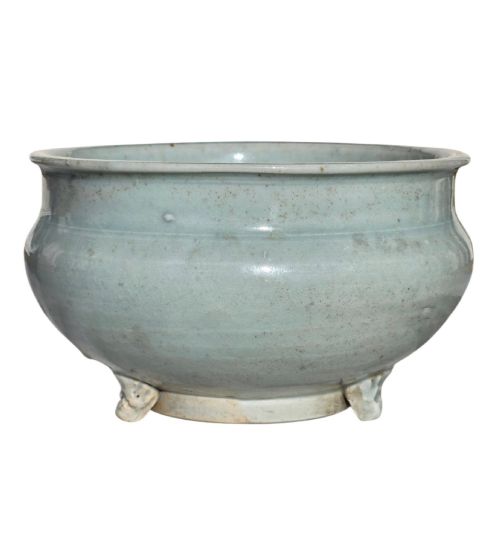
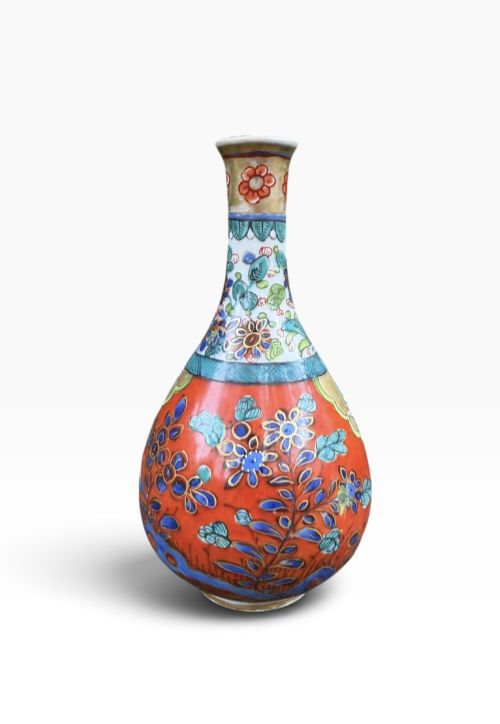
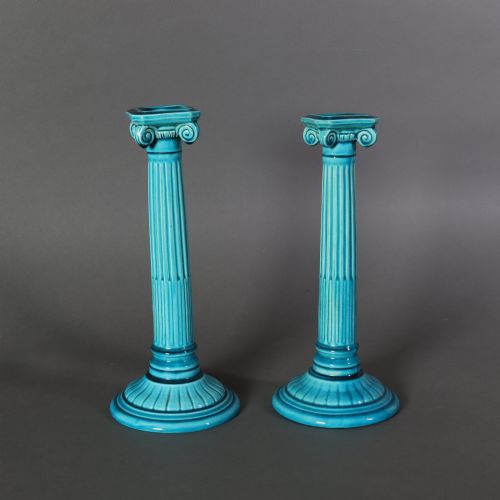
Blue glazed ceramics unite centuries of earthenware and porcelain shaped into chargers, vases, and figures covered in rich cobalt tones.
Blue Glazed Ceramics
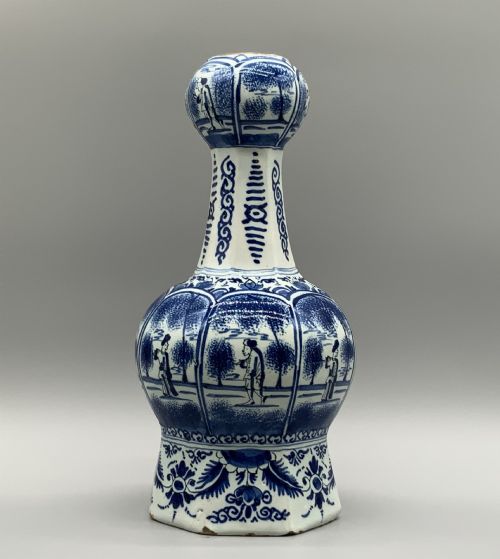
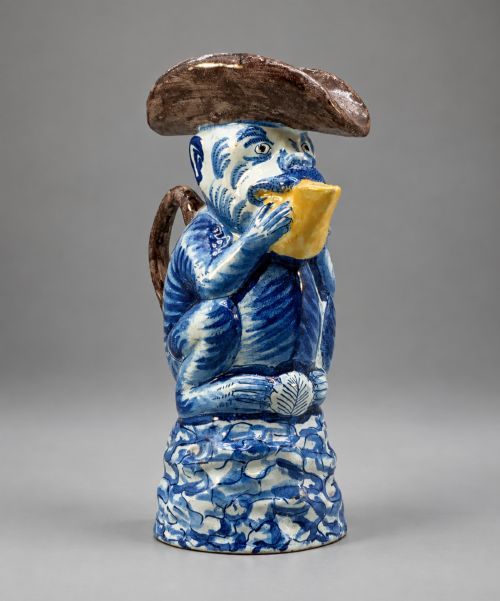
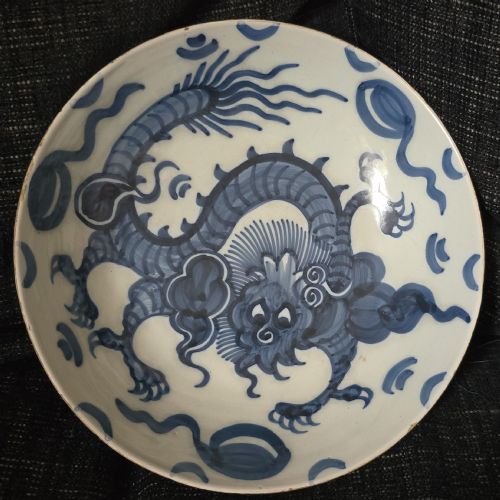
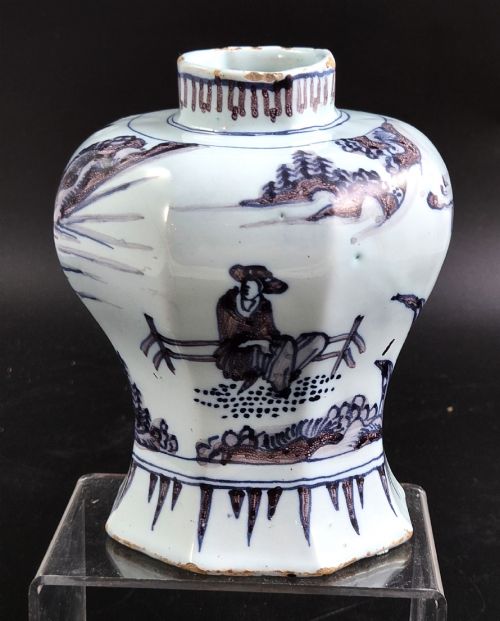
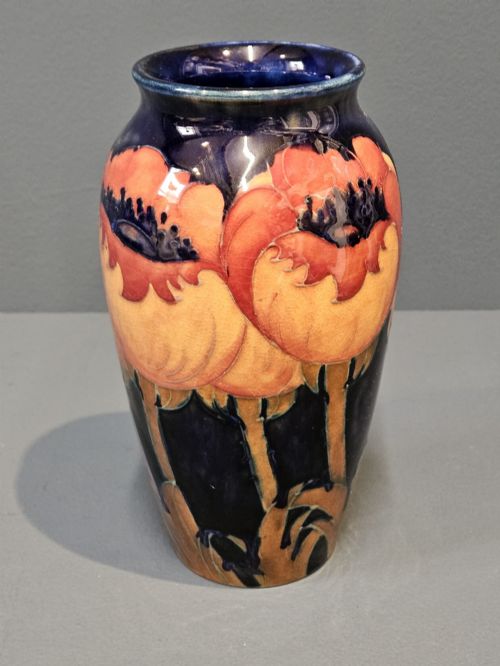
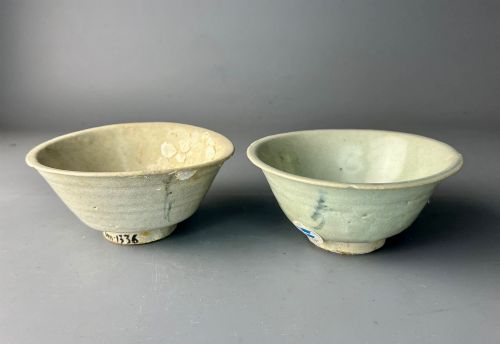
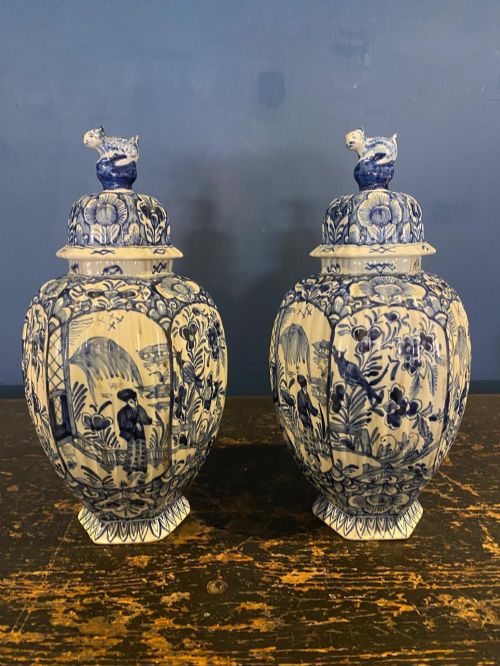
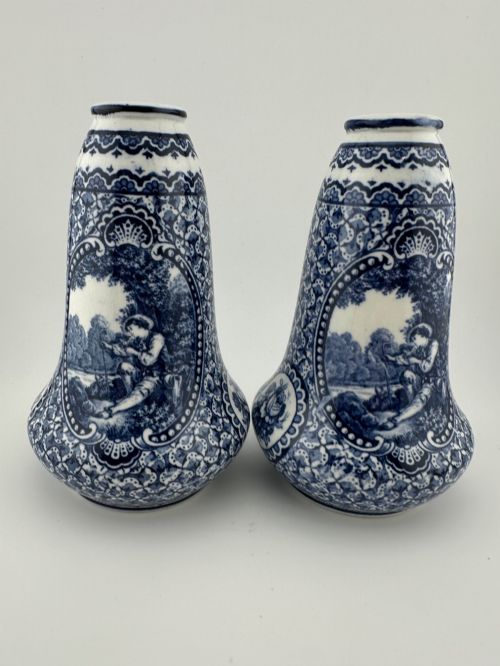
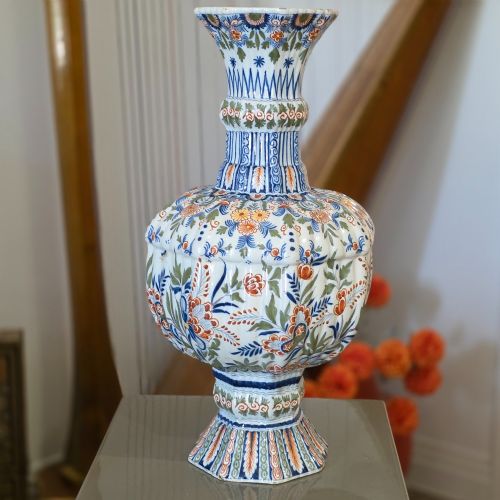
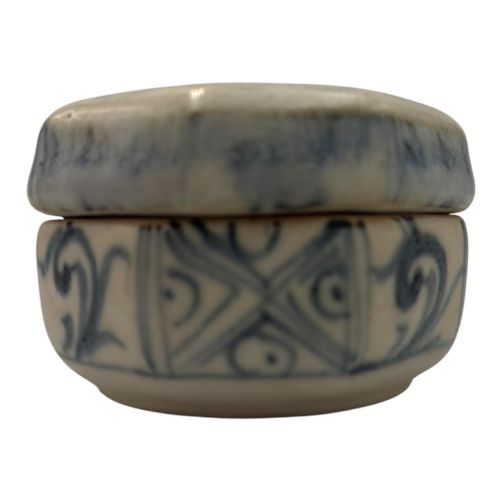
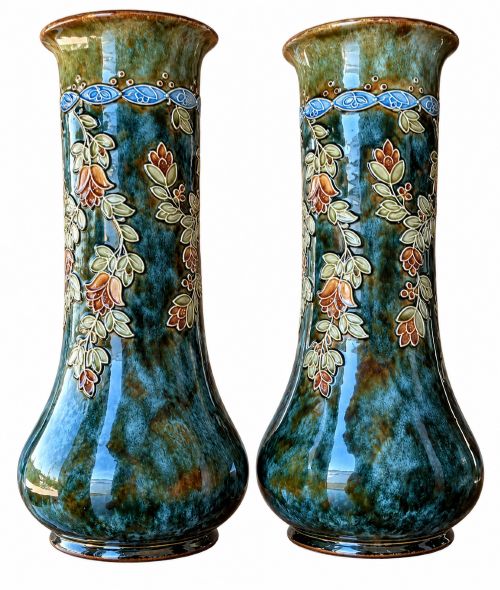
Collectors seeking blue glazed ceramics encounter a diverse array of forms spanning from seventeenth-century Dutch Delft chargers to twentieth-century Moorcroft and Royal Doulton vases. The selection relies heavily on earthenware, porcelain, and tin-glazed vessels originating from European potteries and Asian kilns.
Vases, jugs, and decorative plates dominate the material record, often displaying traditional cobalt decoration applied over tin glaze or absorbed into stoneware bodies. Pieces range from utilitarian apothecary jars and puzzle jugs to grand umbrella stands and garden seats.
Dating spans multiple centuries, with significant representation from the eighteenth-century Delft traditions and the Victorian revival movements of the late nineteenth century. Buyers navigate both utilitarian domestic items and ornamental display pieces created across diverse stylistic movements.
Materials and production techniques
Makers utilised plastic ceramic bodies, earthenware, and hard-paste porcelain, shaping them on the potter's wheel or pressing them into moulds to create intricate figures and vessels. Cobalt oxide served as the primary pigment for achieving deep blue coloration beneath or within the liquid glaze coat.
Tin glaze provided an opaque white ground on earthenware surfaces, allowing cobalt painted details to remain sharp during high-temperature kiln firing. Stoneware bodies achieved dense, vitrified finishes through salt glazing or application of coloured mineral slips.
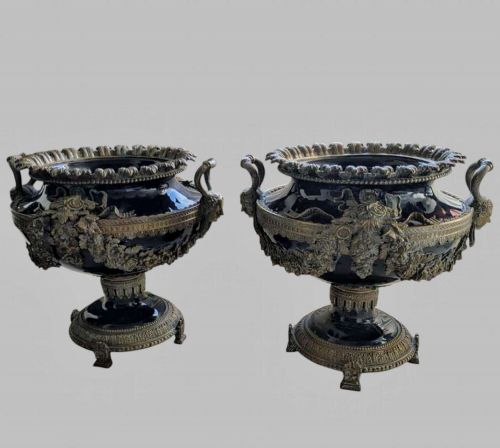
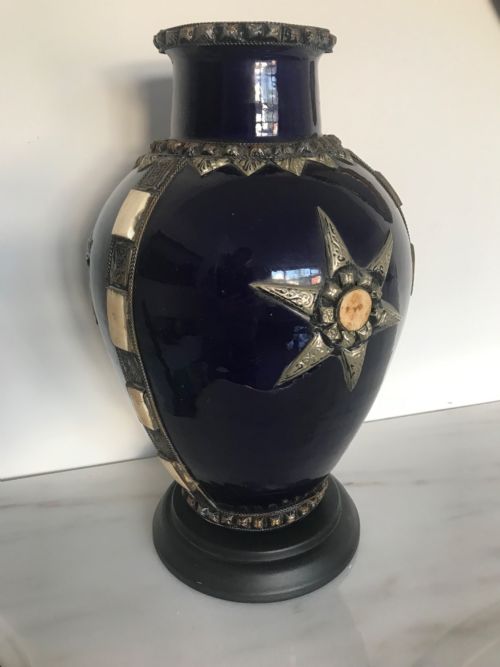
Metal mounts in bronze, silver, or pewter occasionally completed the construction of European cabinet pieces, while specialised kiln atmospheres produced flambé and powder-blue effects on oriental porcelain.
Listings feature items spanning from the seventeenth century through the twentieth century, executed in earthenware, stoneware, and porcelain.
Assessing quality in blue glazed ceramics
Quality rests upon the precision of the throwing or moulding process, the clarity and depth of the cobalt pigment, and the control demonstrated during the glaze firing. Superior examples display crisp painted detail, uniform glaze coverage, and balanced proportions without structural distortion.
The sophistication of the design execution separates standard domestic production from works attributed to major potteries and individual artist studios. Signed pieces and items carrying distinct factory ciphers demonstrate higher artistic ambition and documented provenance.
The interaction between the glaze and the underlying ceramic body dictates the tactile finish, where well-fired pieces show smooth surfaces and stable mineral colours rather than dullness or running pigment.
Royal Doulton·Moorcroft·Meissen·Wedgwood·Minton·George Jones
The Blue Glazed Ceramics Glossary
- Tin-Glaze
- Earthenware coated with a white, opaque glaze containing tin oxide, providing a smooth surface for cobalt painting. This technique defines traditional European Delftware.
- Charger
- A large decorative plate intended for display on a wall or sideboard rather than daily dining use. These items frequently feature elaborate cobalt landscapes or armorial motifs.
- Maiolica
- Tin-glazed earthenware produced in Italy and later adopted across Europe, known for vibrant painted surfaces. Pieces often display Renaissance revival or regional pictorial designs.
- Stoneware
- A heavy, durable ceramic fired at high temperatures until the body becomes vitrified and non-porous. It accepts rich salt glazes and deep cobalt coloration.
- Imari
- A style of ceramic decoration originating in Japan and copied in Europe, combining underglaze blue with contrasting overglaze enamels. The palette typically includes iron red and gilt highlights.
Blue Glazed Ceramics: Frequently Asked Questions
How do I care for antique ceramic vessels?
Wash ceramic pieces by hand using lukewarm water and mild soap, avoiding harsh scrubbing brushes that might scratch aged glazes. Ensure pieces are thoroughly dried before placing them back on display.
Keep delicate earthenware and tin-glazed items away from direct sunlight and sudden temperature shifts to prevent crazing or surface degradation over time.
What is the difference between Delftware and porcelain?
Delftware utilises an earthenware body covered in an opaque tin glaze, resulting in a slightly heavier structure with a softer substrate. Porcelain is made from refined clay fired at much higher temperatures until vitrified, producing a hard, white, and sometimes translucent body.
Surface decoration reacts differently to these two grounds, with porcelain offering a smoother, non-porous base for underglaze cobalt painting.
How can I distinguish eighteenth-century pieces from later revivals?
Examine the base of the ceramic for footring characteristics, glaze pooling, and signs of wear consistent with age. Eighteenth-century items often exhibit irregular hand-thrown body traits and subtle variations in the cobalt pigment.
Later Victorian and Arts and Crafts revival pieces typically display crisper factory marks, more uniform industrial body standards, and stylistic cues borrowed from earlier eras.
Were puzzle jugs used for drinking?
Puzzle jugs served as tavern novelties designed to challenge drinkers to consume the liquid without spilling it through hidden perforations in the neck. Guests had to cover specific air holes with their fingers to draw the liquid up through the hollow handle.
These functional vessels combined practical ceramic craftsmanship with interactive entertainment during social gatherings.