




Blue Glazed Ceramic Figure
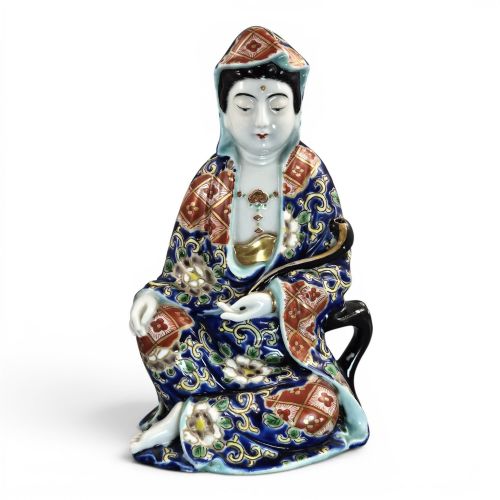
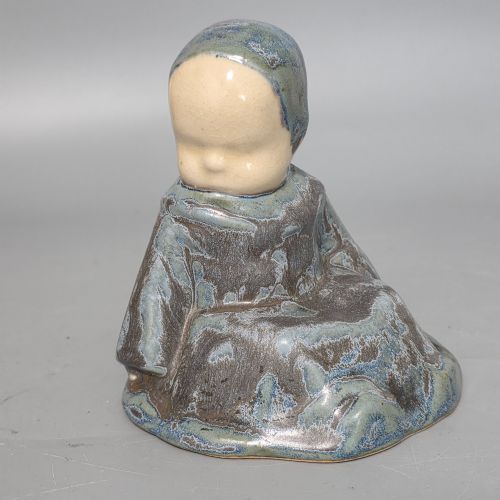
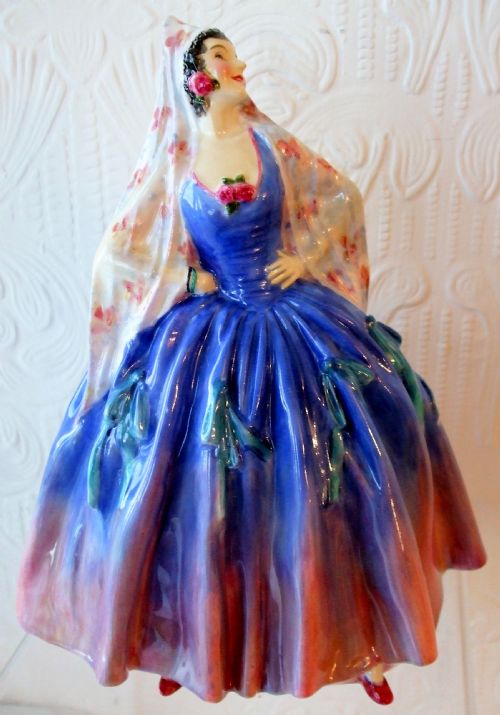
A blue glazed ceramic figure brings depth and character to a room, offering rich cobalt and turquoise tones modelled into spirited portraits, animals and mythological subjects.
Blue Glazed Ceramic Figure
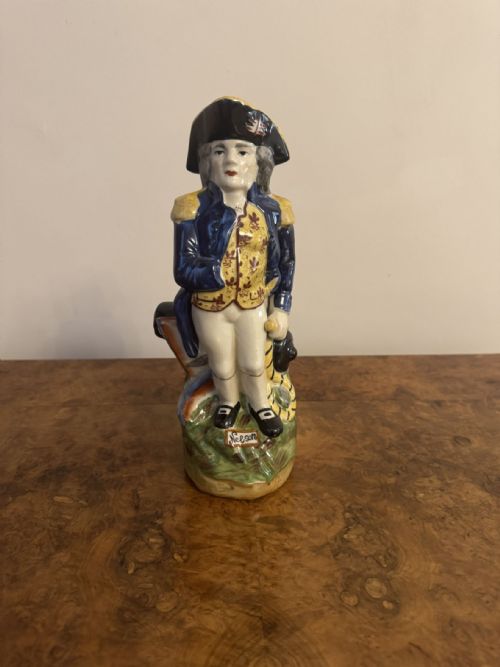
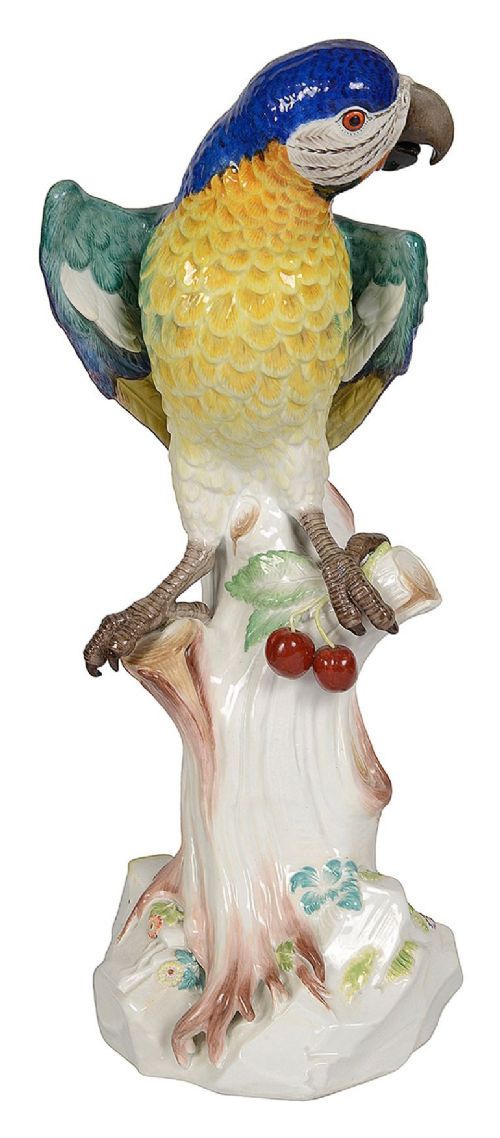
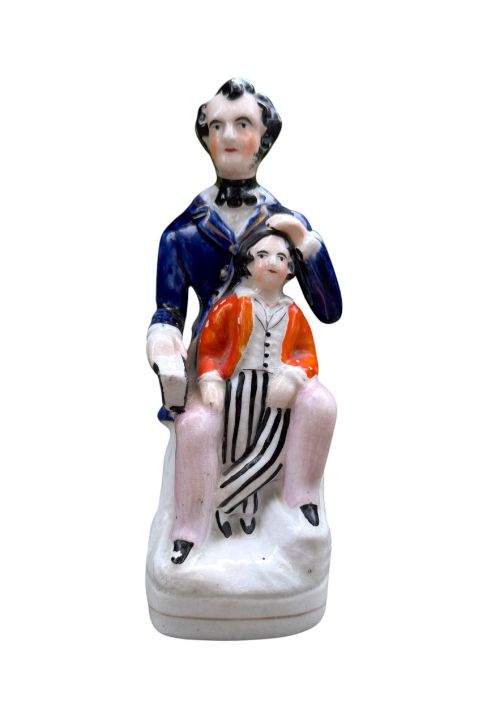
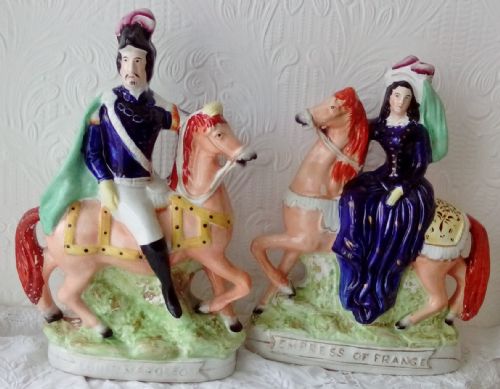
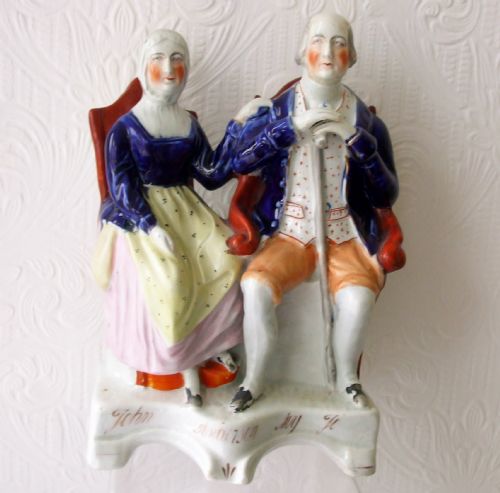
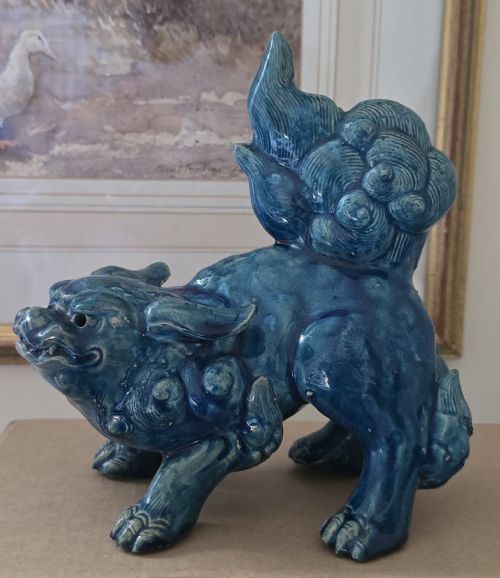
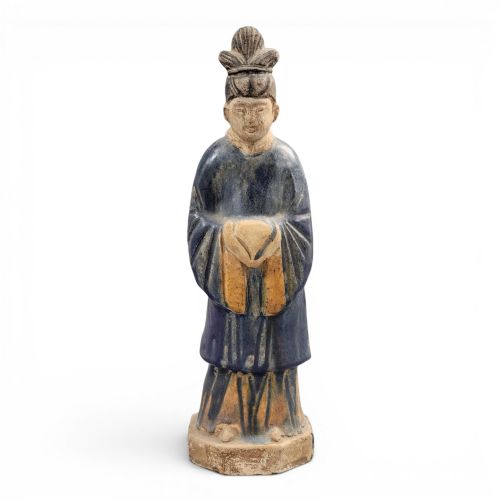
When you search for a blue glazed ceramic figure, you encounter sculptural works spanning the eighteenth century through the art deco era, executed across English, European and Asian potteries. The pieces range from Victorian Staffordshire portrait groups and flatbacks to Japanese Meiji period shishi lions and Chinese glazed earthenware funerary attendants.
The domestic English examples most frequently met on this page include nineteenth-century earthenware figures of historical personages, animals and spill vases, often finished with cobalt highlights or rich lead glazes. Alongside these sit continental stonewares, French stonewares from Quimper, and distinct Asian ceramics featuring turquoise and flambé blue surfaces.
How they were made
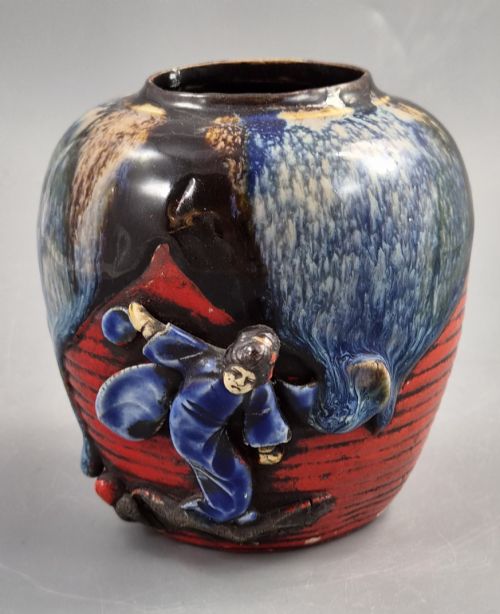
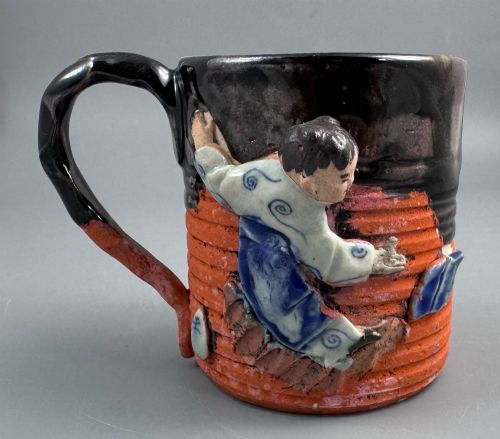
Makers shaped these objects using earthenware, porcelain, stoneware or faience, often moulding the body before applying enamel details, gold leaf or heavy fluid glazes. Japanese and Chinese works frequently utilise rich turquoise, cobalt or flamboyant glazes that pool thickly around applied figures and carved details.
English Staffordshire and European potteries relied on slip-casting or pressing clay into moulds, followed by hand-painting underglaze blues and surface enamels before firing in traditional kilns. The interaction between the liquid glaze and the underlying ceramic body creates the characteristic pooling, crackle and depth visible across these periods.
Nineteenth-century potters immortalised contemporary royal scandals, domestic pets and even famous court courtesans in glossy blue glazes.
What varies in quality
Quality rests upon the crispness of the modelling, the dexterity of the hand-painting, and the stability of the glaze during the firing process. Superior examples display sharply defined facial expressions, secure application of applied elements like foliage or robes, and an even distribution of colour without excessive pooling or dull dry patches.
The depth and brilliance of the blue glaze distinguish finer works from standard commercial output, particularly in how light interacts with the glossy surface. Furthermore, the originality of the enamel colours and the preservation of any accompanying gold leaf dictate the overall aesthetic success of the piece.
Meissen·Royal Doulton·Kinkozan·Bloor Derby·Vion and Baury
The Blue Glazed Ceramic Figure Glossary
- Flatback
- A ceramic figure designed with an unadorned, flat rear side meant to stand flush against a mantelpiece or wall.
- Spill vase
- A hollow cylindrical holder incorporated into a ceramic figure, designed to hold taper splints used for lighting pipes or candles.
- Flambé glaze
- A striking, variegated ceramic surface glaze created by high-temperature kiln reactions that produce streaked blues, purples and reds.
- Sancai
- A traditional Chinese three-colour lead glaze technique, frequently encompassing amber, green and creamy white or blue tones.
- Moriage
- A Japanese ceramic decorating technique where slip is piped onto the surface in raised dots or lines to create textured, tactile designs.
Blue Glazed Ceramic Figure: Frequently Asked Questions
What are blue glazed ceramic figures?
These sculptural objects encompass earthenware, stoneware and porcelain pieces shaped into human, animal or mythical forms, finished with distinctive blue lead, turquoise or cobalt glazes.
They reflect the diverse stylistic traditions of European potteries and Asian kilns over several centuries.
How were they used historically?
Many served as mantelpiece ornaments, commemorative portraits of royalty and statesmen, or decorative elements on household furniture during the Victorian era and earlier.
Some specialised forms, such as spill vases and quill holders, combined decorative sculptural appeal with practical daily utility.
How do I care for these ceramics?
Keep them away from direct sunlight to protect surface enamels and gently dust them with a soft, dry brush.
Avoid using water, chemical cleaners or abrasive cloths, particularly on pieces with delicate gold leaf or overglaze enamel painting.
How do I identify Victorian pieces?
Victorian examples in this category typically feature earthenware bodies with hand-painted underglaze blue details, flat backs and subjects related to contemporary politics or folklore.
Examining the weight, crazing of the glaze and the style of the base provides further clues to their nineteenth-century origins.