
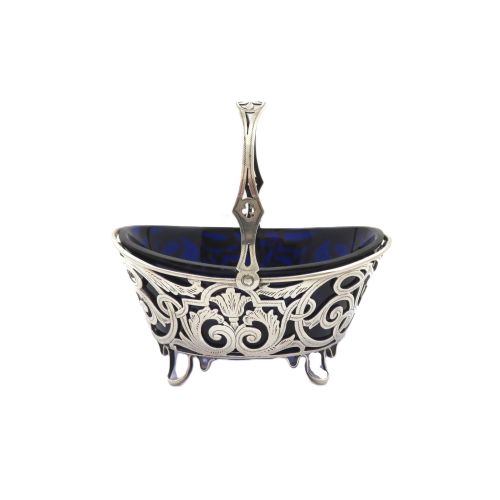
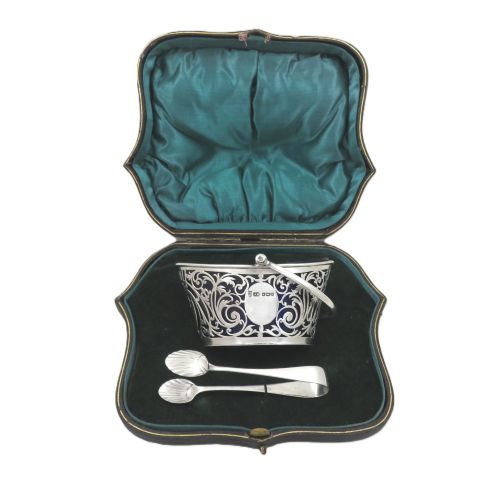
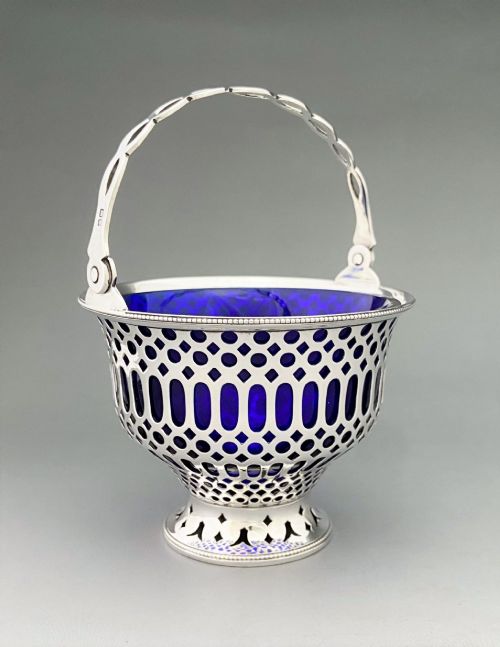


Blue Glass Sweetmeat Dish
A blue glass sweetmeat dish brings brilliant colour and refined form to the table, offering a striking display for confections and small treats.
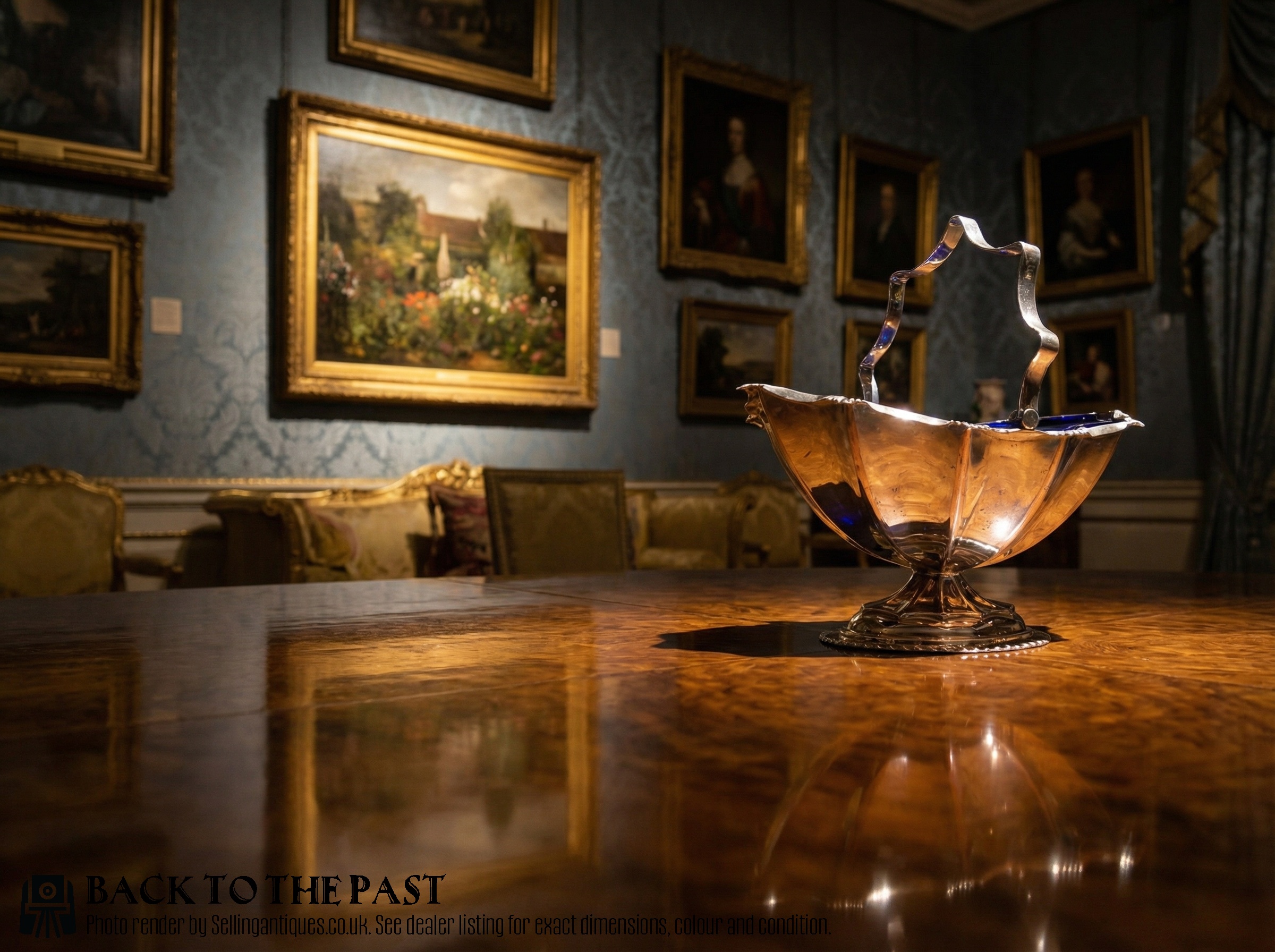
Blue Glass Sweetmeat Dish
A blue glass sweetmeat dish encompasses tableware designed for preserves, nuts and sugary treats, often appearing alongside related forms such as sugar baskets and bonbon dishes. When you search for a blue glass sweetmeat dish, you encounter items intended to hold delicacies for guests during formal dining.
The selections span several eras, including the eighteenth century, Victorian period, Edwardian era and Art Deco years. Common variations feature blue glass paired with sterling silver mountings, swing handles or protective cases.
How they were made
Makers utilised molten glass techniques, blowing or pressing the material into moulds to achieve rich blue tones and varied textures. Latticinio styles incorporate white glass canes within the clear or tinted metal, creating intricate linear patterns.
Metalwork involved sterling silver, shaped through casting, piercing and silversmithing to construct swing handles, frames and protective cases. Liners and glass inserts were then fitted precisely into their metal armatures.
Current listings feature items from the eighteenth century through to the nineteen-thirties, using glass, sterling silver and frosted finishes.
What varies in quality
The sophistication of the metal mountings dictates much of the distinction, separating simple rims from heavily pierced silver frames with cast floral details. Heavy sterling silver swing handles and fitted cases demonstrate higher craftsmanship.
The clarity and depth of the glass itself mark the division between standard production and exceptional studio work. Smooth pressed forms differ significantly from delicate hand-blown latticinio canes and finely finished rims.
Baccarat
The Blue Glass Sweetmeat Dish Glossary
- Sweetmeat dish
- A small tableware vessel designed for serving sugary confections, nuts and preserved fruits. These pieces often feature glass bowls supported by metal stands or baskets.
- Latticinio glass
- A decorative technique employing opaque white glass threads or canes embedded within clear or coloured glass. This method creates delicate mesh or ribbon patterns across the vessel.
- Cobalt glass
- A deep blue coloured glass produced by adding cobalt oxide to the molten batch during manufacturing. This intense pigment remains a hallmark of vibrant nineteenth-century tableware.
- Swing handle
- A movable arched metal handle attached to the sides of a basket or bowl via pivot joints. It allows the handle to lie flat or stand upright for serving.
- Sugar basket
- An openwork or solid container used for holding lump sugar on the dining table. They frequently include removable glass liners to protect the metal from moisture.
Blue Glass Sweetmeat Dish: Frequently Asked Questions
What is a sweetmeat dish used for?
These dishes held small confections, dried fruits, nuts and preserves during formal meals and gatherings. Hosts placed them centrally on the table for guests to help themselves.
Over time, their decorative appeal surpassed their dining function, leading to display in cabinets and on sideboards.
How do I date a blue glass dish?
Dating relies on the style of the metal mountings, hallmark stamps on the silver and manufacturing techniques visible in the glass. Georgian and Victorian pieces often show distinct hand-finished silver piercing and heavier bases.
Later Edwardian and Art Deco examples adopt sleeker profiles, moulded designs or frosted finishes characteristic of twentieth-century production.
Are the glass liners removable?
Many silver-cased baskets feature removable glass inserts designed to lift out for easy cleaning after use. The metal frame supports the glass vessel securely while allowing safe removal.
Checking for a snug fit ensures the liner matches the original mount without excessive movement.
How do I care for silver and glass?
Wash the glass gently in warm soapy water using a soft cloth, avoiding harsh abrasives that might scratch the surface. Polish the sterling silver components separately with a dedicated silver cloth to maintain their lustre.
Keep pieces away from extreme temperature changes to protect older glass structures.