


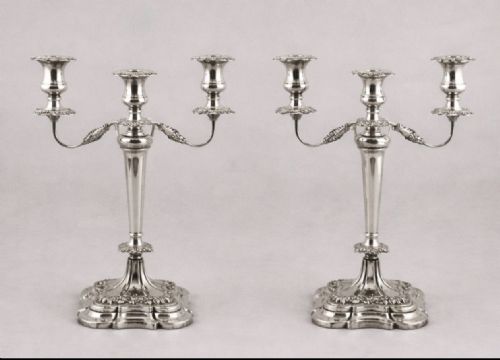

Tabletop Silver Centrepiece
These tabletop silver centrepiece displays bring height and focus to a dining room, combining metals and glass to anchor the room.
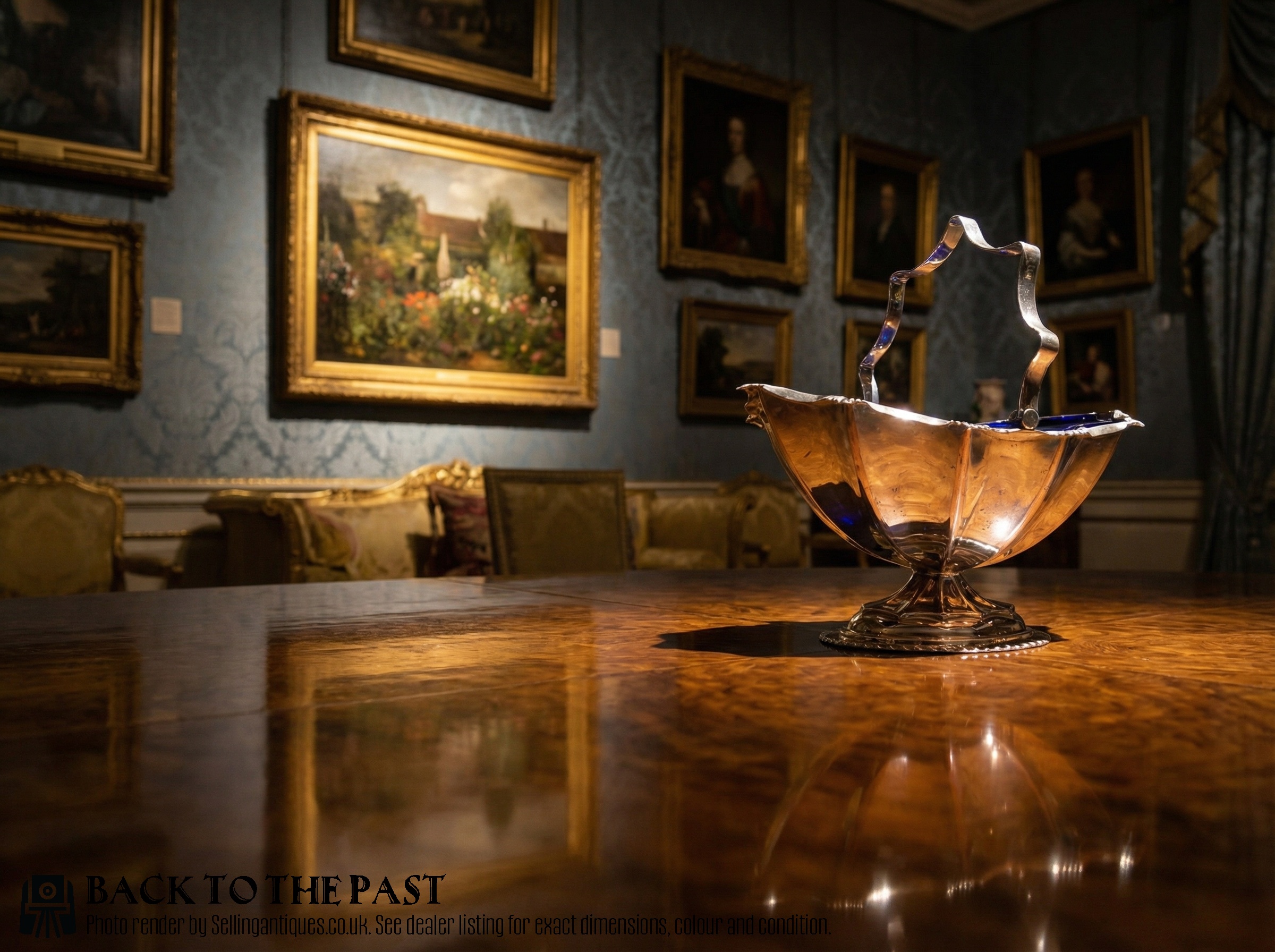
Tabletop Silver Centrepiece
A tabletop silver centrepiece gathers dining table ornaments into a singular display, ranging from tall epergnes to low branching candelabra. Buyers searching for a tabletop silver centrepiece will find pieces spanning the Victorian, Edwardian, and mid-twentieth-century periods.
Victorian and Edwardian items display ornate or floral flourishes, while nineteen-thirties pieces lean towards cleaner geometric lines. One is most likely to encounter silver plated candelabra and coasters across these various eras.
Materials and construction
Silversmiths utilised sterling silver or applied silver plate and Old Sheffield Plate over base metals like copper and nickel silver. Heavier structural bases often incorporated wood for stability, particularly in large coasters and planter stands.
Decorative elements frequently integrated cut glass bowls or fitted Royal Worcester porcelain pots held within metal frames. Manufacturing techniques combined cast structural branches with hand-fluted or chased details on the surfaces.
Some silver flower stands come with their original Royal Worcester pots, proving that even dining tables enjoyed high-fashion pottery.
Distinctions in quality
Quality rests in the crispness of the chased decoration and the substantial weight of the silver or plated metal. Heavier gauges of silver plate resist wear better over time, maintaining the integrity of the underlying base metal.
The integration of secondary materials like cut glass or porcelain determines the refinement of the piece. Intact, original fittings and matched components elevate an item above composite or altered assemblies.
Barker Ellis
The Tabletop Silver Centrepiece Glossary
- Candelabra
- A branched candlestick holding multiple candles on a single base. These provide balanced illumination across a dining table.
- Epergne
- An ornamental centrepiece featuring a central basket with smaller hanging baskets or dishes. They were traditionally used for serving fruit, sweets, or displaying cut flowers.
- Cruet set
- A matched group of bottles or containers for condiments held in a metal stand. They sit centrally on the table for easy access during meals.
- Old Sheffield Plate
- A precursor to electroplating created by fusing a thin layer of sterling silver to a thicker copper core. This technique leaves a distinctive edge where the metals join.
- Silver plate
- A thin layer of pure silver bonded to a base metal such as nickel silver. It offers the visual appearance of solid silver at a different scale of production.
Tabletop Silver Centrepiece: Frequently Asked Questions
What is a tabletop silver centrepiece?
A tabletop silver centrepiece is an ornamental dining table display made from silver or silver plate. These items include candelabra, epergnes, and cruet sets.
They serve as the visual anchor for a dining room or sideboard. Different periods introduced specific forms to suit contemporary dining fashions.
How do I clean my silver centrepiece?
Cleaning requires a soft cloth and a gentle silver polish formulated for plated or solid surfaces. Avoid abrasive cleaners that strip thin layers of silver plate.
For pieces combined with glass or porcelain, remove those components before polishing the metal. Regular dusting prevents tarnish buildup in ornate crevices.
How do I identify Victorian pieces?
Victorian pieces typically display heavy ornamentation, floral motifs, and Gothic influences. The forms tend to be more elaborate than later Edwardian designs.
Maker marks and registry numbers stamped on the metal often help narrow down the decade of production. Stylistic heaviness distinguishes these from mid-century items.