
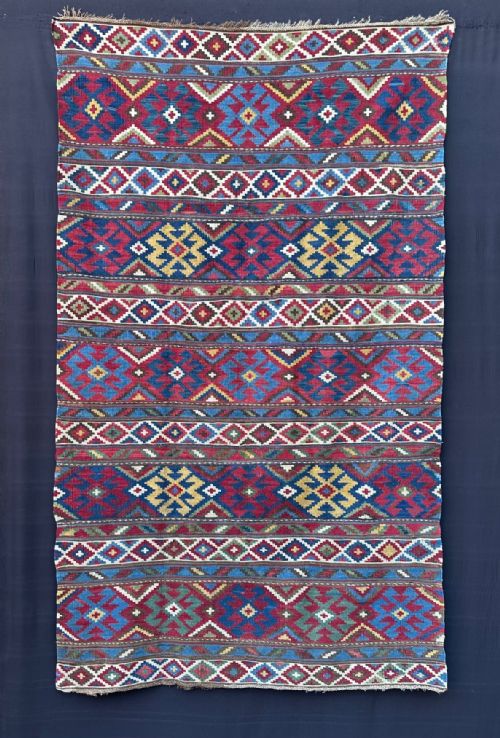





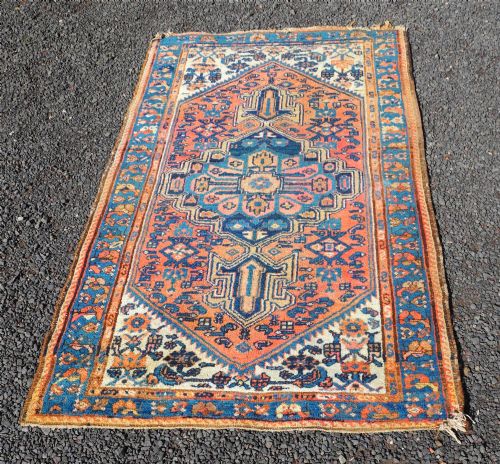
Blue Geometric Wool Carpet
A blue geometric wool carpet brings warmth and structure to a room through traditional patterns.
Blue Geometric Wool Carpet
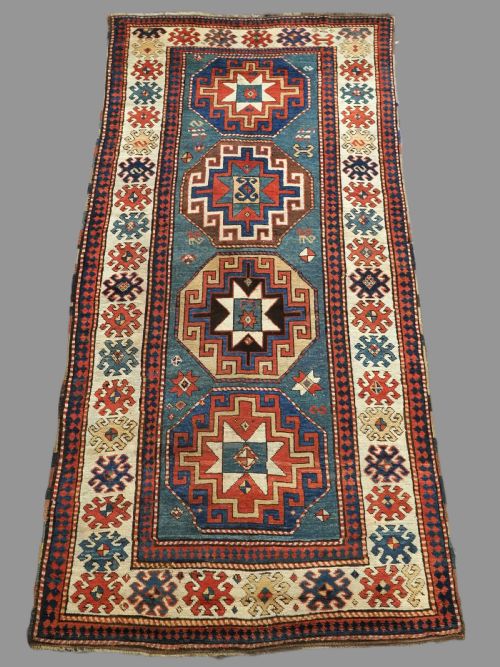
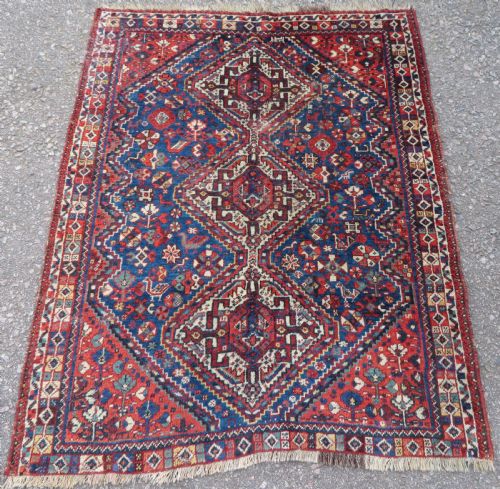
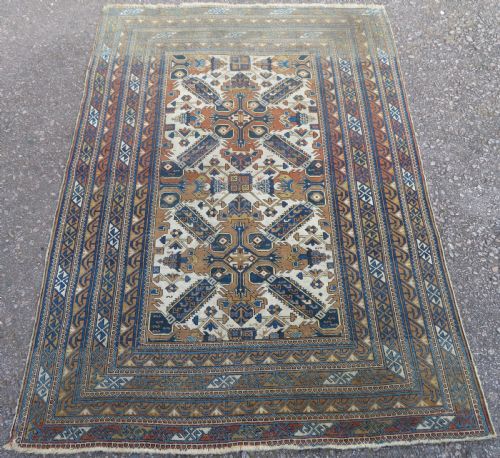
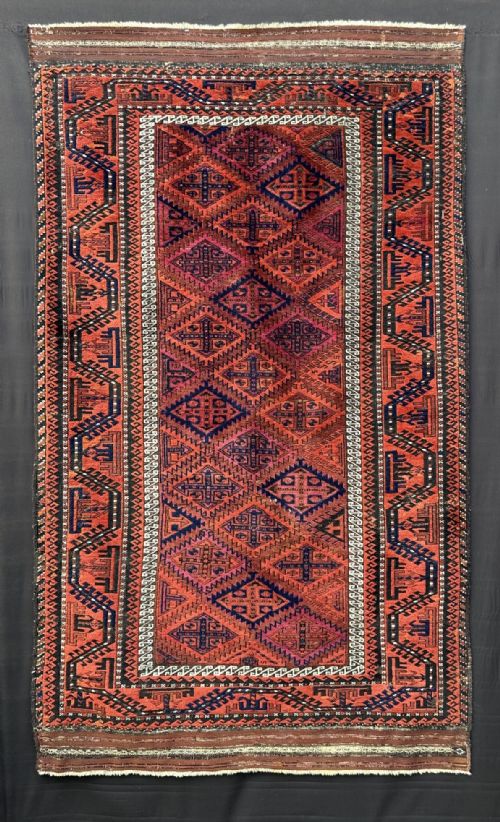
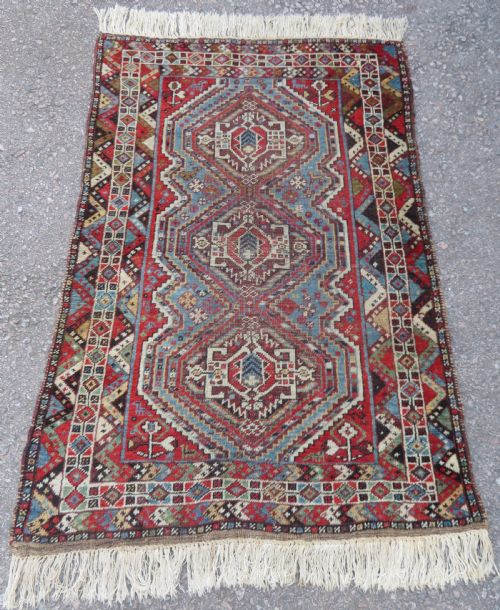
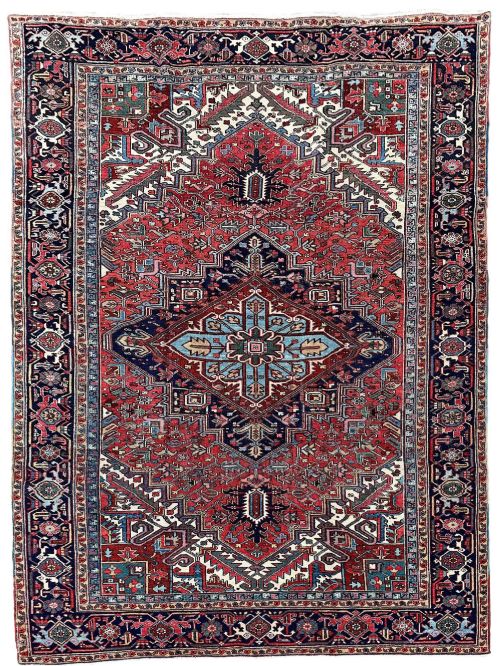
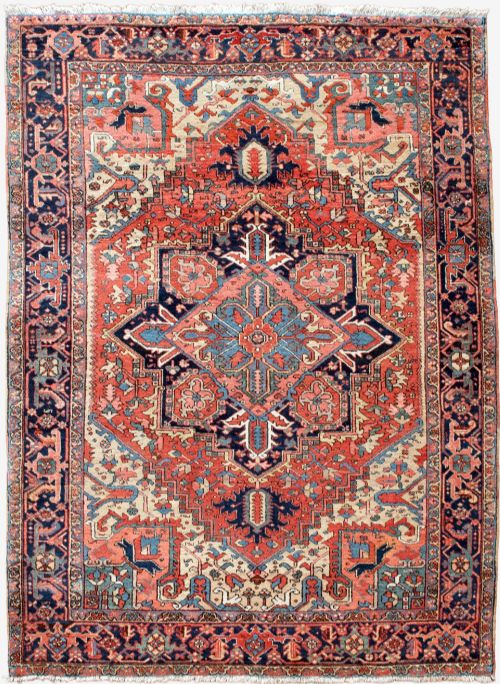
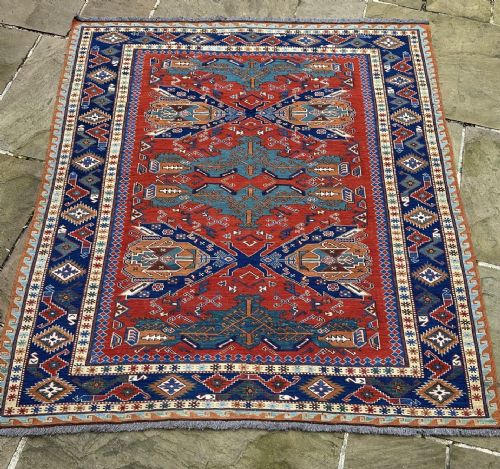
When someone searches for a blue geometric wool carpet, they encounter floor coverings originating from Persia, the Caucasus and Anatolia, dating from the nineteenth century into the mid twentieth century. These pieces encompass rugs, runners and large carpets featuring tribal and traditional regional designs.
The version most commonly met on this page is the room-sized Heriz carpet or the smaller Caucasian Kazak rug, woven with distinct rectilinear motifs. These items combine wool pile with durable cotton foundations, reflecting centuries of weaving traditions across regions such as Shirvan, Khamseh and Hamadan.
How they were made
Weavers constructed these pieces using hand-spun wool and natural dyes, knotting the pile tightly by hand onto cotton or wool warp and weft foundations. This method produced a dense, resilient textile capable of withstanding heavy daily use.
The geometric patterns relied on counted knot techniques, resulting in crisp angles and repeating medallions. Natural dye sources yielded the deep blues and contrasting tones seen across the regional styles.
Some runners are so long they could easily double as a red carpet for a very short, very woolly royalty.
What varies in quality
The finest examples display exceptional knot density and precise execution of intricate geometric layouts, distinguishing them from simpler or coarser village productions. Superior wool selection gives top-tier pieces a softer handle and greater resilience.
Design complexity and colour saturation also set pieces apart, where skilled deployment of natural dyes creates subtle abrash and depth across the field. The overall balance of proportion and scale elevates certain regional carpets above standard utility items.
The Blue Geometric Wool Carpet Glossary
- Abrash
- Variation in colour depth caused by differences in dye batches or wool lots within a single carpet. This tonal shifting is typical of hand-dyed natural textiles.
- Warp
- The vertical foundation threads stretched tightly on the loom before weaving begins. The pile knots are tied around these stationary strands.
- Weft
- The horizontal threads passed alternately over and under the warp strands after each row of knots. This locks the pile firmly into place.
- Medallion
- A central ornamental motif positioned in the middle of the carpet field. Geometric versions often feature sharp, angular polygons.
- Runner
- A long, narrow carpet format designed primarily for hallways, corridors or staircases. These pieces measure significantly longer than they are wide.
Blue Geometric Wool Carpet: Frequently Asked Questions
How do I clean an antique wool carpet?
Professional specialist cleaning is essential for maintaining natural wool pile and traditional dyes without causing fibre damage.
Regular gentle vacuuming without a beater bar removes surface grit between deep washes.
Where were these geometric carpets made?
Production centres span traditional weaving regions including Persia, the Caucasus and Anatolia.
Local tribes and village communities developed distinct regional motifs that identify each piece's origin.
How do I date a woven rug?
Dating relies on examining material composition, dye types, knot structure and stylistic characteristics.
Chemical dyes and synthetic cotton foundations generally point towards twentieth-century production.
Are these carpets suitable for heavy traffic?
Hand-knotted wool construction on sturdy foundations provides natural durability for busy household areas.
Using an appropriate underlay prevents slippage and reduces friction against hard flooring.