

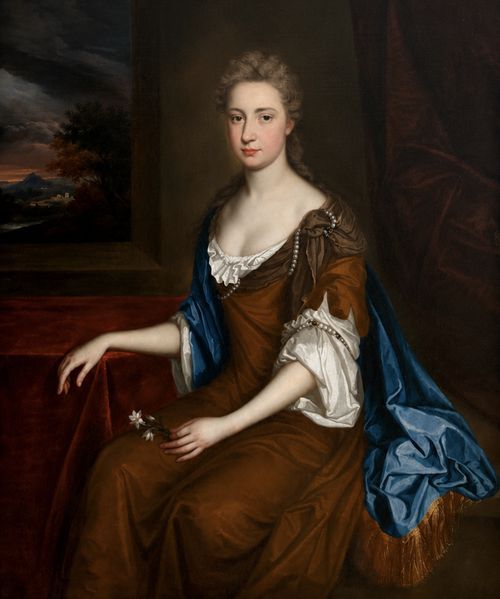
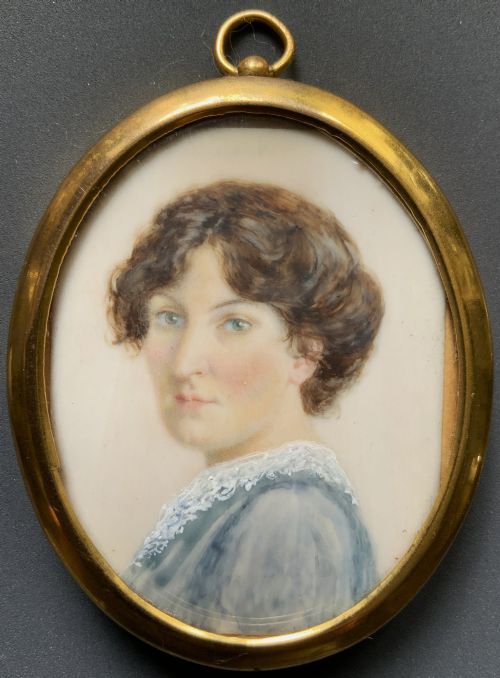
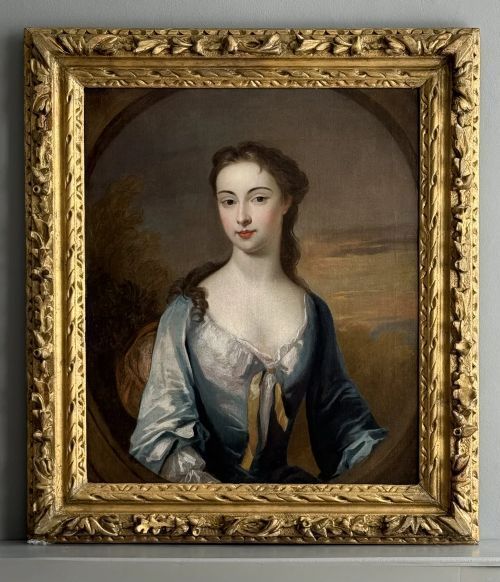
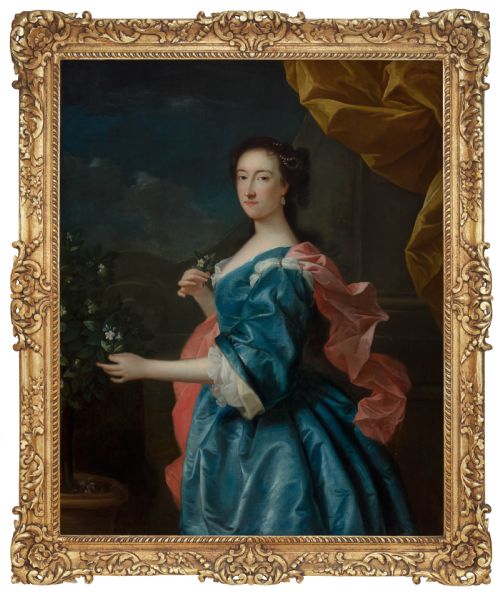
Blue Dress Portrait Painting
A blue dress portrait painting captures the distinct pigment of lapis or indigo silk upon canvas, wood, or paper across centuries of fine art.
Blue Dress Portrait Painting
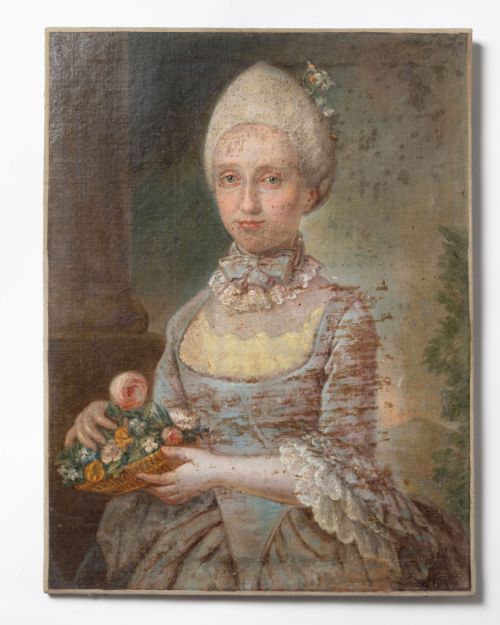
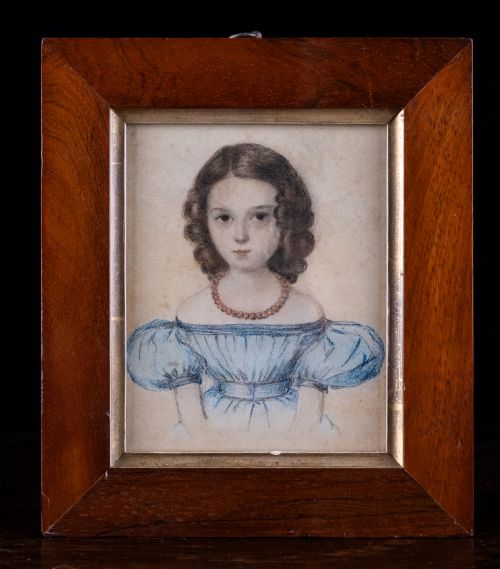
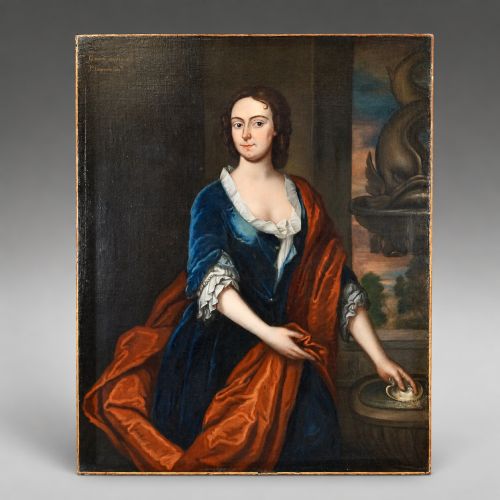
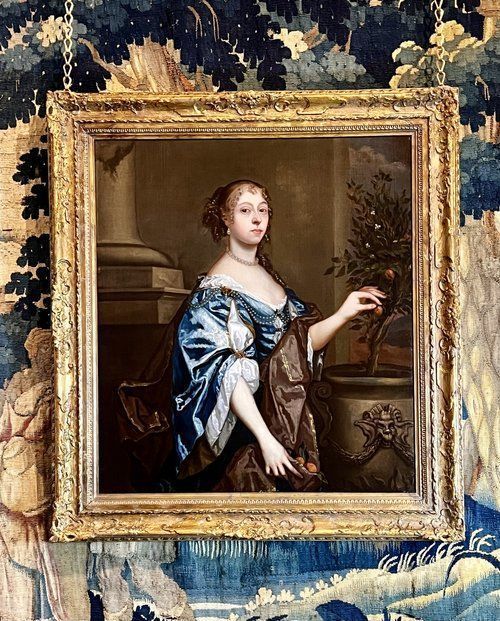
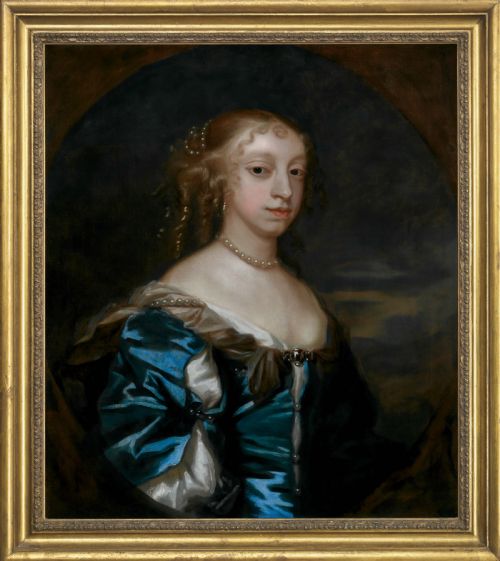
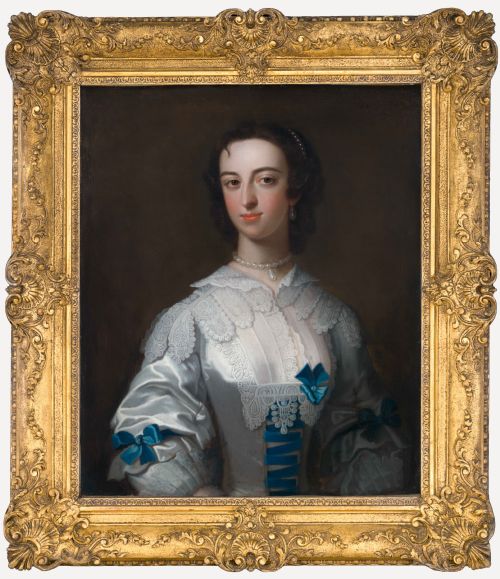
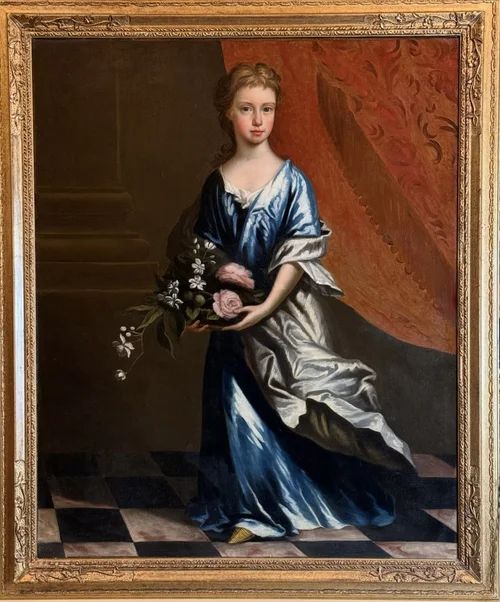
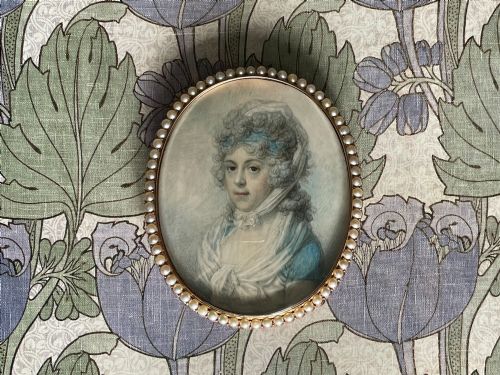
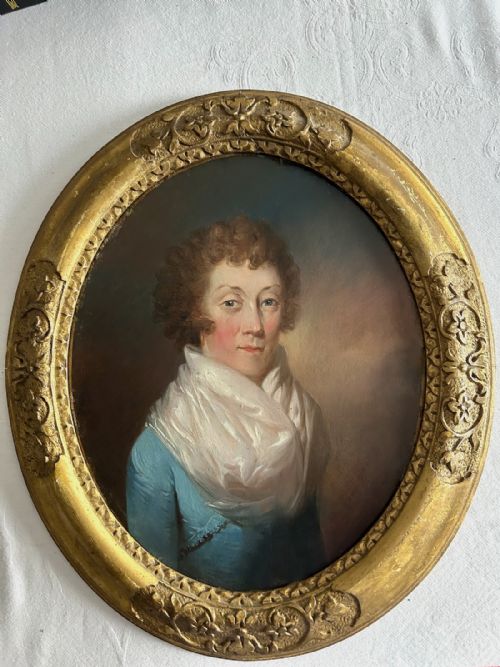
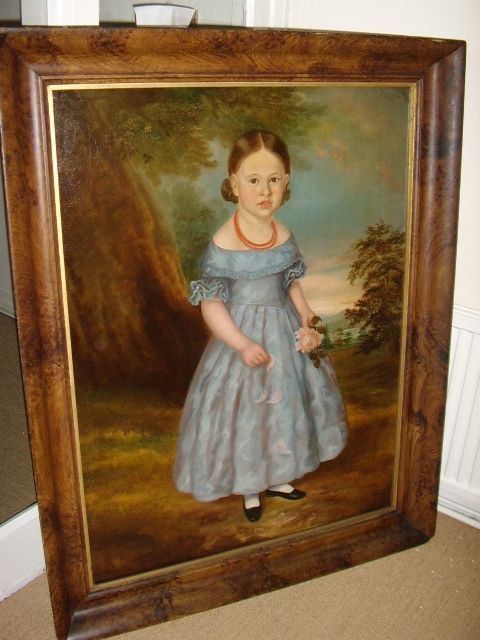
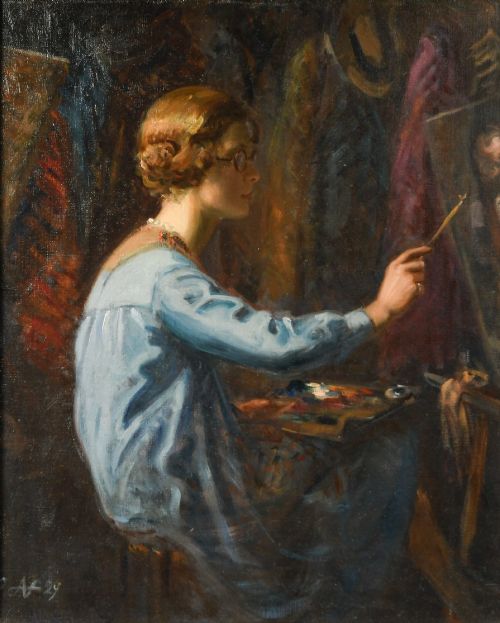
A blue dress portrait painting shows subjects adorned in striking azure garments, ranging from formal 17th-century oils to intimate 19th-century watercolours. These artworks capture aristocratic sitters and young girls alike, dressed in garments rendered with careful attention to textile and tone.
The selections available here lean heavily towards British and European portraiture from the seventeenth through to the early twentieth century. Canvas and panel works dominate the selection, alongside delicate watercolours, pastels, and miniature paintings on glass or paper.
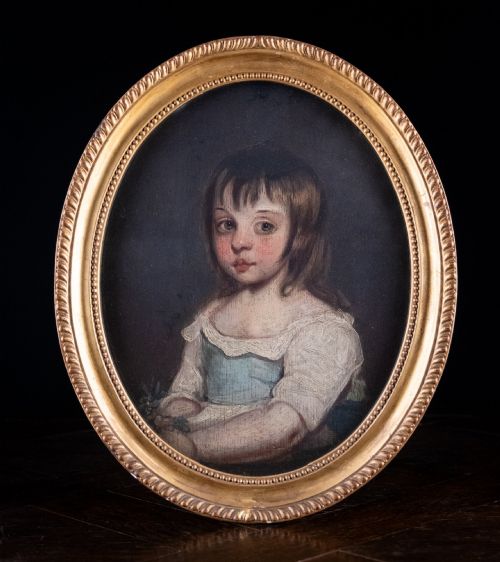
Buyers encounter grand oil paintings depicting historical noblewomen alongside more modest depictions of children and country girls. Each piece offers a window into past portraiture traditions where blue pigments denoted status or simply the height of fashion.
Materials and technique
Artists painted primarily with oil on canvas or wood panel, building rich layers of colour to render the heavy folds of silk, velvet, and satin. Watercolour and pastel on paper also appear, offering a lighter touch for miniature and portrait studies.
Substrates varied according to scale, with larger works supported by timber stretchers or zinc panels, while miniatures utilised glass, ivory, or card. Guilded frames of wood often complete the construction, housing the painted surface securely.
Blue Dress Portrait Painting Retail Price Guide 2026
Typical asking prices for blue dress portrait painting among the pieces listed under this phrase on Sellingantiques today, from the lower quarter to the upper quarter. They describe what is for sale here now, not the wider market.
Listings feature works spanning the 17th, 18th, 19th, and 20th centuries, executed in oil, watercolour, pastel, and silhouette on glass or paper.
Judging quality
Quality rests upon the confidence of the brushwork and the anatomical accuracy of the sitter's hands, face, and drapery. Skilled hands render the luminous quality of blue fabric with subtle depth, whereas lesser works treat garments as flat masses of colour.
The preservation of the original paint layer and the character of the associated frame influence the standing of a piece. Works retaining their historical surface without heavy overpainting command greater respect among collectors.
Charles Jervas·Jeremiah Davison·Pieter Borsseler·Richard Cosway·John Riley·John Closterman·Henry Pickering·Daniel Pasmore·Benedetto Luti
The Blue Dress Portrait Painting Glossary
- Oil on canvas
- Pigment suspended in drying oil applied to a woven fabric support stretched across a wooden frame. This method allows for rich blending and deep colour saturation.
- Portrait miniature
- A small, highly detailed painting executed on a delicate surface such as ivory, vellum, card, or glass. These portable artworks were often kept in protective cases or worn as lockets.
- Panel painting
- An artwork created on a flat piece of wood rather than stretched fabric. Wooden supports were common in earlier centuries before canvas became the dominant medium.
- Pastel
- A dry drawing medium composed of powdered pigment and a binder rolled into sticks. Artists applied it to paper to achieve velvety textures and soft gradations of tone.
- Gilded frame
- A wooden housing treated with a thin layer of gold leaf or metallic powder. These surrounds enhanced the visual presence of formal portraits.
Blue Dress Portrait Painting: Frequently Asked Questions
What periods do these portraits cover?
The works span from the seventeenth century through the Victorian era and into the mid-twentieth century. Early examples often depict aristocracy, while later pieces include Regency and Edwardian subjects.
Browsing the selection reveals shifts in clothing styles, from stiff 17th-century bodices to soft 19th-century silks and modern pastels.
Are all the subjects nobility?
While many sitters held titles such as duchess or countess, the genre also encompasses country girls, children, and self-portraits by artists at the easel. Sitters range from named historical figures to anonymous individuals.
This variety reflects the wider social scope of portrait painting as patronage shifted across the centuries.
What mediums besides oil are used?
Artists worked in watercolour, pastel, and silhouette painted directly on glass. Supports varied from traditional canvas to wood panels, zinc panels, paper, and card.
Miniatures introduced specialised surfaces like glass and ivory, requiring distinct techniques to capture fine facial details.