
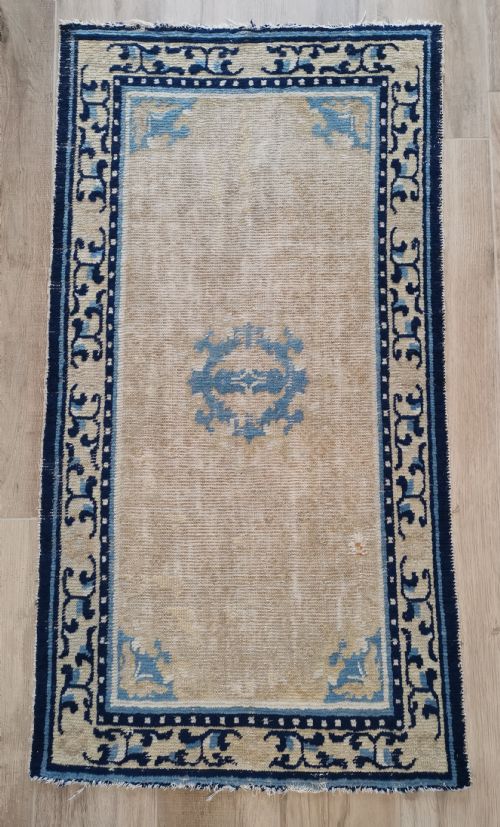
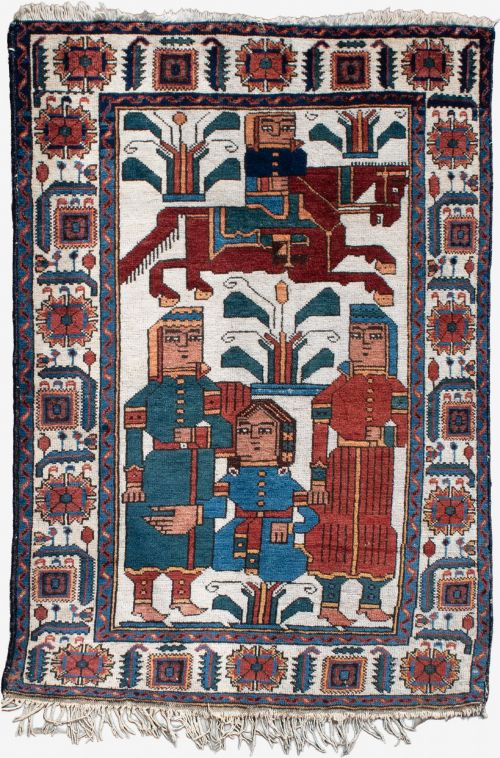
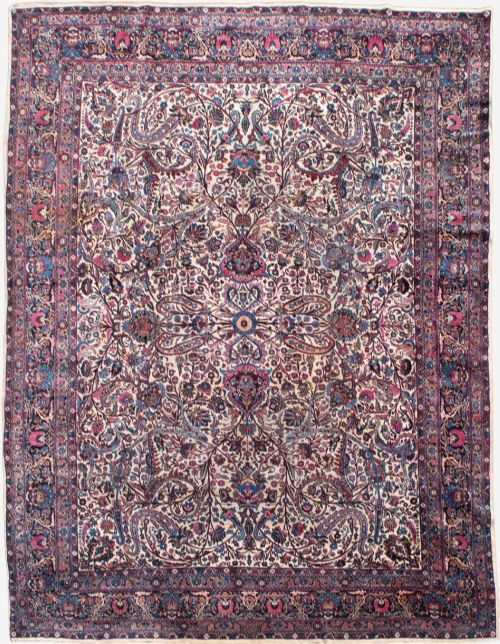
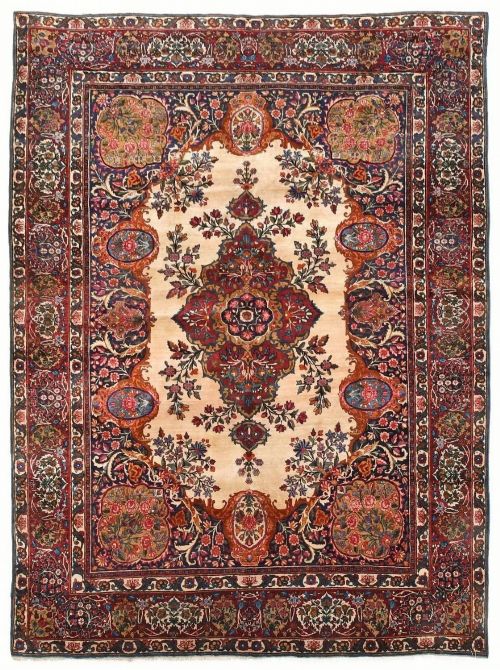
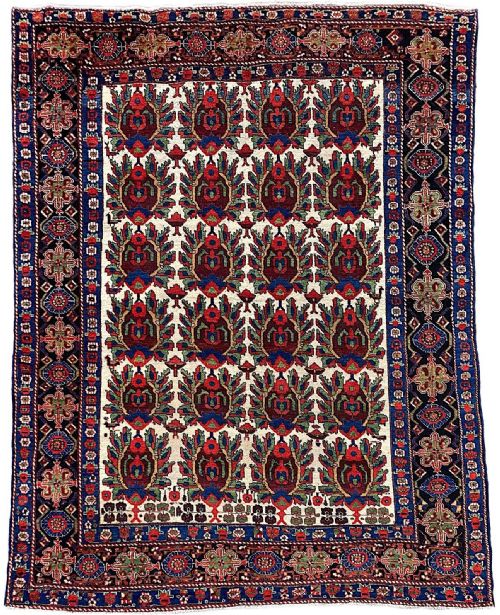

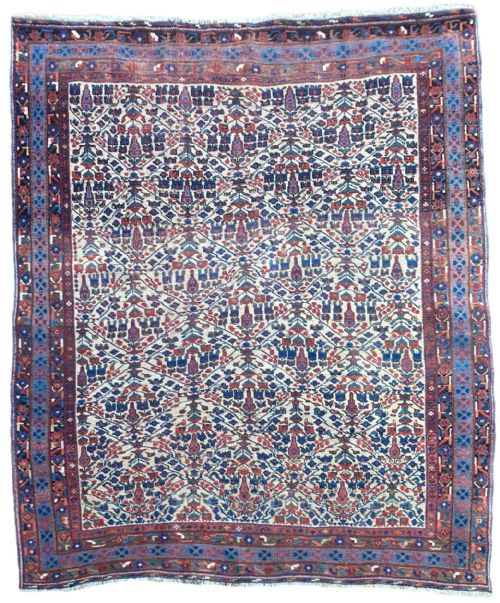


Blue Cream Wool Rug
These woven floor coverings bring distinct Persian and regional styles into a room, offering durability and heritage through traditional hand-knotting.
Blue Cream Wool Rug
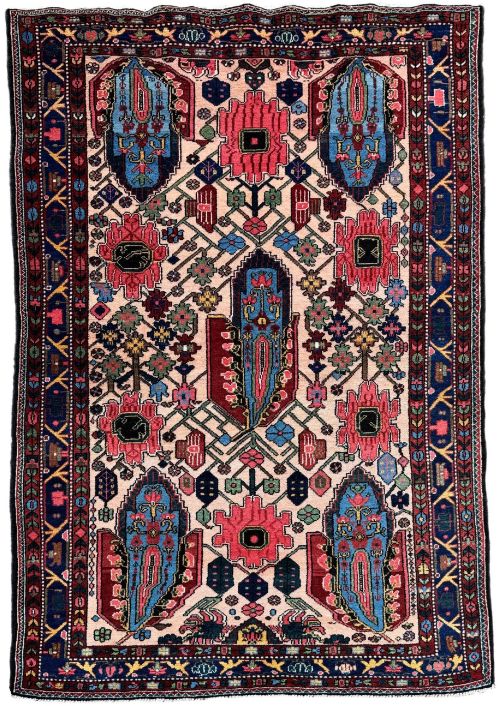
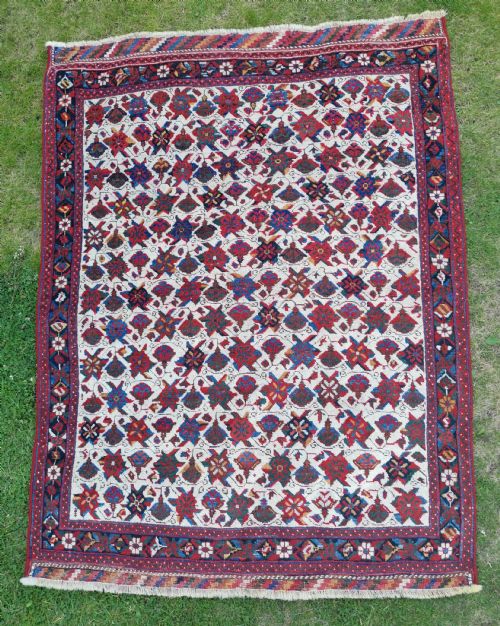
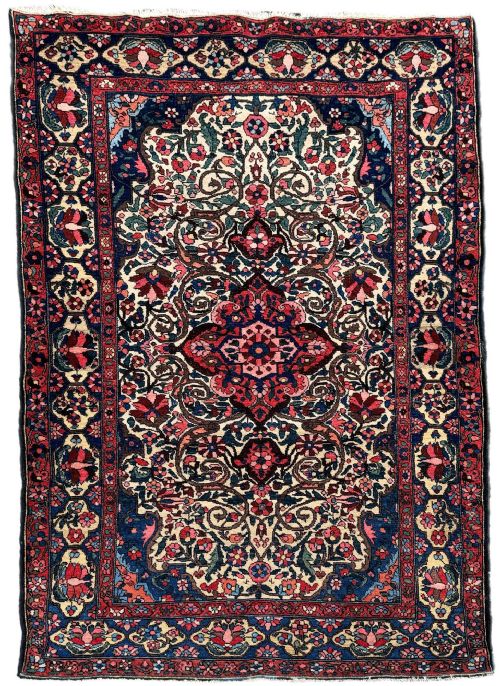
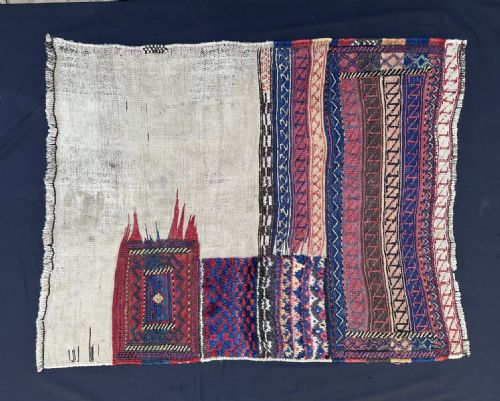
A blue cream wool rug brings traditional Persian and regional weaving traditions into a domestic space, often taking the form of area rugs, room-size carpets, or narrow runners. These floor coverings emerge from various tribal and urban workshops across Persia, Anatolia, and China, spanning the nineteenth and early twentieth centuries.
Buyers frequently encounter room-size Kirman carpets alongside smaller tribal pieces originating from Bakhtiar, Afshar, and Tabriz workshops. The inventory spans compact prayer rugs and corridor carpets to larger room-sized formats, reflecting diverse regional aesthetics and utilitarian textile forms.
How they were made
Weavers utilise wool, hand-spun wool, cotton, silk, and goat hair to construct these textiles, often employing natural dyes to achieve deep colour palettes. Foundation threads typically consist of cotton or wool, onto which individual knots are secured by hand.
Tribal and urban workshops apply distinct looping and knotting techniques, sometimes incorporating supplementary materials such as silk highlights or resilient goat hair for reinforced selvedges.
Listings feature wool, cotton, and silk materials spanning the nineteenth and early twentieth centuries across Persian and Chinese origins.
What varies in quality
Knot density and the precision of the underlying foundation dictate the structural integrity of each textile, influencing how the surface handles daily foot traffic. Higher knot counts permit finer graphic definition within intricate medallion and floral motifs.
The source and preparation of the dyeing materials dictate the depth and longevity of the palette. Natural dyes yield subtle tonal variations that age gracefully, whereas the consistency of the wool fibre itself determines the tactile softness and resilience of the pile.
Mohtasham Kashan·Chahar Mahal Valley
The Blue Cream Wool Rug Glossary
- Pile
- The vertical or slanted upright yarn loops that form the usable surface of a rug. This upper layer provides the soft texture and absorbs the majority of wear.
- Warp
- The stationary longitudinal threads stretched tightly on the loom before weaving begins. These parallel strands form the structural skeleton of the textile.
- Weft
- The horizontal threads passed across and interlaced through the warp threads to secure the knots in place. They hold the structural grid rigid after each row of knots.
- Selvedge
- The finished, reinforced side edges of a rug. This boundary protects the outermost warp threads from fraying and unravelling.
- Medallion
- A large, symmetrical central ornamentation motif placed in the middle of the field. It serves as the primary focal point of the overall design composition.
Blue Cream Wool Rug: Frequently Asked Questions
Where should I place a room size carpet?
Room-size carpets anchor primary living areas, dining spaces, or bedrooms by unifying surrounding furniture arrangements. Placing them centrally allows the primary medallion and border details to remain visible.
Ensure the space receives indirect sunlight to prevent uneven fading of natural dyes over time. Using an appropriate underlay pad prevents slipping and reduces friction between the foundation and the floor.
How do I tell tribal rugs from city carpets?
Tribal rugs typically display geometric patterns, asymmetrical motifs, and spontaneous colour shifts reflecting nomadic traditions. Their construction often incorporates coarser wool and irregular dimensions.
City carpets feature refined floral curves, precise symmetrical medallions, and consistent knot densities. These urban pieces usually utilise finer cotton foundations and standardised workshop formats.
What is a prayer rug used for?
Prayer rugs feature a distinct architectural niche design, known as a mihrab, pointing toward Mecca during daily devotions. Their compact dimensions made them portable for individual daily use.
Over time, collectors have prized these smaller formats for their focused iconographic designs and fine craftsmanship. They function well in smaller spaces as decorative accent pieces.