



Blue Ceramic Trinket Dish
A blue ceramic trinket dish keeps small valuables secure while adding a concise splash of colour to a dressing table.
Blue Ceramic Trinket Dish
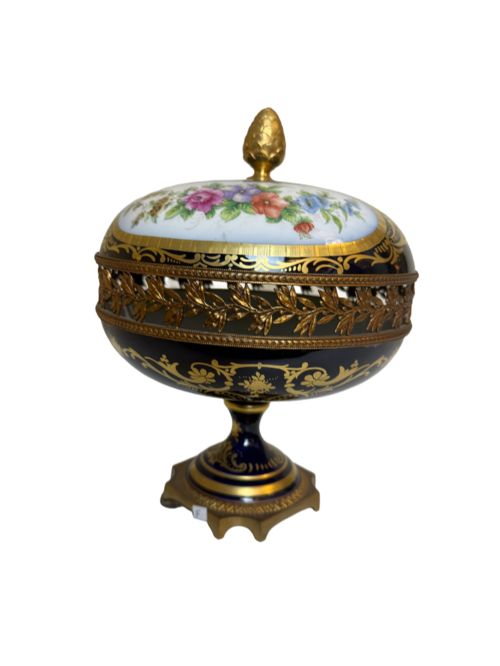
A blue ceramic trinket dish serves as a small vessel for holding rings, pins, and small keepsakes on a dressing table or desk. When searching for a blue ceramic trinket dish, buyers encounter various forms including pin trays, lidded boxes, powder bowls, and small decorative plates.
The selections span multiple periods, most notably the nineteenth century, alongside later twentieth-century iterations such as Art Deco powder boxes. Materials range widely across porcelain, earthenware, stoneware, and pearlware.
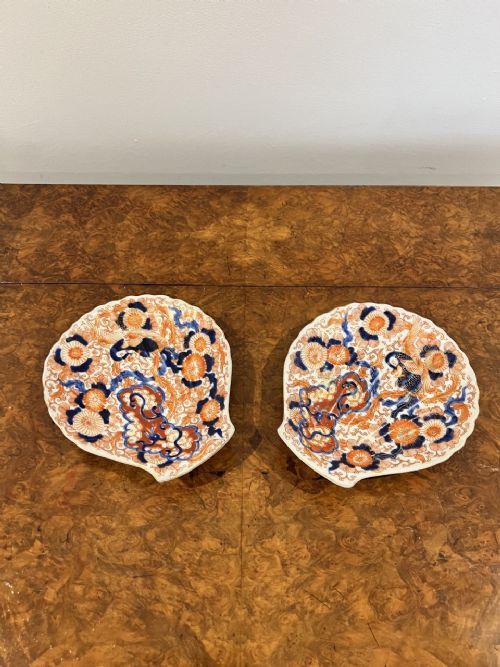
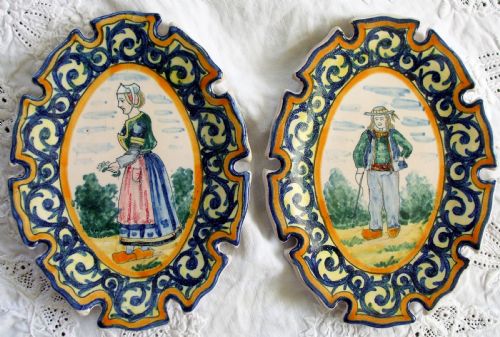
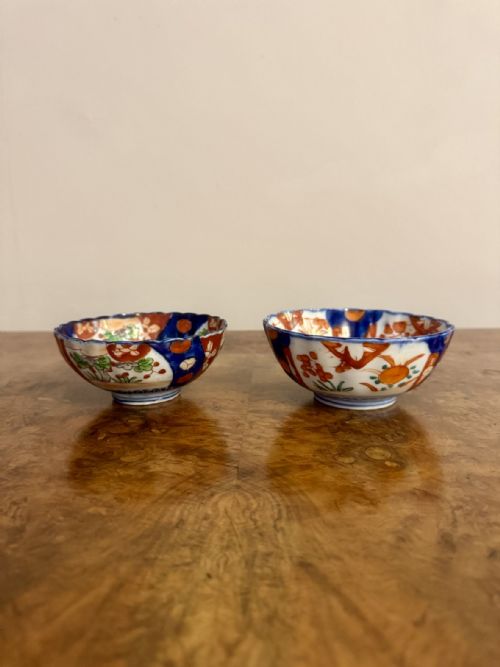
Origins stretch across French, English, Russian, and Japanese workshops, showcasing diverse decorative traditions from Imari patterns to hand-painted floral motifs and gilt detailing.
How they were made
Makers shaped these pieces from ceramic, porcelain, earthenware, and stoneware, frequently applying glazes and underglaze blue printing to achieve deep colour tones. Many examples incorporate hand-painted details, transfer printing, or enamel work directly onto the ceramic body.
Enrichments often include gold leaf, gilt detailing, and mounts made from ormolu to elevate the decorative presence of the small dishes and boxes. Certain items utilise specialised techniques such as jasper dip or lustre glazes to create distinct textural and visual depth.
Listings feature materials spanning porcelain, earthenware, stoneware, jasperware, enamel, and gold leaf across the nineteenth and early twentieth centuries.
What varies in quality
Quality rests primarily in the precision of the hand-painted decoration, the crispness of moulded details, and the finesse of any applied gilding or enamel work. Finer items exhibit superior control over the blue glaze and sharper definition in transfer-printed or hand-drawn motifs.
The sophistication of the form and the pedigree of the manufacturing workshop also dictate standing, distinguishing everyday utility items from master-painted cabinet pieces.
Daisy Makeig-Jones Wedgwood·Kuznetsov·Helena Wolfsohn·Moorcroft·Royal Crown Derby·New Hall·Mason·Limoges·Quimper·Wedgwood
The Blue Ceramic Trinket Dish Glossary
- Imari
- A style of Japanese ceramics featuring underglaze blue and iron red, often accented with gold. This aesthetic heavily influenced European potteries during the nineteenth century.
- Jasperware
- A type of vitreous stoneware developed by Wedgwood, typically featuring a contrasting white relief design against a coloured ground such as dark blue.
- Faience
- Tin-glazed earthenware produced widely in France and other European regions. It provides an opaque white surface suitable for painted blue decoration.
- Ormolu
- Gilded bronze used for mounts, feet, and decorative trims on nineteenth-century boxes and trays. It adds structural weight and a metallic highlight.
- Vide-poche
- A small pocket-emptier tray designed for holding loose change, keys, or small personal items. These dishes often feature shaped rims and hand-painted scenes.
- Pearlware
- An refined earthenware introduced in the late eighteenth century featuring a subtle bluish glaze that pooled in recesses to mimic Chinese porcelain.
Blue Ceramic Trinket Dish: Frequently Asked Questions
What is a pin tray used for?
A pin tray provides a shallow receptacle for holding sewing pins, needles, and small brooches near a work area or dressing table.
These small dishes keep sharp items contained and easy to reach while preventing them from rolling away.
How do I identify Imari style?
Imari style typically combines deep underglaze blue with rusty iron red and highlights of gold leaf over a white ceramic body.
Originally imported from Japan, this bold palette inspired many European factories to produce their own interpretations.
What is a powder box?
A powder box acts as a lidded container designed to hold cosmetic face powder on a boudoir table.
Many examples from the Art Deco period feature ceramic figurines or decorative lids atop a round bowl base.
How do I care for antique ceramic dishes?
Antique ceramic dishes require gentle cleaning with a soft, dry cloth or lukewarm water without harsh detergents.
Avoid soaking pieces with gilt detailing, hand-painted enamels, or metal mounts to preserve the delicate surfaces.