




Blue Ceramic Tile
These blue ceramic tile pieces bring centuries of hand-painted glaze and regional artistry straight to your wall or table.
Blue Ceramic Tile
When you search for a blue ceramic tile, you encounter centuries of historic wall plaques, decorative panels, and functional side tables. The selection spans the seventeenth, eighteenth, and nineteenth centuries, originating from English makers, Dutch kilns, Italy, Persia, and beyond.
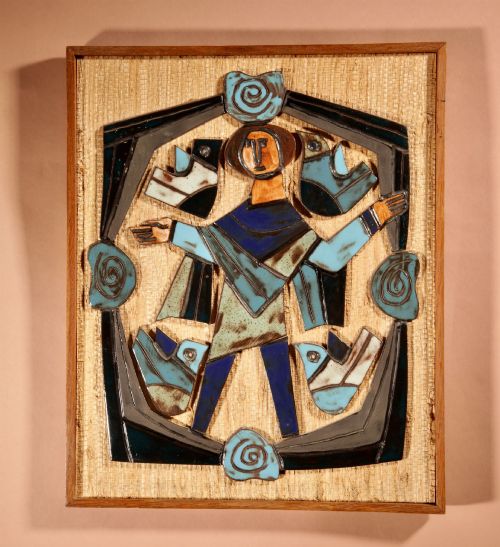
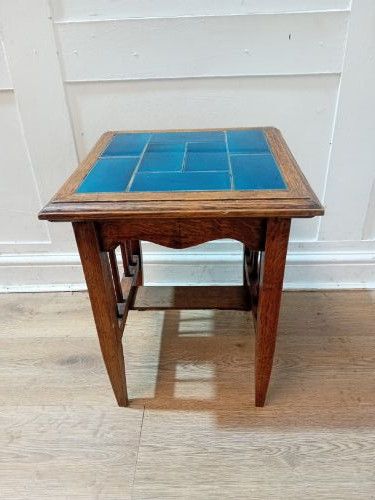
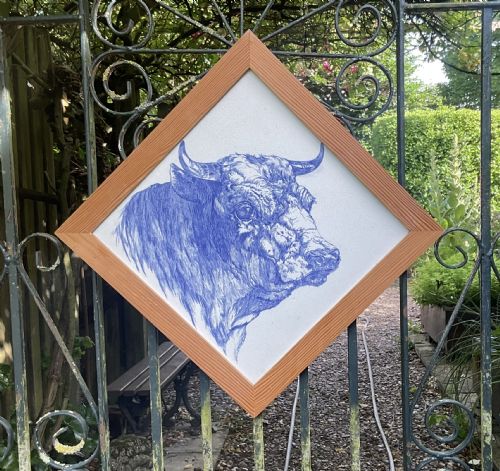
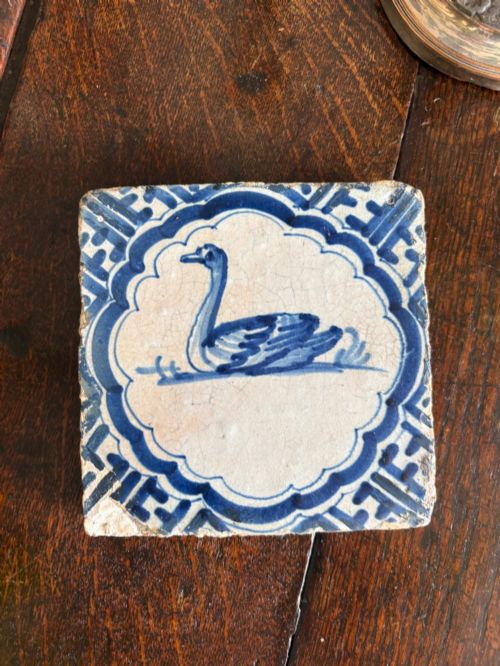
You are most likely to meet individual Dutch Delft tiles featuring hand-painted motifs, alongside larger framed devotional plaques and Arts and Crafts pieces mounted in oak furniture. The forms range from simple wall art to architectural tiles and mantel clocks.
The objects carry distinct cultural narratives, from seventeenth-century Dutch swan motifs and religious scenes to Persian script tiles and Aesthetic Movement herons. Each piece represents a specific period of ceramic design and kiln technology.
How they were made
The makers utilised earthenware bodies coated in tin glaze, providing a smooth white surface suited for cobalt pigment decoration. Artisans applied cobalt pigment directly by hand, creating deep blue tones before firing the pieces in traditional kilns.
Techniques varied from the delicate brushwork seen on Dutch Delftware to the rich polychrome effects of Italian faience and Persian production. Later Victorian works employed industrial pressing methods alongside careful hand-finishing by factories such as Minton and Hollins.
Blue Ceramic Tile Retail Price Guide 2026
Typical asking prices for blue ceramic tile among the pieces listed under this phrase on Sellingantiques today, from the lower quarter to the upper quarter. They describe what is for sale here now, not the wider market.
Listings feature Earthenware, Tin Glaze, and Cobalt Pigment across periods from the seventeenth century to the Edwardian era.
What varies in quality
Quality rests in the crispness of the hand-painted brushwork and the depth of the cobalt pigment against the tin glaze. Pieces with expressive, detailed motifs command attention for their artistic execution.
The integrity of the ceramic body and the preservation of the original glaze surface dictate the standing of each piece. Surviving mounting, such as original oak side table frames or early wooden surrounds, adds structural context to the ceramic centrepiece.
Mintons·Minton and Hollins·C. Ravier
The Blue Ceramic Tile Glossary
- Tin Glaze
- An opaque white glaze containing tin oxide, providing the pale background typical of historic Delftware. This surface allowed cobalt pigment to be painted directly onto the unfired or biscuit-fired clay.
- Cobalt Pigment
- A metallic colourant used to achieve deep blue shades on ceramic surfaces. It withstands high kiln temperatures without losing its distinct hue.
- Faience
- Tin-glazed earthenware produced in continental Europe, particularly associated with Italian and French traditions. The technique yields a glossy finish over a buff or reddish clay body.
- Polychrome
- Decoration employing multiple colours rather than a single pigment. In these pieces, it involves adding greens, yellows, or manganese alongside the dominant blue tones.
- Aesthetic Movement
- A late nineteenth-century design style emphasising visual beauty over narrative content. It drew heavy inspiration from Japanese and nature motifs.
Blue Ceramic Tile: Frequently Asked Questions
How do I hang an antique tile?
Historic tiles often lack built-in hanging fixtures, requiring custom bracket mounts or specialist framing to secure the ceramic body safely.
Ensure any display method avoids applying permanent adhesive directly to the original earthenware or glaze.
Can I use these tiles in a kitchen backsplash?
Most antique pieces feature fragile tin glazes and historic surfaces that suit decorative display rather than heavy daily functional use.
Exposing centuries-old earthenware to constant moisture and modern cleaning agents risks damaging the original glaze.
How do I date a blue ceramic tile?
Dating relies on examining the thickness of the ceramic body, the composition of the glaze, and the style of the hand-painted motif.
Early seventeenth-century examples differ visibly in clay preparation and pigment tone from Victorian or Edwardian factory productions.
What is the difference between Delft and Faience?
Delft specifically refers to tin-glazed earthenware produced in Dutch potteries, famous for its distinctive blue and white palette.
Faience is the broader continental European term for tin-glazed pottery, encompassing Italian and other regional traditions.