

Blue Ceramic Jug Painting
These pieces associated with a blue ceramic jug painting range from centuries-old Dutch Delftware to mid-century still life studies, bringing colour and character to any room.
Blue Ceramic Jug Painting
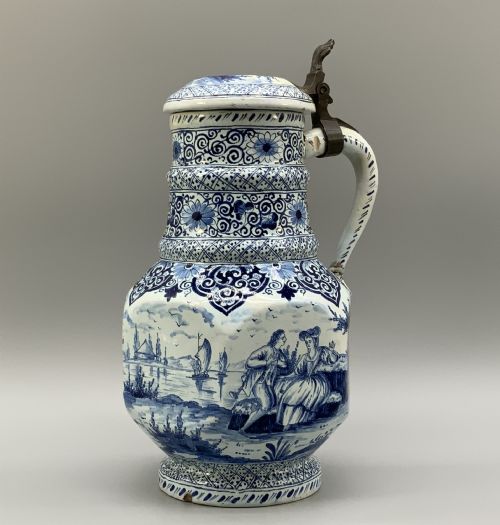
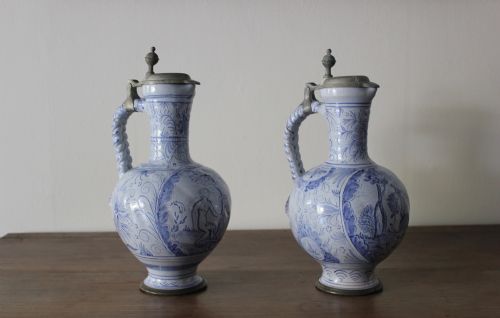
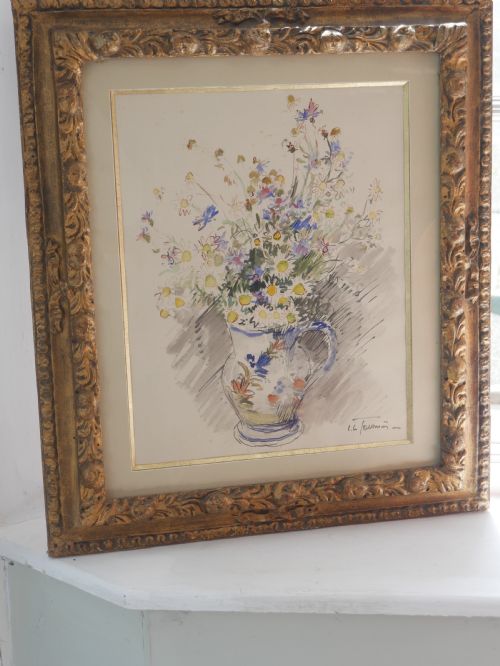
When you search for a blue ceramic jug painting, you find a diverse gathering of actual ceramic vessels and works of art depicting them. The physical vessels span earthenwares, stonewares, and porcelains decorated in blue, originating from Dutch, English, and Asian kilns across several centuries. Alongside these pots stand watercolours and oil paintings capturing vases and vessels filled with flowers or set among fruit.
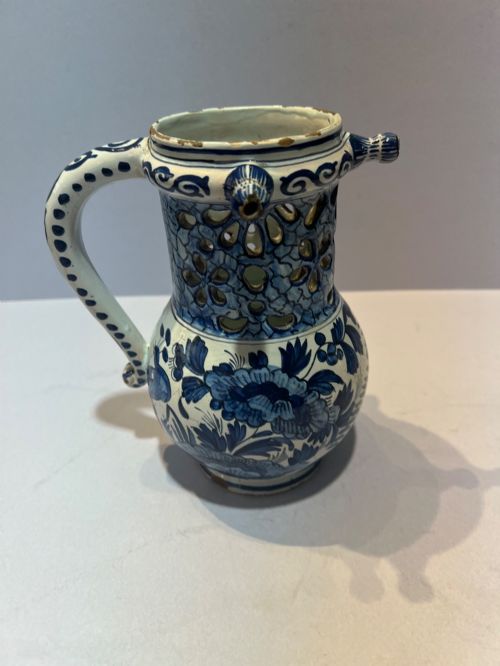
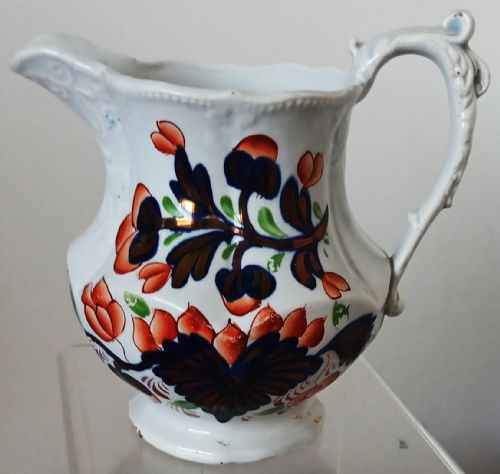
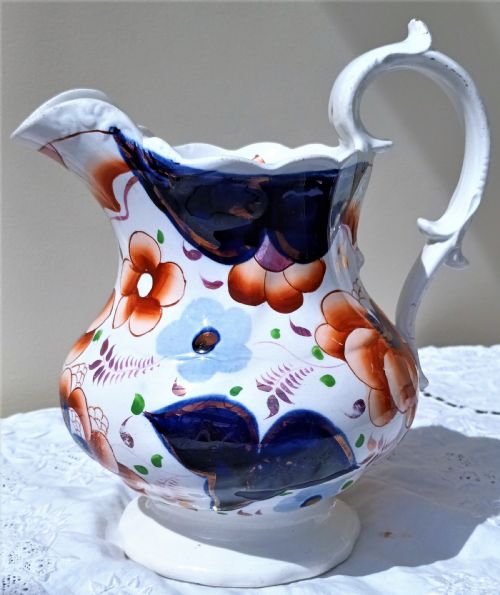
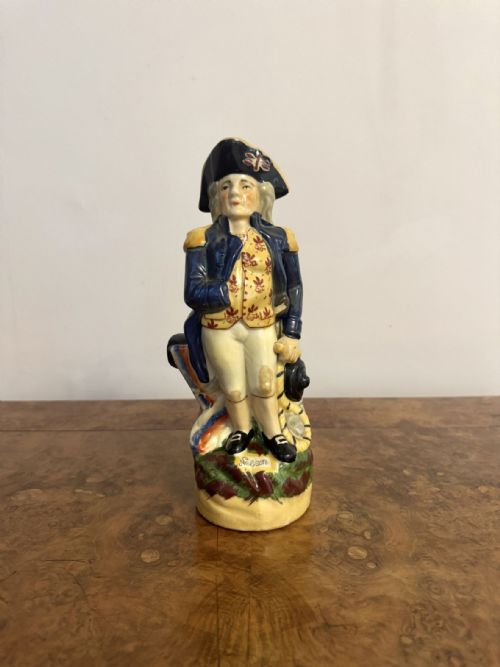
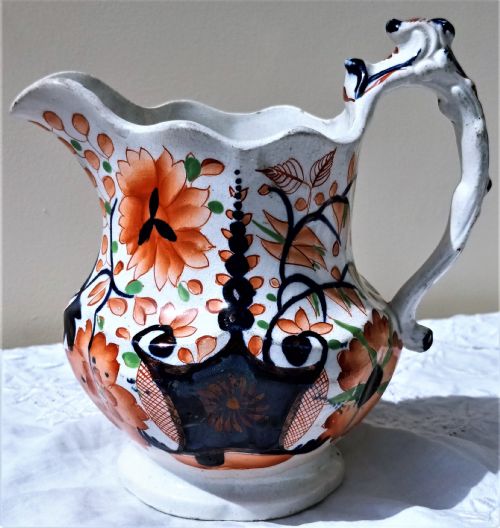
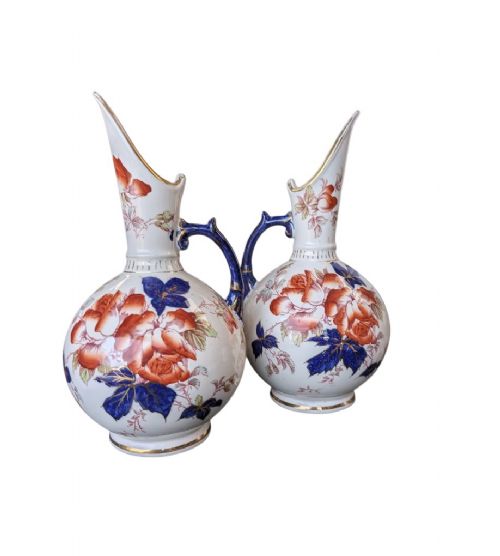
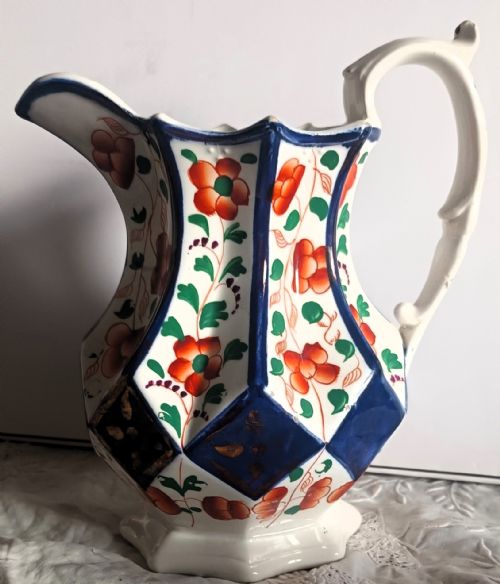
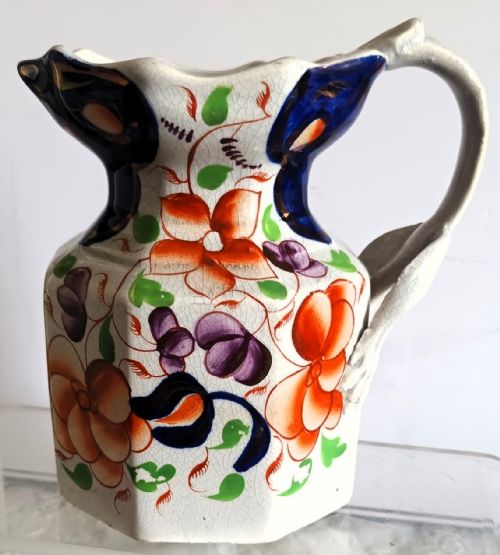
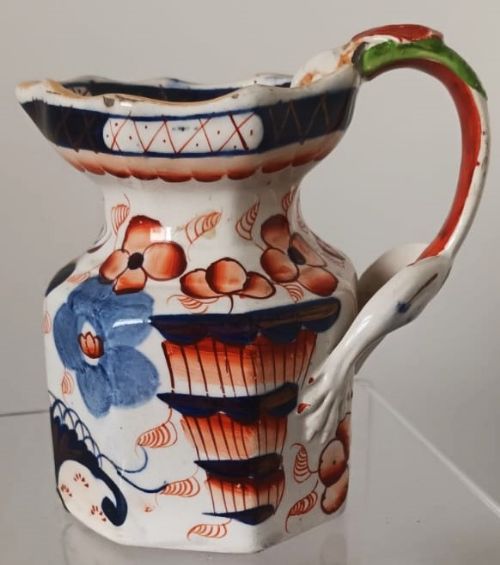
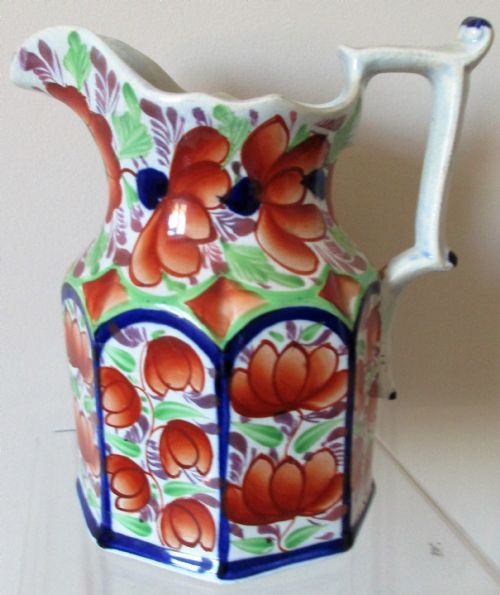
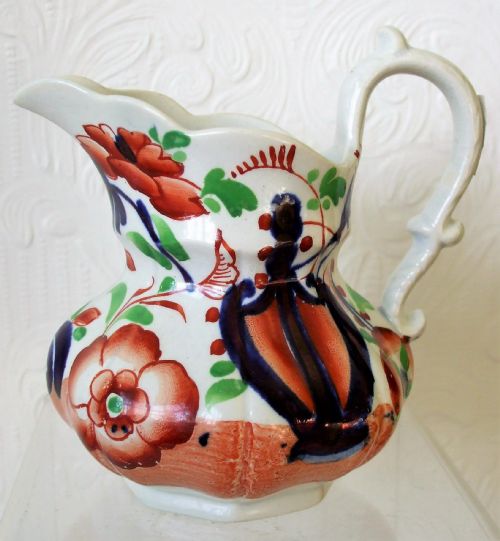
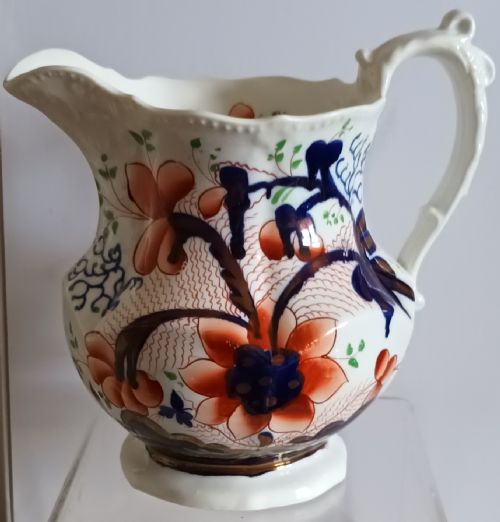
The ceramic pieces themselves include utilitarian jugs, pitchers, puzzle jugs, ewers, and figural toby jugs from Georgian and Victorian eras, many carrying named patterns such as Gaudy Welsh designs. The paintings date primarily from the mid-twentieth century, rendering the subject through the medium of oil or watercolour on canvas and paper. Both categories share a focus on the classic form of the ceramic jug rendered or decorated in blue tones.
How they were made
The physical vessels on show rely on traditional potting materials like earthenware, ironstone, and porcelain, finished with tin glaze, copper lustre, or enamel decoration. Potters shaped these bodies by hand or on the wheel before applying pigments - often cobalt blue - under or over the glaze, followed by high-temperature firing in kilns to fix the colours and gloss. Dutch Delftware and Chinese export pieces demonstrate the historical reach of these tin-glazing and underglaze-painting techniques.
For the paintings, artists utilised oil or watercolour to capture the texture of glazed ceramics, applying pigment to canvas or paper. The creators of both the physical jugs and the pictorial representations worked within established decorative traditions, whether painting botanical scenes onto pottery bodies or painting the vessels themselves in still life arrangements.
Materials represented include earthenware, porcelain, tin glaze, copper lustre, oil, and watercolour.
What varies in quality
Quality across these works rests on the precision of the hand-painting and the clarity of the glaze. On pottery, crisp underglaze blue brushwork and even tin-glazing distinguish finer examples from simpler commercial production. In paintings, the deft handling of light on ceramic surfaces and the balance of the composition separate accomplished artistic studies from standard decorative output.
The integrity of the form also dictates standing, whether it is a well-potted Dutch puzzle jug with intact spouts or an oil painting with strong tonal contrasts. Age plays a role, with seventeenth-century pieces carrying different considerations of survival compared to nineteenth-century Gaudy Welsh ironstone or mid-century watercolours.
Stevenson and Hancock·Coalport·Marion Broom
The Blue Ceramic Jug Painting Glossary
- Tin glaze
- A lead glaze opacified with tin oxide, creating a white, opaque surface suitable for blue painting. This technique defines traditional Delftware and faience.
- Gaudy Welsh
- A style of colourful pottery made in the nineteenth century, typically featuring cobalt blue, copper lustre, and ironstone bodies. Patterns often bear Welsh names such as Bethesda or Harlech.
- Toby jug
- A pottery jug shaped as a seated person, usually a stout figure holding a mug and jug of beer. These figures date widely through the Georgian and Victorian periods.
- Delftware
- Tin-glazed earthenware made in Holland and England, renowned for blue and white painting imitating Chinese porcelain. Pieces range from utility jugs to puzzle vessels.
- Ewer
- A large jug with a wide spout and handled base, historically used for pouring water. Many examples appear in ceramic materials with decorative glazing.
Blue Ceramic Jug Painting: Frequently Asked Questions
What is a Dutch Delft puzzle jug?
A puzzle jug is an interactive ceramic vessel featuring perforated necks and multiple spouts that challenge the drinker to consume the liquid without spilling.
Originating in eighteenth-century workshops, these pieces required skill in both throwing the clay and maintaining the hidden channels inside the handle and rim.
How do I date an 18th-century tin-glazed jug?
Dating relies on examining the weight of the clay body, the tone of the blue pigment, and the characteristics of the tin glaze. Earlier pieces often show thinner potting and softer bluish whites under the glaze.
Comparing the painted floral or Chinoiserie motifs with known kiln outputs helps narrow down the production decade.
What is Gaudy Welsh pottery?
Gaudy Welsh pottery consists of nineteenth-century ironstone and earthenware jugs decorated with vibrant cobalt blue, iron red, and copper lustre. These items were made primarily for everyday use in Welsh households.
Pattern names like Pagoda, Grape, and Drape help collectors identify specific nineteenth-century designs.
How should I display a vintage still life painting?
Mid-century oil and watercolour paintings of ceramic jugs require stable indoor conditions away from direct sunlight to preserve the pigments on canvas or paper. Framing them securely protects the edges from moisture and environmental wear.
Pairing a painting with an actual ceramic jug from a similar period creates a cohesive historical display in a room.