
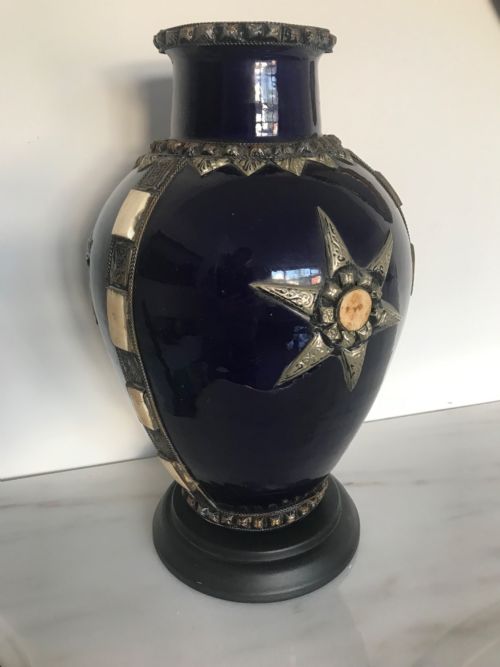
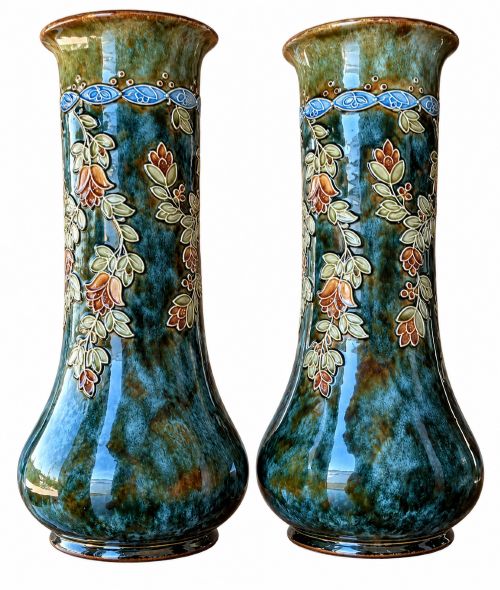
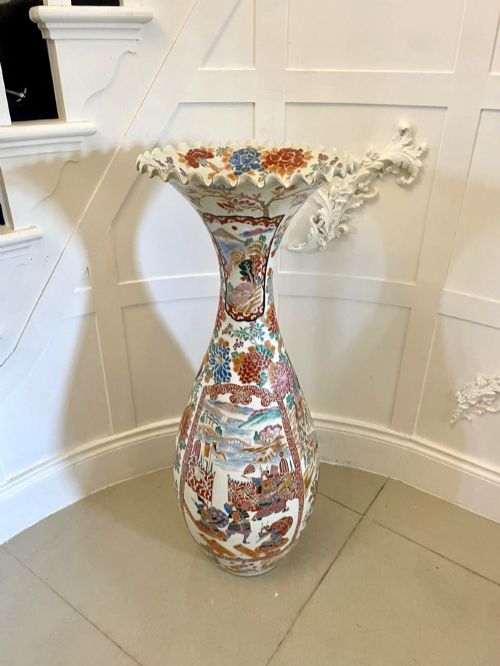
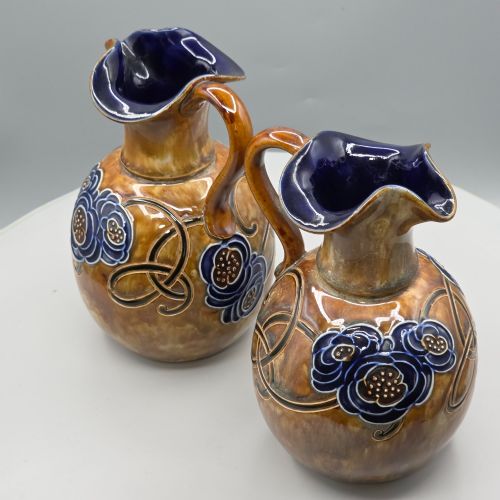
Blue Ceramic Decorative Vase
These pieces of blue ceramic decorative vase bring together centuries of global kiln traditions, offering collectors a rich palette of cobalt glazes and intricate hand-painted motifs.
Blue Ceramic Decorative Vase
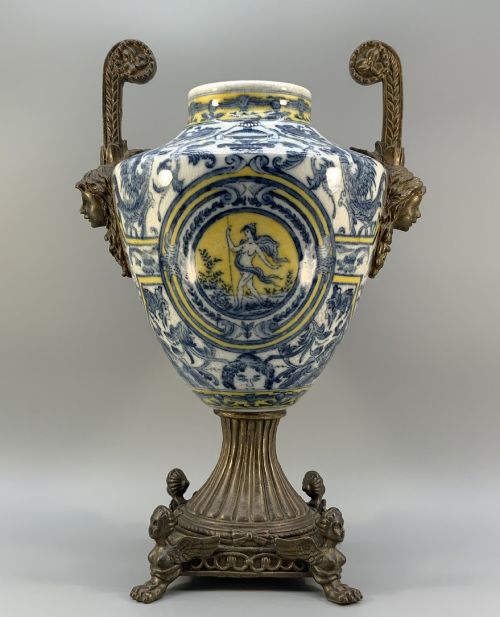
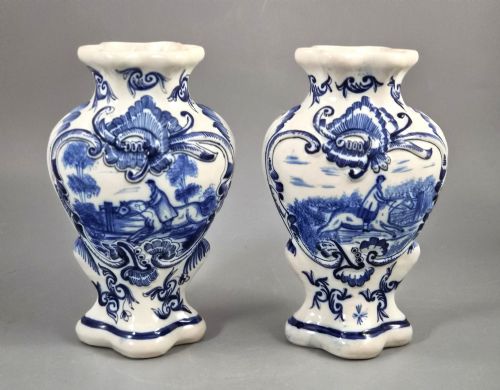
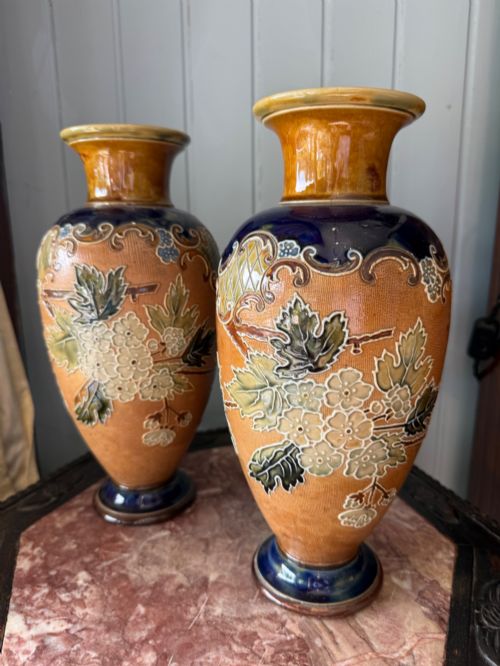
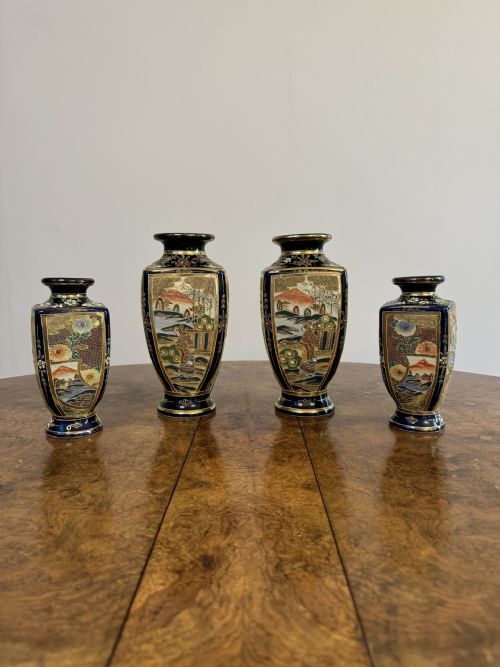
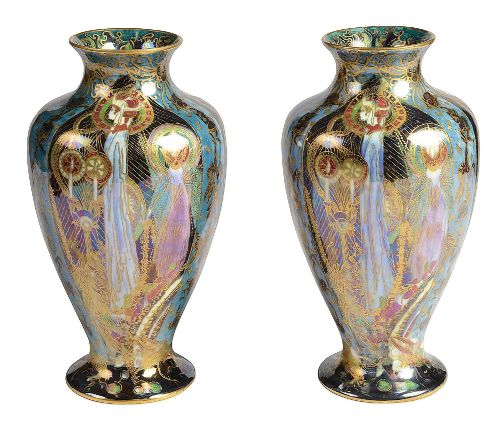
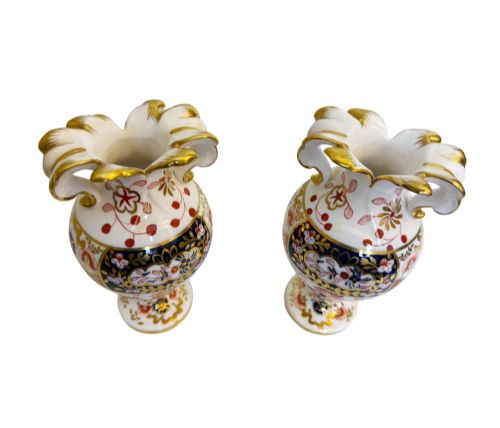
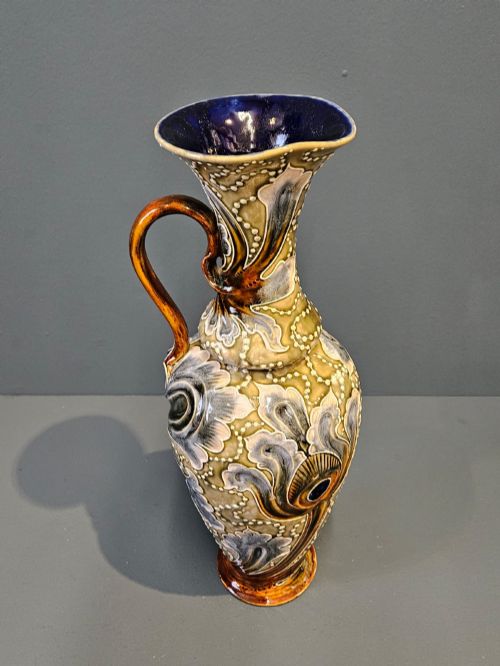
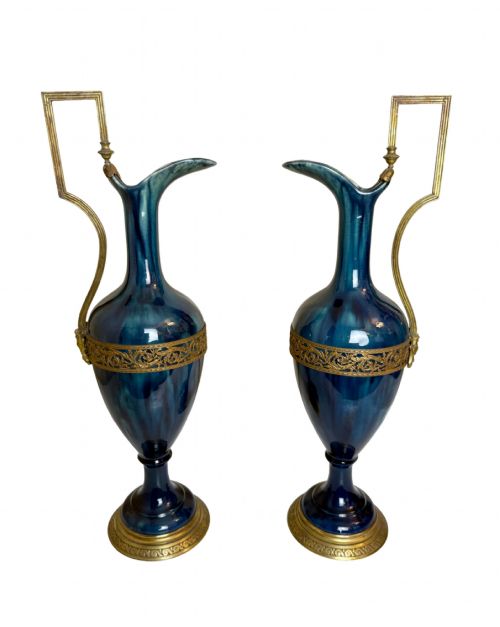
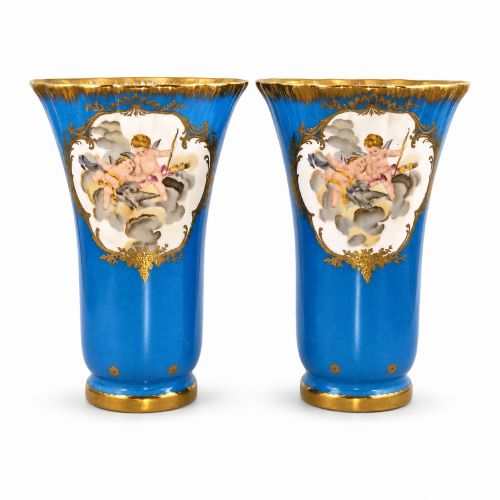
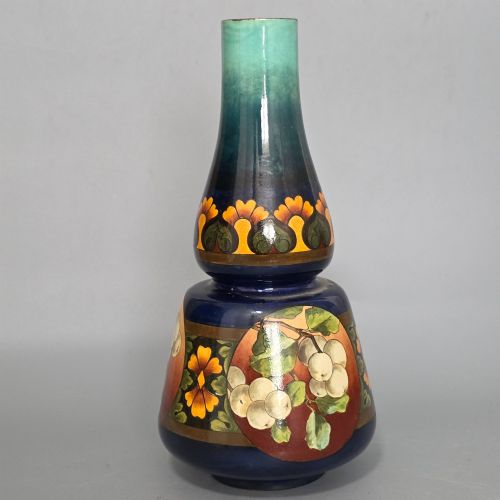
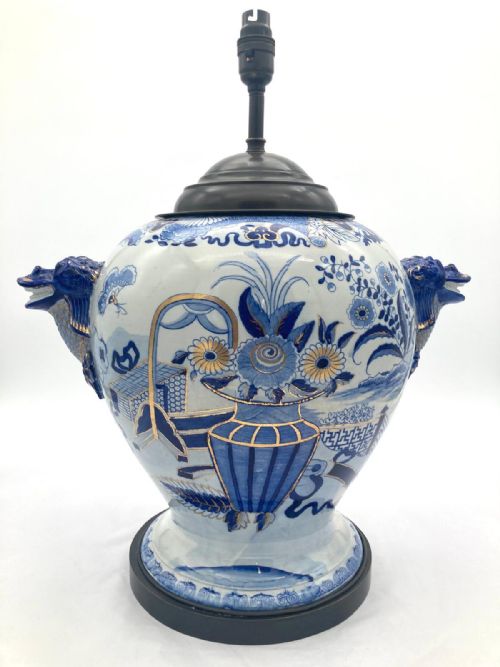
When you search for a blue ceramic decorative vase, you encounter works spanning the nineteenth and early twentieth centuries, created by major European potteries and Japanese studios. The selection ranges from imposing floor-standing vessels and garnitures to delicate mantel urns and converted lamps.
Most examples originate from Victorian and Edwardian periods, or embrace movements like Art Nouveau and Arts and Crafts. Japanese Imari and Satsuma wares appear frequently alongside English earthenware and French faience.
These items served primarily as ornamental centrepieces in period drawing rooms, often paired in sets or decorated with gilt mounts and bronze trim.
How they were made
Potters shaped clay bodies from porcelain, stoneware, and earthenware before applying rich cobalt glazes, enamel colours, and metallic details such as gold leaf and gilt bronze mounts. Many pieces rely on transfer printing or meticulous freehand painting to render scenic panels and floral patterns.
Specialised techniques include high-temperature kiln firing for stoneware bodies, intricate earthenware majolica glazing, and the application of raised slip or applied figures by notable studio artists.
The materials listed span delicate porcelain and earthenware alongside robust stoneware, accented with enamel and gold leaf.
What varies in quality
Differentiation across the range rests on the crispness of the hand-painted detailing, the depth of the glaze, and the precision of any applied bronze or silver mounts. Pieces bearing specific artist signatures or documented pottery marks command higher regard among collectors.
The complexity of the design, such as multi-tiered Japanese satsuma garnitures or elaborate Wedgwood fairyland lustre finishes, dictates the overall distinction of the vessel.
Royal Doulton·Doulton Lambeth·Wedgwood·Spode·Coalport·Minton·Fourmaintraux Courquin·Royal Crown Derby·Carlton Ware·Hicks and Meigh·Kinkozan Circle·Samson Paris
The Blue Ceramic Decorative Vase Glossary
- Imari
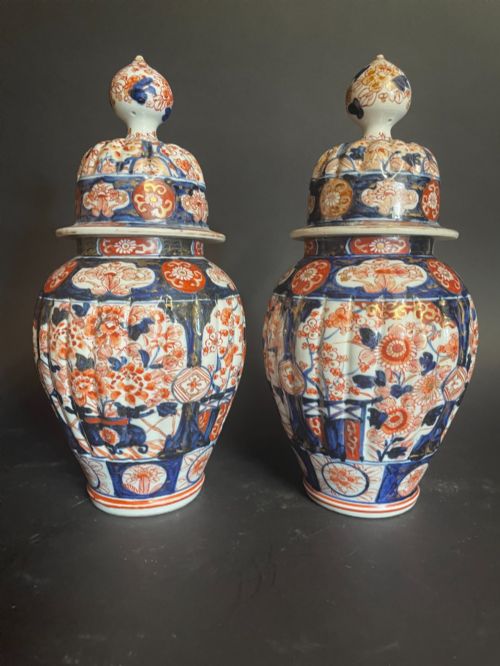
- A style of Japanese porcelain decorated in underglaze blue and overglaze red, gold, and green. This aesthetic influenced numerous European potteries during the nineteenth century.
- Garniture
- A set of three or more matching vases or urns designed to be displayed together on a mantelpiece or sideboard. They typically feature a central tall vessel flanked by smaller matching pieces.
- Faience
- European tin-glazed earthenware, often richly decorated with colourful designs. It became particularly popular in French and British revivalist ceramics.
- Jasperware
- A type of unglazed stoneware developed by Wedgwood, notable for its contrasting matte background colours and applied white relief ornaments.
- Baluster
- A vase shape with a rounded body that tapers toward the base and swells near the lower middle. It resembles the architectural column form of the same name.
Blue Ceramic Decorative Vase: Frequently Asked Questions
How do I identify Japanese Imari?
Japanese Imari pottery is typically recognised by its distinctive palette of cobalt blue, iron red, and gilding over a white porcelain base. The motifs frequently incorporate floral and brocade patterns derived from traditional textiles.
Most pieces date from the Meiji period or late nineteenth century, often bearing Arita kiln origins. They were widely exported to satisfy Victorian enthusiasm for Japanese decorative arts.
Were these vases meant for flowers?
While some vessels served practical functions for cut stems, many decorative urns, garnitures, and covered jars were strictly ornamental. Their intricate gilt mounts and delicate enamel scenes indicate they were display pieces for formal rooms.
Larger floor vases and heavy stoneware pieces were positioned in hallways or beside fireplaces to anchor interior decorative schemes.
What is Satsuma ware?
Satsuma ware is a type of Japanese earthenware featuring an ivory-coloured, crackled glaze decorated with elaborate enamel patterns and extensive gilding. The style gained immense popularity in the West following international exhibitions in the late nineteenth century.
Pieces often depict figures, landscapes, or crowded court scenes associated with the Meiji era.