
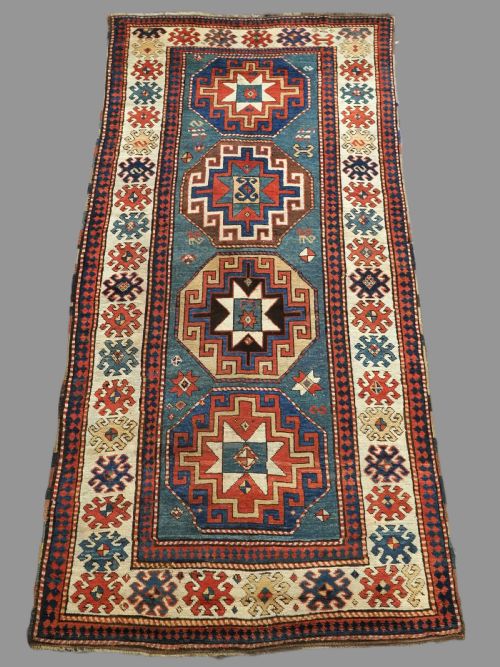
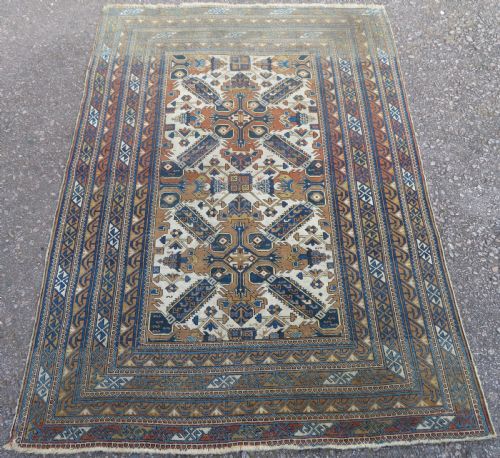
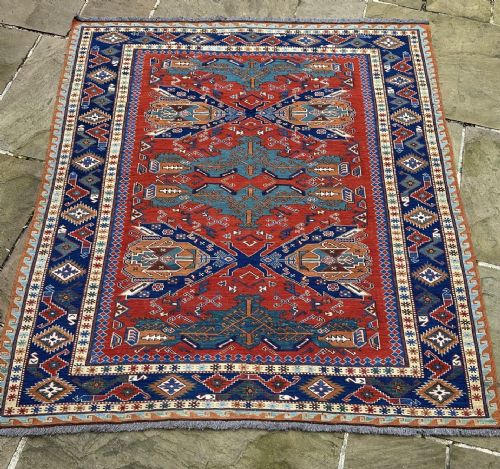
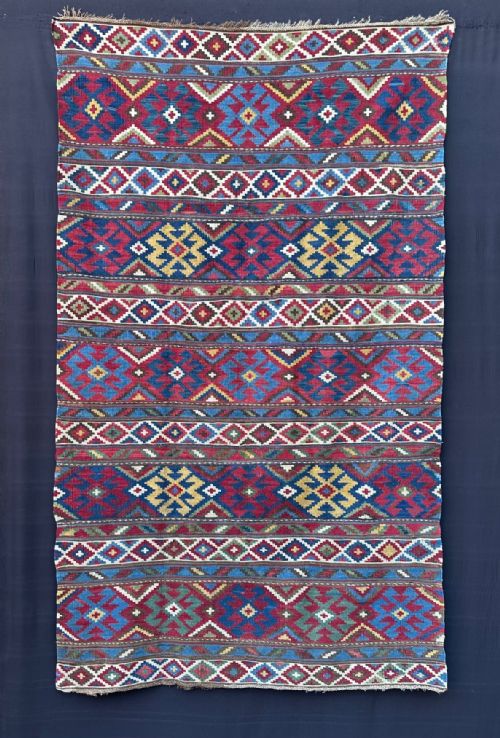

Blue Caucasian Wool Carpet
A blue caucasian wool carpet brings geometric strength and natural dye depth into a room.
Blue Caucasian Wool Carpet
When searching for a blue caucasian wool carpet, buyers encounter woven floor coverings originating from the Caucasus region alongside related tribal pieces from neighbouring areas. These items include rugs, runners, prayer rugs, and larger carpets produced during the nineteenth and early twentieth centuries.
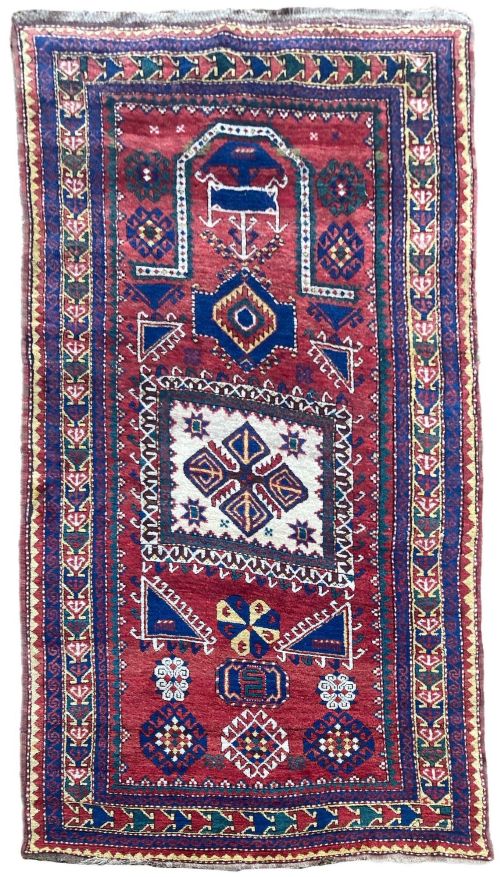
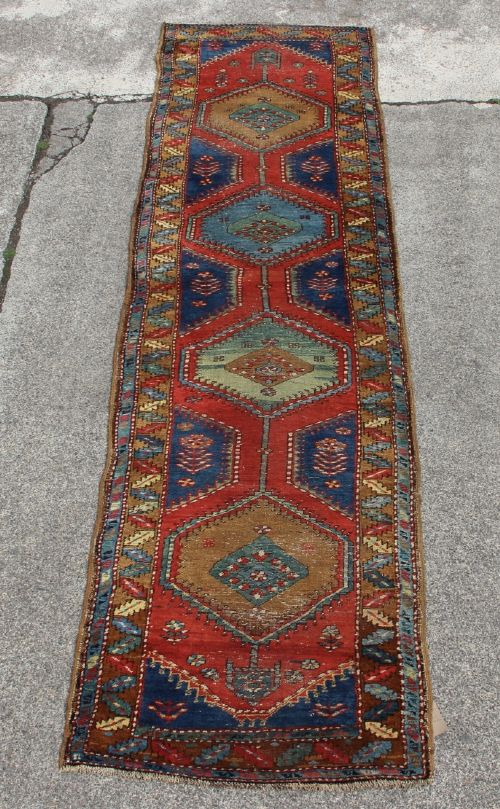
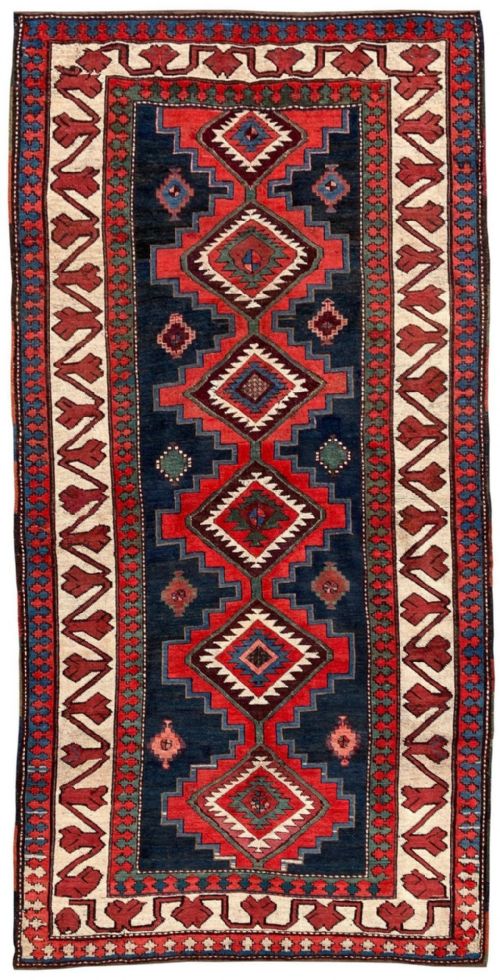
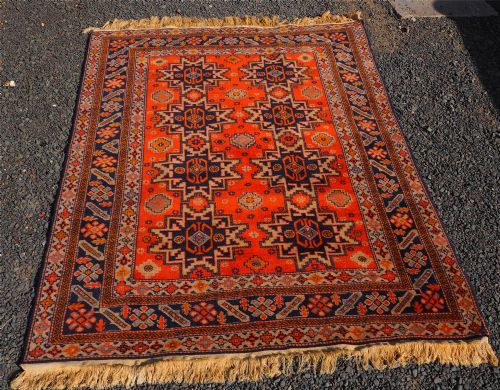
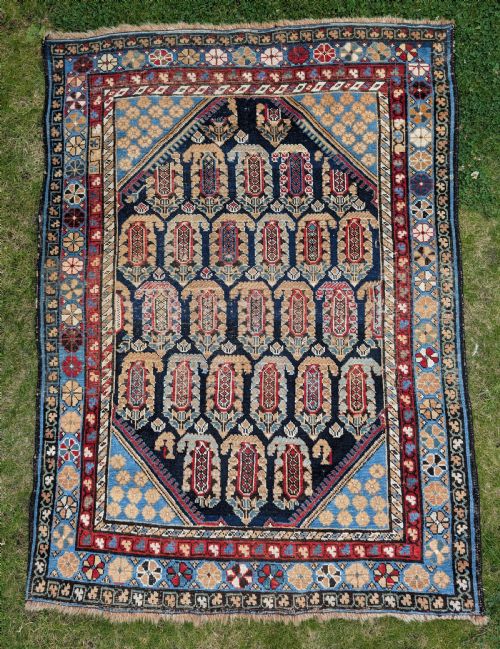
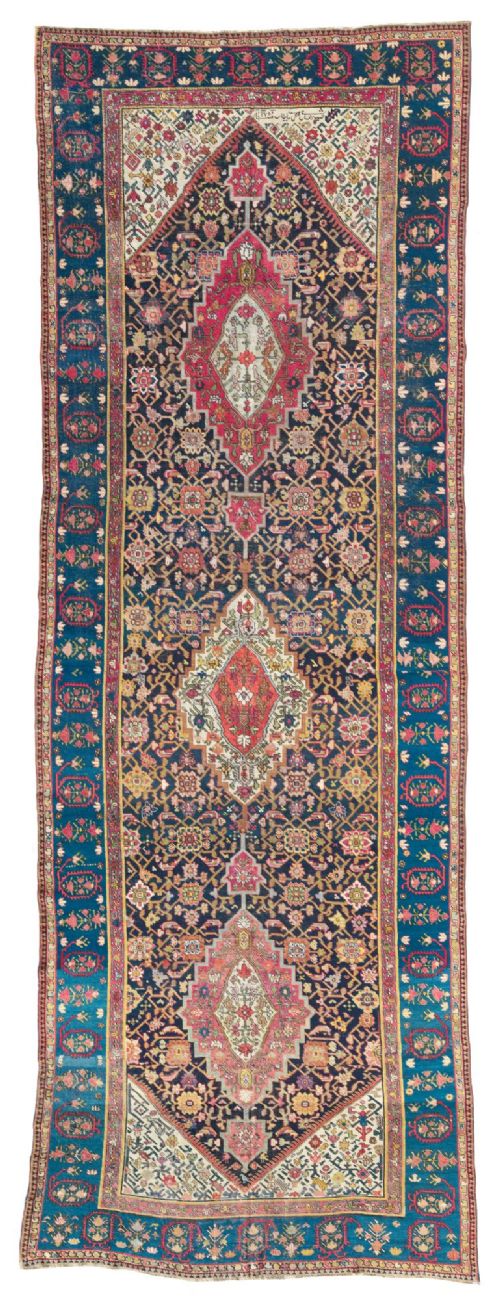
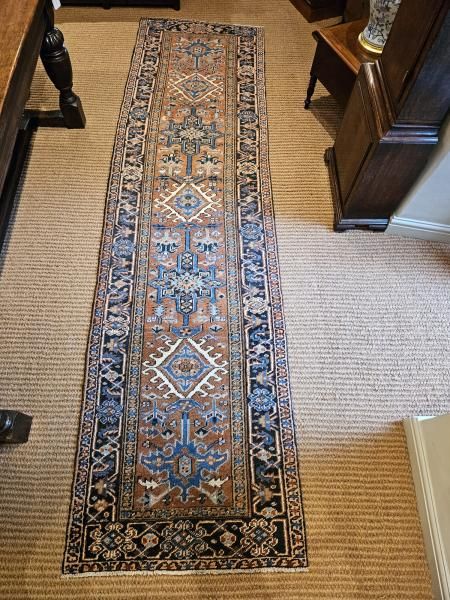
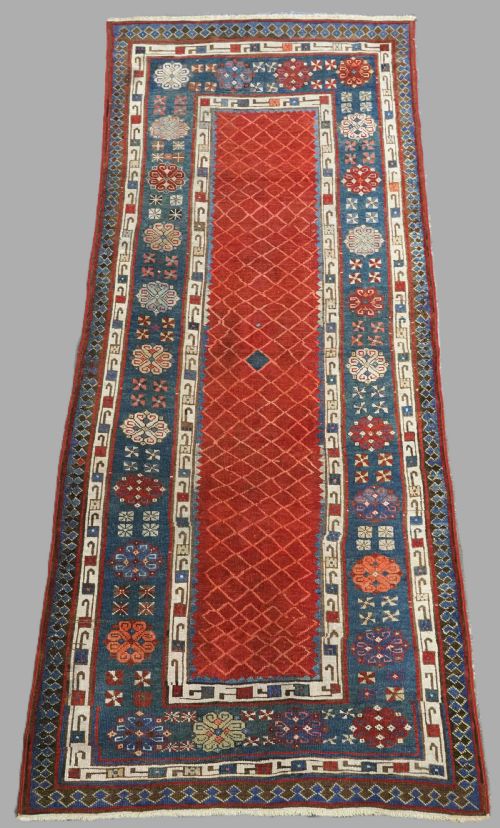
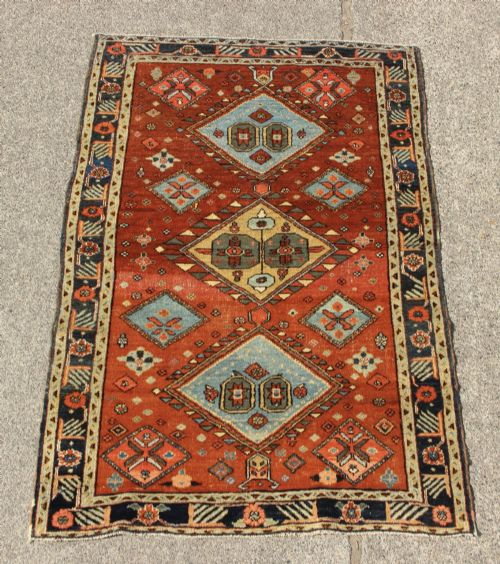
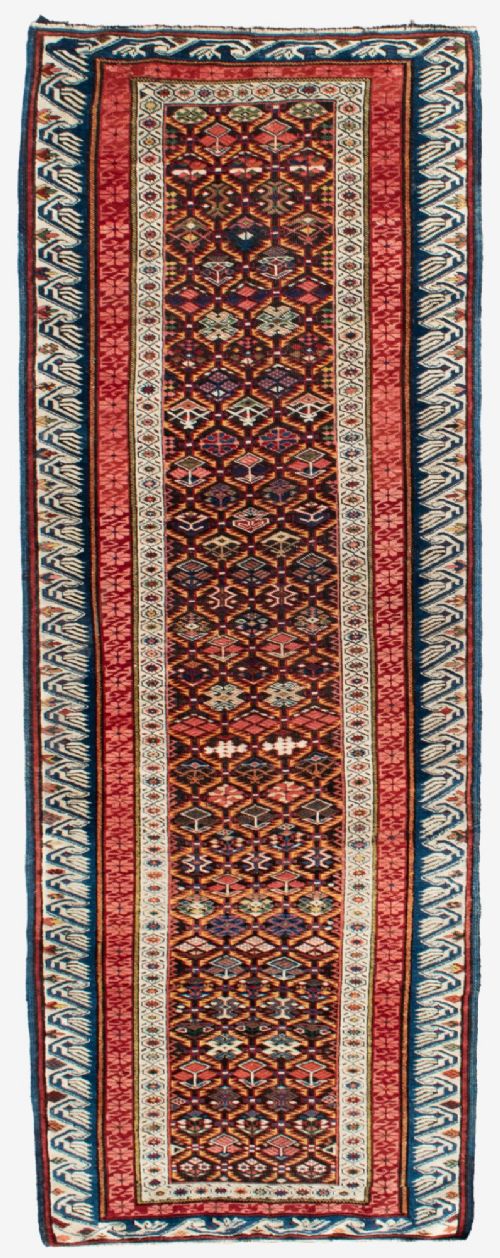
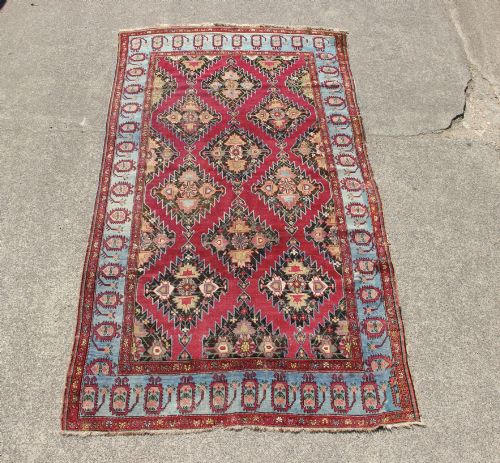
The version most commonly met on this page is the antique Kazak, Shirvan, or Karabagh rug, often woven in village or tribal workshops. These pieces frequently display strong geometric medallions, stellar motifs, or prayer formats rendered in various shades of blue.
Such textiles served practical domestic purposes in nomadic and village settings before finding their way into Western interiors. Their distinct regional designs provide a clear window into nineteenth and early twentieth century weaving traditions.
How they were made
These textiles rely principally on wool and hand-spun wool for their pile and foundation, supplemented by cotton in certain examples. Natural dyes impart the characteristic blue, red, and neutral tones that stabilise over time as the wool ages.
Weavers knotted the pile by hand onto warp and weft threads, creating dense structures designed for daily floor use. Flat-weave techniques such as kilim construction also appear, alongside specialised sumak work.
Materials recorded across the inventory comprise wool, cotton, and natural dyes used within tribal and village workshops.
What varies in quality
The standard of materials and dye purity distinguishes finer examples from simpler work, with hand-spun wool and rich natural dyes holding greater depth. The crispness of the geometric drawing and the precision of the knotting also separate accomplished village weaving from coarser production.
Structural integrity and the retention of original borders influence the overall standing of a piece. Even wear across the pile indicates balanced use, whereas heavy distortion or extensive re-piling alters the integrity of the textile.
The Blue Caucasian Wool Carpet Glossary
- Kazak
- A type of rug woven in the southern Caucasus region, known for bold geometric patterns and strong primary colours. These pieces often display large medallions and octagons.
- Shirvan
- A style originating from the eastern Caucasus, typically characterised by fine knotting and precise, intricate geometric or floral motifs. Runners and smaller formats frequently appear under this designation.
- Prayer rug
- A small format textile featuring a mihrab or niche design at one end, traditionally used for individual prayer. The layout points towards Mecca during use.
- Sumak
- A flat-weave technique where decorative pattern wefts are wrapped around the warp threads before passing to the next. This method creates a sturdy fabric without a cut pile.
- Kelleh
- A long, narrow carpet format traditionally used in large reception rooms. These pieces offer extended proportions compared to standard area rugs.
Blue Caucasian Wool Carpet: Frequently Asked Questions
How do I clean an old wool carpet?
Gentle surface vacuuming without a beater bar removes loose grit and dust from the pile. Professional specialist cleaning remains essential for deep washing to protect natural dyes and wool.
Water saturation and domestic washing machines must be avoided entirely to prevent shrinkage and dye migration. Proper drying prevents mildew within the foundation threads.
Where were these rugs made?
Production centred in the Caucasus region, encompassing areas now defined by Armenia, Azerbaijan, and Georgia. Village cooperatives and nomadic tribes created these textiles using local materials.
Related workshops in north-west Persia also contributed similar tribal designs and palette choices to the wider trading network.
Are these carpets suitable for heavy hallway use?
Many runner formats and sturdy village weaves were built for practical domestic traffic on floors. Wool pile naturally resists moderate abrasion when paired with a quality underlay.
Fragile flat-weaves or very fine prayer rugs suit low-traffic areas or wall display to preserve their structure over decades.
How can I tell a Kazak from a Shirvan?
Kazak weaves generally display larger, bolder geometric medallions and wider borders with saturated primary colours. The wool often feels heavier and the pile is clipped longer.
Shirvan pieces tend towards finer, more intricate drawing with smaller motifs, stellar elements, and a tighter, flatter handle.