




Blue Art Glass Vase
A blue art glass vase brings striking colour to a room, offering rich tones and varied forms from the Victorian era to the mid-twentieth century.
What these pieces are
A blue art glass vase represents a diverse range of decorative vessels produced across several decades of craftsmanship. Collectors searching this phrase encounter examples spanning the Victorian period through the early twentieth century and into the Art Deco era.
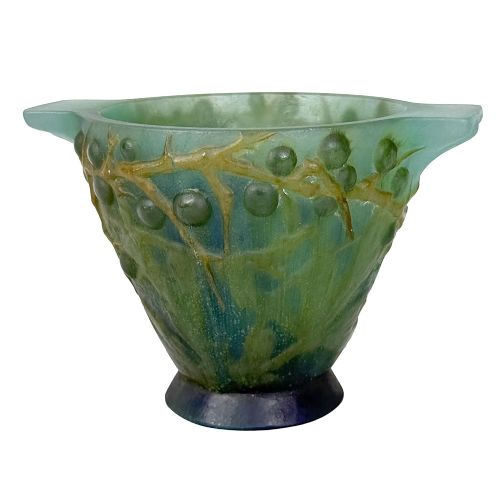
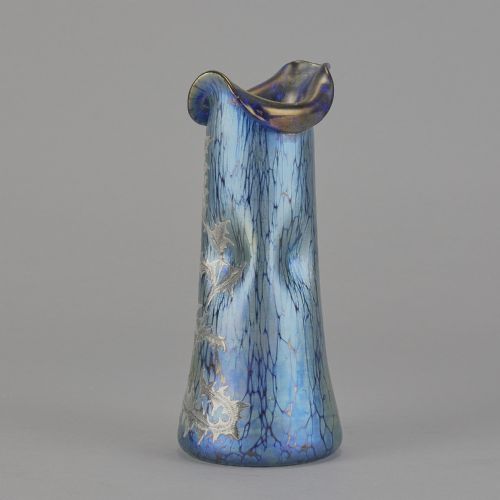
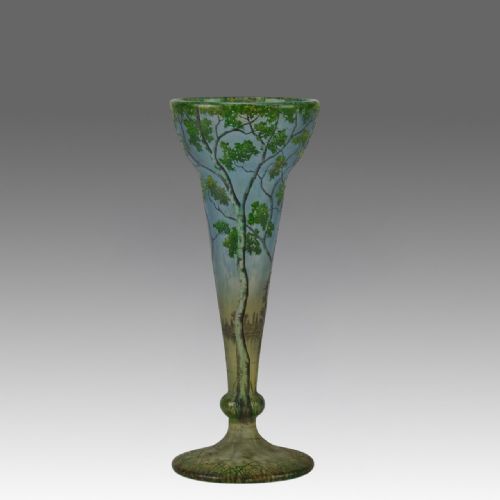
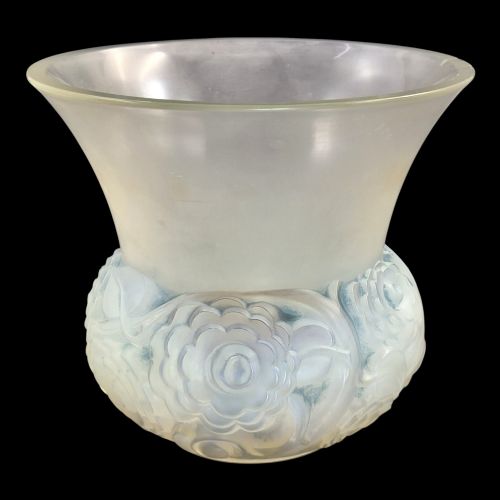
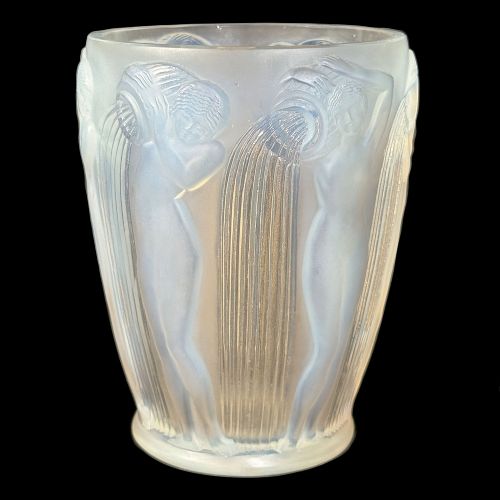
The pieces listed on this page encompass various distinct styles, including Victorian, Art Nouveau, and Art Deco. Forms vary from simple posy vessels to patterned baluster shapes and cameo glass landscapes.
Origins stretch across Britain, Austria, and continental Europe, showing the widespread popularity of coloured glass production. Makers include notable glassworks such as Loetz Witwe, Daum Frères, Monart, and Stuart & Son.
How they were made
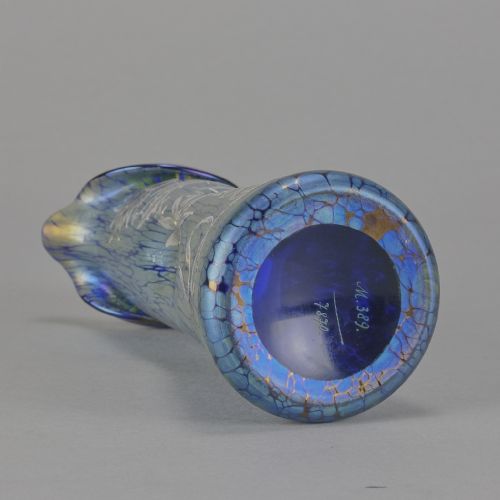
Makers utilised glass, iridescent glass, satin glass, cased glass, and cameo glass to achieve different visual depths and textures. Some pieces incorporate silver or sterling silver mountings and overlays.
Techniques range from acid-etched cameo landscapes to silvered treatments and patterned glass effects like the paisley shawl design. Enamel detailing also appears on selected vessels to add surface decoration.
Retail Price Guide 2026
Typical UK retail prices for blue art glass vase, calculated from the Sellingantiques database of over a million retail prices indexed since 2003. This retail price guide relies exclusively on Sellingantiques data; no external sources or auction records are used, so the figures do not describe the wider market.
Periods represented in this selection span the Victorian era, the turn of the twentieth century, and the Art Deco period.
What varies in quality
The distinction between standard production and exceptional work rests on the complexity of the glass technique and the reputation of the maker. Pieces featuring multi-layered cased glass, intricate acid-etching, or specialist iridescent treatments demonstrate higher artistry.
Attribution and provenance play a major role in establishing the standing of a vessel. Signed works by renowned glasshouses command greater attention than unsigned or generic decorative items from the same periods.
Loetz Witwe·Daum Frères·Monart Glass·Stuart and Son·Karl Palda·Stolze
The Blue Art Glass Vase Glossary
- Cased glass
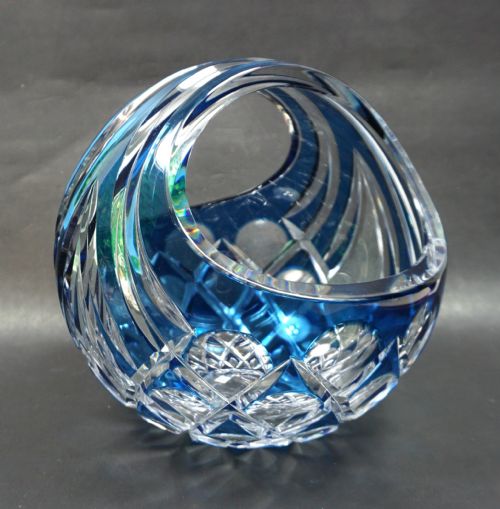
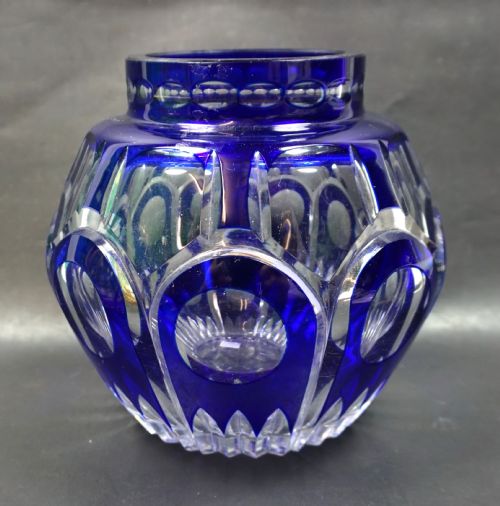
- Glass formed of two or more distinct layers of different colours, often fused while hot to create striking contrast when cut or etched. This method allows light to interact with multiple glass strata.
- Cameo glass
- Vessels carved through successive layers of coloured glass to produce a raised design in relief. The technique requires immense skill from the glass artisan.
- Iridescent glass
- Glass treated with metallic salts to produce a shimmering, rainbow-like surface sheen. This finish was particularly favoured during the Art Nouveau period.
- Satin glass
- Glass with a velvety, matte surface texture created by acid-dipping or mechanical means. It diffuses light softly across the vessel.
- Baluster vase
- A vase shape characterised by a rounded body tapering down to a narrow base, resembling an architectural baluster. It provides a stable and balanced form for display.
Frequently Asked Questions
How do I date a blue art glass vase?
Dating relies heavily on stylistic markers, maker signatures, and the manufacturing techniques used. Victorian pieces often feature simpler forms or satin finishes, while Art Nouveau examples frequently display iridescent surfaces or organic shapes.
Later Art Deco items show geometric influences and cleaner silhouettes. Comparing known signatures and patterns in the archive helps narrow down the production decade.
Where were these glass vases made?
Production centres were spread across Britain, Austria, and continental Europe. Scottish makers like Monart produced distinct mottled patterns, while Austrian firms such as Loetz pioneered iridescent finishes.
English glasshouses, including Stuart and Son, developed unique peacock and iridescent glass styles during the early twentieth century.
How should I display a blue art glass vase?
Place the vase where natural light can pass through the coloured glass to highlight its tone and internal structure. Avoid placing delicate pieces in direct, harsh sunlight for prolonged periods.
Pairing the vessel with neutral backgrounds allows the rich blue hues to stand out effectively in a room.
What is cased glass?
Cased glass involves fusing two or more layers of coloured glass together during the blowing process. This creates depth and allows artisans to carve through the outer layer to reveal a contrasting colour underneath.
It is commonly seen in cameo glass and complex decorative vessels from the Victorian and Edwardian eras.