





Blue Art Deco Painting
A blue art deco painting brings bold twentieth-century palettes and modernist geometric energy directly onto the wall.
Blue Art Deco Painting
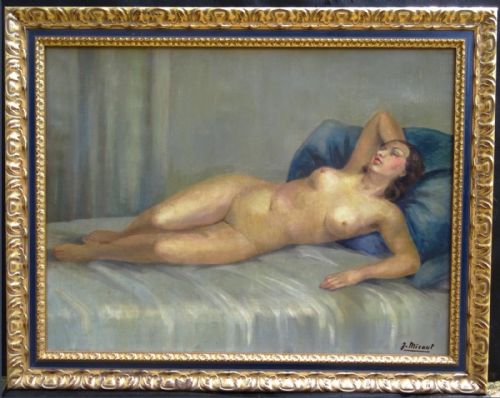
When searching for a blue art deco painting, collectors encounter canvas works and watercolours originating from the early decades of the twentieth century, spanning periods from the nineteen-tens through to nineteen-forty. These works capture modernist interiors, landscapes, and portraiture executed during the height of the decorative arts movement.
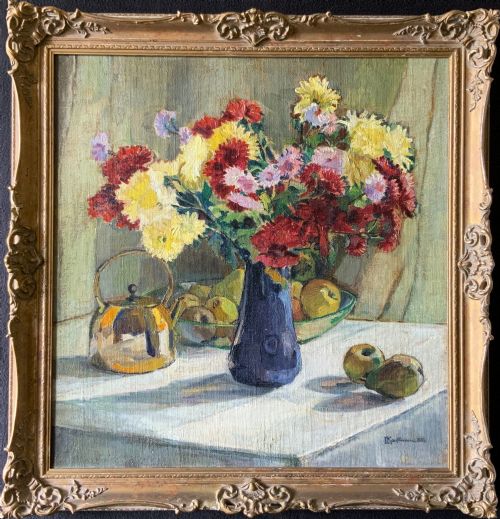
Oil on canvas and paper forms dominate the selections on this page, often reflecting French and British artistic output from the nineteen-twenties and nineteen-thirties. Buyers frequently discover impressionist landscapes and figurative studies dominated by cobalt and azure tones typical of the period.
The aesthetic bridges traditional academic subjects with the stylised geometry characteristic of interwar design. Pieces range from intimate pastoral scenes to striking portraiture framed by the distinct visual vocabulary of the era.
How they were made
Artists of the period applied oil paints to primed canvas or mounted paper, utilising brushwork that balanced impressionist looseness with firm compositional structures. Pigments were worked to capture atmospheric interior lighting and mediterranean coastal views.
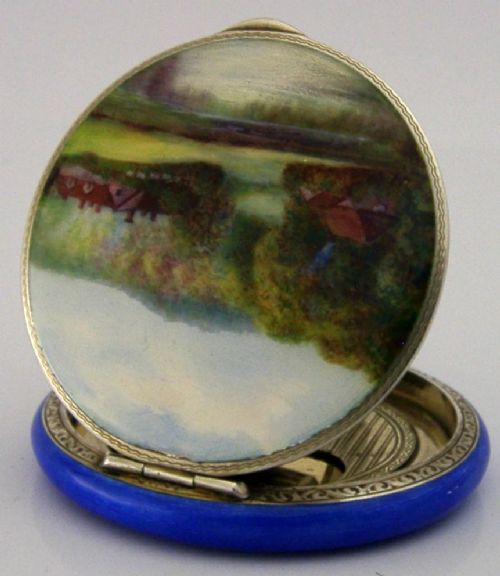
Watercolour variants on paper demonstrate fluid pigment control, capturing translucent washes alongside opaque gouache highlights. Frames typically consist of original wood or gilded mouldings contemporaneous with the painting's creation.
Several canvases capture artists peering out from their own studios into sunlit gardens.
What varies in quality
The distinction between standard decorative works and exceptional collector pieces rests upon the surety of the brushwork and the strength of the provenance. Signed compositions by documented painters command greater attention than anonymous studio pieces.
Preservation of the original pigment vibrancy and the integrity of the canvas support dictate the longevity of the artwork. Works retaining their original period framing demonstrate superior collector appeal compared to those with later alterations.
Raymond Moritz·Josef Lorenzl·Andrè Maurice·Kees van Dongen
The Blue Art Deco Painting Glossary
- Oil on canvas
- Pigments bound in a drying oil applied to a woven fabric stretched across a wooden frame. This medium allowed artists to build rich textures and deep chromatic layers.
- Impressionism
- An art style focused on capturing the visual impression of the moment, particularly shifting light and colour. Works in this vein rely on visible brush strokes rather than smooth blending.
- Fauvism
- A movement characterised by strong painterly qualities and bold, non-naturalistic use of colour. Artists working in this manner prioritised emotional resonance over realistic representation.
- Watercolour
- A painting method in which the paints are made of pigments suspended in a water-based solution. The resulting works offer translucent layers and delicate washes of tone.
Blue Art Deco Painting: Frequently Asked Questions
How do I date a blue art deco painting?
Dating relies primarily on stylistic cues, artist signatures, and framing materials typical of the interwar period. Documentation or gallery labels verso often provide definitive chronological markers.
Examination of the canvas weave and stretcher construction further aids in confirming whether a work originates from the nineteen-twenties or thirties.
Where should I hang a blue art deco painting?
These works suit spaces with neutral walls that allow the strong blue pigments and modernist compositions to stand out. Placing them away from direct sunlight preserves the stability of the oil or watercolour pigments.
Pairing the artwork with period furniture enhances the cohesive historical atmosphere within the room.
Are these paintings signed by the artist?
Many examples feature original signatures or monograms applied by the painter within the composition. Attribution can also be established through stylistic analysis and historical exhibition records.
Unsigned works remain common from this era, often representing skilled studio output rather than attributed cabinet pieces.
What frames are appropriate for these paintings?
Original wooden or gilded frames contemporaneous with the painting remain the most desirable choice. These housings complement the geometric lines and proportions dictated by the aesthetic of the movement.
Replacing a damaged surround requires sourcing period-appropriate mouldings to maintain the historical integrity of the piece.