




French School Figurative Artwork
French school figurative artwork brings historic continental portraiture and human studies into your rooms with remarkable presence.
French School Figurative Artwork
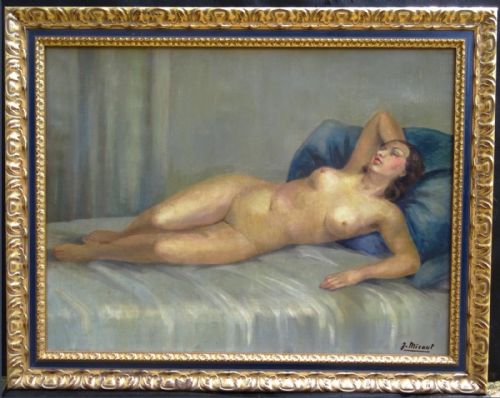
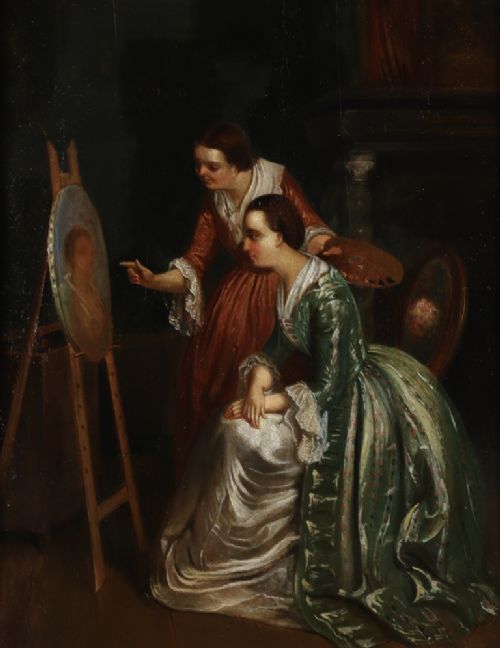
These pieces encompass oil paintings, watercolours and fine art studies centring on the human form, portraits and interior scenes. You will frequently encounter oils on canvas and panel spanning from the eighteenth century through to the mid twentieth century.
The selection ranges from classical eighteenth century portraits and nineteenth century romantic scenes to twentieth century impressionist, expressionist and modernist interpretations. Works often depict figures in interiors, landscapes or intimate studies of sitters.
Origins stretch across classic academic traditions, regional workshops and notable artistic circles in Paris. Collectors seek these works for their narrative depth and the distinct character of continental portraiture.
Materials and construction
Makers utilised traditional grounds of oil paint applied to woven canvas, wooden panels or copper plates, occasionally working on paper for watercolours and studies. Canvases are frequently stretched over wooden frames and housed in period giltwood or gilt wood surrounds.
Brushwork varies from the tight, controlled glazing of earlier academic pieces to the looser, gestural marks characteristic of impressionist, fauve and expressionist compositions. Pigments are worked in layers to build depth in skin tones, drapery and interior shadows.
Listings feature works spanning from the 1800s to the 1960s, employing oil paint, watercolour, and copper supports.
Judging quality
Quality rests upon the confidence of the draughtsmanship, the expressive handling of the medium and the psychological depth of the portrayal. Superior examples display assured command of anatomy, light and shadow, whereas lesser pieces can feel stiff or formulaic in execution.
The sophistication of the palette and the preservation of the original paint surface significantly influence the standing of a work. Intact period frames that complement the painting without later alteration further elevate the piece.
Gabriel Dauchot·Frederick Bartman·Leon Girardet·Pinchus Kremegne
The French School Figurative Artwork Glossary
- Oil on canvas
- Pigment suspended in a drying oil, most commonly linseed, and painted onto a stretched fabric support. This remains the primary medium for most historic figurative works.
- Giltwood
- Wood, typically carved timber, coated with a thin layer of gold leaf or gilt finish. Frames of this description often accompany period portraits.
- Impressionism
- A nineteenth century painting style characterised by relatively small, thin yet visible brush strokes and an emphasis on accurate depiction of light. Artists working in this manner prioritized atmospheric effects.
- School of Paris
- A term denoting the diverse community of artists who worked in Paris during the early and mid twentieth century. It embraces various modernist approaches including expressionism and fauvism.
- Rococo
- An ornate style originating in eighteenth century France, marked by lightness, elegance and curved forms. Paintings from this context often feature decorative interior scenes and pastoral human figures.
French School Figurative Artwork: Frequently Asked Questions
How do I date an old portrait?
Dating relies on examining the costume, hairstyle, and stretcher construction of the canvas. Pigment analysis and canvas weave can also offer clues regarding the decade of creation.
Secondary indicators include the style of the frame and any handwritten inscriptions or signatures on the reverse of the stretcher or panel.
Where should I hang these paintings?
These figurative works suit principal reception rooms, studies, or hallways where lighting can be controlled to prevent direct sun damage. Pairing them with traditional or eclectic interiors enhances their historic character.
Ensure they are placed away from heat sources like radiators to protect both the canvas and any original gilt wood frame.
How do I care for oil on canvas?
Keep paintings in a stable environment with moderate humidity and minimal temperature fluctuations. Dust the surface very gently with a soft, dry brush without applying pressure.
Avoid using water, chemical cleaners, or damp cloths on the paint surface or frame. Professional restoration should be sought for any tears or flaking.
What defines French Expressionism?
French Expressionism focuses on evoking emotional responses rather than physical reality through distorted forms and bold colours. Figures and interiors are rendered with heightened psychological intensity.
Brushwork is typically vigorous and deliberate, setting it apart from the more naturalistic approach of earlier academic traditions.