


Reclining Figure Artwork
Reclining figure artwork captures human repose across centuries, bringing intimate studies and grand sculptural forms into your home.
Reclining Figure Artwork
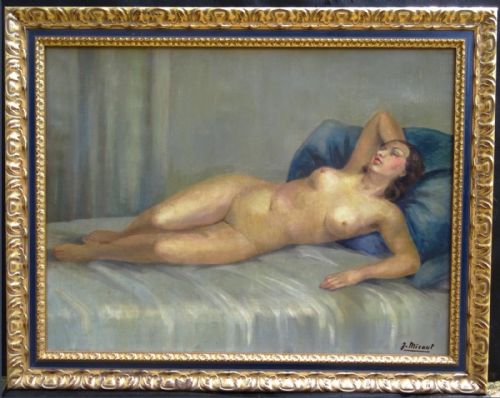
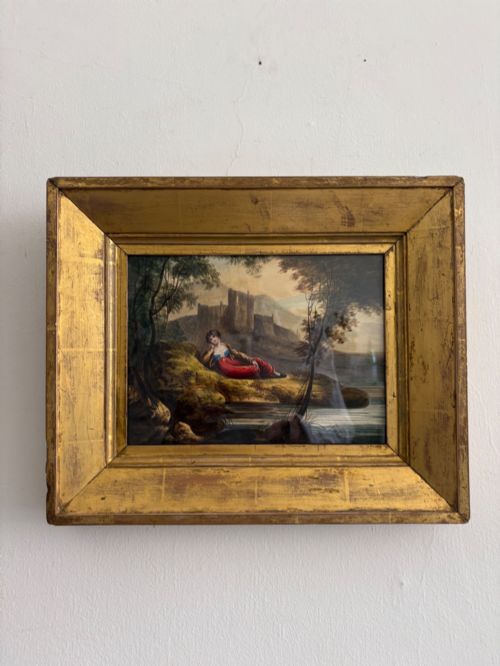
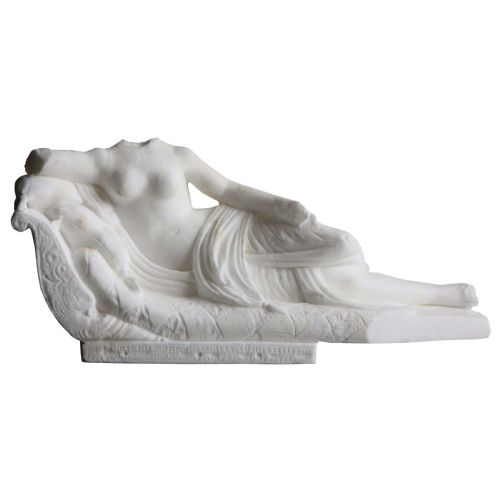
Reclining figure artwork encompasses paintings, drawings, and sculptures depicting figures at rest, spanning from the eighteenth century through to the mid twentieth century. These pieces range from classical marble carvings to modern British studies in oil, charcoal, and watercolour.
You will most frequently encounter mid twentieth century figurative studies and post war oil paintings on canvas or board. Works by listed artists such as Frank Dobson and Raymond Arthur Roadnight sit alongside nineteenth century watercolours and earlier Italian school paintings.
Materials and Methods
Painters utilise oil paint on canvas, sometimes laid onto board, alongside charcoal and chalk on paper for preparatory life studies. Watercolours on paper also appear, often framed behind glass within period gilt mouldings.
Sculptors shape materials such as Carrara marble to create polished figures that echo classical subjects. Each medium demands specific handling, from the fluid application of pigment to the precise carving of stone.
Listings feature works created across three centuries, utilising oil paint, charcoal, chalk, watercolour, canvas, wood, paper, and Carrara marble.
Assessing Quality and Execution
Quality rests in the sureness of the draughtsmanship and the artist's command of human anatomy during life studies. A confident charcoal stroke or a fluid oil application demonstrates a deeper mastery than stiff, hesitant rendering.
The choice of medium and the preservation of the surface material significantly influence the character of the piece. Intact original frames, stable canvas supports, and clean paper surfaces elevate the overall presence of the artwork.
Antonio Canova·Peter Jackson·Raymond Arthur Roadnight·Frank Dobson
The Reclining Figure Artwork Glossary
- Life study
- A drawing, painting, or sculpture created from a live nude model. Artists use these sessions to capture accurate proportions and tonal shadows.
- Carrara marble
- A type of white or blue grey marble from the city of Carrara in Italy. Sculptors prize it for its fine grain and luminous finish.
- Gilt frame
- A wooden picture frame covered with a thin layer of gold leaf or metallic gilt paint. These frames were often ornate and designed to complement nineteenth century paintings.
- Post war realism
- An artistic movement focusing on representational depictions of everyday life and figures after the Second World War. Painters in this tradition emphasised observable reality over abstraction.
- Watercolour
- A painting method where the paints are made of pigments suspended in a water based solution. Applied to paper, it creates translucent layers of colour.
Reclining Figure Artwork: Frequently Asked Questions
What periods do these artworks cover?
The pieces span multiple centuries, ranging from eighteenth century Italian school paintings to nineteenth century watercolours. You will also find twentieth century works from the nineteen thirties, forties, and fifties.
This broad timeline means you can choose between neoclassical marble, romantic studies, and post war British realism depending on your taste.
How should I display a charcoal drawing?
Charcoal and chalk works on paper require careful framing behind glass to protect the delicate medium from smudging and atmospheric moisture. Keep them away from direct sunlight to prevent the paper from yellowing over time.
Proper framing preserves the subtle gradations of shadow that the artist created during the initial life study.
What is the difference between a study and a finished painting?
A life study is typically a direct observation of a model, created to explore form, light, and anatomy without necessarily being intended for public exhibition. These works often display visible charcoal lines or rapid brushwork.
Finished paintings usually involve more preparation and a higher degree of compositional polish, though studies are often prized for their spontaneous energy.
How do I identify a mid century figurative work?
Mid century figurative works often show expressive brushstrokes and a modern interpretation of the human form, distinct from strict nineteenth century academic realism. Artists from this era experimented with simplified lines and atmospheric backgrounds.
Looking at the signature, materials, and framing style will often help confirm the mid twentieth century origin of the piece.