
British Figure Painting
British figure painting captures human presence within landscapes, interiors and portraits, offering buyers a window into historical social scenes and academic studies.
British Figure Painting
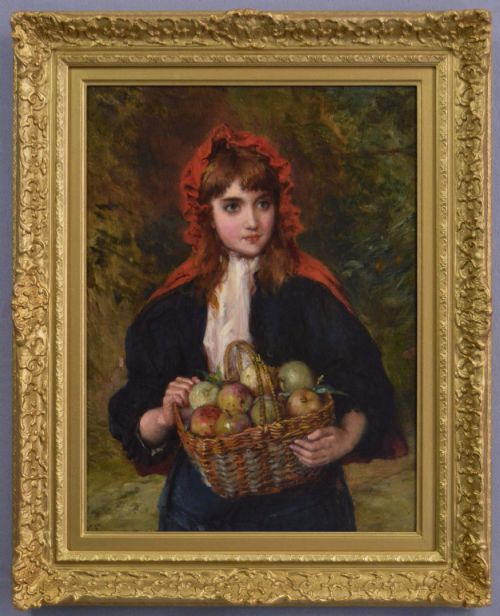
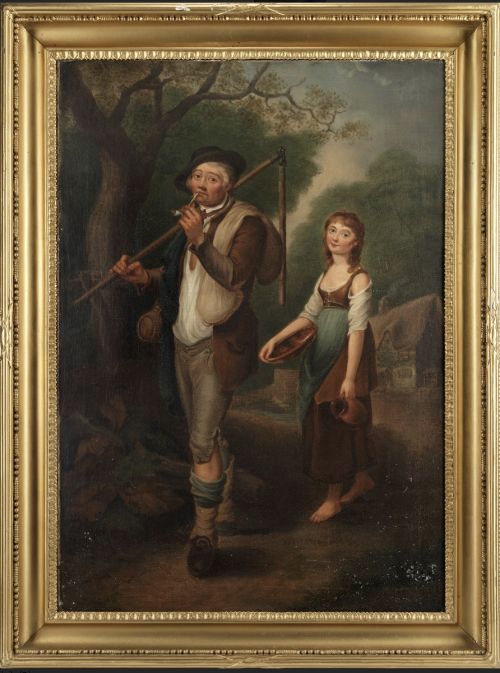
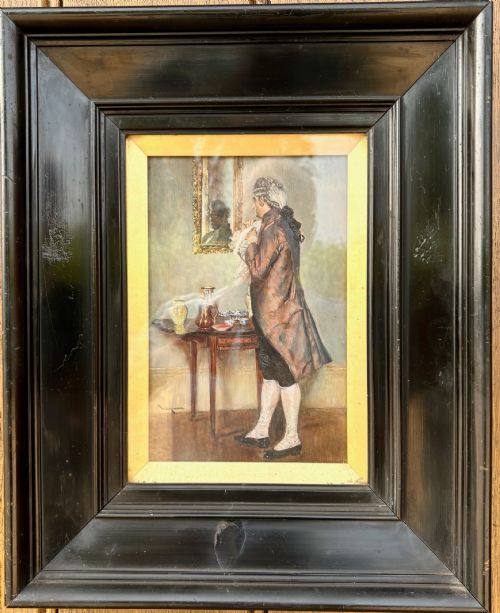
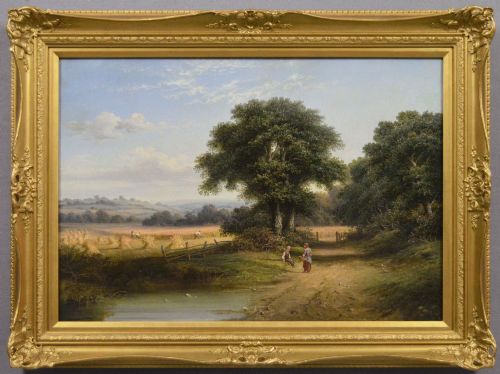
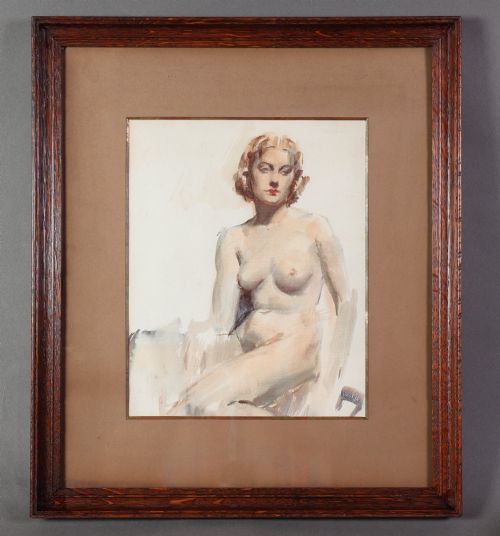
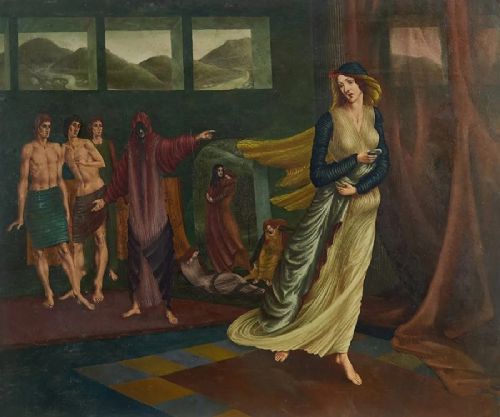
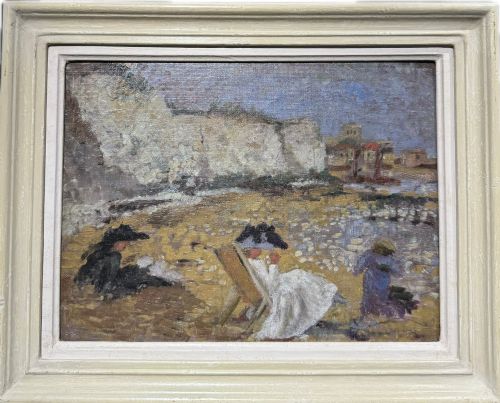
When examining British figure painting, buyers encounter works ranging from intimate portraits and pastoral genre scenes to studio nudes and coastal compositions. The selection spans centuries of artistic expression, capturing people at work, rest and leisure within varied settings.
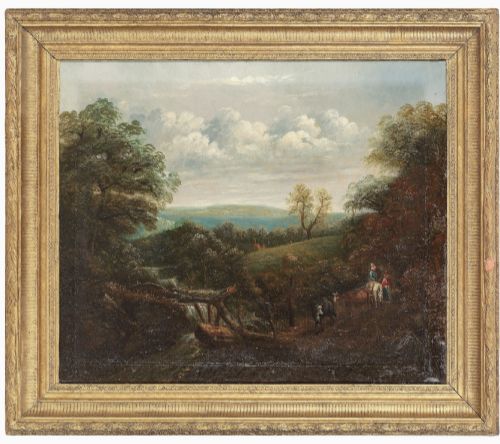
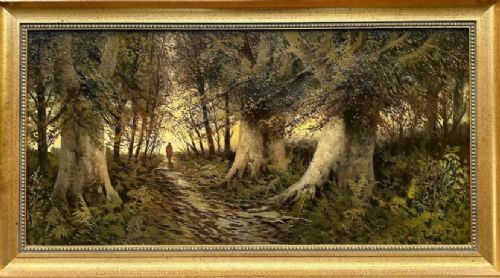
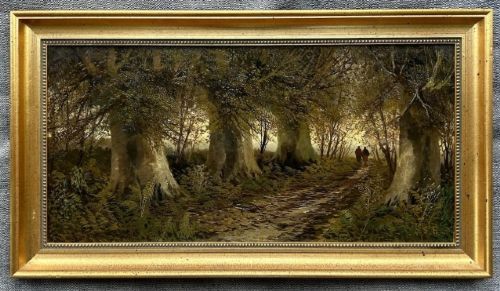
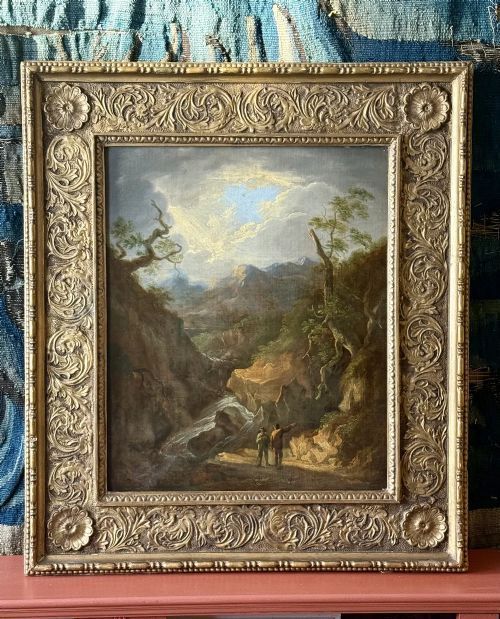
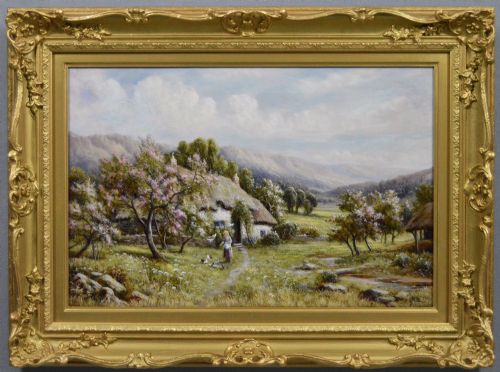
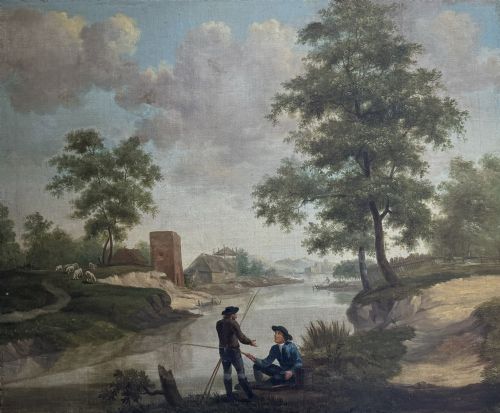
The pieces on this page appear most frequently in oil and watercolour mediums, rendered on canvas, panel or paper support. Subjects often inhabit rural landscapes, woodland clearings, riverbanks and domestic interiors.
Origins stretch from the eighteenth century through the Victorian era into mid-century modern movements. Works attributed to named artists share space with pieces from the broader British School.
Materials and Techniques
Artists relied primarily on oil paint applied to canvas or wooden panels, alongside watercolour pigments worked onto paper. Giltwood framing frequently accompanies these canvases, adding structure and historical context to the presentation.
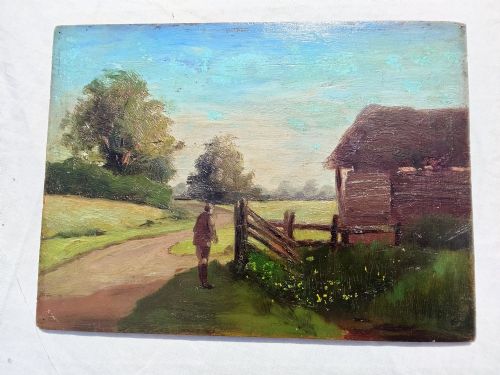
Techniques range from academic precision in portraiture to looser brushwork characteristic of impressionism and plein air landscapes. Support materials such as board and panel provide rigid foundations for detailed pigment layering.
Pan, god of nature, occasionally interrupts rural English river landscapes to play his panpipes.
Determinants of Quality
Quality in these works rests upon the artist's command of proportion, light and anatomical accuracy within the composition. Skilled handling of pigment brings depth to fabrics, foliage and facial expressions.
The integration of the subject within the surrounding landscape or interior distinguishes more accomplished examples. Preservation of the original canvas, panel and pigment surface further defines the standing of a piece.
William Oliver·Thomas Barker of Bath·Benjamin Barker of Bath·Robert John Hammond·Walter Heath Williams·James Stroudley·Ronald Ossory Dunlop·Henry H Parker·Thomas Baker of Leamington·William Etty·James Clark
The British Figure Painting Glossary
- Genre painting
- A style depicting scenes from everyday life, typically involving ordinary people engaged in common activities. These works provide social historians with detailed records of historical dress and custom.
- Oil on canvas
- A traditional painting method utilising pigment suspended in drying oils spread across stretched woven fabric. This medium allows for rich colour blending and textured impasto applications.
- Watercolour
- A painting method where pigment is suspended in a water-soluble vehicle, typically applied to paper. The technique relies on translucent washes to achieve luminosity.
- Norwich School
- The first provincial art movement in Britain, focusing predominantly on local landscapes and rural scenes. Practitioners captured the topography and light of East Anglia.
- Giltwood
- Timber carved and surfaced with a thin layer of gold leaf. Frames finished in this manner frequently complement traditional oil paintings.
British Figure Painting: Frequently Asked Questions
What defines British figure painting?
British figure painting encompasses works created by artists based in Britain who place human subjects at the centre of their compositions. These span formal portraits, rural workers in landscapes and studio nudes.
Subjects appear in oils and watercolours across periods ranging from the Georgian era to the mid-twentieth century.
How should I care for these paintings?
Protect oil paintings and watercolours by placing them away from direct sunlight and excessive humidity. Stable indoor temperatures prevent cracking in both the wooden panels and canvas supports.
Dust surfaces gently with a soft, dry brush and avoid applying liquid cleaners to painted areas.
How do I identify the period of a painting?
Dating relies on examining the stretcher frames, canvas types, pigment composition and stylistic conventions. Victorian works often show narrative realism, whereas mid-century pieces reflect modernist abstraction.
Signatures, dates inscribed on reverses and framing materials provide further chronological clues.
Were these paintings always framed?
Most oil paintings and watercolours received frames contemporaneous with their creation or subsequent exhibition history. Giltwood frames were standard for formal oils during the nineteenth century.
Original framing helps preserve the edges of canvases and panels from environmental wear.