



Vintage Figure Oil Study
A vintage figure oil study captures the human form through oil paint on canvas, board, or paper, offering buyers intimate academic and expressive works spanning distinct historical periods.
Vintage Figure Oil Study
A vintage figure oil study represents works created primarily to explore the human form, ranging from intimate character portraits to detailed academic and expressionist compositions. When searching for this phrase, a buyer encounters paintings executed across the nineteenth, twentieth, and mid-century periods by named artists and anonymous schools alike.
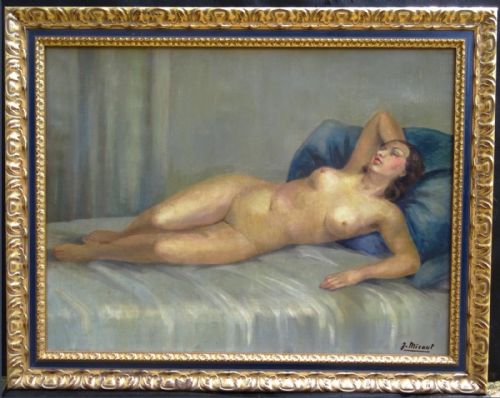
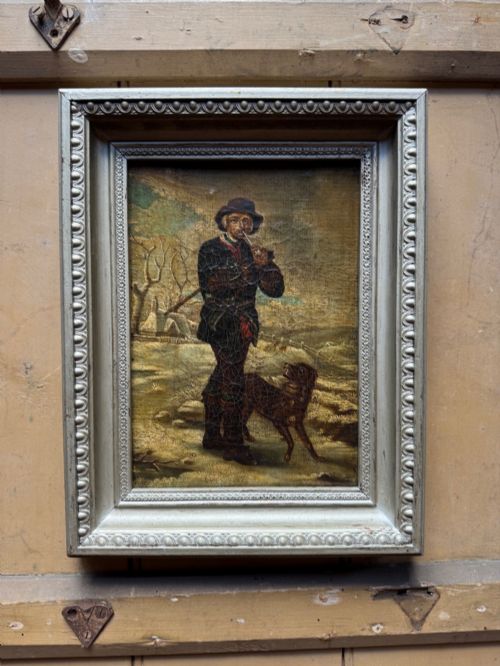
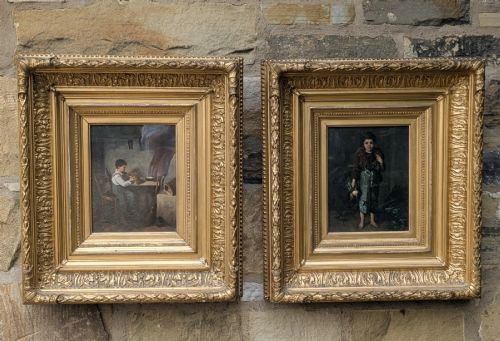
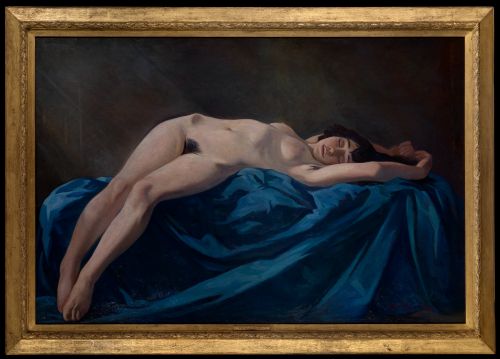
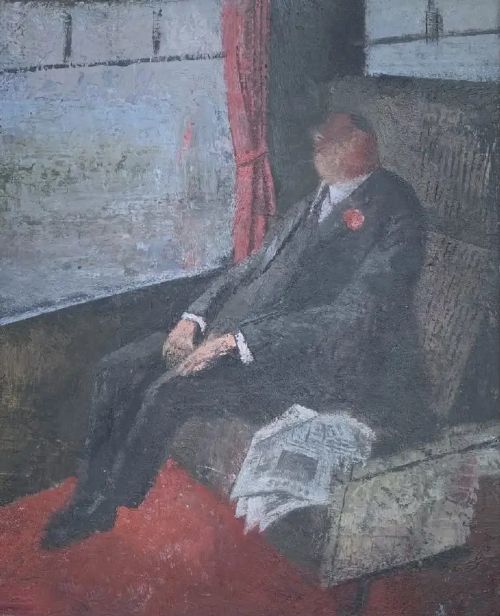
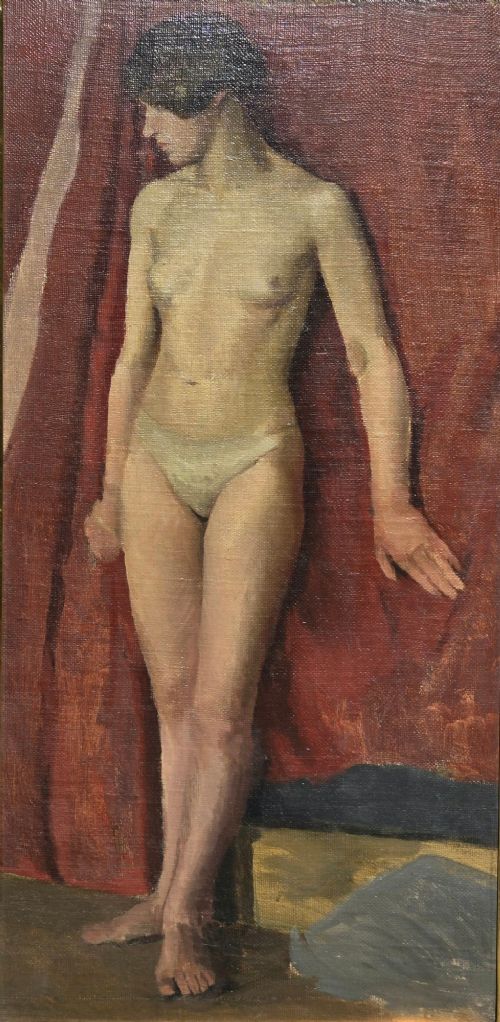
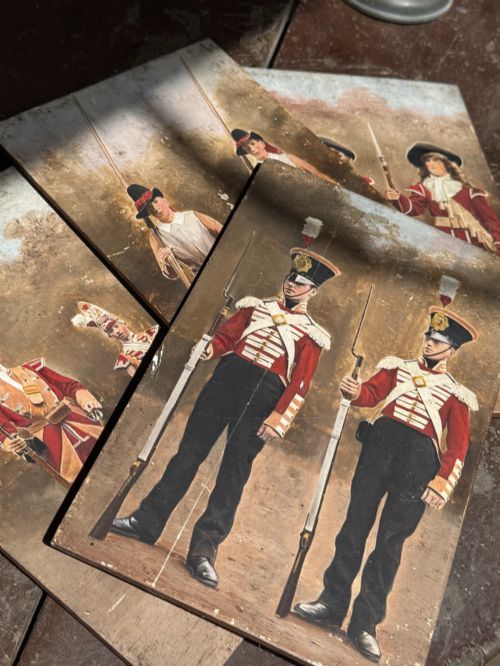
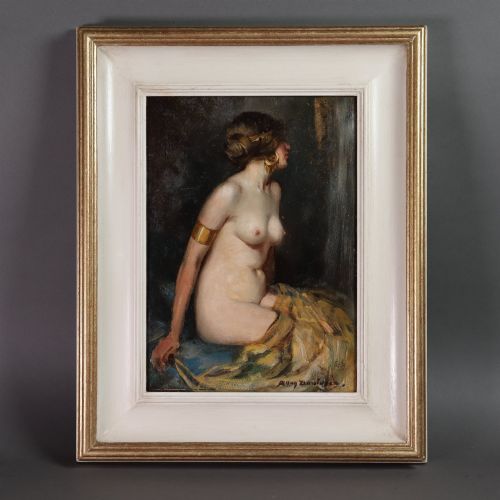
The pieces on this page span diverse stylistic movements including Modern British, Impressionism, Academic Realism, and Post-War British Realism. Subjects include seated and reclining nudes, soldiers on panel, self-portraits, and character studies rendered in oil mediums.
Most examples originate from British and French studios, capturing the shifting approaches to figure painting through successive decades. These works range from small oil sketches on board and paper to large canvases intended for formal exhibition.
Materials and Techniques
These works rely on oil paint applied to prepared surfaces such as canvas, wood panel, board, and paper. Artists manipulate these traditional mediums to build texture, tone, and depth within each figure study.
Support materials vary according to the date and purpose of the work, with older pieces typically employing stretched canvas or wood panels, while later twentieth-century studies frequently utilise board or paper.
Listings feature oil paintings executed on canvas, wood, board, and paper across periods spanning the nineteenth to the mid-twentieth century.
Factors of Quality
Quality in a figure study rests upon the confidence of the brushwork and the artist's command of proportion, light, and shadow. Stronger pieces display a clear understanding of anatomical structure and tonal nuance, whereas lesser examples rely on stiffer, less resolved execution.
The pedigree of the painter and the expressive force of the composition further separate the finest works from ordinary academic exercises. Works showing deliberate experimentation with colour and form command greater artistic interest than routine studio output.
Eric Robertson·Winifred Rymer·Alexandre-Louis Martin·Allan Douglas Davidson·James Clark·Peter Jackson·Yetta Kane·Raymond Arthur Roadnight·Kershaw Schofield
The Vintage Figure Oil Study Glossary
- Oil paint
- A slow-drying paint made of pigment suspended in a drying oil, typically linseed oil. This medium allows artists to blend tones smoothly and build up rich surface textures over time.
- Canvas
- A heavy woven fabric used as a surface for oil painting, usually stretched over a wooden frame. It provides a resilient and responsive ground for brushwork.
- Academic realism
- A style of painting stemming from the standards of European art academies. It emphasises precise anatomical accuracy, careful drawing, and traditional composition.
- Chiaroscuro
- An artistic technique using strong contrasts between light and dark to give a sense of volume to three-dimensional figures. It is frequently employed in figure studies to create dramatic depth.
Vintage Figure Oil Study: Frequently Asked Questions
What defines a figure study?
A figure study is a painting or drawing created primarily to examine the human body, gesture, or expression. Artists produce these works either as preparatory exercises for larger compositions or as finished autonomous pieces.
They offer insight into the observational skills of the creator and the academic training of a specific era. These pieces focus closely on the subject rather than elaborate background narratives.
How do I care for an oil painting on paper?
Oil paintings on paper require careful framing behind glass with acid-free mounts to protect the fragile support from environmental damage. Direct sunlight and high humidity must be avoided to prevent the paper from warping and the oil medium from degrading.
Keep the piece in a stable indoor climate away from direct heat sources. Professional framing ensures the paper remains uncompressed and correctly ventilated.
How can I distinguish mid-century studies?
Mid-century figure studies often display freer brushwork, bolder colour palettes, and simplified forms influenced by expressionist and modern movements. Artists working during this period frequently experimented with non-traditional supports like board alongside conventional canvas.
The signatures, framing materials, and stylistic cues often point directly to post-war art school training and exhibition practices.
Where should I hang a figure study?
These works suit intimate spaces, studies, or living rooms where viewers can appreciate the finer details of brushwork and tone up close. Adequate lighting, such as a dedicated picture light, helps reveal the texture of the oil paint and the subtleties of the composition.
Pairing a study with complementary period furnishings enhances its visual impact within a room.