



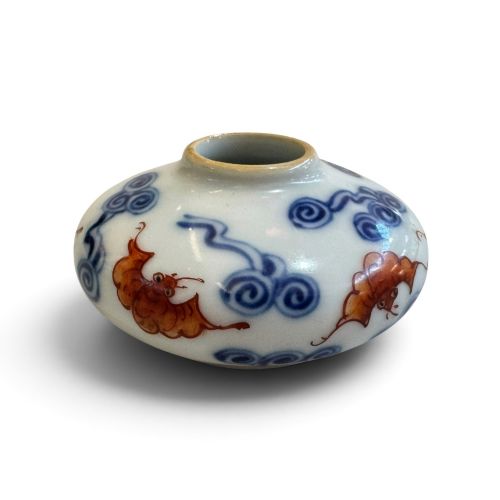
Blue and White Pottery
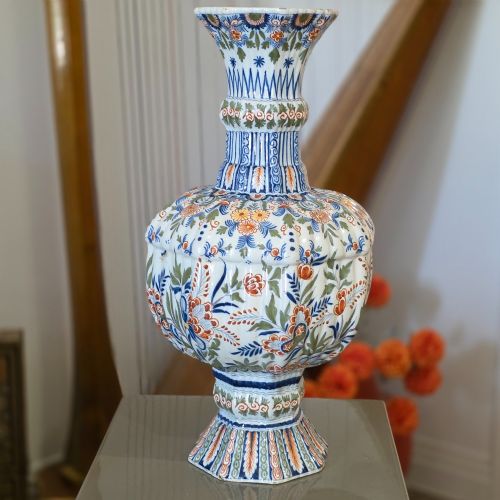
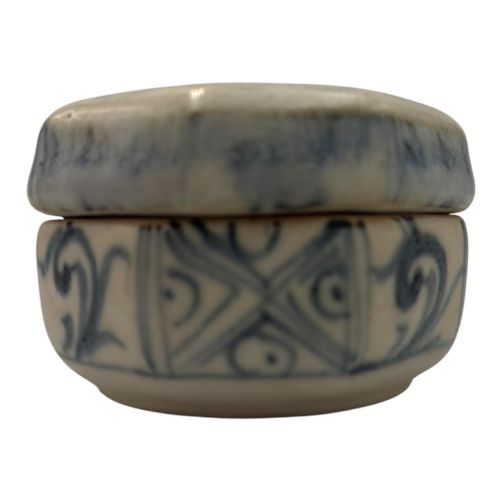
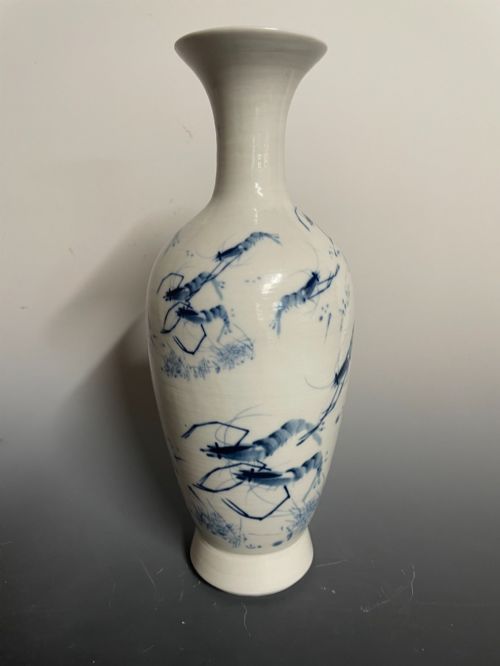
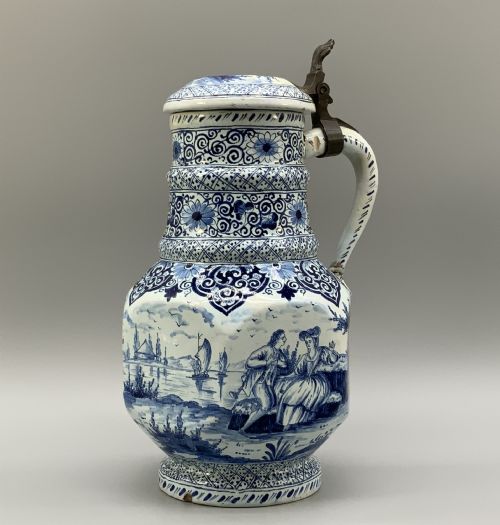
Cobalt pigment meeting white clay creates blue and white pottery, prized for centuries across global kilns for vivid pictorial decoration.
Blue and White Pottery
Blue and white pottery encompasses a vast international tradition of ceramic vessels and tableware decorated with cobalt blue oxides against white backgrounds.
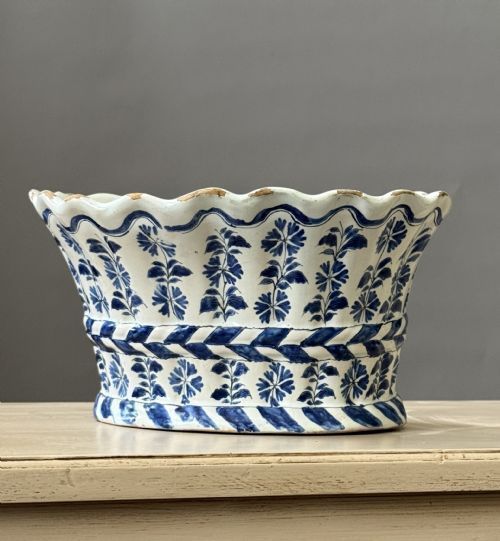
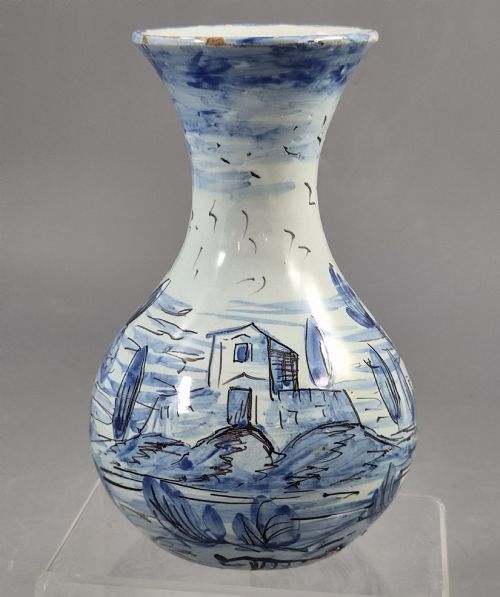
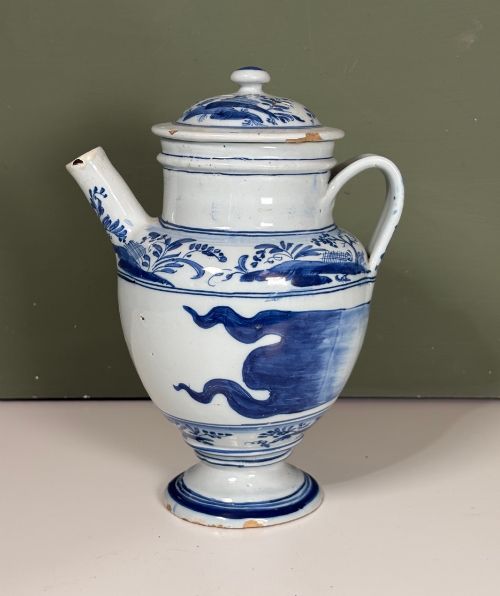
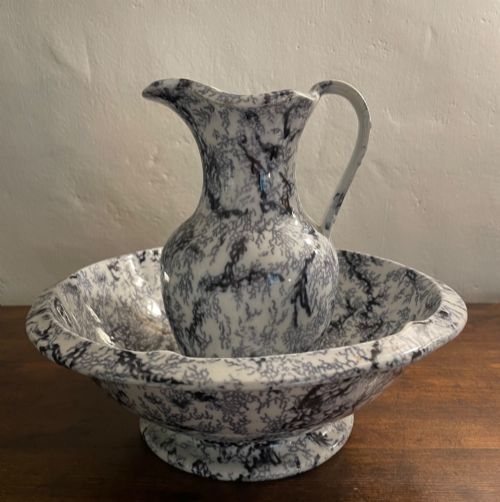
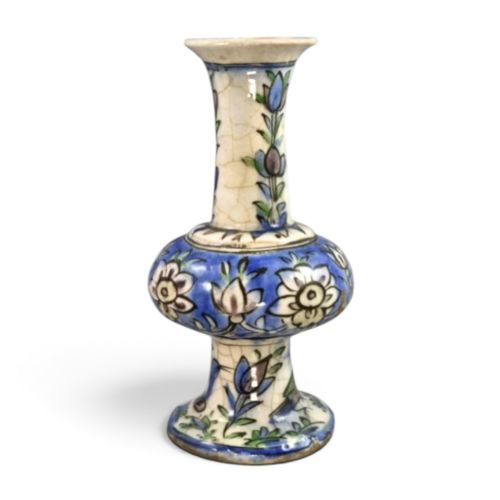
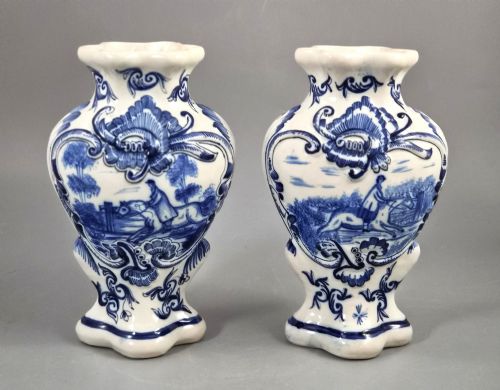
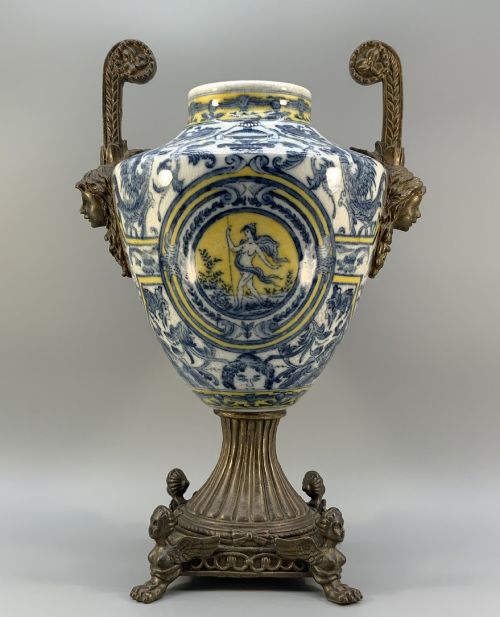
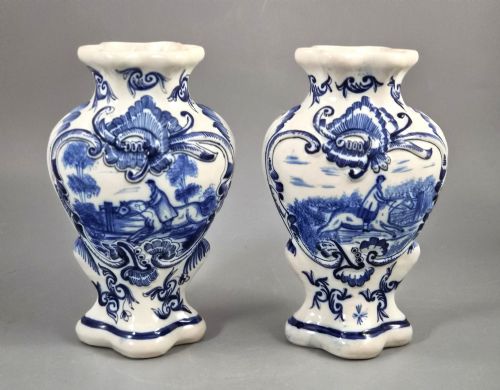
The selections span utilitarian vessels and grand display items, featuring charger plates, deep serving platters, apothecary jars, vases, and transferware dishes.
Origins stretch from European delftware and Staffordshire earthenware to Asian porcelain and Persian ceramic production across the seventeenth to twentieth centuries.
How They Were Made
Potters shaped earthenware, tin-glazed bodies, and hard-paste porcelain on the wheel or in moulds before applying cobalt pigments directly to the surface.
Many English and European factory pieces utilise transfer printing, a mechanical copperplate method that applied intricate engraved pictorial scenes onto the raw ceramic body prior to glazing and firing.
Tough glass-like glazes, including tin glazes and clear formulas, sealed the porous earthenware or vitrified porcelain during high-temperature kiln firings to fix the characteristic deep blue tones.
Historic ceramic production occasionally included puzzle jugs designed with hidden spouts to trick unsuspecting drinkers at tavern gatherings.
What Varies in Quality
The clarity and crispness of the cobalt painting or transfer print dictate the visual success of the piece, separating blurred or runny designs from sharp, detailed execution.
The potting technique itself reveals craftsmanship through even wall thickness, balanced forms on vases and jugs, and stable flat bases on large charger plates.
The purity of the white glaze background and the depth of the cobalt pigment create a striking aesthetic contrast found in the finest historic examples.
Spode·Mintons·Doulton Burslem·Don Pottery·John Rogers and Son
The Blue and White Pottery Glossary
- Transferware
- A ceramic decorating technique where an engraved copperplate transfers a monochromatic ink design onto paper, which is then pressed onto the unfired pottery body.
- Tin-Glazed Earthenware
- Pottery covered with a white tin-oxide glaze that provides an opaque white canvas for hand-painted cobalt designs, common in Dutch delftware and French faience.
- Charger
- A large decorative plate or shallow dish originally used for ceremonial dining or grand sideboard display rather than everyday table service.
- Bough Pot
- A specialised ceramic vessel designed with pierced lids or openings specifically to hold cut flowering tree branches for interior decoration.
- Underglaze
- Pigment applied directly to the raw or bisque ceramic body before the transparent glaze layer is added, protecting the painted design permanently beneath the glass surface.
Blue and White Pottery: Frequently Asked Questions
What is blue and white pottery?
Blue and white pottery refers to ceramic objects decorated with cobalt blue pigment on a white background, spanning centuries of global manufacturing traditions.
These pieces range from hand-painted earthenware delftware chargers to mass-produced nineteenth-century English transferware plates and tureens.
How were these antique patterns made?
Makers applied cobalt blue either by hand with fine brushes or through copperplate transfer printing onto the ceramic body before firing.
After decoration, the pieces received a protective glaze coating and underwent high-temperature kiln firing to seal the vibrant blue pigments permanently.
How do I style pottery in my home?
Large charger plates and platters work well mounted on walls or displayed upright on sturdy plate stands for maximum visual impact.
Smaller vessels like jugs, vases, and bowls can be grouped on tabletops or sideboards to highlight contrasting patterns and historic forms.
How do I tell different periods apart?
Early pieces often feature hand-painted tin glazes on softer earthenware bodies with organic variations in the cobalt brushwork.
Later nineteenth-century pieces frequently display crisp, uniform transfer-printed historical or landscape scenes stamped with specific factory marks on the reverse.