


Blue and Orange Ceramic Urn
These pieces give a blue and orange ceramic urn its distinctive presence through traditional palettes and robust forms.
Blue and Orange Ceramic Urn
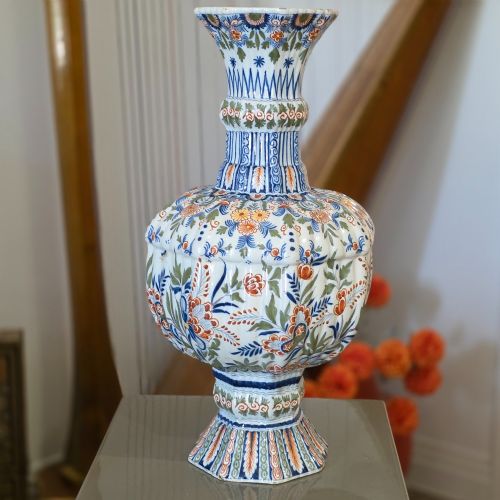
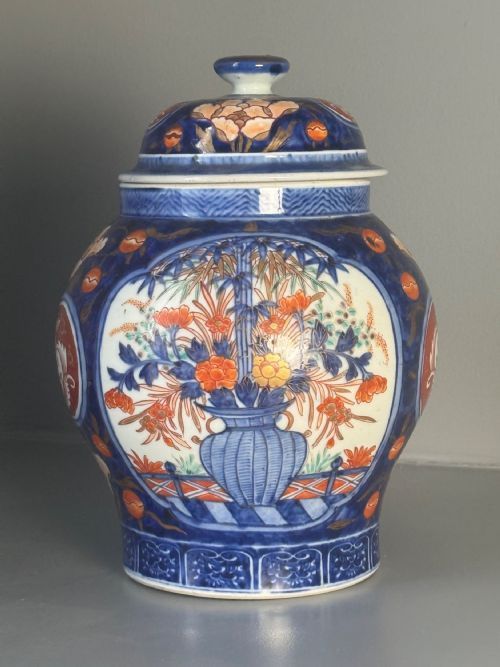
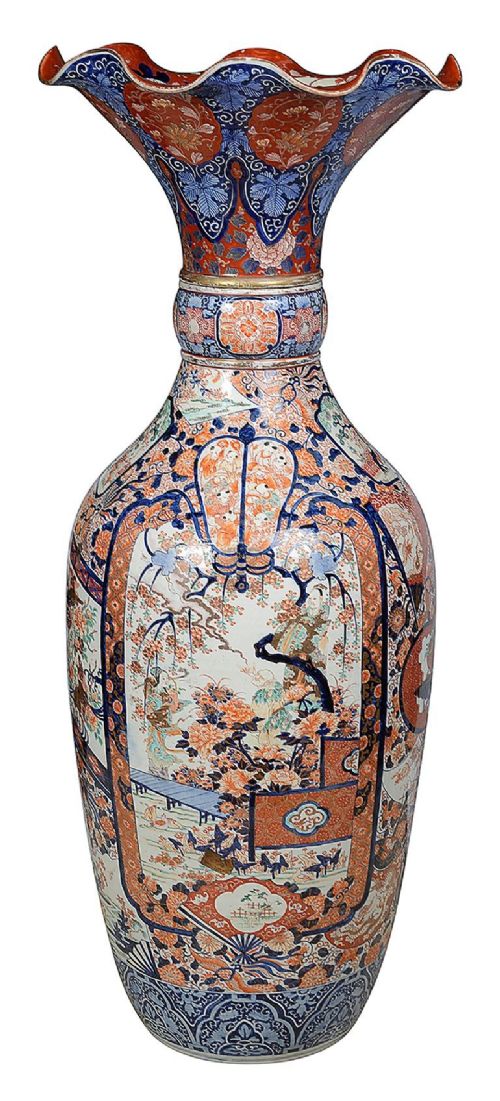
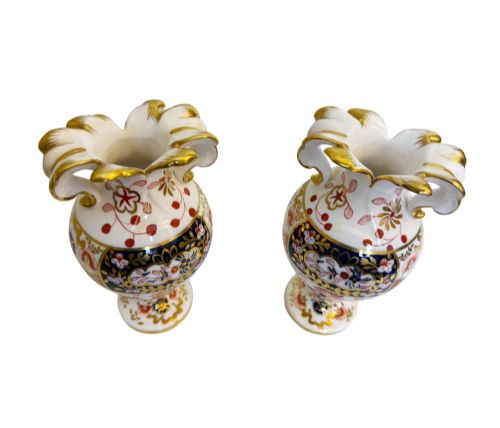
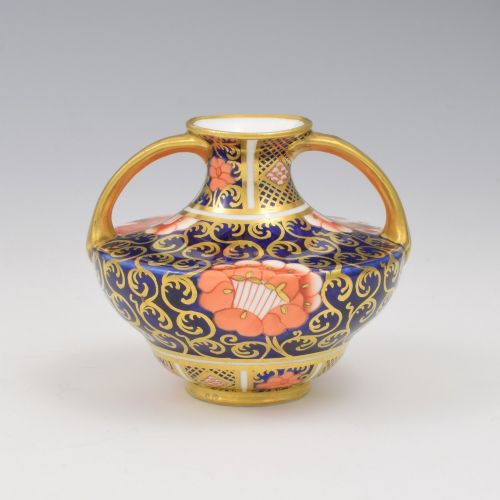
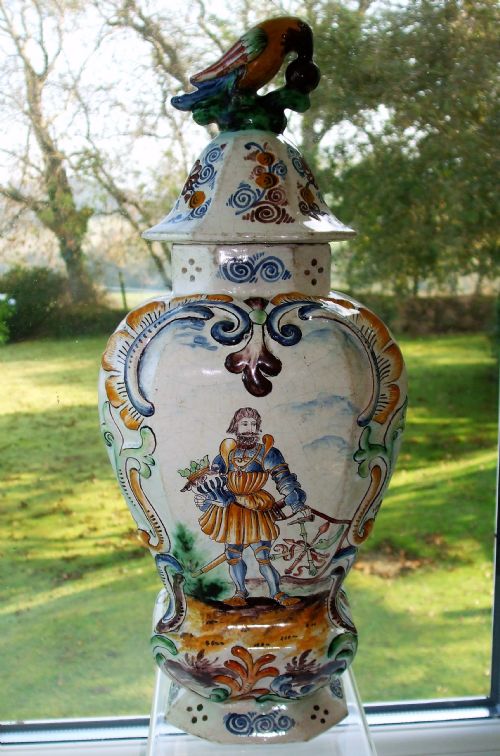
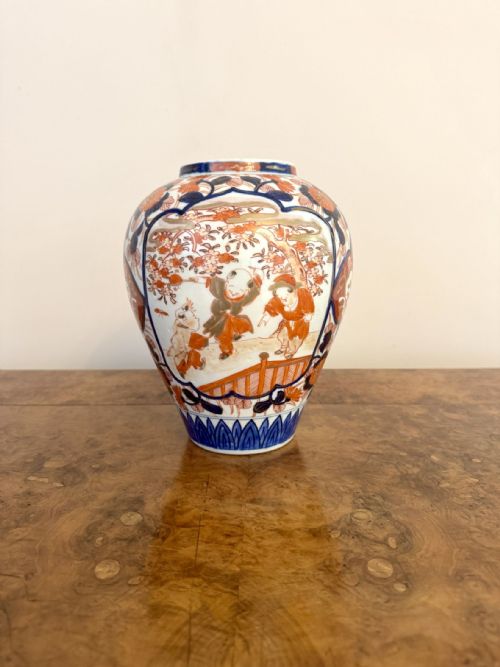
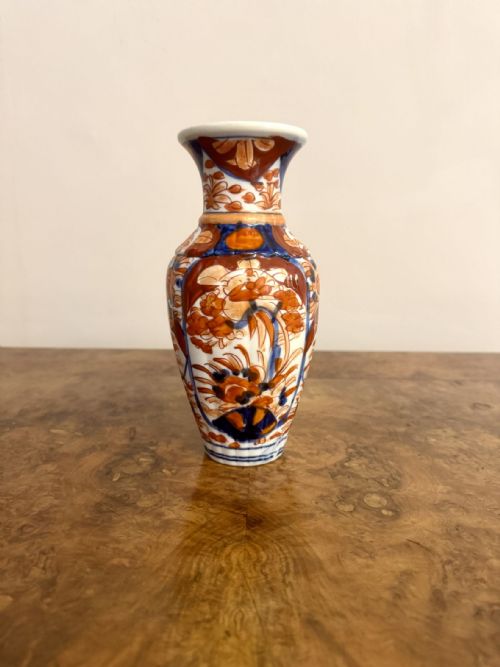
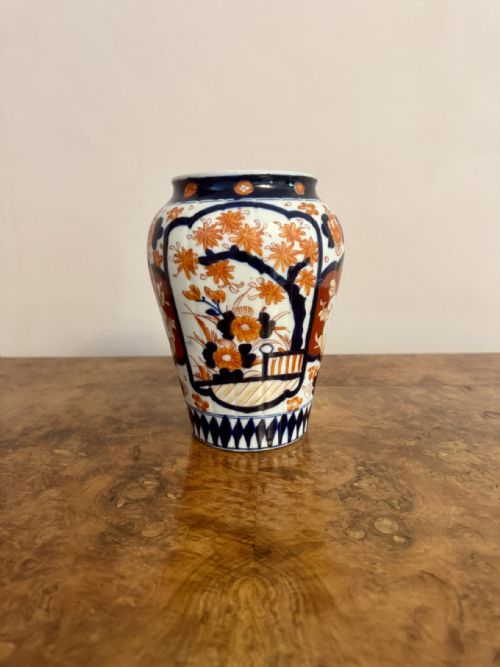
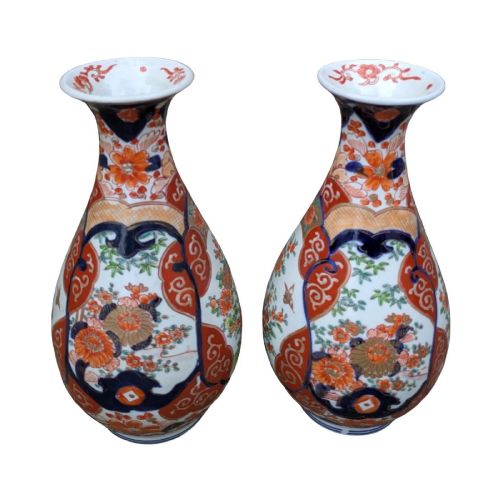
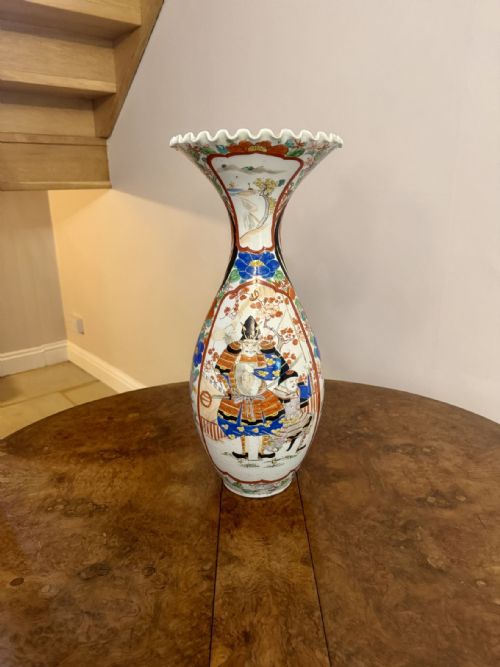
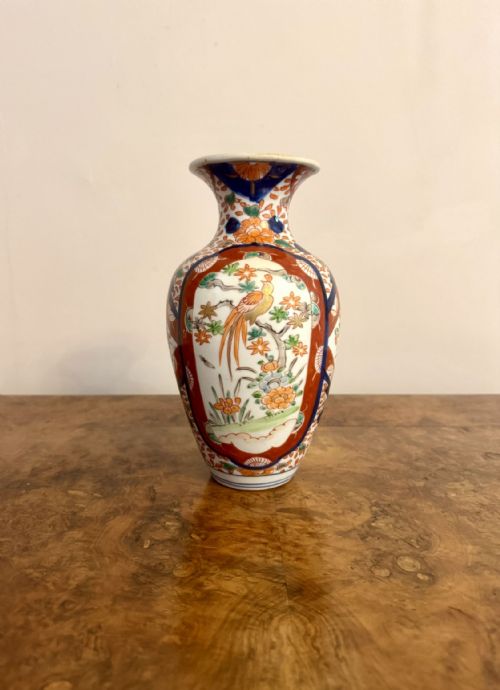
A blue and orange ceramic urn on this page appears predominantly as Japanese Imari porcelain from the nineteenth century, alongside Dutch Delftware and English ironstone. These vessels take various forms including ginger jars, double gourd vases, lidded covers, and large floor standing pieces originating from periods spanning the eighteenth century to the Edwardian era.
Japanese Imari examples dominate the selection, often presenting rich cobalt blue and iron red alongside gilt highlights. Collectors encounter everything from miniature cabinet items to substantial floor standing vases reaching notable heights.
How they were made
Potters shaped these vessels from ceramic, earthenware, ironstone, and porcelain bodies, applying underglaze blue and iron red enamel pigments. Many examples incorporate gold leaf or gilt details to accent the painted motifs.
Master craftsmen fired these ceramics in kilns to fix the glaze and enamels, occasionally combining hand-thrown bodies with moulded elements for twin-handled or lidded forms.
Some double gourd vases mimic the shape of traditional East Asian water containers.
What varies in quality
The precision of the hand-painting dictates the visual impact, with finer pieces displaying crisp cobalt lines and carefully controlled enamel work. Superior examples also maintain crisp definition in moulded details and rich, intact gilt or gold leaf applications.
Spode·Royal Crown Derby·Mason
The Blue and Orange Ceramic Urn Glossary
- Imari
- A style of Japanese porcelain decorated in underglaze blue, iron red, and gilt. This palette creates the characteristic warm contrast found on many period vessels.
- Ironstone
- A type of durable earthenware developed in the nineteenth century. It provides a robust body suitable for heavy decorative pots.
- Gilt
- A thin layer of gold applied to the surface of ceramics. It highlights rims, handles, and painted motifs.
- Baluster
- A vase shape with a rounded body and a narrower neck. This form supports stable display on tables and floors.
Blue and Orange Ceramic Urn: Frequently Asked Questions
What is an Imari urn?
An Imari urn is a ceramic vessel decorated in the traditional Japanese palette of cobalt blue and iron red, frequently accented with gold.
These pieces were produced in large quantities for export during the Meiji period and earlier centuries.
How were these urns used?
These vessels served primarily as decorative objects, garnitures, or ginger jars in period interiors.
Larger floor-standing examples filled empty corners in reception rooms while smaller lidded jars held dried potpourri.
How do I date a ceramic urn?
Dating relies on examining the ceramic body, glaze characteristics, and the style of the hand-painted decoration.
Nineteenth-century Japanese and English pieces display distinct potting techniques compared to earlier eighteenth-century Delftware.
Where should I place a large floor vase?
Large floor vases require stable placement away from heavy foot traffic to prevent accidental tipping.
They work well in entrance halls or spacious rooms where their height can be appreciated.