


Blown Glass Jug
Blown glass jugs are functional vessels shaped by free-blowing and moulding, prized by collectors for their colour, historical weight, and tactile optical qualities.
Blown Glass Jug
A blown glass jug is a hollow vessel formed by gathering molten metal on a blowpipe and shaping it by breath and iron tools, ranging from small creamers to large water pitchers. When searching for a blown glass jug, buyers encounter domestic and decorative forms stretching from the eighteenth century through the Victorian era to the mid-twentieth century.
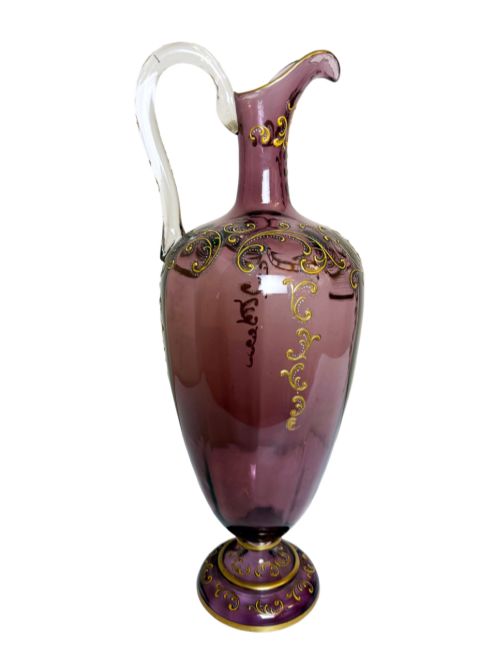
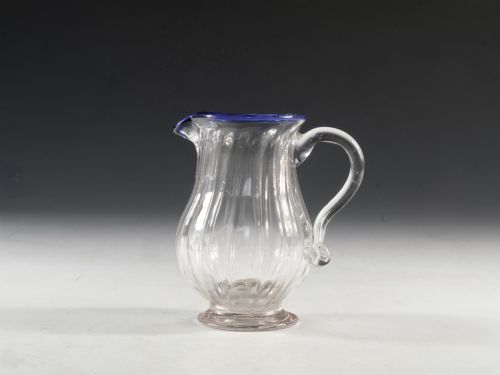
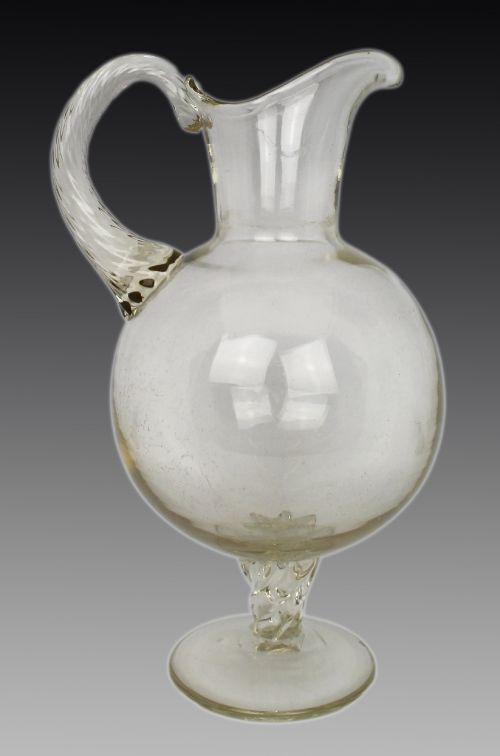
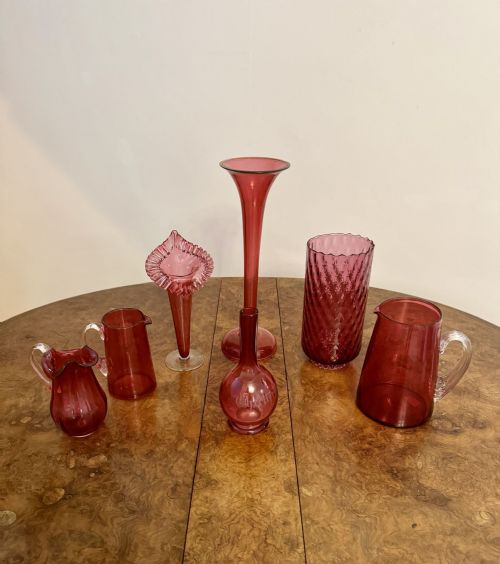
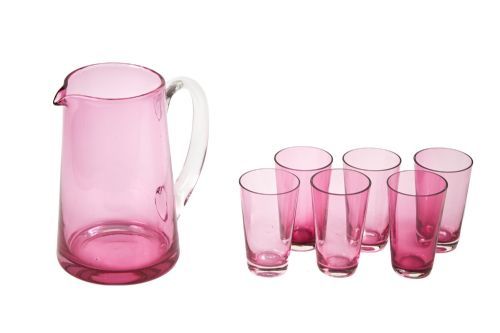
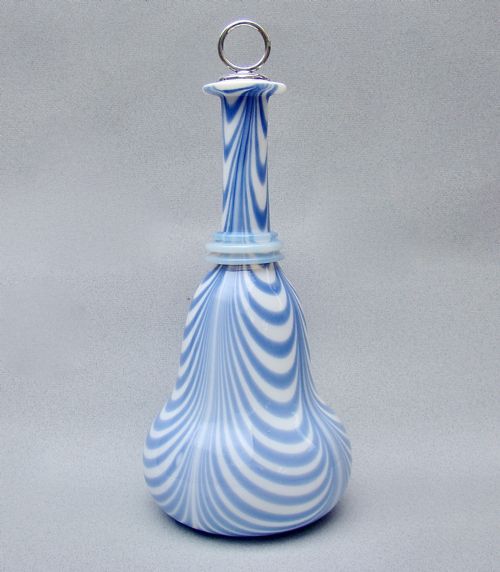
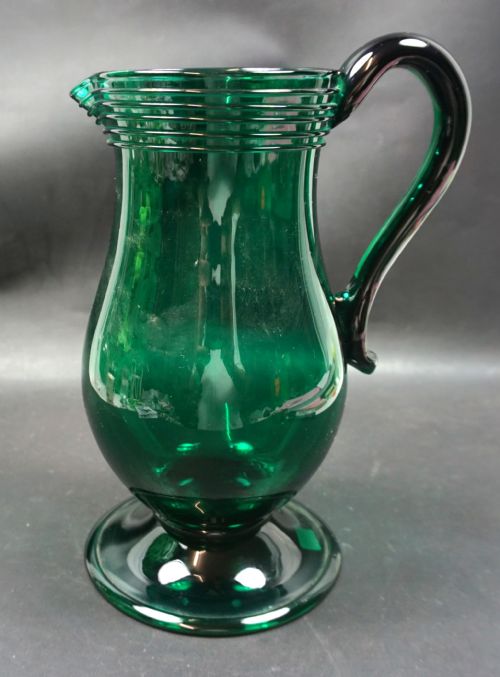
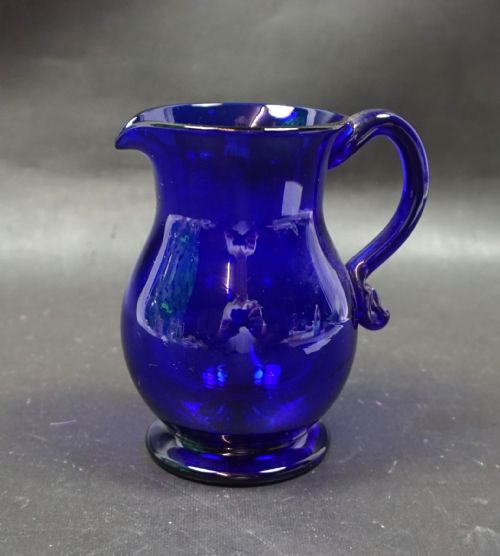
The pieces appearing on this page span Georgian tablewares, Victorian cranberry and Bristol blue display items, and continental examples including Venetian and French production. Cream jugs and wine ewers dominate the domestic forms, alongside larger decanters and decorative pitchers featuring applied details.
Mould-blown and free-blown techniques create varied profiles, from wrythen-moulded Georgian surfaces to nineteenth-century vessels with folded feet and trail rims. Collectors find both single table items and matched drinkware sets incorporating bowls and glasses.
How they were made
Glassmakers utilised lead glass and clear or coloured metal, melting batches that produced rich tones like cranberry, amber, emerald green, and Bristol blue. Molten metal was gathered on a punty or blowpipe, then manipulated in wooden moulds or expanded freely in the air.
Craftsmen applied handles, folded rims, and trailing whilst the glass remained hot, occasionally incorporating white glass latticinio threads or gold leaf into the matrix. Secondary elements included silver plate mounts, hand-painted enamel decoration, and gilt applique.
Post-blowing treatment involved surface painting, enamelling, and cutting to refine the optical properties and texture of the vessel wall.
The inventory records regional English production from Bristol alongside Italian, French, and Victorian styles.
What varies in quality
The calibre of a blown glass jug rests on the purity of the metal, the balance of the applied handle, and the crispness of any moulded or trailing detail. Superior pieces display even wall thickness without excessive weight, alongside deliberate control of internal bubbles and striations inherent to antique batch glass.
Decoration separates standard utility wares from exhibition pieces, where hand-painted enamel work, precise gilt application, or complex latticinio cane placement demand high technical discipline. The integration of metal mounts, such as old Sheffield plate or silver plate, further distinguishes finer domestic jugs and claret vessels.
Baccarat·AVEM
The Blown Glass Jug Glossary
- Cranberry glass
- A transparent red glass coloured with gold chloride, widely used for Victorian tableware and decorative jugs. It appears in various shades from pale pink to deep ruby.
- Latticinio
- A decorative technique embedding opaque white or coloured glass threads within clear glass, often arranged in spiral or latticed networks. This method was favoured in Venetian and continental production.
- Wrythen
- A moulded surface pattern featuring spiral ribs or flutes twisting around the body of the vessel. Georgian cream jugs frequently display this optical twist.
- Ponty mark
- The rough scar left on the base of a vessel where the punty rod was attached during manufacture. Its presence indicates traditional free-blown or mould-blown working methods.
- Ewer
- A large jug with a wide spout and sculpted handle, historically used for pouring water at table or for washing. Victorian examples often served decorative display roles.
- Mary Gregory glass
- Victorian glassware decorated with silhouette enamel painting depicting children in outdoor settings, usually rendered in white enamel on coloured glass.
Blown Glass Jug: Frequently Asked Questions
Were these jugs used for wine or cream?
Georgian and Victorian blown glass jugs served multiple domestic functions depending on their scale and form. Small vessels with pinched lips typically acted as cream jugs for the tea table.
Larger pitchers, claret jugs, and ewers handled wine, water, or cordials during formal meals. The presence of matching glasses or stands often indicates service sets intended for wine.
How do I tell Georgian glass from Victorian?
Georgian glass often exhibits deeper pontil marks, lighter metal weights, and simpler forms such as wrythen moulding or small blue rims. The metal frequently shows characteristic greyish undertones and occasional tool marks from hand-working.
Victorian production introduced bolder colours like cranberry and amber, alongside heavier lead glass bodies and elaborate surface treatments including enamel painting and applied gilt work. Mould-blown production also became more standardised during the nineteenth century.
What is Mary Gregory glass?
Mary Gregory glass refers to Victorian decorative glassware painted with white enamel figures of children, birds, or foliage. The technique was widely adopted across English and European glasshouses.
These pieces typically appear on green, cranberry, or blue glass grounds. Despite the traditional trade name, the painting style was a factory output rather than the work of a single artist.