


Blonde Wood Dresser
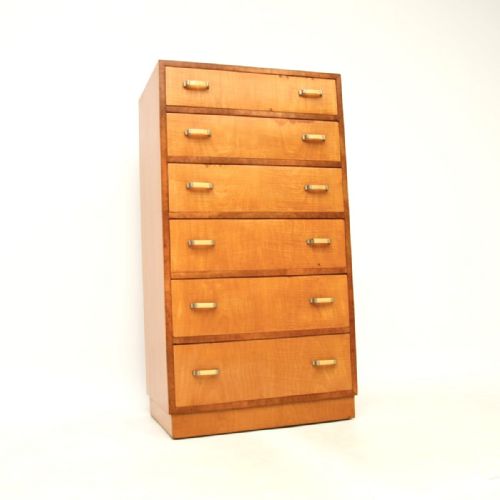
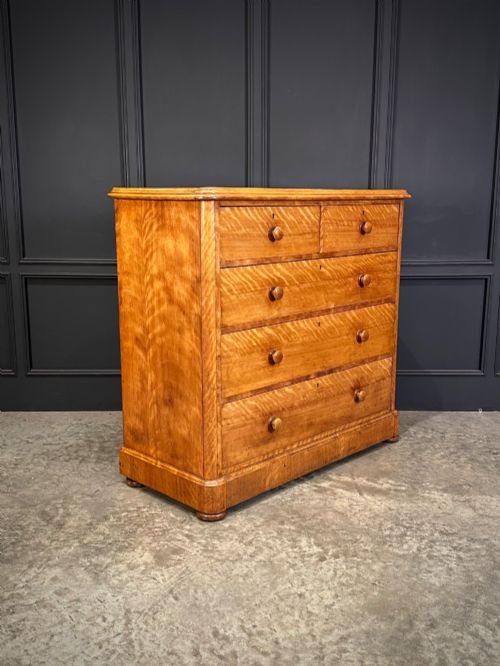
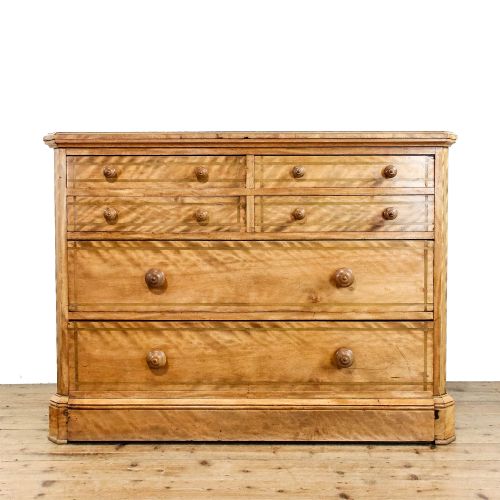
A blonde wood dresser brings pale, figured timber and clean lines into a room, offering both generous storage and striking natural grain.
Blonde Wood Dresser
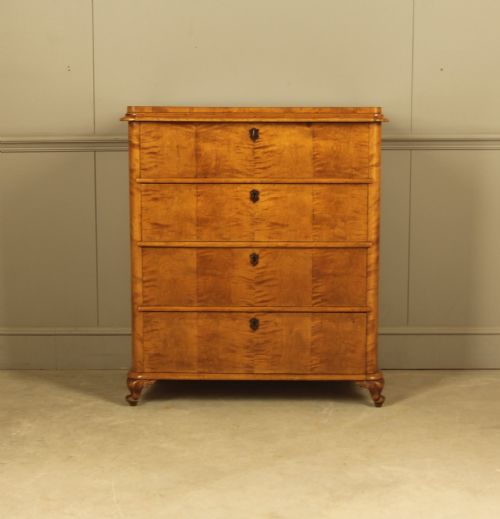
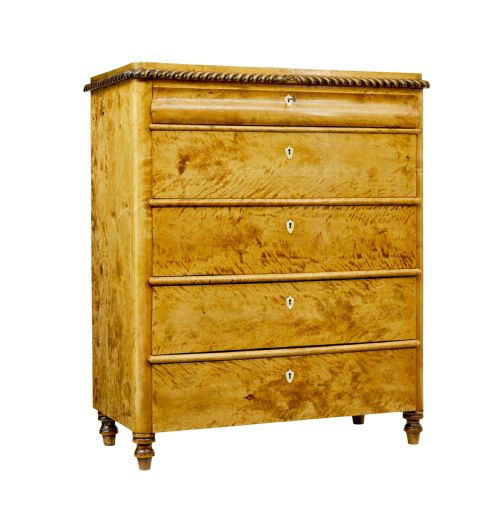
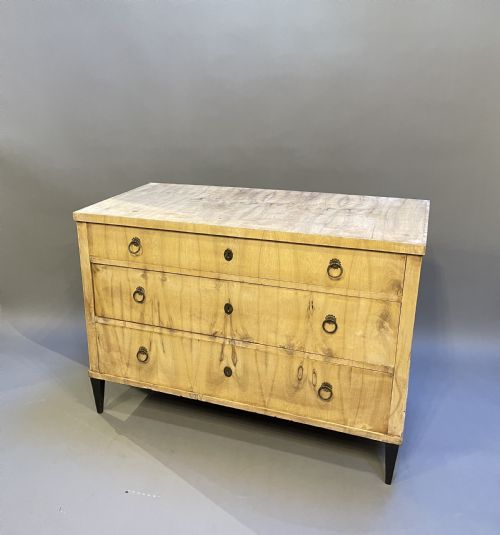
The selection ranges from Swedish Biedermeier and Empire Revival chests to Art Deco dressing tables and cabinets on chests. Buyers generally find forms featuring birch, satinwood, and pine, often displaying highly figured grain patterns across their drawer fronts.
How they were made
Craftsmen utilised native and imported northern timbers, selecting birch, flame birch, masur birch, and satinwood for their luminous golden tones. These woods were often veneer-matched across large drawer facades to create symmetrical grain patterns.
Structural elements frequently incorporated pine beneath finer surface veneers, while hardware utilised brass and metal fixtures. Some later twentieth-century pieces employed hand-painted simulated finishes over base woods.
Some nineteenth-century chests sport simulated birch paintwork, proving that even historical makers appreciated a clever visual shortcut.
What varies in quality
The distinction between tiers rests upon the choice of timber and the dexterity of the veneer work. Fine examples showcase striking flame or masur birch figures carefully aligned across the elevation, whereas simpler pieces utilise plain pine or simulated surfaces.
Construction methods and stylistic purity also dictate standing; disciplined classical proportions and precise inlay distinguish elite Scandinavian workshop output from everyday utilitarian furniture.
Gemla Fabrikers
The Blonde Wood Dresser Glossary
- Biedermeier
- A dominant style in Central Europe during the nineteenth century characterised by utilitarian comfort and clean, restrained neoclassical lines. It heavily favoured blonde fruitwoods and light birch veneers.
- Flame birch
- A decorative wood veneer exhibiting a rippled, flame-like grain pattern. This figure occurs naturally in specific birch logs and is prized for its dramatic movement.
- Commode
- A low chest of drawers or cabinet originating from eighteenth-century France. In continental listings, the term often interchanges with chest of drawers.
- Masur birch
- A natural growth variation in birch timber producing distinctive dark swirls and flecks across the pale background. It creates a highly textured surface without the need for intense staining.
- Caddy top
- A raised or stepped cabinet top configuration with distinct moulding edges. This profile resembles the traditional wooden tea caddies of the period.
Blonde Wood Dresser: Frequently Asked Questions
How do I identify a Biedermeier chest?
Biedermeier chests display minimal ornamentation, relying instead on the natural beauty of blonde veneers and smooth, architectural surfaces. They avoid heavy carving in favour of clean geometric balance.
Look for restrained brass escutcheons and unbroken expanses of birch or walnut grain across the primary drawer fronts.
Are these pieces strictly from Scandinavia?
While a significant portion of the selection originates from Sweden and broader Scandinavia, the category includes continental European and British pieces. Victorian items and Art Deco examples sit alongside nineteenth-century Swedish Biedermeier work.
Regional preferences account for the mix of birch, walnut, and cherrywood timbers across the different workshops.
How should I care for pale wood furniture?
Keep blonde wood surfaces away from direct sunlight to prevent the natural pale timbers from darkening or yellowing unevenly over time. Use dry, soft cloths for routine dusting.
Avoid silicone-based polishes that can penetrate historic finishes, opting instead for traditional microcrystalline wax when the wood requires nourishment.