
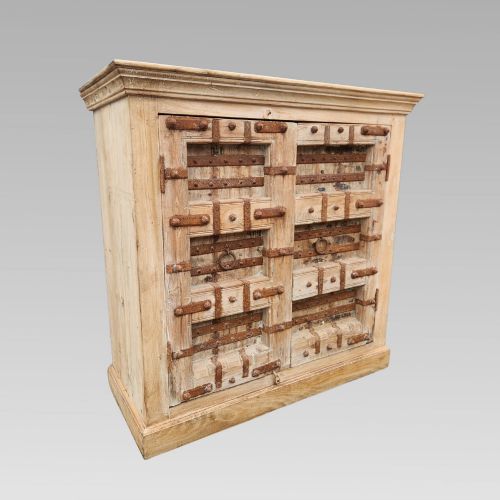
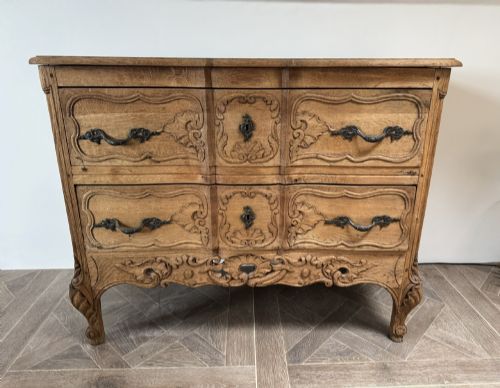

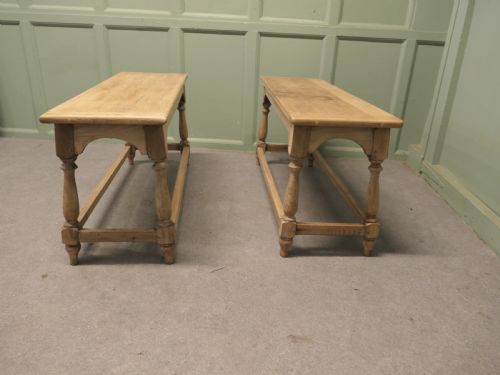


Bleached Wood Furniture
Bleached wood furniture offers a softened, pale patina that suits both country houses and modern interiors.
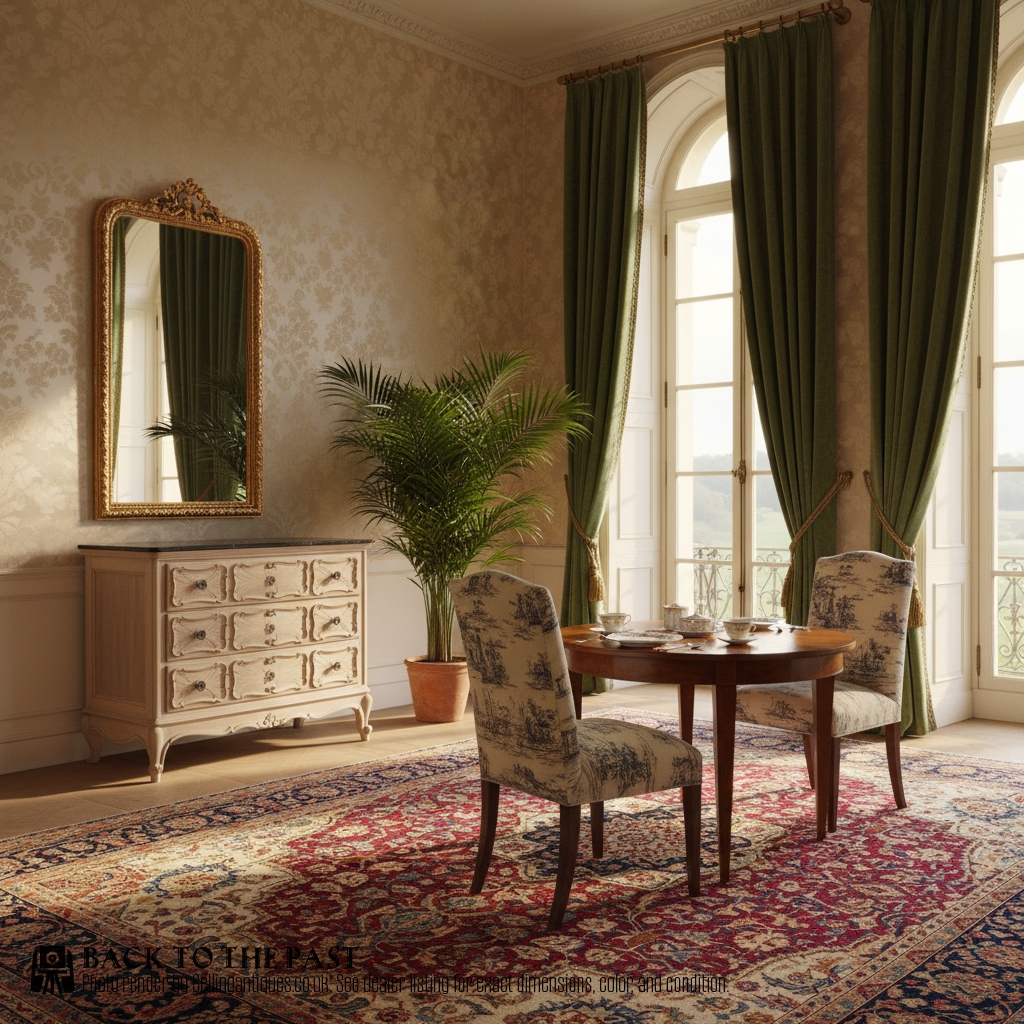
Bleached Wood Furniture
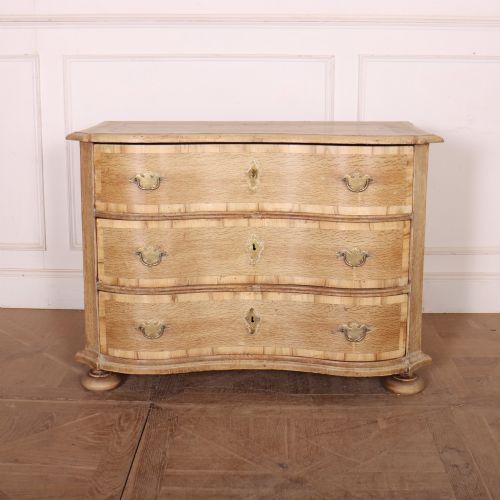
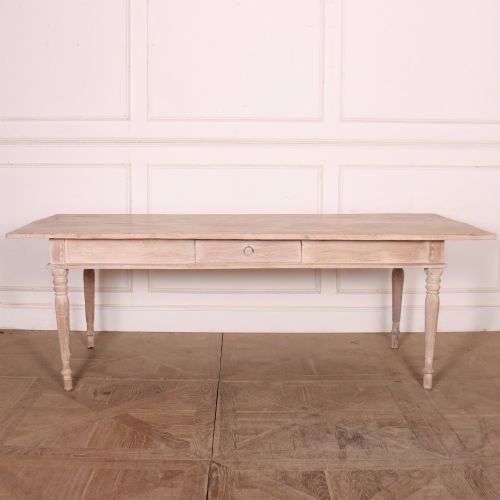
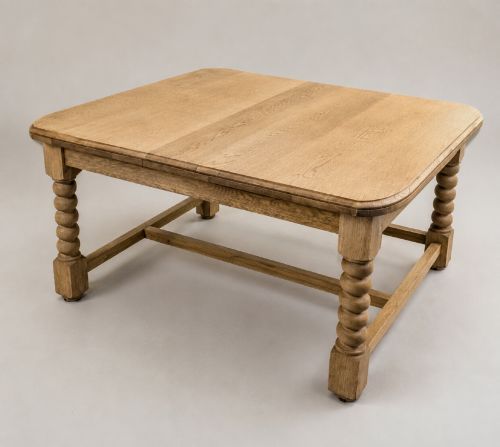
Bleached wood furniture encompasses pieces that have undergone a lightening process to reveal the grain, most frequently seen here as oak chests of drawers, commodes, and dining tables originating from eighteenth and nineteenth century workshops.
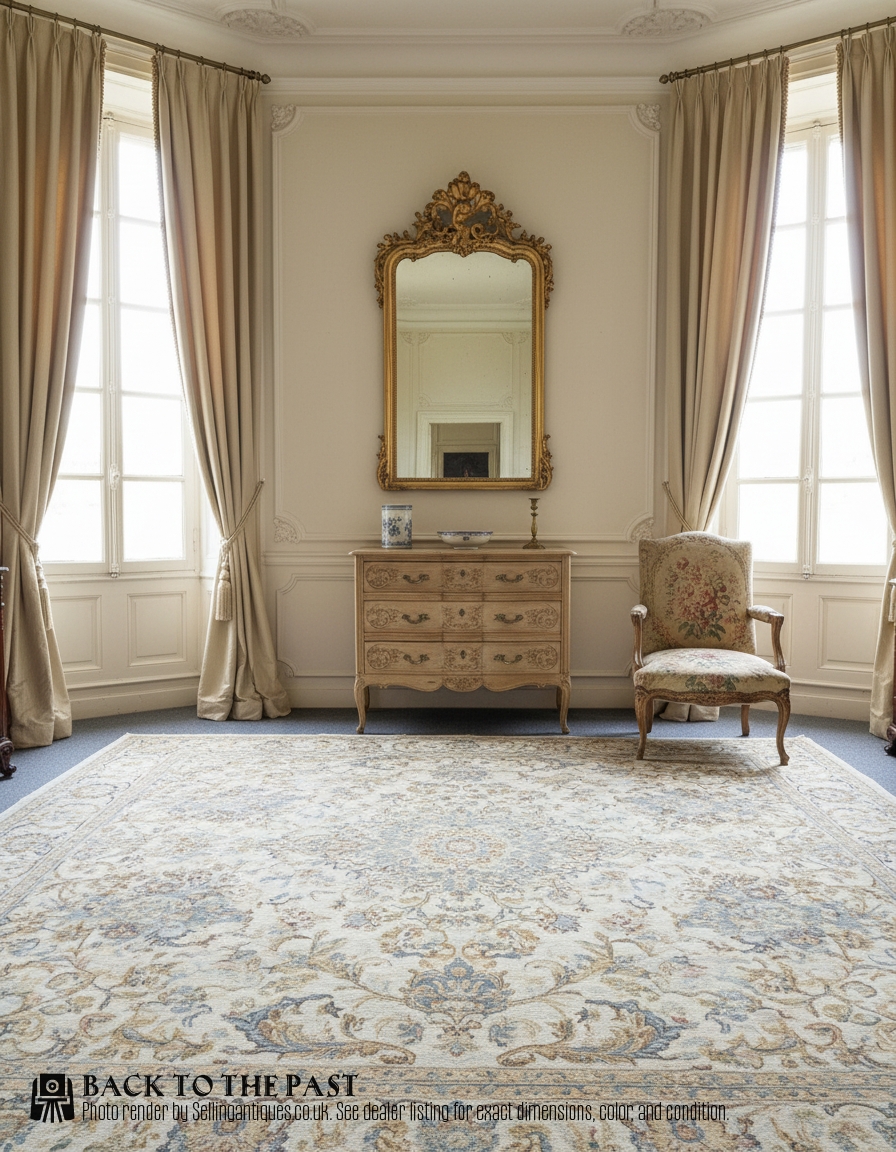
Materials and construction
Makers utilised solid timbers including oak, walnut, elm, ash, and teak, often pairing them with brass hardware and iron details to finish the construction.
Finishes range from chemical bleaching and liming to traditional paint applications that have been subsequently stripped back to expose the underlying grain.
Joinery methods reflect the period of origin, spanning pegged joints in early farmhouse tables to serpentine drawer construction in later continental commodes.
Bleached Wood Furniture Retail Price Guide 2026
Typical asking prices for bleached wood furniture among the pieces listed under this phrase on Sellingantiques today, from the lower quarter to the upper quarter. They describe what is for sale here now, not the wider market.
A Catalan shepherd managed occasional tasks at a rustic table long before it reached this collection.
Assessing quality
The standard of a piece rests upon the integrity of the timber preservation and whether the lightening process respects the original depth of the carved or moulded details.
Superior examples retain crisp mouldings, original brass fittings, and structurally sound joinery that has not suffered from over-sanding during the finishing process.
Provenance and regional character distinguish simpler utilitarian tables from sophisticated Austrian, Italian, and French commodes.
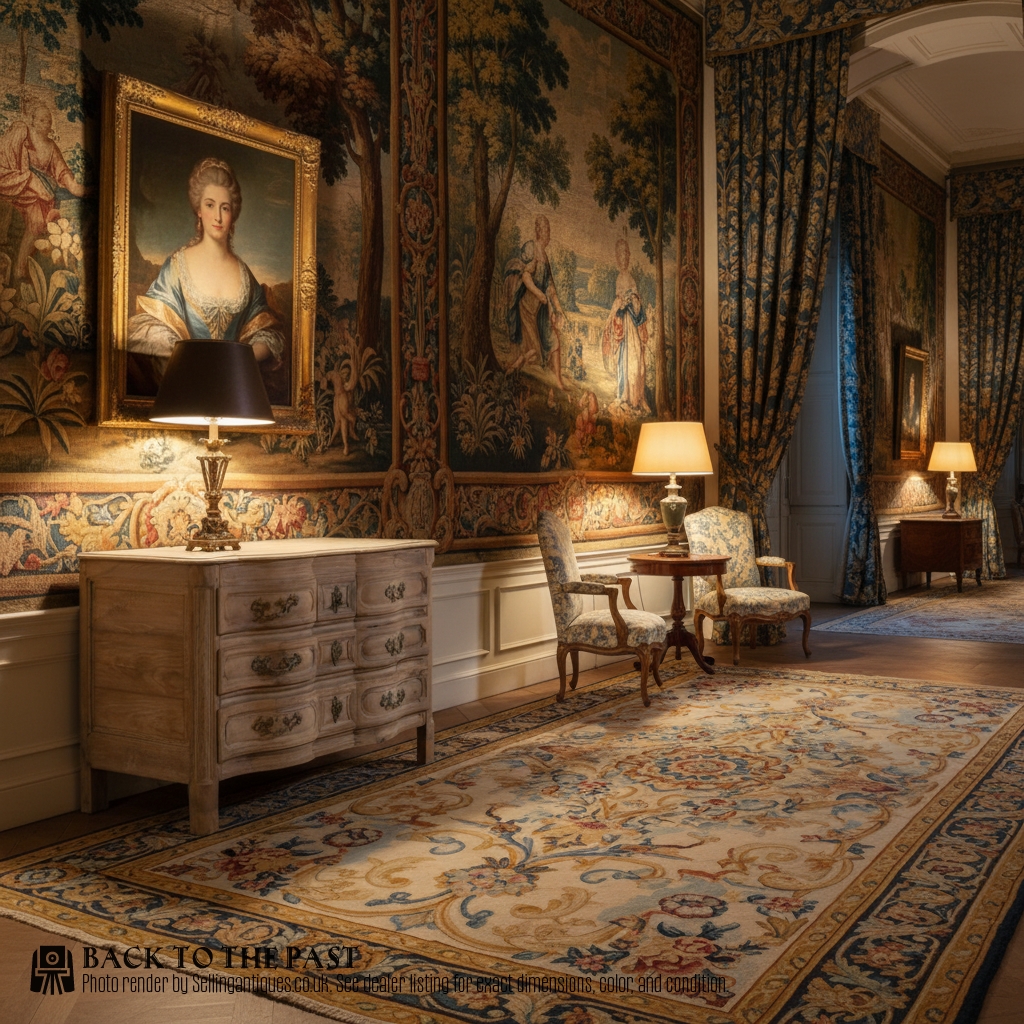
The Bleached Wood Furniture Glossary
- Commode
- A low chest of drawers or cabinet, typically French or continental in origin. These pieces often feature serpentine fronts and decorative brass mounts.
- Limed oak
- Timber treated with a white pigment or lime to highlight the open pores of the grain. This finish imparts a pale, frosted appearance popular in nineteenth century work.
- Chest on chest
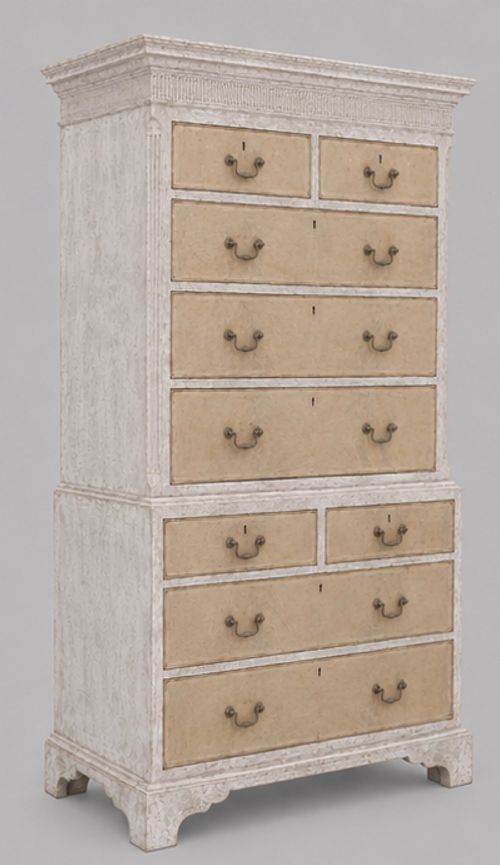
- A tall storage unit comprising a lower chest with a slightly smaller chest stacked directly on top. Georgian cabinet makers favoured this proportion for bedrooms.
- Settle
- A wooden bench with a high back, solid arms, and often a storage compartment beneath the seat. These served to keep draughts away from inhabitants in older farmhouses.
- Trestle table
- A dining surface supported by two or more trestle feet connected by a horizontal beam. This form allows for flexible seating arrangements along the length.
Bleached Wood Furniture: Frequently Asked Questions
How do I care for bleached wood?
Dust surfaces regularly with a dry cloth and avoid placing pieces near direct heat sources or strong sunlight, which can alter the pale tone.
Apply a microcrystalline wax sparingly if the timber appears dry, testing a small hidden area first to ensure it does not darken the grain.
Are these finishes original?
Many older items have undergone professional bleaching or liming during later restoration to achieve a lighter decorative effect suited to contemporary interiors.
Examine the uniformity of the tone and the condition of the underlying grain to understand how the current surface was achieved.
How do I date a commode?
Look closely at the drawer construction, timber choices, and hardware styles to determine the likely period of manufacture. Hand-cut dovetails and native hardwoods point towards eighteenth or nineteenth century craftsmanship.
Compare the silhouette, such as bombe curves or serpentine shaping, with documented regional furniture styles from France, Italy, or the Netherlands.
Can I use these tables daily?
Solid timber dining tables and benches are robustly built for everyday use, provided you protect the pale surfaces from moisture and heat.
Use coasters and placemats to prevent staining, allowing you to enjoy the practical function of these historic pieces without damaging the finish.