

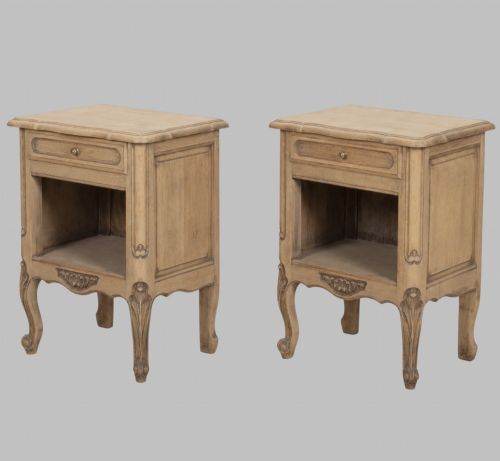
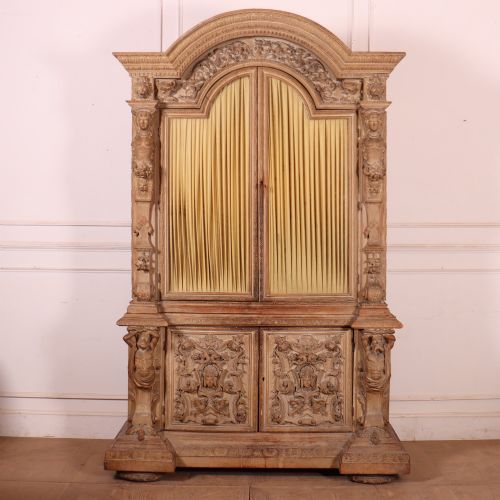


Bleached Oak Cabinet
A bleached oak cabinet brings light wood grain and sturdy storage to a room, ranging from bedside tables to large cupboards.
Bleached Oak Cabinet
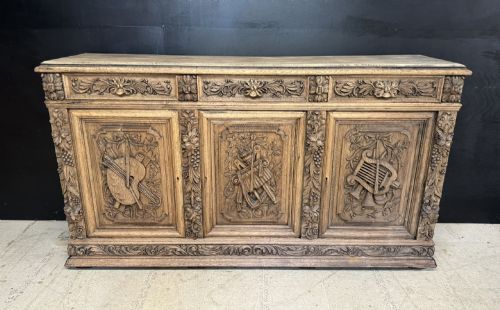
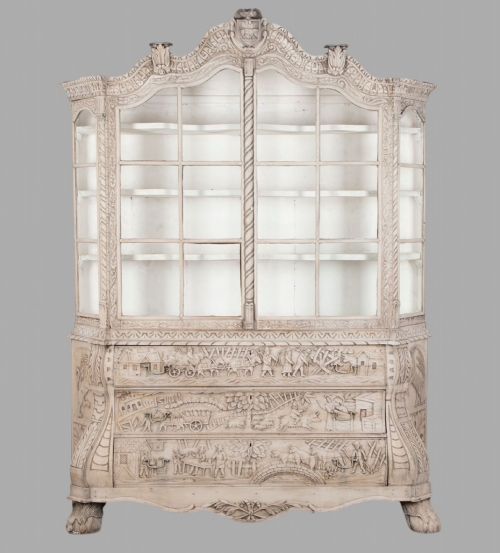
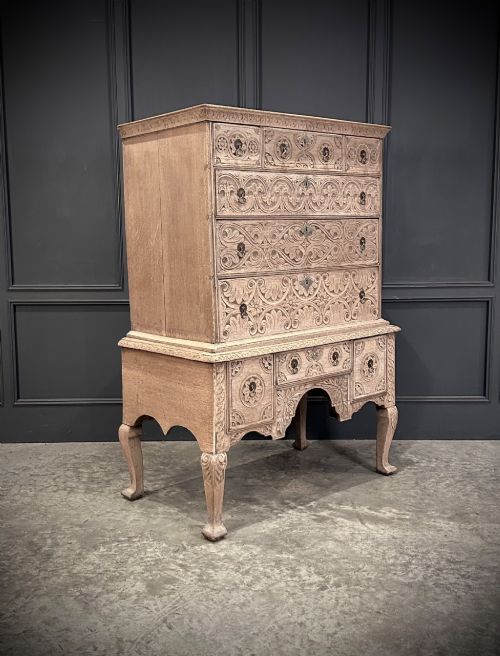
When you search for a bleached oak cabinet, you encounter a wide selection of furniture types spanning multiple centuries, from eighteenth-century chests on stand to twentieth-century bedside tables and filing cabinets. The category includes sideboards, armoires, bookcases, display cabinets, and vitrines originating from English, French, Dutch, and Italian workshops.
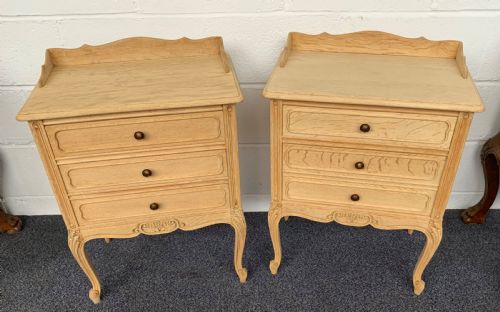
The most common examples on this page are bedside cabinets and small tables dating from around nineteen hundred to nineteen thirty, often found in pairs. Alongside these domestic items, larger storage pieces such as linen cupboards, larder cupboards, and sideboards appear regularly in eighteenth-century and nineteenth-century forms.
Styles range across French provincial, Dutch rococo revival, Jacobean revival, and Art Deco, reflecting how different periods adapted oak storage to changing interior tastes. The treatment of the wood transforms darker traditional timbers into paler, neutral surfaces suited to contemporary and classic rooms alike.
What varies in quality
Quality in a bleached oak cabinet rests upon the depth of the carving, the crispness of applied mouldings, and the selection of the oak timber itself. Pieces displaying refined proportions and balanced joinery command attention, particularly when original hardware such as brass or iron handles remains intact.
The sophistication of the bleaching process also influences the overall standard, where an even, sympathetic tone that preserves the natural grain distinguishes finer examples from heavier, uniform treatments. The harmony between the original period construction and the lighter surface finish defines the success of the piece.
Listings feature oak, walnut, glass, brass, iron, and wrought iron across pieces dating from the seventeenth century through to the nineteen thirties.
Abbess
The Bleached Oak Cabinet Glossary
- Bleached oak
- Oak timber treated to lighten its natural colour, producing a pale, neutral surface grain.
- Bombé
- A swelling, convex curved shape typical of continental European furniture design.
- Vitrine
- A glass-fronted display cabinet used for showing porcelain, books, or decorative objects.
- Armoire
- A large freestanding wardrobe or cupboard featuring one or two doors for hanging or shelved storage.
- Tambour front
- A flexible shutter door formed of narrow wooden slats sliding in vertical or horizontal tracks.
Bleached Oak Cabinet: Frequently Asked Questions
What is a bleached oak cabinet used for?
These cabinets serve multiple domestic purposes, offering practical storage for clothing, books, tableware, and bedside essentials depending on the specific form.
Larger pieces like armoires, sideboards, and bookcases organise living spaces and dining rooms, while smaller bedside tables and filing cabinets provide compact storage by a bed or desk.
How do I care for bleached oak furniture?
Maintenance requires dusting with a soft, dry cloth and avoiding silicone-based polishes that can alter the pale surface tone.
Keep the wood away from direct sunlight and excessive heat sources to prevent the dry timber from splitting or warping over time.
How can I tell different periods apart?
Dating relies on observing construction methods, hardware styles, and decorative motifs such as linenfold panels, rococo curves, or clean Art Deco lines.
Eighteenth-century examples often feature hand-cut joinery and simpler regional proportions, whereas nineteenth-century and revival pieces frequently adopt bolder historicist ornament.
Are these cabinets made of solid oak?
Most pieces utilise solid oak for structural frames, doors, and tabletops, sometimes combined with supportive secondary timbers in internal construction.
Selected twentieth-century office or filing furniture may incorporate engineered elements behind tambour fronts while retaining oak exterior surfaces.