

Black Wood Wall Art
Black wood wall art encompasses dark timber frames, carvings and silhouettes holding centuries of portraiture and print.
Black Wood Wall Art
Black wood wall art brings together dark-toned timber frames, carved plaques and hanging works originating from the seventeenth, eighteenth and nineteenth centuries.
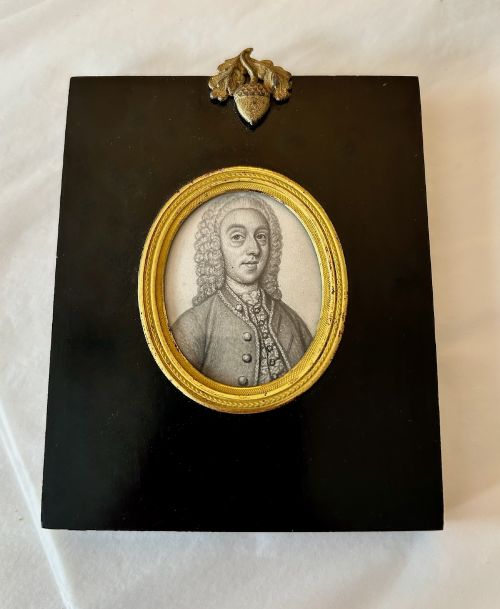
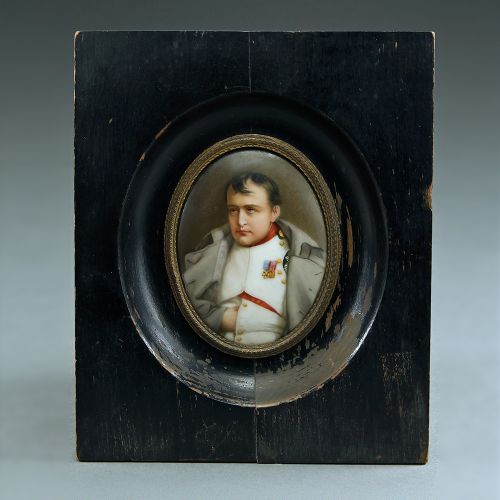
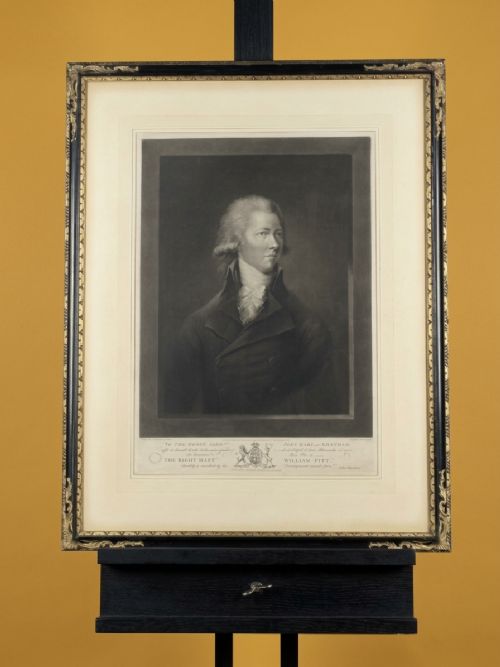
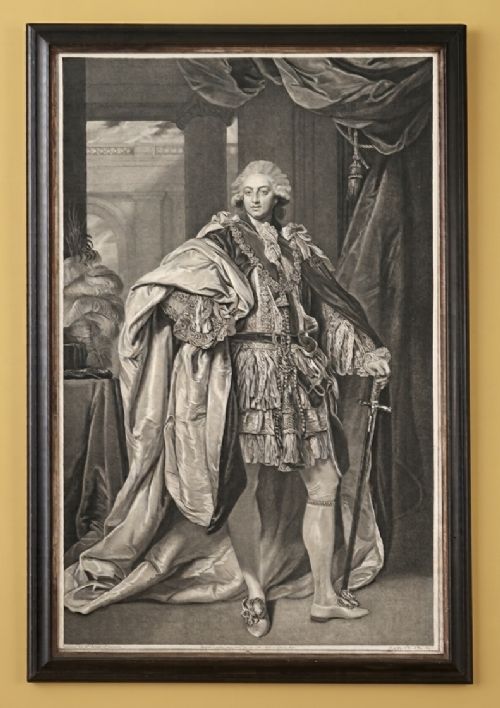
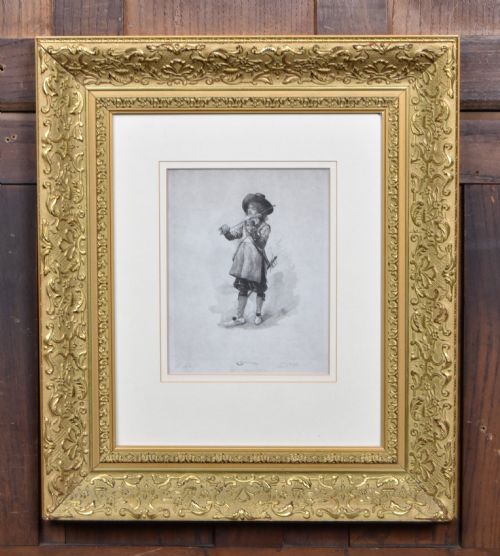
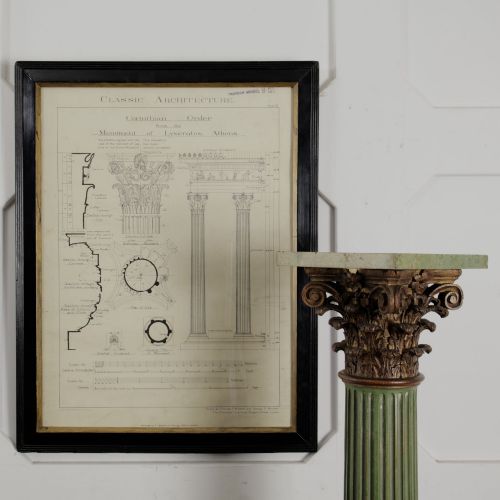
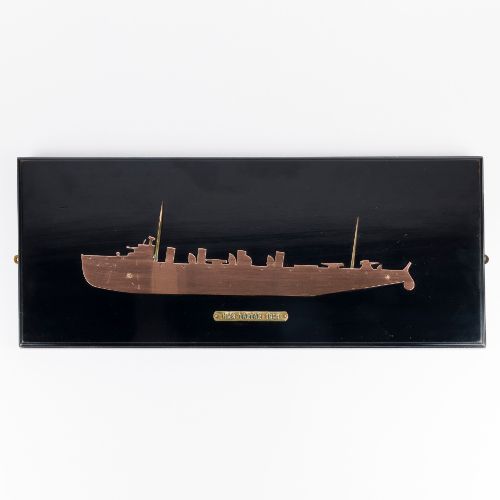
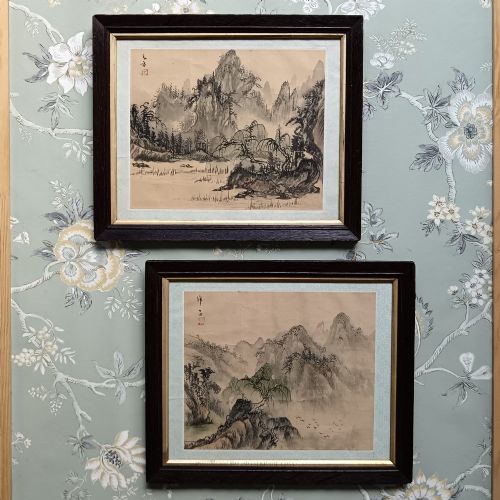
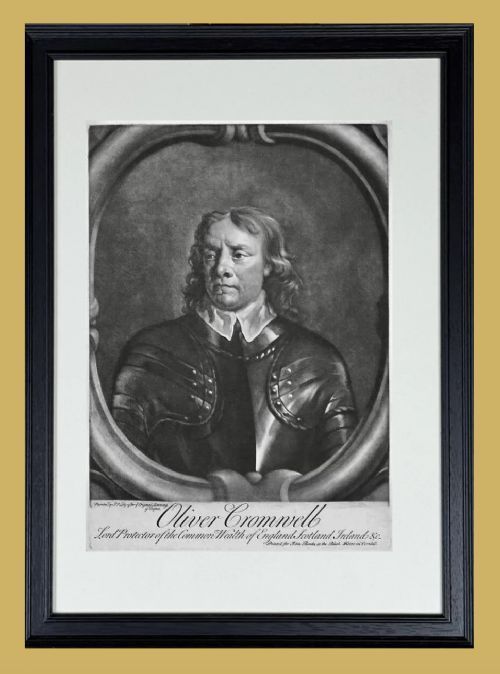
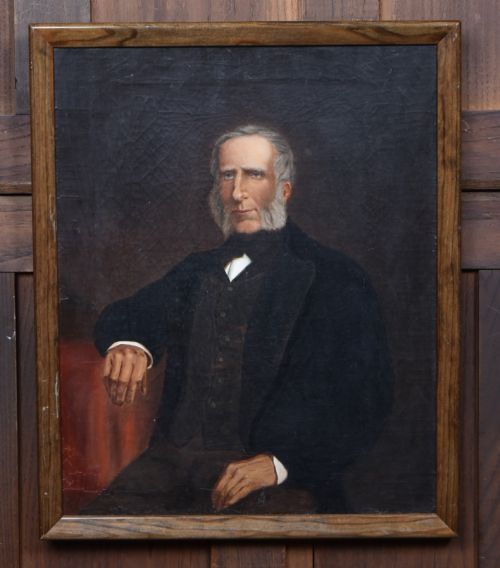
The pieces on this page appear primarily as framed engravings, mezzotints, oil paintings and carved wood trophies rather than modern items.
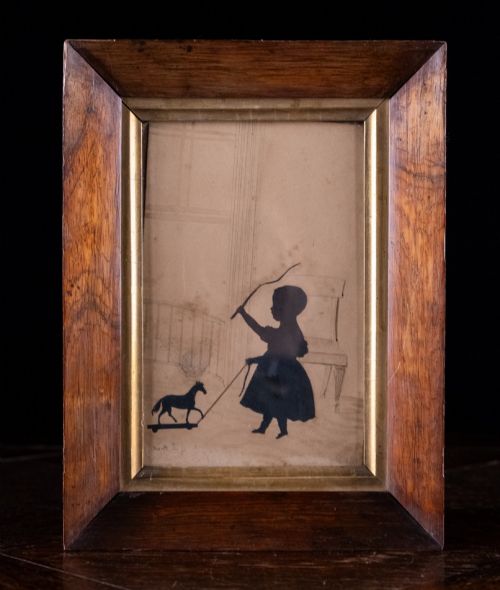
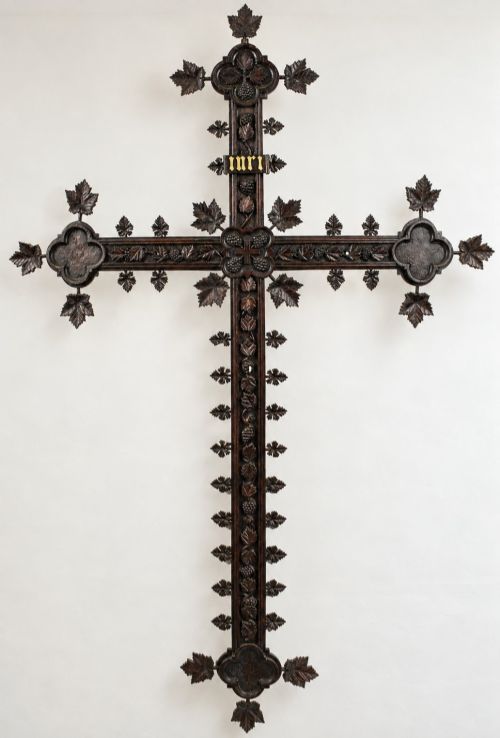
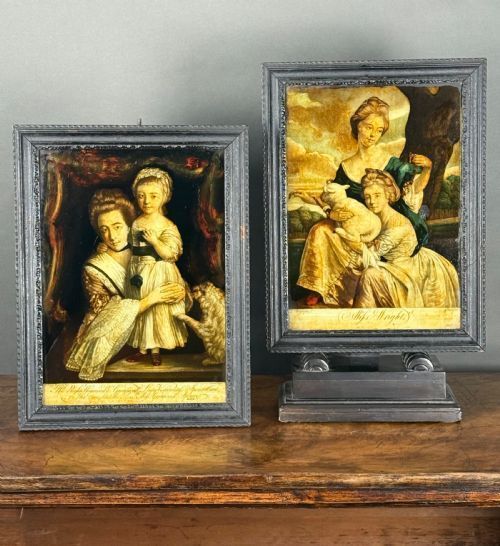
Buyers encounter distinct groupings spanning Victorian silhouettes, Georgian reverse glass prints and Black Forest carved wooden trophies.
Materials and construction
Makers utilised solid timber, fruitwood and dark-stained mouldings to construct the frames and carved wall elements supporting paper prints and canvas paintings.
Engravings, mezzotints and ink drawings on paper or silk were paired with glass, gold leaf, paint and lacquer to finish the display pieces.
Black Wood Wall Art Retail Price Guide 2026
Typical asking prices for black wood wall art among the pieces listed under this phrase on Sellingantiques today, from the lower quarter to the upper quarter. They describe what is for sale here now, not the wider market.
Listings feature wood, glass, paper, gold leaf and lacquer across the seventeenth, eighteenth and nineteenth centuries.
Quality variations
The standard of carving in wooden trophies and the crispness of impression in early mezzotints and engravings mark the division between standard and superior pieces.
Original frames matching the age of the artwork and the preservation of delicate paper, ink and reverse glass elements dictate the desirability of the hanging piece.
John Bowles·Sir Peter Lely·Samuel Cooper·Augustin Edouart·Valentine Green·Maria Hadfield Cosway·James MacArdell·Étienne Baudet·William Hogarth·Luke Sullivan·Sir Joshua Reynolds·Julian Mandel·Abraham Cooper·Thomas G Appleton·Gustave Doré·Adolphe Pannemaker·Gaspar de Figueroa·Arthur Hacker
The Black Wood Wall Art Glossary
- Mezzotint
- A printmaking process of the intaglio family where tonal gradations are achieved by roughening the metal plate. This technique allows for subtle dark and light contrasts.
- Reverse glass print
- An image painted or transferred onto the reverse side of a glass panel for display. Light reflects through the glass to give the colours depth.
- Black Forest
- A style of ornate wood carving originating from the German mountain region during the nineteenth century. Pieces often depict animals, foliage and hunting trophies.
- Eglomise
- A technique where a design is gilded or painted onto the rear face of glass. The resulting piece has a reflective and metallic surface.
- Engraving
- A printmaking method where an artist cuts lines into a metal plate to hold ink. The inked plate transfers the design onto paper under pressure.
Black Wood Wall Art: Frequently Asked Questions
How do I care for antique black wood wall art?
Keep wooden frames and carvings away from direct sunlight and sudden temperature changes to prevent timber splitting. Dust gently with a dry, soft cloth and avoid chemical polishes.
Protect paper prints and reverse glass pieces behind their original glazing. Ensure hanging wires remain secure on sturdy wall fixings.
What periods do these wall pieces cover?
The selection spans from the seventeenth century through the Georgian and Victorian eras up to the early twentieth century. Pieces include centuries-old portraits, engravings and carved trophies.
Styles range from Baroque and Neoclassical to Black Forest folk art and Edwardian military mementoes.
Are the frames original to the art?
Many listings specify original frames, such as rosewood surrounds or period timber mouldings paired with the artwork. These matched housings contribute to the historical integrity of the piece.
Engravings and portraits often retain their period framing, though some items reflect later mountings from subsequent decades.
What is a reverse glass print?
A reverse glass print involves applying an image directly to the back of a glass sheet. Viewers look through the glass to see the finished picture, which creates a glossy surface.
Examples from the Georgian and seventeenth-century periods utilise this method for subjects like seasonal allegories and royal portraits.