





Antique Photograph Prints
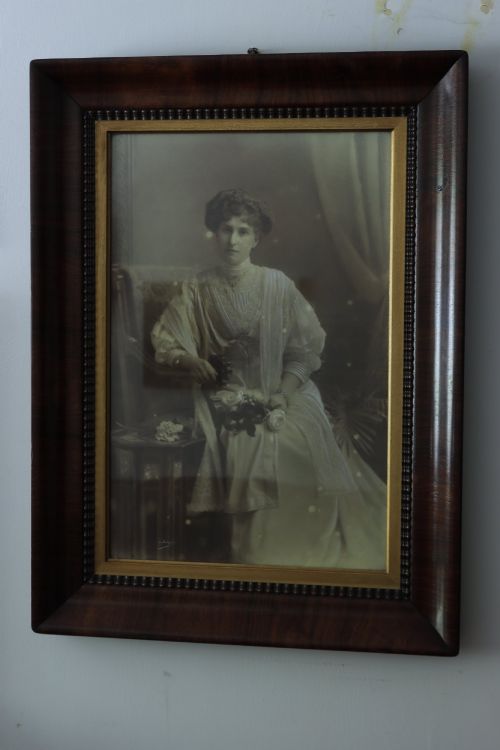
These antique photograph prints capture a century of portraiture and landscape, framed in period wood and glass for immediate hanging.
Antique Photograph Prints
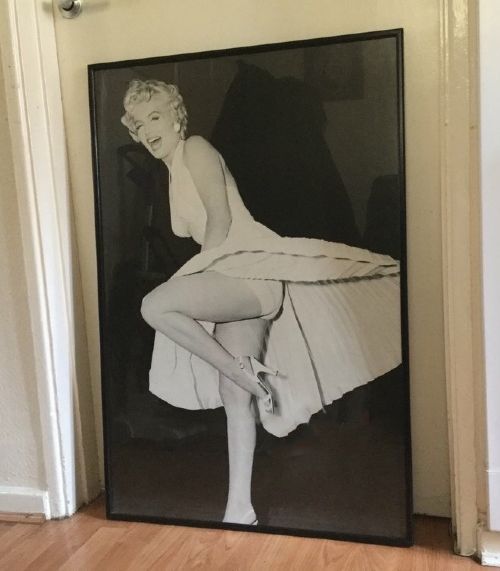
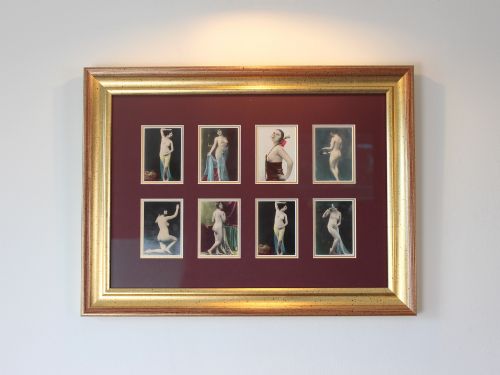
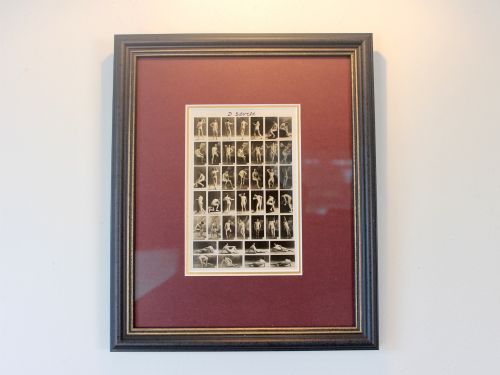
When you search for antique photograph prints, you encounter works spanning the nineteenth century through the mid-twentieth century, including Victorian portraits, Edwardian maritime scenes, and Art Deco studies. The selection ranges from crisp monochrome contact sheets and sepia mountain views to hand-tinted erotica and racing subjects.
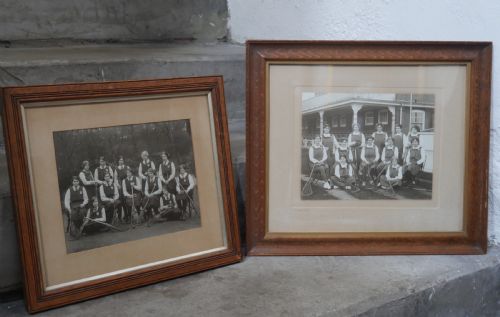
You meet framed wall art and standalone photographs mounted on card or glass, often preserved in original oak and gilt wood frames. The subjects cross domestic family groups, sporting teams, and ecclesiastical commissions, offering a direct window into historical moments.
Most pieces on this page originate from British and continental European studios, reflecting the evolution of photographic techniques from early Victorian experiments to mid-century colour processes. These works function primarily as framed wall art rather than loose archival leaves.
How they were made
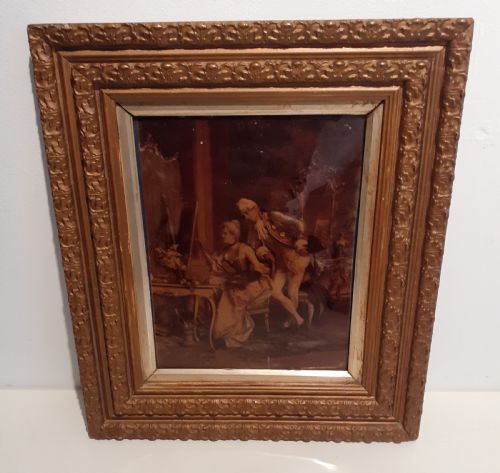
Makers utilised sensitive paper, card mounts, and glass plates to capture images, frequently applying mixed media or hand tinting with pigments to monochrome prints. Crystoleoms required mounting a photograph on curved glass, rendering it transparent with oils before painting the reverse.
Original housings utilise woods such as oak alongside gilt wood and gold leaf mouldings. These frames protect the fragile paper and glass surfaces while providing structural integrity for wall display.
Antique Photograph Prints Retail Price Guide 2026
Typical asking prices for photograph prints among the pieces listed under this phrase on Sellingantiques today, from the lower quarter to the upper quarter. They describe what is for sale here now, not the wider market.
The listings span periods from the nineteenth century through the 1960s, utilising paper, glass, oak, and gold leaf.
What varies in quality
The distinction between ordinary and superior pieces rests on the clarity of the photographic capture and the preservation of the original mount and frame. Works retained in their contemporaneous oak or gilt frames command greater interest than those recovered from later mountings.
Hand application of colour, as seen in tinted studies and reverse-glass chrystoleoms, demonstrates the skill of the original studio artist. Precision in brushwork and the stability of the underlying paper or glass dictate the overall standing of the piece.
Julian Mandel·K & K Hof Atelier Pietzner·W. Edward Grey·Schweninger
The Antique Photograph Prints Glossary
- Crystoleum
- A Victorian method of applying a colour photograph to the inside of a convex glass pane, then hand-painting the reverse with oils. This process created a luminous, three-dimensional painted effect popular in the late nineteenth and early twentieth centuries.
- Contact sheet
- A photographic print made by placing a negative directly against sensitized paper, producing an image the exact size of the negative. These sheets allowed photographers to review multiple exposures at once.
- Gilt wood
- Wood carved and coated with a thin layer of gold leaf or metallic paint. It provides a reflective, decorative border commonly found on fine period picture frames.
- Sepia
- A reddish-brown monochrome tone produced by chemically altering silver photographic prints. This process improved the chemical stability of the image while lending a distinct warmth to portraits and landscapes.
- Mixed media
- An artwork combining photography with supplementary materials such as ink, paint, or pencil work. Studios applied these additions by hand to enhance highlights and depth within the composition.
Antique Photograph Prints: Frequently Asked Questions
How do I hang antique photograph prints?
These framed pieces require sturdy wall fixings suited to the weight of period wood and glass. Keep them away from direct sunlight to prevent the fading of vintage paper and hand-applied pigments.
Ensure stable room humidity to protect the wooden frames and the underlying photographic emulsions from moisture damage over time.
What is a chrystoleum?
A chrystoleum is a photograph applied to glass, thinned, and hand-painted in oils to create a coloured image with depth. Victorian and Edwardian makers produced these as decorative interior ornaments.
They are distinct from standard paper prints due to their convex glass covers and layered painted surfaces.
How do I date these photographs?
Dating relies on the style of dress, the framing materials, and the photographic process utilised. Victorian works often feature heavy card mounts, whilst Edwardian and Art Deco pieces incorporate distinct moulding profiles.
Inscribed dates on mounts or reverse panels provide the most direct evidence of creation.
Are these prints originals?
The selection comprises period originals captured, printed, and framed during the nineteenth and twentieth centuries. Each piece bears the physical characteristics of its era, from chemical tones to period framing.
Modern reproductions do not possess the historical substrates or original studio mountings found in these listings.