
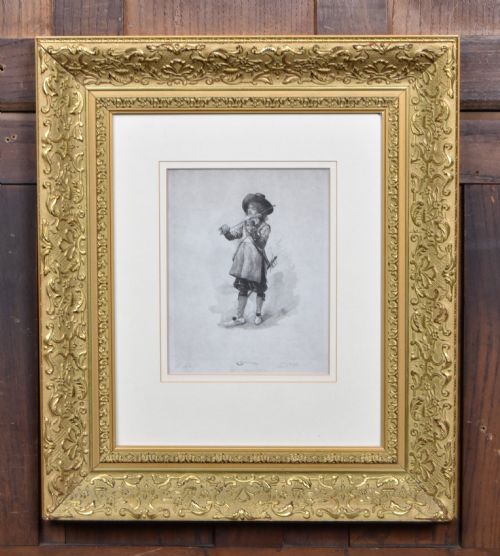
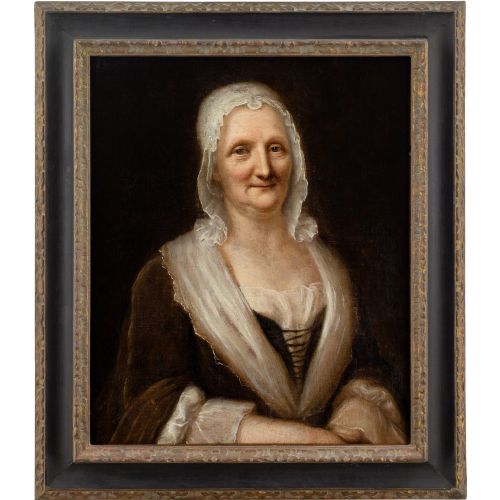
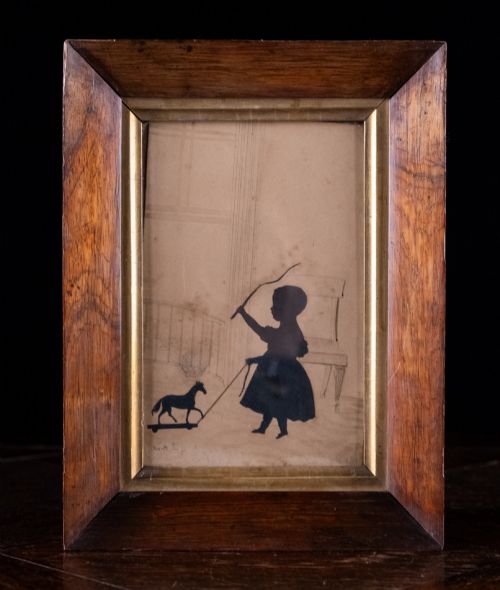
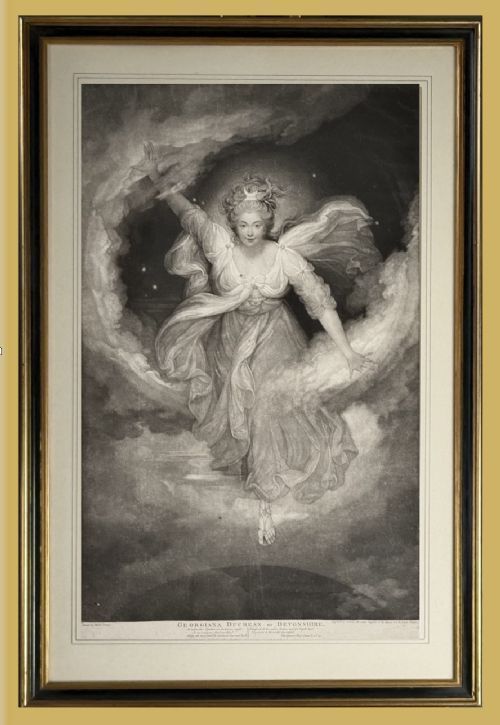
Black Wood Framed Art
Black wood framed art brings together centuries of portraiture, prints, and maps secured behind timber mouldings.
Black Wood Framed Art
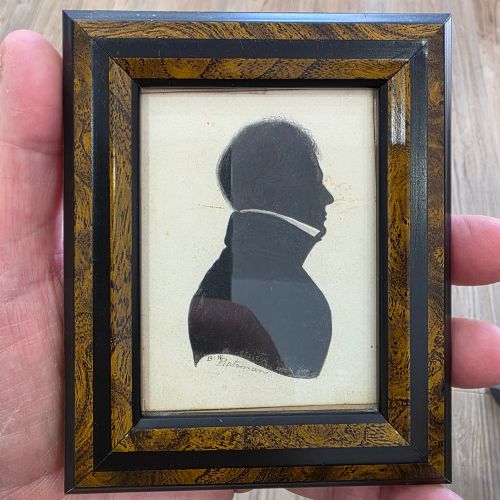
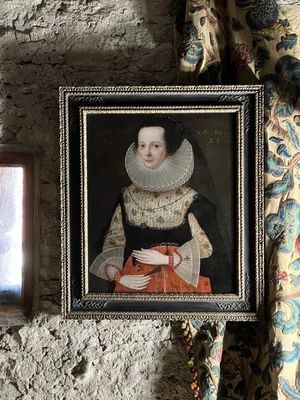
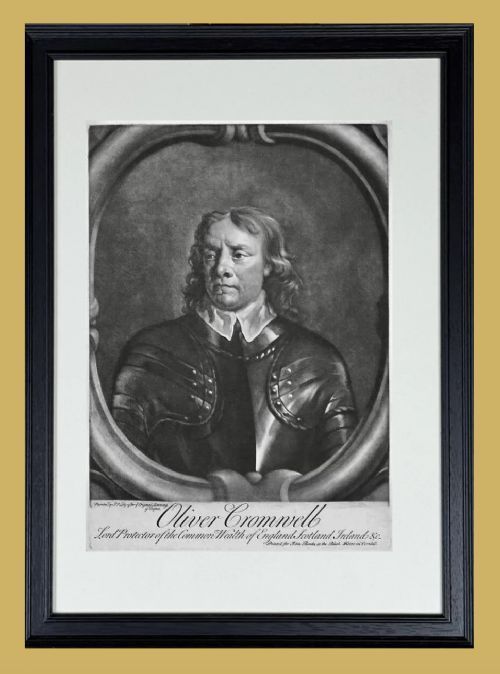
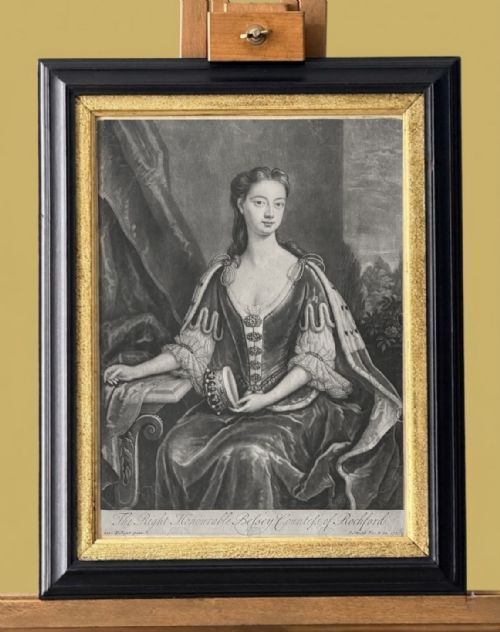
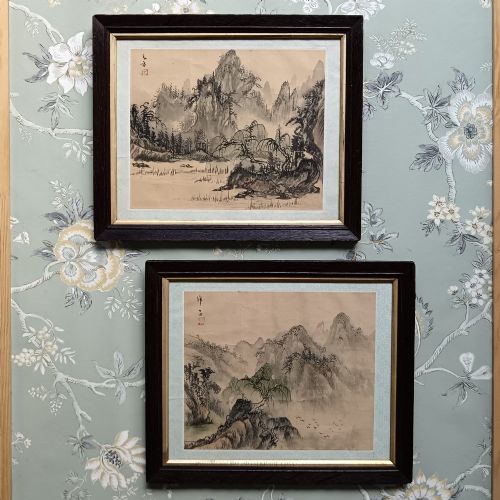
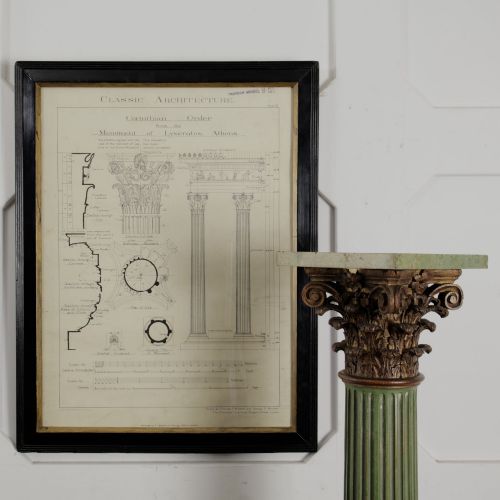
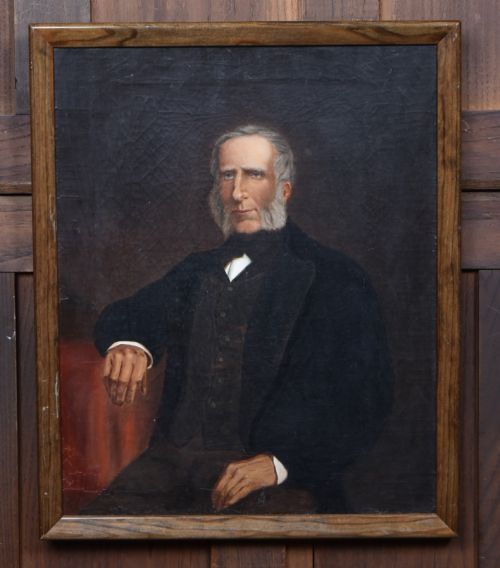
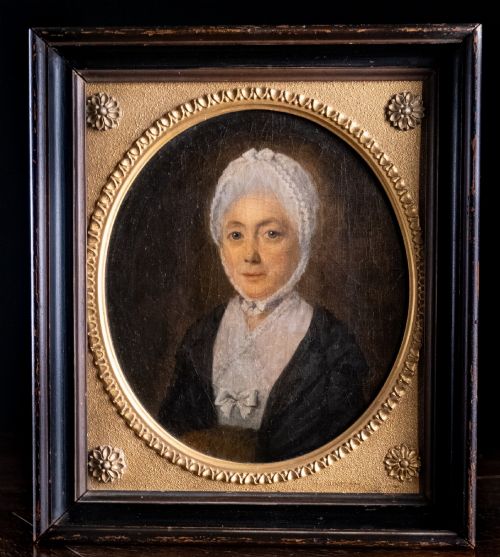
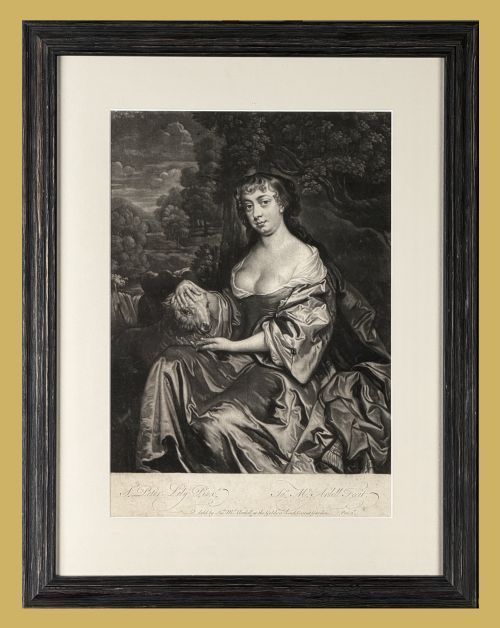
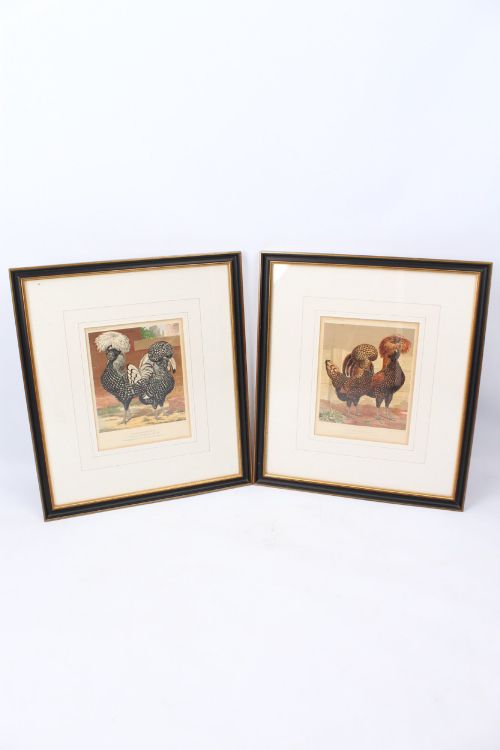
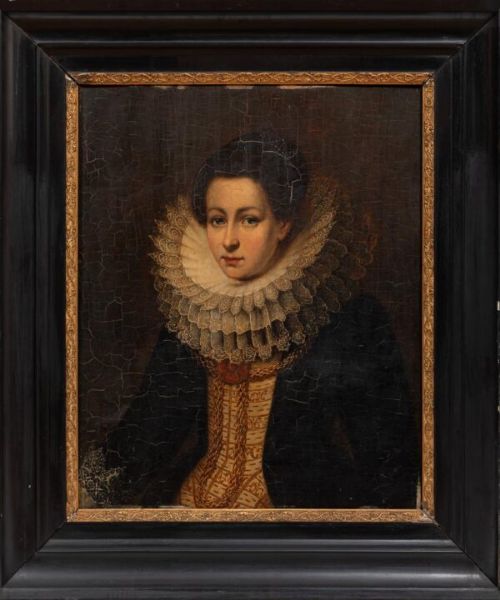
When buyers search for black wood framed art, they encounter historic works ranging from seventeenth-century mezzotints and eighteenth-century French engravings to nineteenth-century silhouettes and oil portraits. The most common manifestations on this page are framed prints, engravings, and oil paintings housed in dark timber mouldings.
These items span multiple periods including the seventeenth, eighteenth, and nineteenth centuries, alongside twentieth-century photographic contact sheets and prints. The subjects stretch from noblewomen and gentlemen to architectural elevations, maps, and botanical scenes.
How they were made
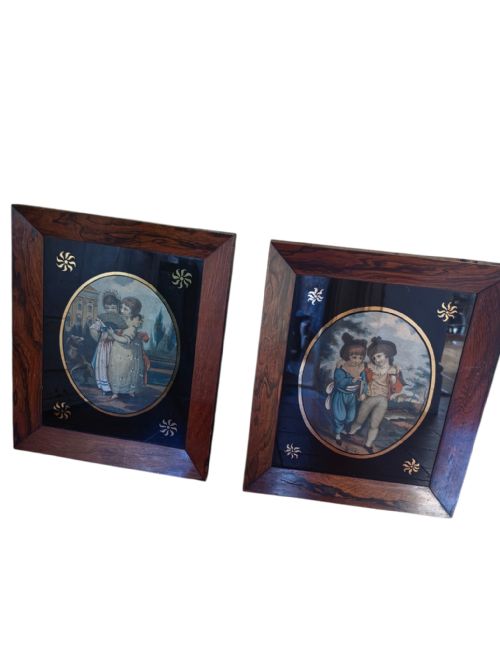
The underlying works utilise ink, paper, canvas, and oil paint, executed through techniques such as mezzotint engraving, reverse glass painting, pen-and-ink drawing, and lithography. Many of these historical sheets and panels are preserved under glass.
The framing employs timber mouldings, sometimes finished with gilt or gold leaf detailing, housing the artwork alongside backing materials appropriate to their respective centuries.
Listings span periods from the 17th century through to the 1920s and 1960s, uniting wood, glass, paper, ink, canvas, and oil.
What varies in quality
Quality differences lie in the crispness of the impression for engravings and mezzotints, where early pulls show sharper detail than later printings. The execution of the brushwork in oil paintings and portraits similarly dictates the refinement of the piece.
The preservation of the paper or canvas, the clarity of the glass, and the integrity of the original frame contribute to the overall standard of each surviving object.
John Bowles·Sir Peter Lely·John Smith·Valentine Green·William Hogarth·Gustave Doré
The Black Wood Framed Art Glossary
- Mezzotint
- A printmaking process where the copper plate is roughened to produce tones and rich dark areas, widely utilised for eighteenth-century portraits.
- Reverse glass print
- An image painted or transferred onto the reverse side of a glass panel so that it is viewed through the transparent front.
- Plumbago
- A delicate drawing executed in graphite, taking its name from the Latin word for lead ore and popular for eighteenth-century miniatures.
- Eglomise
- A technique where gold or silver leaf is applied to the rear of glass and etched to create a decorative border or design.
Black Wood Framed Art: Frequently Asked Questions
How should I hang black wood framed art?
These pieces suit spaces with traditional or transitional decor, where the dark frames anchor the composition against neutral wall colours. Ensure they are placed away from direct sunlight to protect the paper, ink, and pigments.
Grouping smaller silhouettes or engravings together creates a strong visual focal point. Larger oil portraits work effectively as singular statement pieces within a room.
What periods do these framed works cover?
The selection encompasses items originating from the seventeenth, eighteenth, and nineteenth centuries, extending into the twentieth century. You will find Georgian and Regency aesthetics alongside earlier Baroque and Jacobean portraits.
Each period brings distinct framing choices and printing techniques, from early hand-coloured maps to photographic contact sheets.
Are the frames original to the art?
Many listings specify original frames, such as period timber mouldings or historic gilt accents that match the age of the enclosed print or painting. Other pieces feature complementary frames selected to house the antique work securely.
Checking individual descriptions provides clarity on whether the moulding dates to the same era as the canvas or paper inside.
How do I care for antique prints under glass?
Keep the works in stable indoor environments with moderate humidity to prevent warping of the timber frames and degradation of the paper substrates. Avoid exposing the pieces to damp conditions or sudden temperature fluctuations.
Clean the glass gently with a soft cloth sprayed with a mild cleaner, ensuring moisture does not seep beneath the rebate into the artwork.