
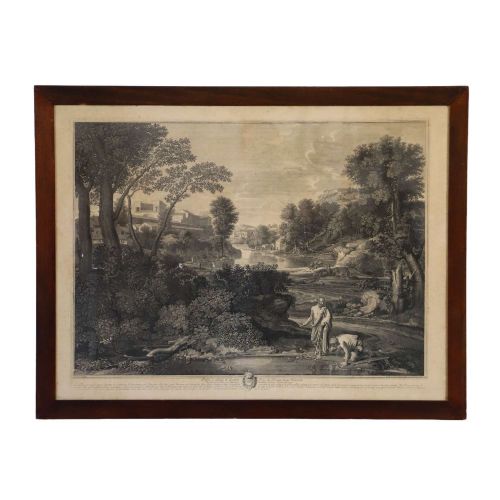
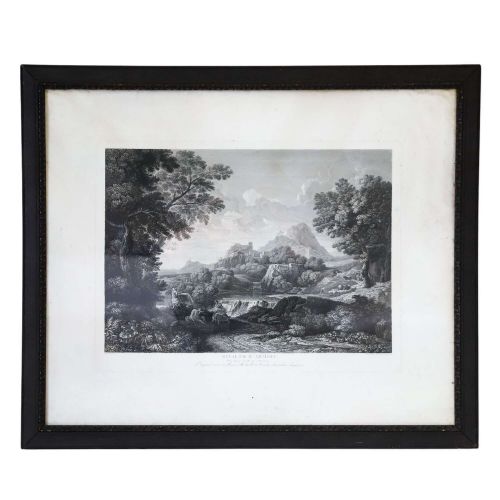
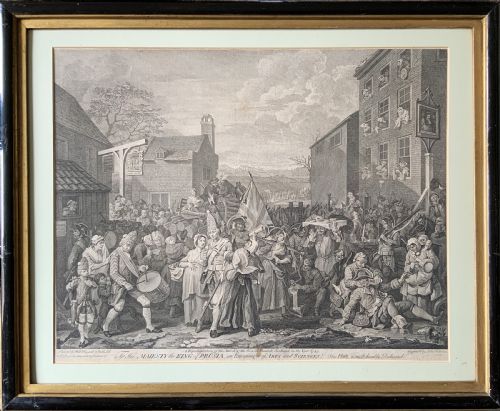
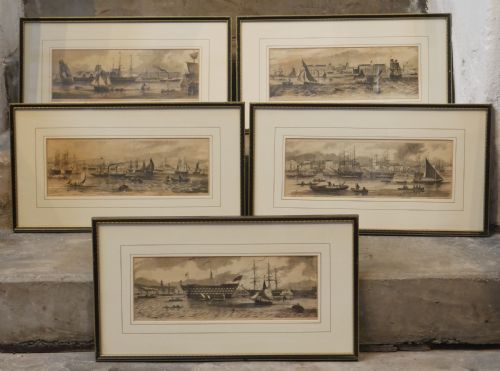


Black Wood Frame Print
A black wood frame print holds centuries of graphic art, bringing historic portraits and architectural plates straight to your walls.
Black Wood Frame Print
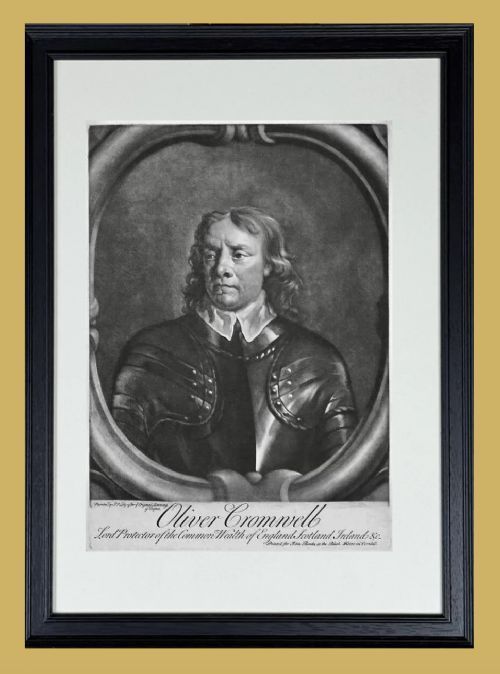
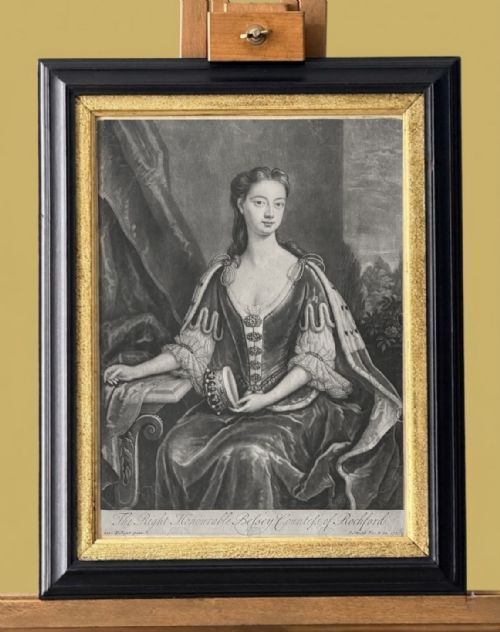
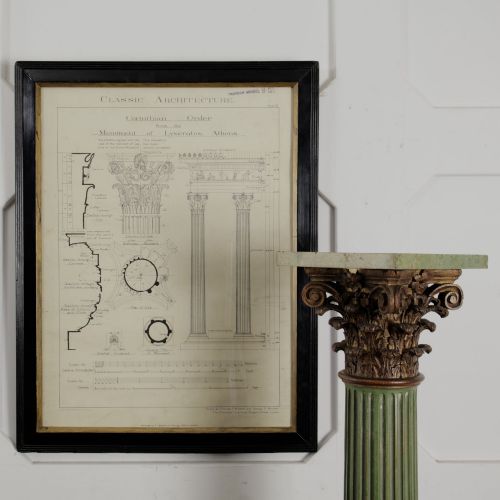
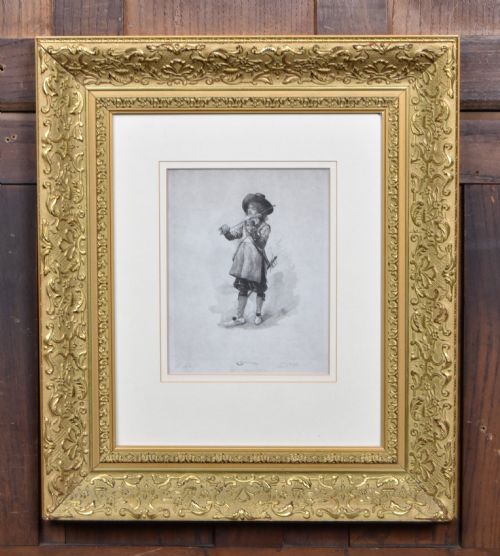
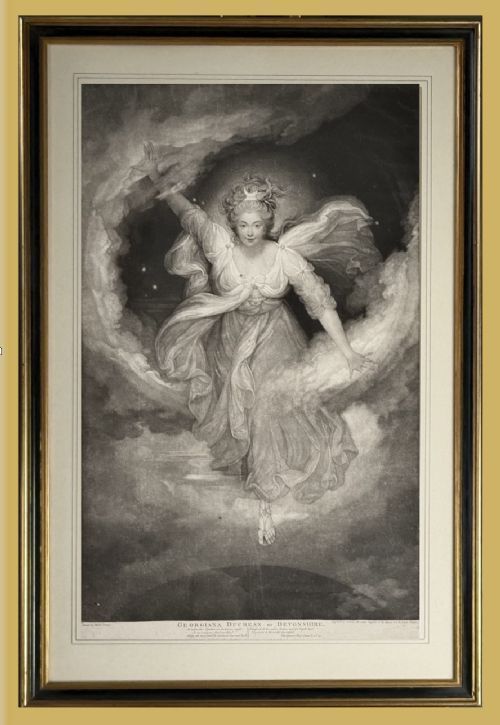
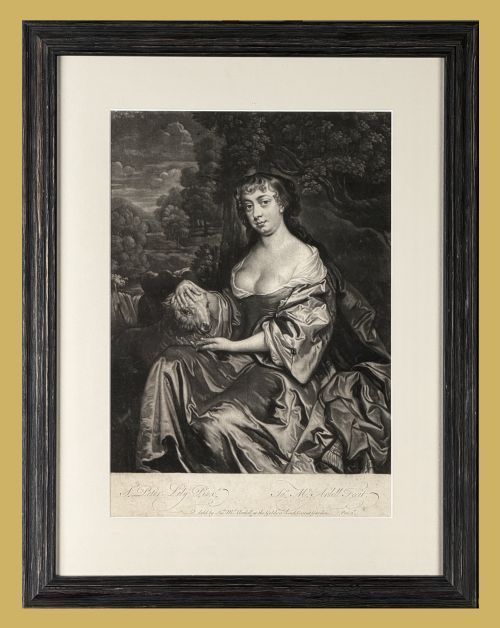
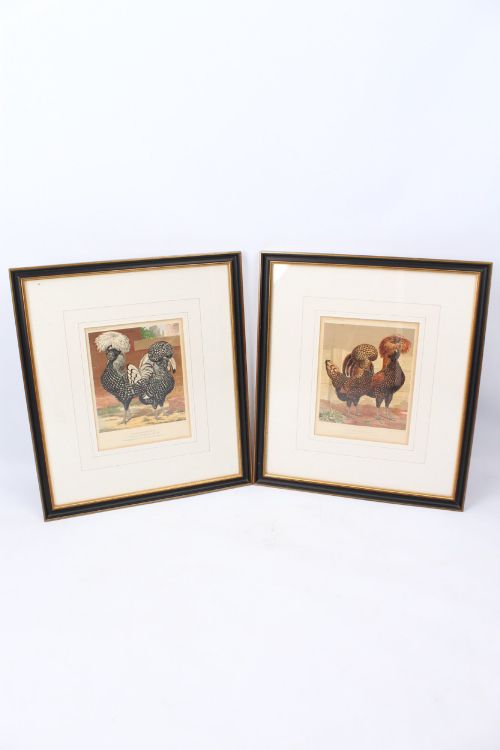
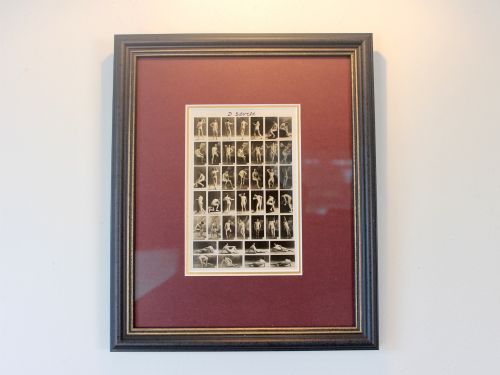
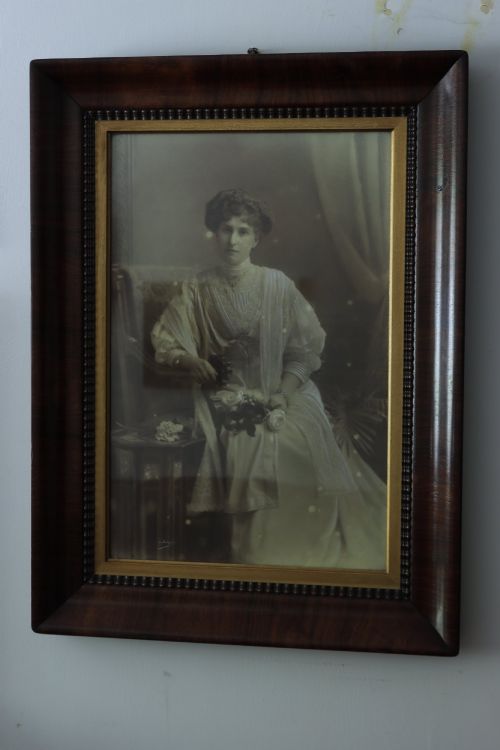
A black wood frame print encompasses historical engravings, mezzotints, and lithographs housed within dark wooden mouldings. These works span from seventeenth-century portraits to twentieth-century photographic contact sheets and architectural plates.
Buyers encounter eighteenth-century mezzotints and nineteenth-century topographical subjects most frequently in this selection. The physical presentation relies on dark wood surrounds that anchor the paper or glass artwork visually.
How they were made
Makers utilised wood, glass, and paper combined with ink, pigment, and gold leaf or gilt accents. Printmakers produced the central imagery through intaglio techniques like engraving and mezzotint, or via lithography and reverse glass painting.
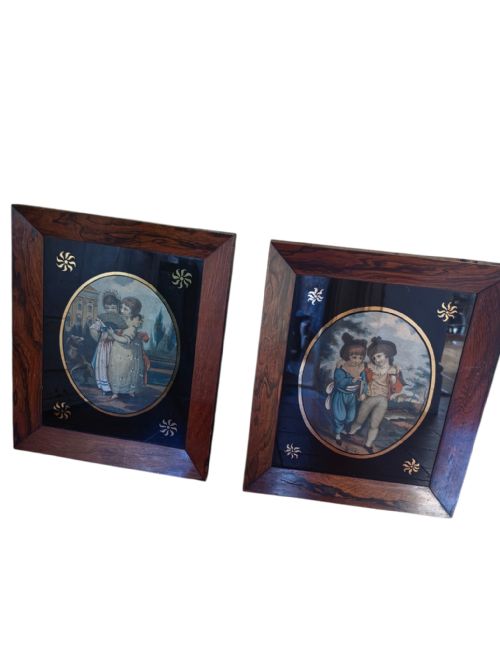
Carpenters constructed the housings using timber mouldings finished in dark tones. Glaziers protected the fragile paper surfaces with sheets of glass, occasionally incorporating gilt liners or eglomise glass panels.
Young H.H. Wyatt proudly recorded his age as seventeen on his royal palace architectural drawing.
What varies in quality
The distinction between tiers rests upon the impression sharpness of the ink upon the paper and the integrity of the original mountings. Finer plates display crisp plate marks and deep tonal gradations within the mezzotint or engraving.
Material longevity dictates the upper echelon of examples, where period frames match the creation date of the enclosed artwork. Survival of the original glass and untouched backing papers elevates the standing of a piece.
John Bowles·John Smith·Valentine Green·James Macardell·John Boydell
The Black Wood Frame Print Glossary
- Mezzotint
- A printmaking process of the intaglio family where the artist works from dark to light by roughening the copper plate with a rocker. This technique produces rich tonal variations and smooth gradients.
- Engraving
- A method of cutting design lines into a metal plate with a burin to hold ink for printing. The resulting lines appear exceptionally sharp and precise under magnification.
- Eglomise
- A process of applying cold gilding and painting to the rear face of glass panels. This creates a mirrored, reflective border that frames the central image.
- Reverse glass print
- An image painted or transferred directly onto the reverse side of a glass sheet and viewed from the front. This method yields a glossy surface finish distinct from paper prints.
- Lithography
- A planographic printing process based on the chemical repulsion of oil and water. Artists draw upon a limestone slab or metal plate to transfer the design.
Black Wood Frame Print: Frequently Asked Questions
How are these framed prints dated?
Dating relies on the style of the wood moulding, the paper characteristics, and the active periods of the printmaker or publisher noted in the inscription.
Examination of the backing materials and any recorded biographical dates of the depicted subjects further narrow the era of production.
Are the frames original to the prints?
Some pieces retain their original period frames, while others have been paired with complementary dark wood mouldings at a later date.
Listings specify whether a mount or frame dates to the same period as the enclosed graphic work.
What subjects appear in these frames?
The subjects range widely from stately seventeenth-century portraiture and architectural elevations to military engagements and botanical studies.
Cartography, classical mythology, and sporting prints also populate the selection alongside photographic contact sheets.
How do I care for antique framed prints?
Protect the paper and ink from direct sunlight to prevent fading of the pigments and yellowing of the backing sheet.
Maintain stable indoor humidity levels to safeguard both the fragile paper artefact and the wooden frame structure.