
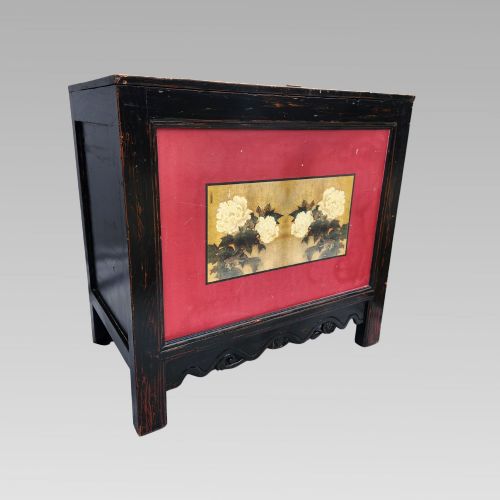

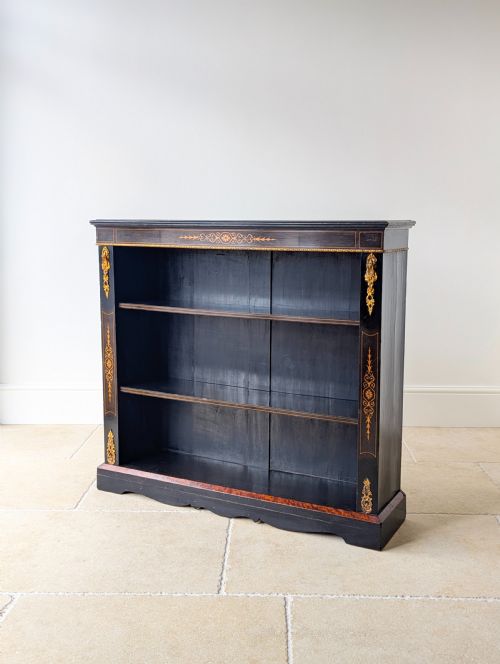
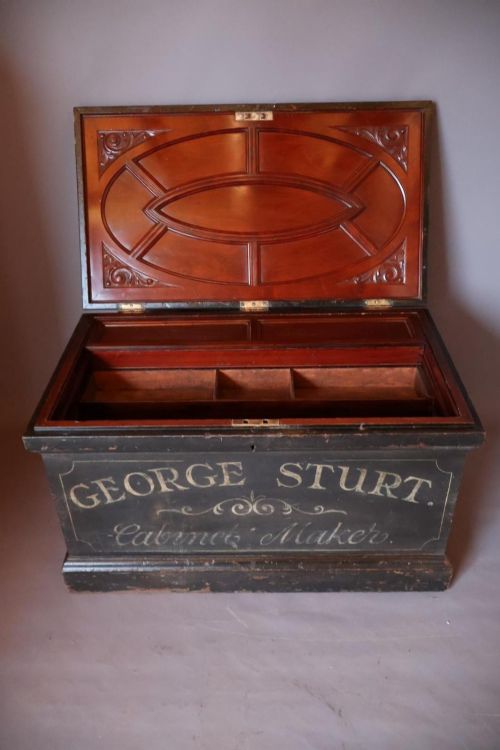


Black Wood Cabinet
A black wood cabinet brings dark gravity to a room, offering enclosed storage through ebonised surfaces, lacquer and rich tropical hardwoods.
Black Wood Cabinet
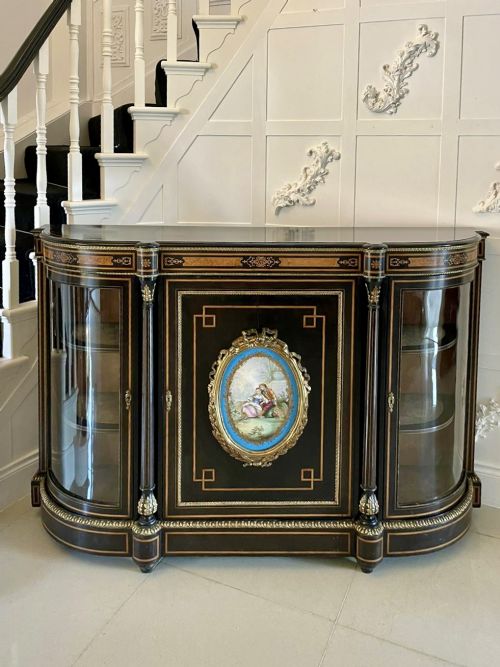
A black wood cabinet spans centuries of global craftsmanship, ranging from eighteenth-century European table caskets to nineteenth-century Victorian credenzas and twentieth-century cocktail bars. Buyers seeking this phrase encounter heavy ebonised timbers, polished lacquer and dark oriental chests built for storage and display.
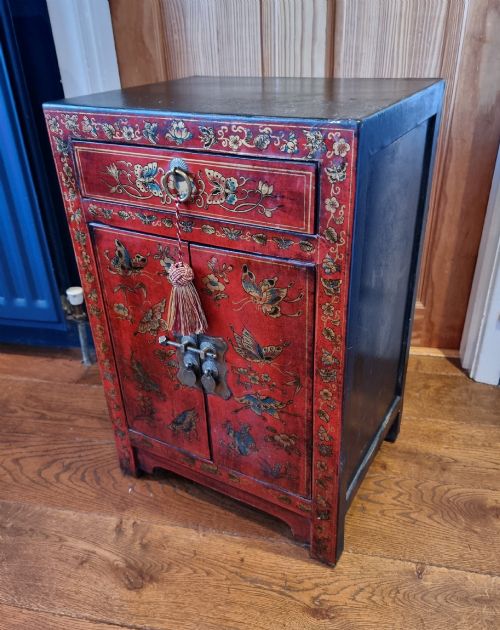
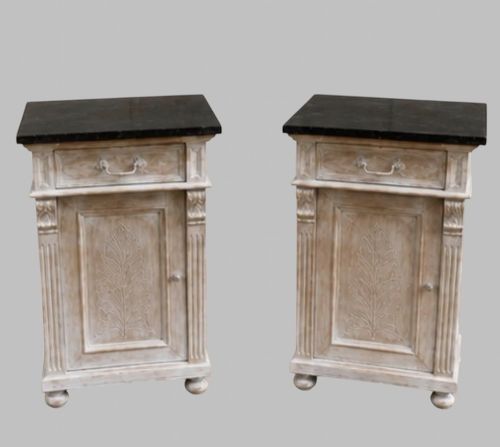
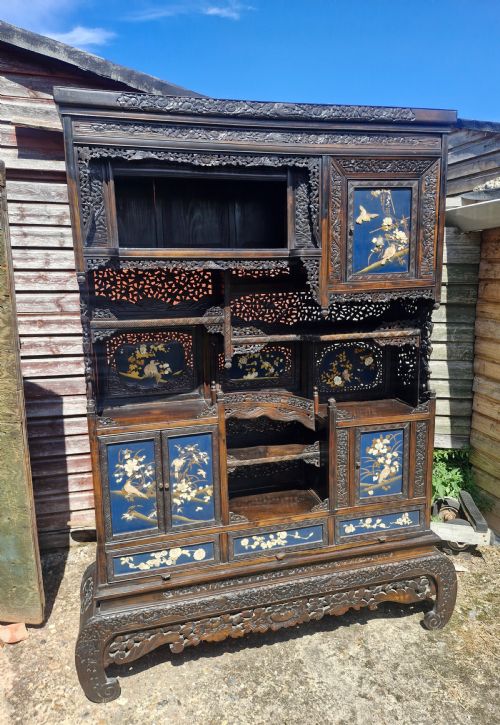
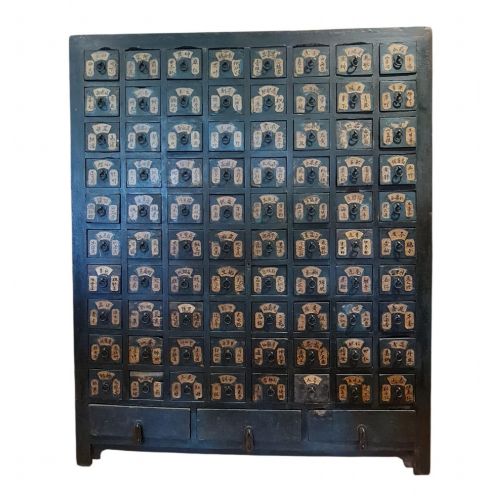
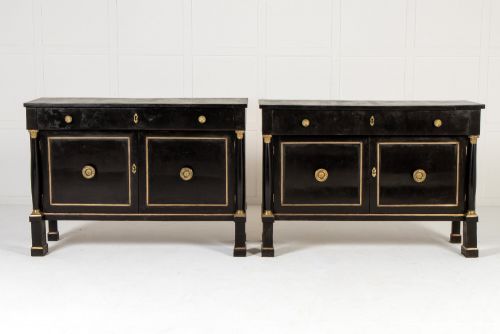
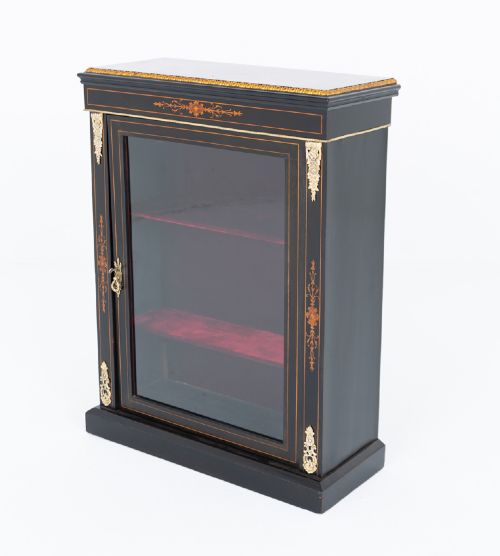
The forms vary widely across the inventory, taking shape as tall tower units, low sideboards, glass-fronted vitrines, bedside tables and intricate Japanese tansu chests. Many examples integrate contrasting materials such as ormolu mounts, porcelain plaques or brass hardware against blackened timber.
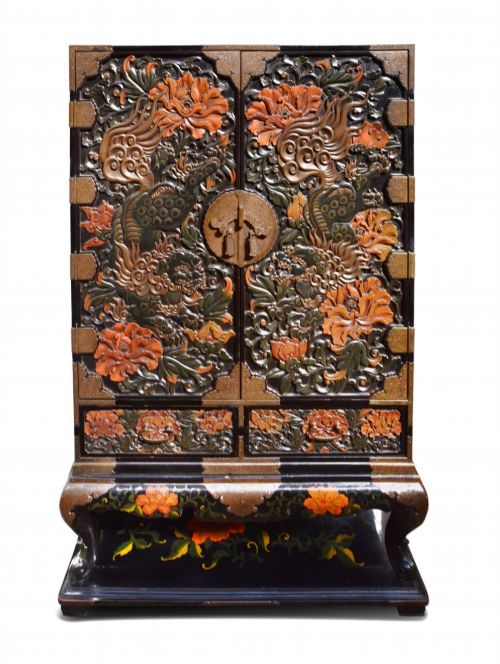
Regional styles dictate the character of each piece, moving from Flemish baroque parquetry to French aesthetic movement credenzas and Chinese painted lacquer. These works serve as focal points in a room, designed to hold books, collections or spirits.
How they were made
Cabinet makers utilised dense hardwoods like ebony, walnut and elm as structural foundations, frequently applying an ebonising process to cheaper timbers to imitate costly exotic woods. Surfaces were then finished with layered black lacquer, hand-painted floral motifs or polished to a deep sheen.
Decorative elements involve intricate brass mounts, ormolu detailing, carved panels and porcelain plaques inset into the timber doors. Joinery methods reflect the period of origin, from traditional dovetail construction in apothecary drawers to joinery found in Japanese step chests.
The listings show black wood cabinets spanning from the seventeenth century through to the art deco era, utilising ebonised wood, lacquer and brass.
What varies in quality
Quality rests in the depth of the timber preparation and the finesse of the surface finish, whether through hand-applied lacquer or the crispness of carved details. Superior examples maintain intact original mounts, glass panels and interior fittings rather than replaced hardware.
The integrity of the construction dictates longevity, separating robust workshop builds from purely decorative items. Finer pieces demonstrate precise parquetry alignment, stable joinery and well-preserved decorative surfaces that withstand the passage of time.
H and L Epstein
The Black Wood Cabinet Glossary
- Ebonised
- Timber treated with stain, dye or polish to give the dark, dense appearance of solid ebony. This technique gained immense popularity during the Victorian and aesthetic movement periods.
- Chinoiserie
- European interpretations of Chinese and East Asian artistic styles, characterised by raised motifs, figures and landscapes rendered in gold and coloured lacquer upon black grounds.
- Credenza
- A low dining room or parlour cabinet used for serving food or displaying decorative objects, frequently fitted with mirrored backs and glass doors in nineteenth-century designs.
- Tansu
- Traditional Japanese mobile cabinetry and chests built for storage, featuring sliding doors, iron hardware and modular step configurations designed for domestic utility.
- Ormolu
- Gilded bronze mounts applied to furniture surfaces for decorative contrast and edge protection, common in fine French and Victorian cabinet making.
Black Wood Cabinet: Frequently Asked Questions
How do I style a black cabinet?
A black cabinet anchors a room by providing strong visual contrast against lighter walls and surrounding furnishings.
Position it where interior lighting can highlight metallic mounts, glass panels or reflective lacquered surfaces.
Are chinoiserie cabinets authentic?
Chinoiserie cabinets encompass both genuine East Asian imports and European interpretations created during various revival periods.
Examining the lacquer technique and structural timber helps determine whether a piece originates from Asian workshops or European makers.
How do I date a black wood cabinet?
Dating relies on identifying the construction methods, hardware styles and prevailing decorative motifs of the specific period.
Victorian pieces often feature heavy ebonised mouldings, while twentieth-century examples may incorporate art deco geometry or blonde maple interiors.