
Black Painted Cabinet
A black painted cabinet brings dark ground and painterly detail into a room, offering storage with a distinct decorative presence.
Black Painted Cabinet
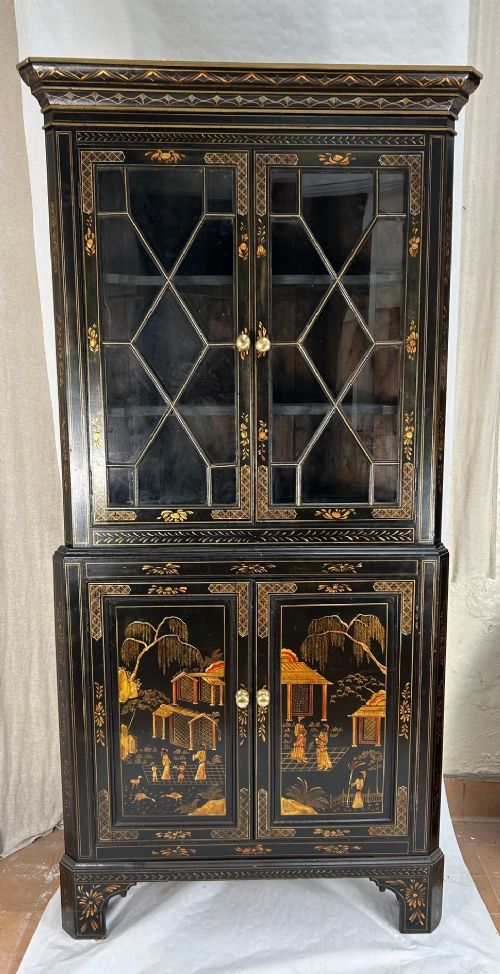
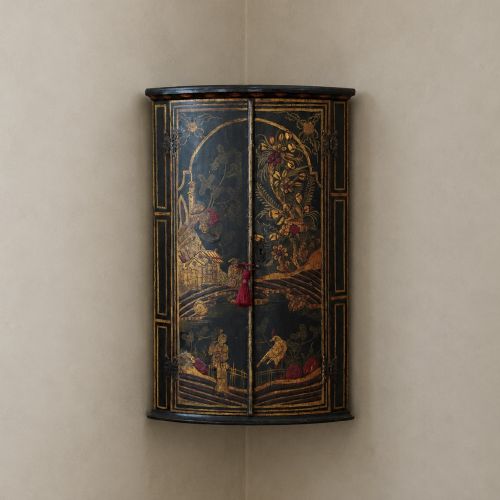
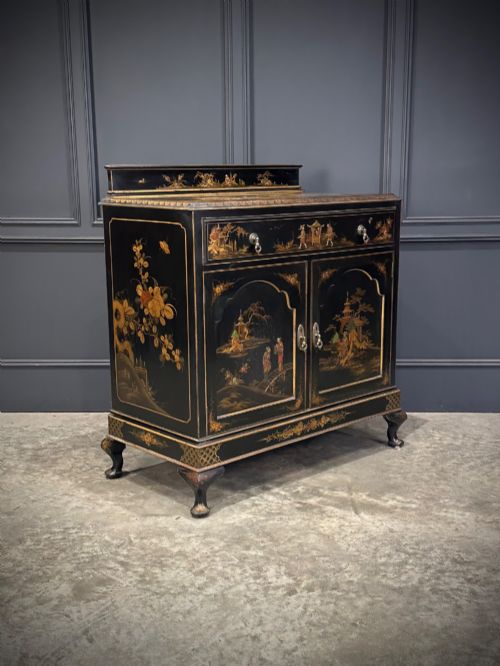
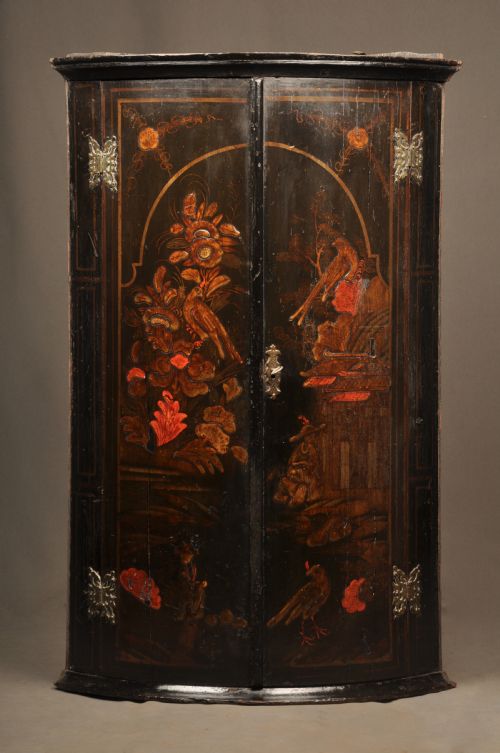
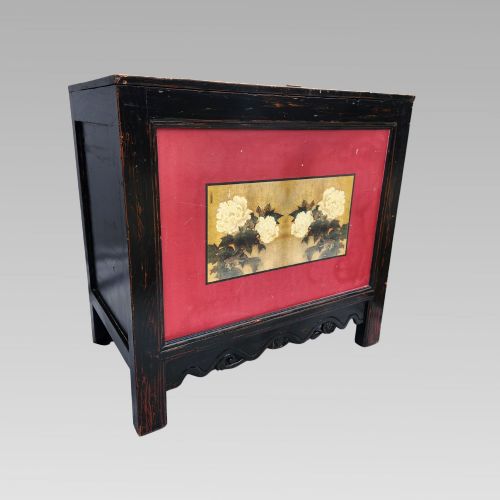
A black painted cabinet encompasses a range of storage forms, from corner cupboards and bedside units to tall wardrobes and display vitrines. When searching for a black painted cabinet, buyers encounter pieces spanning the eighteenth, nineteenth, and early twentieth centuries.
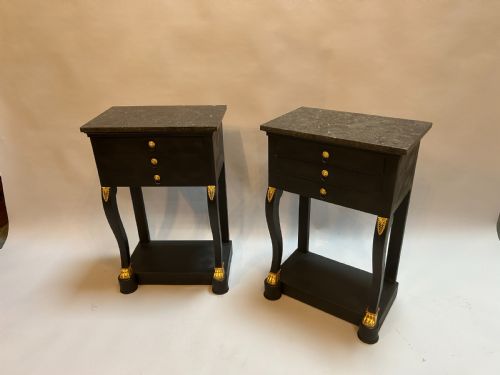
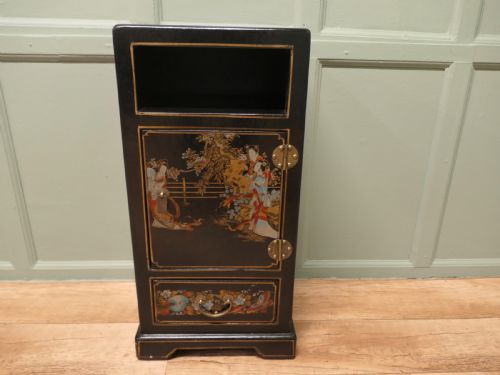
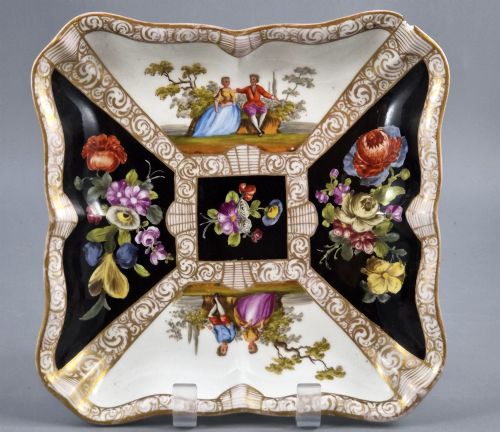
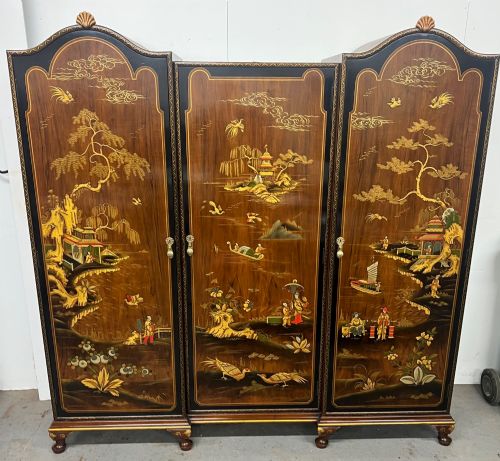
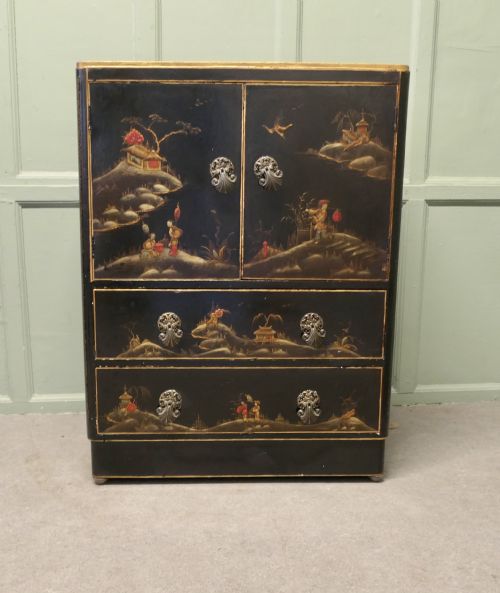
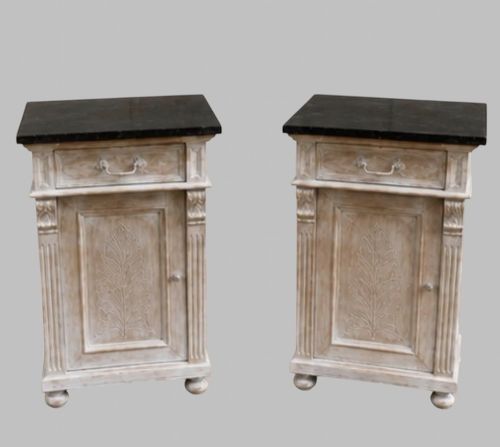
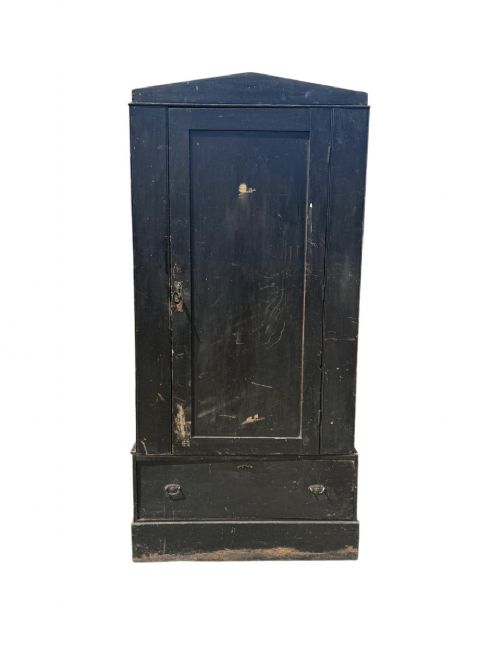
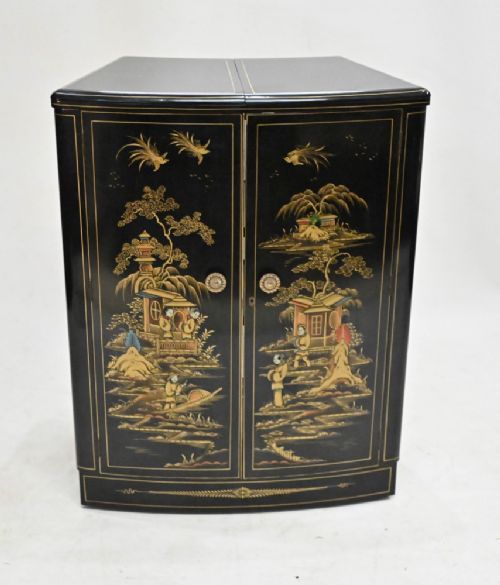
The selection frequently includes examples finished in lacquer or Japanned work, often decorated with Chinoiserie scenes in gold and colour. Other variations showcase plain painted pine, oak, and ebonised mahogany surfaces, sometimes highlighted with brass embellishments or marble tops.
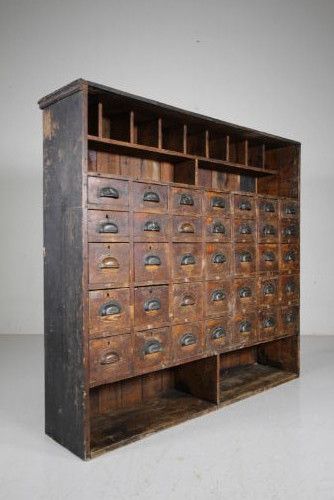
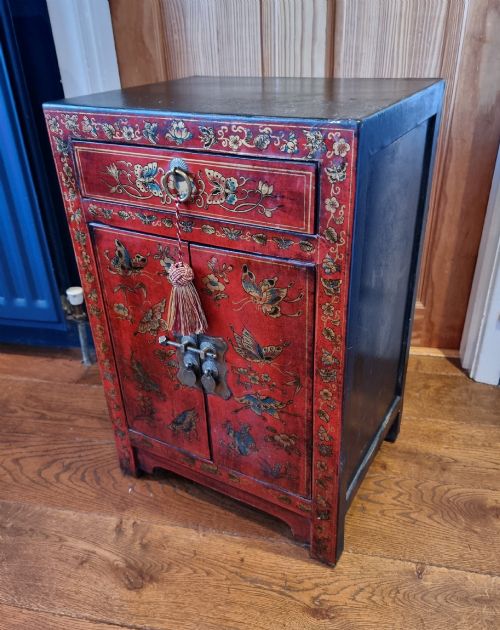
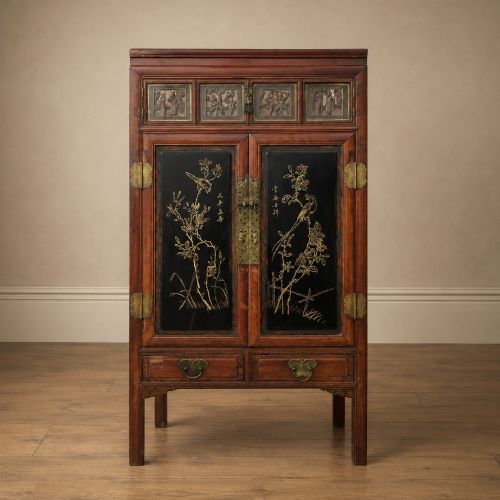
Origins vary widely across the inventory, ranging from English and Dutch workshops to Hungarian country pieces and Chinese export furniture. Buyers will find both diminutive bedside cabinets and large housekeeper larder cupboards sharing this dark finish.
How they were made
Makers utilised timber substrates such as pine, oak, and mahogany, constructing carcases with traditional joinery before applying decorative surfaces. Paint, lacquer, and gold leaf were built up in layers to create deep, dark grounds.
Surface ornamentation relied on meticulous hand-painting, pen-work, and Japanning techniques to render floral motifs and figures. Brass hardware, handles, and glass panels were then integrated to complete the storage pieces.
Periods represented span from the eighteenth century through the Victorian era into the early twentieth century.
What varies in quality
Quality rests in the depth and preservation of the painted or lacquered surface, particularly where hand-painted Chinoiserie or gilt highlights are concerned. Finer examples maintain crisp detail in the motifs and stable timber grounds beneath.
Construction standards differ between utilitarian country storage and sophisticated urban furniture. The integration of original brass mounts, glass panes, and secondary woods dictates the standing of an individual piece.
Maples and Co
The Black Painted Cabinet Glossary
- Japanning
- European imitation of East Asian lacquer work popular on furniture from the seventeenth century onwards. It involved layers of varnish and resin heated and polished to a dark sheen.
- Chinoiserie
- European theatrical interpretation of Chinese and East Asian artistic traditions. It appears on cabinets as painted or raised figures, pavilions, and landscapes.
- Ebonised
- Timber stained or painted to imitate ebony. This finish was widely adopted during the nineteenth century, notably within the Aesthetic Movement.
- Vitrine
- A glass-fronted cabinet designed for the display of porcelain and curiosities. These pieces often feature glazed doors and sides to maximise visibility.
- Linen Press
- A tall storage cupboard originally intended for household textiles and folded garments. Upper sections typically enclose sliding trays above drawer storage.
Black Painted Cabinet: Frequently Asked Questions
How do I clean a painted cabinet?
Dust surfaces gently with a soft, dry cloth to protect the painted or lacquered finish from abrasion.
Avoid chemical polishes and water, which can damage historic paint layers and gold leaf details.
Where should I place my cabinet?
Position the piece away from direct sunlight and strong heat sources to prevent the wood and lacquer from drying out.
Ensure the room maintains stable humidity levels to keep painted wooden panels from warping.
Are these cabinets used for clothes?
Many larger forms like wardrobes and linen presses provide ample hanging and shelving space for garments.
Smaller bedside units and side cabinets function better for bedside storage or display.
How do I tell Japanning from paint?
Japanning involves raised metallic details and glossy varnish layers built up over time on a dark ground.
Standard painted furniture displays flat or brush-textured pigment without the distinct relief work of lacquer.