
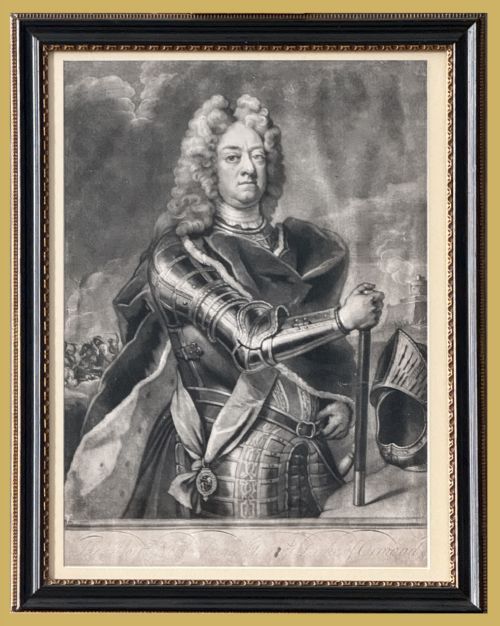
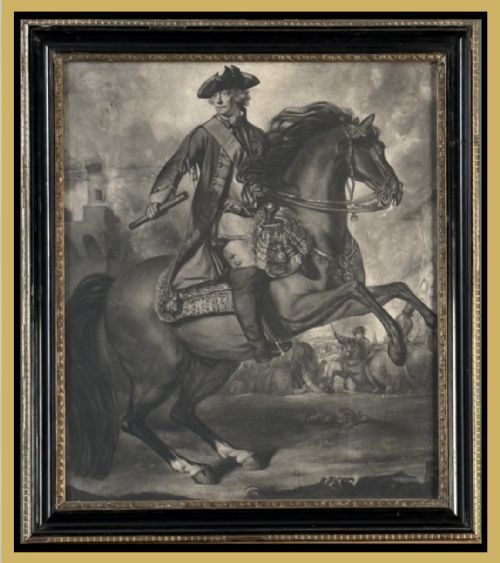
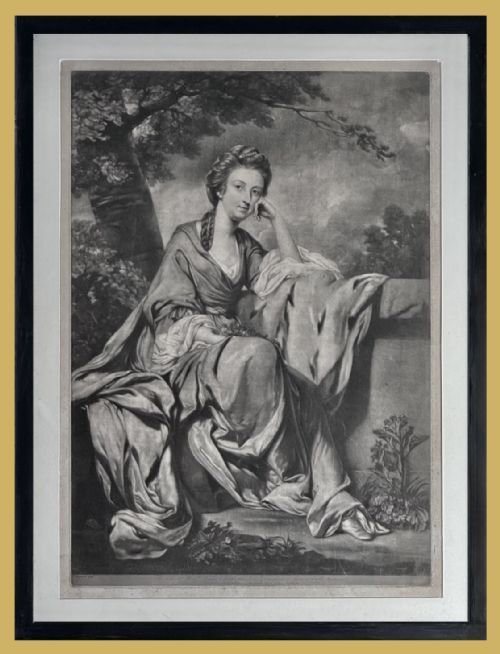
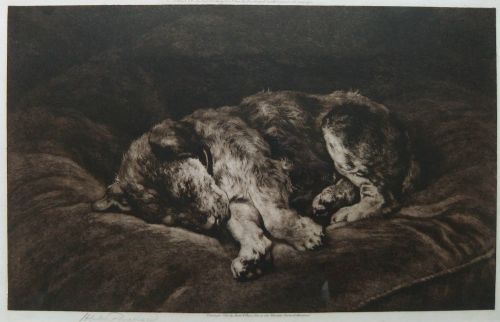


Black Monochrome Artwork
When buying black monochrome artwork, you encounter historical portraits and scenes captured through ink, wash, and etched lines.
Black Monochrome Artwork
A search for black monochrome artwork directs attention to framed prints, etchings, and drawings produced across the seventeenth, eighteenth, nineteenth, and early twentieth centuries. These pieces consist primarily of portraiture and classical subjects rendered in dark tones on paper, frequently housed behind glass.
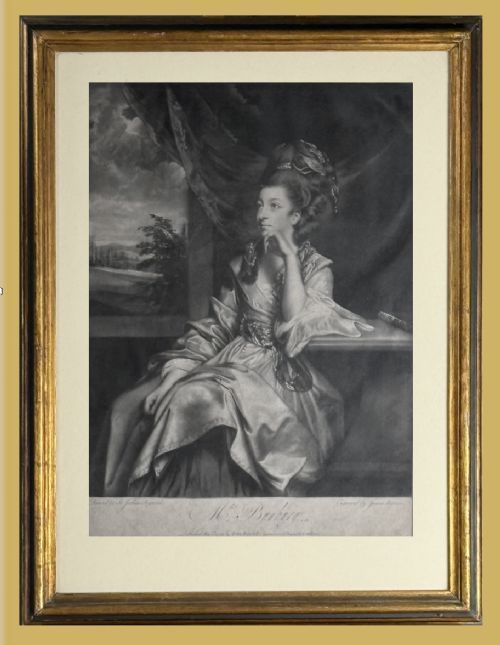
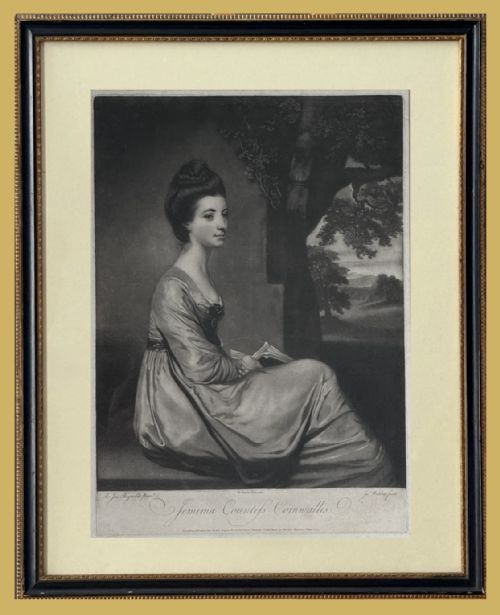
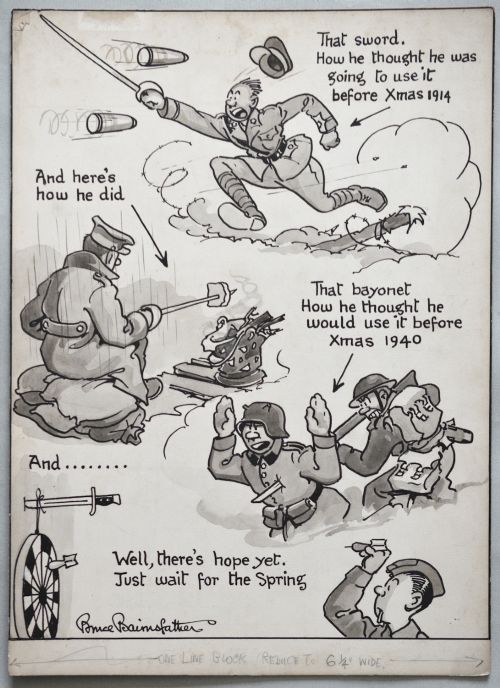
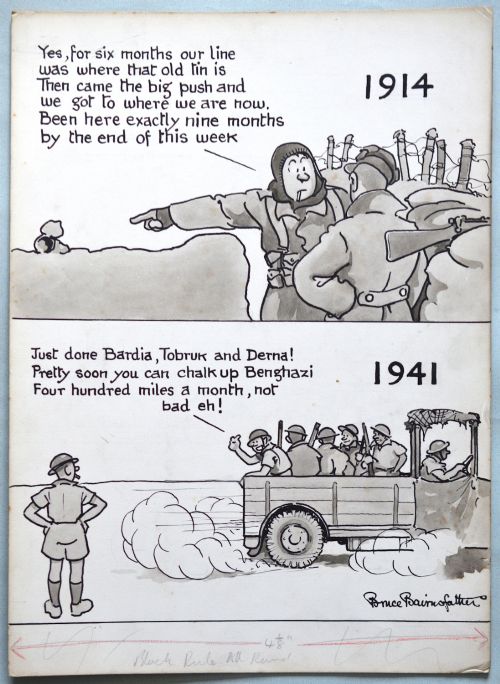
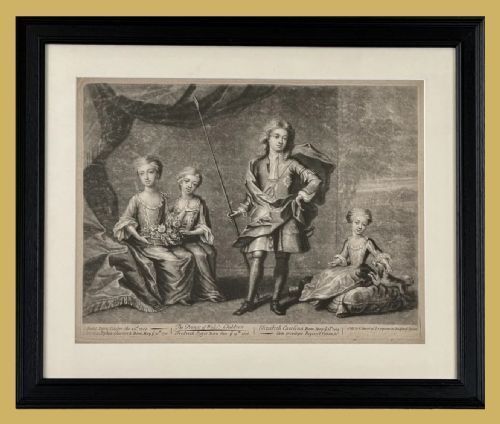
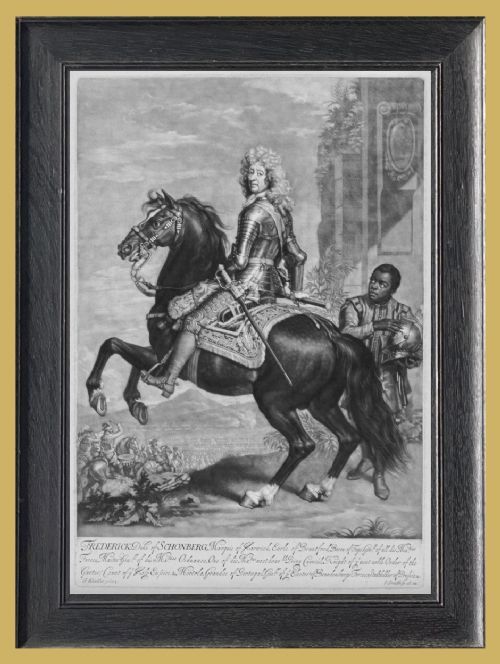
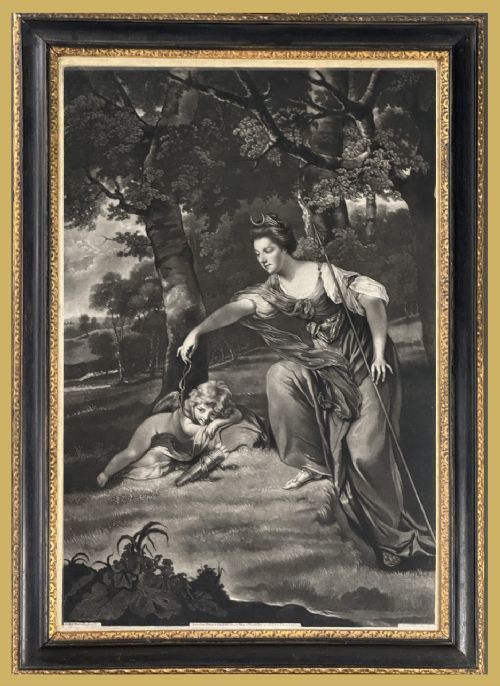
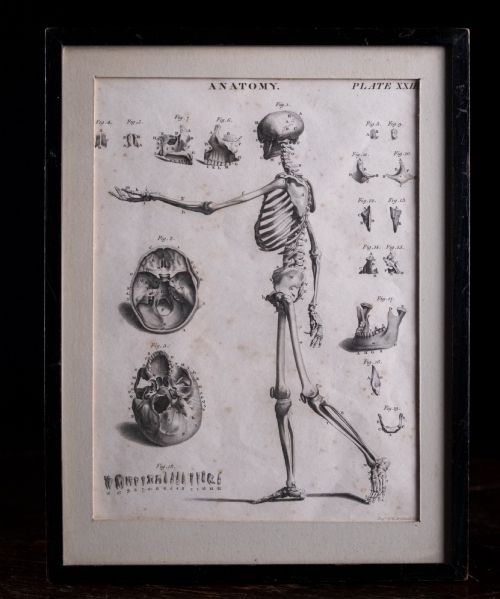
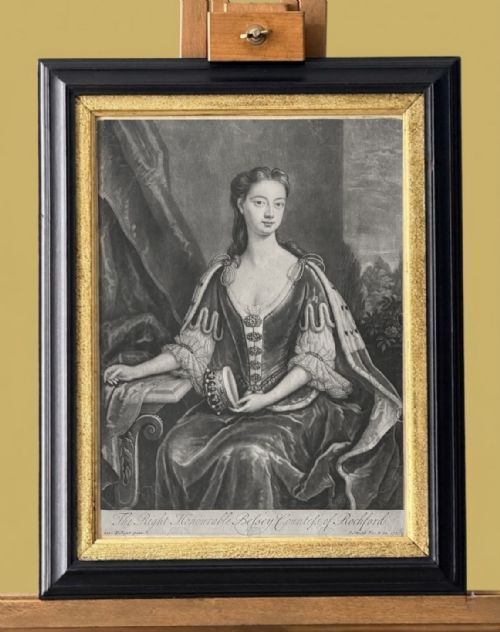
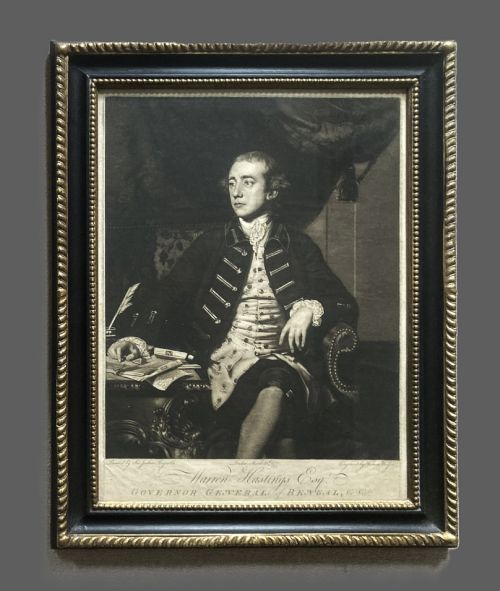
The selections on this page lean heavily towards eighteenth-century mezzotint portraits depicting nobility and military figures, alongside twentieth-century etchings and ink drawings. The physical forms range from single framed wall art pieces to pairs and sets of historical engravings.
Buyers encounter works reflecting Georgian, Victorian, and Baroque styles, utilising materials such as charcoal, ink, and wash on paper. These items serve as historical records of portraiture and landscape through monochrome techniques.
Materials and production methods
These works rely on paper as the primary support, combined with drawing media like ink, charcoal, and wash to establish dark monochrome tones. Printmakers and artists utilised copper plates for intaglio processes such as engraving and mezzotint, applying pressure to transfer ink onto the sheet.
Gilt and gold leaf occasionally accent the surrounding frames rather than the image surface itself, while glass protects the delicate paper substrate from environmental damage. Wood forms the structure of the frames, including period examples like Hogarth mouldings.
Listings feature works spanning from the 17th century to the 1940s, executed in ink, charcoal, and wash on paper.
Distinctions in quality
Quality in these monochrome pieces rests on the precision of the plate impression or the directness of the hand-drawn ink and wash. Early impressions from copper plates retain sharp contrasts and fine details, whereas later strikes lose the crispness of the darker areas.
The skill of the printmaker translating an oil painting into a mezzotint determines the tonal depth across the black and grey spectrum. Original artist proofs signed in pencil demonstrate closer involvement from the creator than standard posthumous impressions.
John Simon·Edward Fisher·John Smith·James Watson·Herbert Dicksee·Bruce Bairnsfather·François Perrier·William Lionel Wyllie·Fred Lawson·Jacobus Houbraken
The Black Monochrome Artwork Glossary
- Mezzotint
- A printmaking process where the copper plate is roughened to hold ink for solid dark areas, then scraped to create lighter tones. This technique allows for rich tonal gradations.
- Etching
- A method where lines are bitten into a metal plate with acid before ink is applied for printing. It produces fine, distinct linear marks.
- Engraving
- A technique of cutting lines directly into a metal plate with a burin tool. The resulting prints exhibit sharp, clear details.
- Wash
- A diluted layer of ink or watercolour applied to paper to create smooth background tones. It provides subtle shading behind drawn lines.
- Artist proof
- An early impression printed to test the plate before the main edition. These carry high collectible status due to their direct association with the maker.
Black Monochrome Artwork: Frequently Asked Questions
What is a mezzotint?
A mezzotint is an intaglio printmaking method that builds rich dark tones and subtle gradients without relying on pure lines.
Printers roughened the copper plate uniformly and scraped away areas to produce highlights within the monochrome design.
How do I care for these works?
Keep paper works out of direct sunlight to prevent the ink and paper from fading over time.
Maintain stable indoor humidity levels to protect both the historical paper and the original wooden frames.
Are these pieces original?
The listings include original hand-drawn ink works alongside period printed editions produced from engraved and etched plates.
Each listing specifies whether the item is a direct drawing or a printed multiple from a historical plate.
How old are these artworks?
The pieces span from the seventeenth century through the early twentieth century, reflecting distinct historical periods.
Styles range from Baroque and Georgian portraiture to early twentieth-century etchings and landscape drawings.