


Framed Neoclassical Illustration
A framed neoclassical illustration brings timeless classical restraint and antique architectural precision directly onto your wall.
Framed Neoclassical Illustration
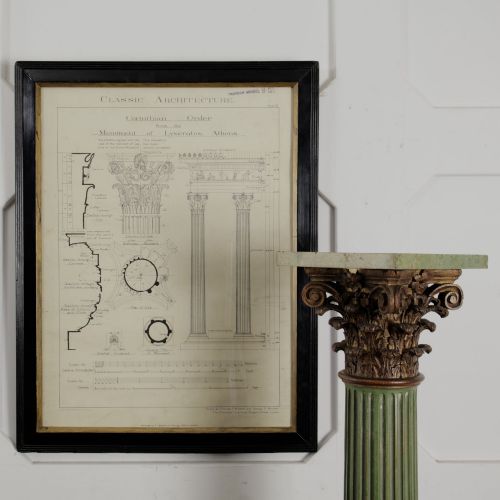
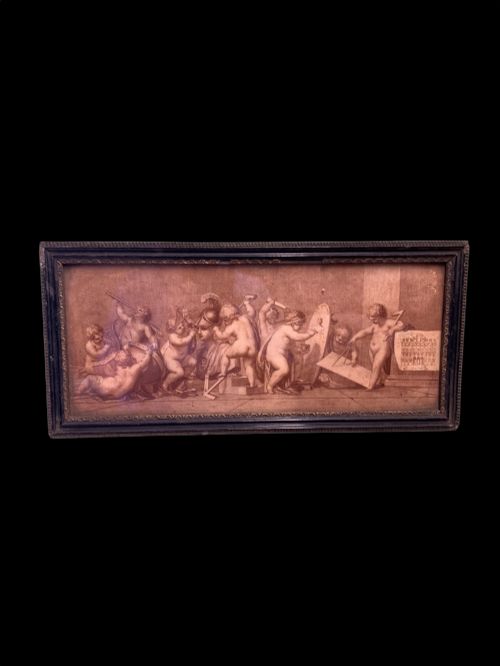
A framed neoclassical illustration encompasses engraved plates and watercolours depicting classical architecture, mythological figures, and ancient Greek and Roman motifs. These works draw heavily upon archaeological discoveries from the Grand Tour and classical antiquity, capturing the enduring appeal of proportion and symmetry.
The pieces available span from original eighteenth-century productions to early twentieth-century revivals. Buyers encounter framed prints, architectural engravings, and copperplate illustrations depicting subjects such as the Corinthian order, ancient temples, and Homeric scenes.
Compositions range from intimate single prints to larger architectural elevations and plates from significant antiquarian publications. Each piece is preserved behind glass within wooden frames, occasionally accented with gold leaf.
Materials and Technique
Makers utilised high-quality paper and detailed copperplate engraving techniques to achieve the fine, crisp lines characteristic of architectural plates and figural illustrations. Artisans applied ink precisely to copper plates before pressing them onto paper, occasionally enhancing select watercolours by hand.
Framing materials rely upon traditional timber mouldings, sometimes finished with gold leaf, protecting the delicate paper and ink works beneath glass. The physical construction combines eighteenth and nineteenth-century printmaking methods with period or later wood framing.
Architectural prints dominate the object types, focusing on temples, orders, and classical antiquities from Athens.
Assessing Quality
Quality rests upon the clarity of the impression from the copper plate and the preservation of the paper. Finer examples retain sharp, distinct linework without fading or blurring, whereas worn plates yield softer, less defined details.
The significance of the subject matter and the skill of the original draughtsman or engraver elevate certain works above standard decorative plates. Original eighteenth-century impressions command distinct attention compared to later twentieth-century reproductions.
John Flaxman·Alessandro Mocchetti·James Basire
The Framed Neoclassical Illustration Glossary
- Engraving
- A printmaking process where an artist cuts lines directly into a metal plate using a sharp tool. This technique produces the fine, precise details seen in architectural prints.
- Copperplate
- A flat sheet of copper utilised by engravers to carve intricate illustrations. Multiple impressions are pulled from this plate before the metal wears down.
- Grand Tour
- A traditional extended journey through Europe undertaken by upper-class young men in the eighteenth and nineteenth centuries. Travellers collected antiquities, prints, and architectural drawings to bring home.
- Neoclassical Revival
- A later artistic movement that reinterpreted classical Greek and Roman forms. Works from this period emulate eighteenth-century aesthetics with updated framing or production dates.
Framed Neoclassical Illustration: Frequently Asked Questions
How do I date a framed neoclassical illustration?
Dating relies upon the paper quality, printing technique, and stylistic markers recorded in the title or margin. Eighteenth-century plates often display watermarks and hand-laid paper textures distinct from twentieth-century revivals.
Examining the framing materials and backing boards provides additional clues, though frames are frequently replaced over time to suit contemporary interiors.
Where should I hang architectural prints?
These balanced, symmetrical compositions suit studies, libraries, and hallways where formal or classical decor prevails. Pairing architectural elevations together creates a cohesive gallery wall.
Keep framed works away from direct sunlight to protect the aged paper and ink from fading over the years.
Are these illustrations original 18th-century pieces?
The selection includes both original eighteenth-century engravings and early twentieth-century revival prints. Each listing specifies the period of production, distinguishing genuine antique plates from later editions.
Checking the associated publication details or engraver names helps confirm the exact historical context of the artwork.
What subjects appear in these illustrations?
Common subjects include ancient Greek and Roman architectural orders, temple ruins from Athens, mythical figures, and scenes from classical literature like Homer's Odyssey. Many plates record archaeological sites documented during the Grand Tour.
Figural works also feature cupids and classical deities rendered through meticulous copper engraving.