
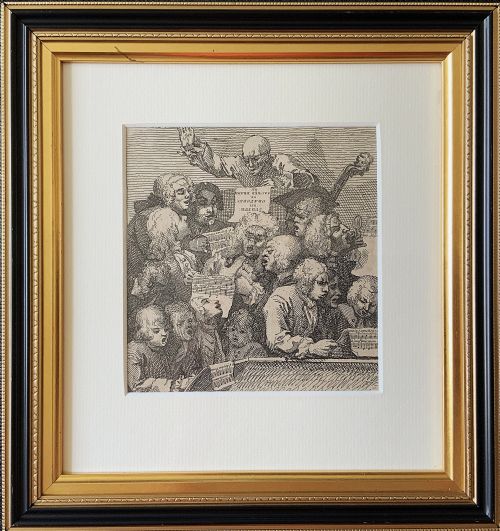


Black Gilt Framed Engraving
When you search for black gilt framed engraving, you discover historical prints and maps set within dark mouldings touched with gold leaf.
Black Gilt Framed Engraving
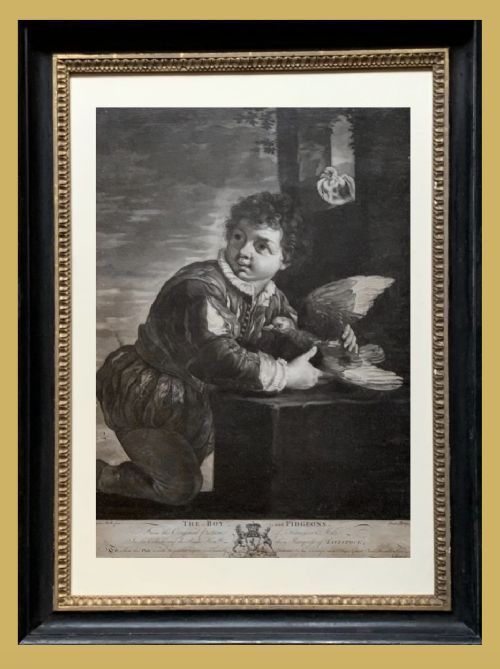
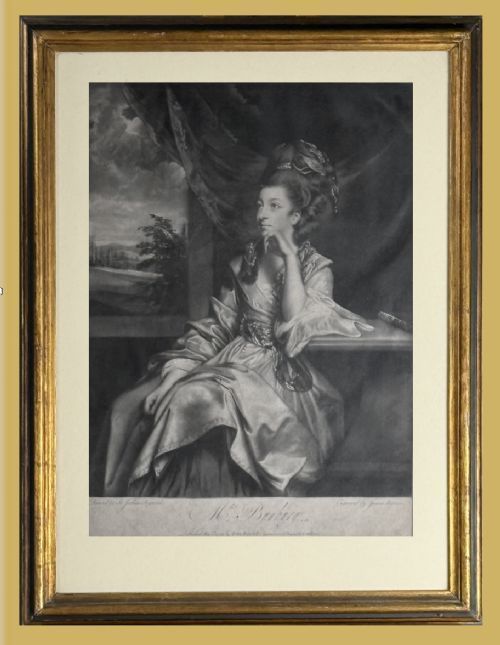
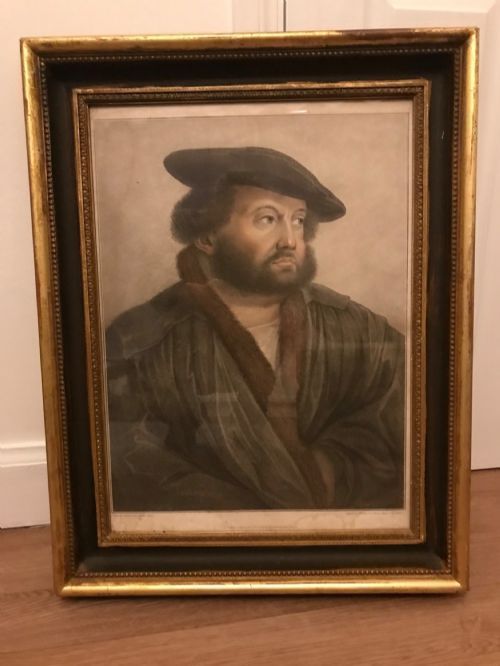
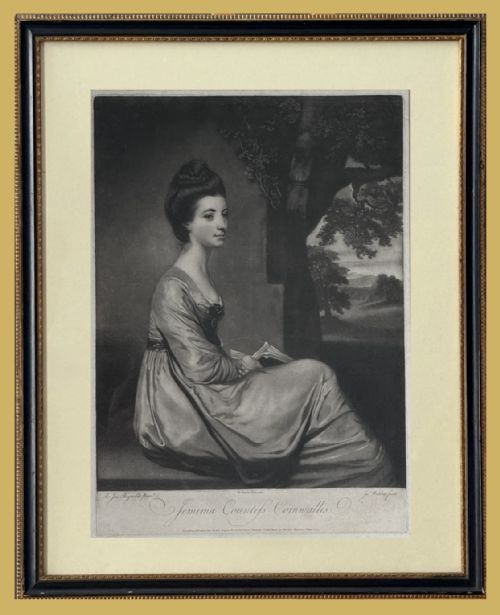
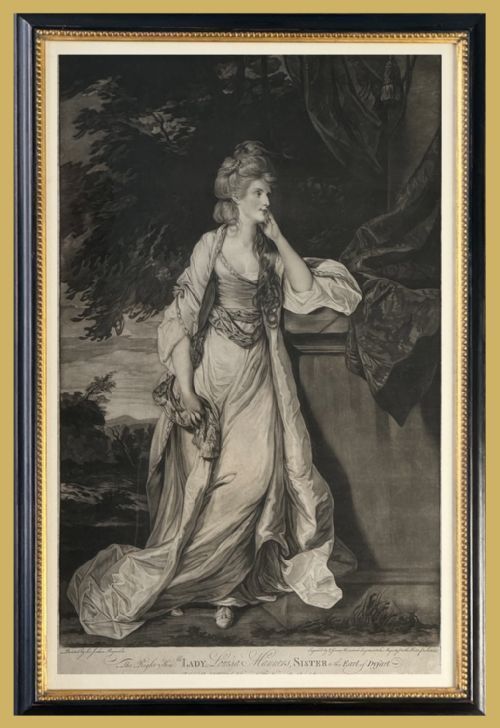
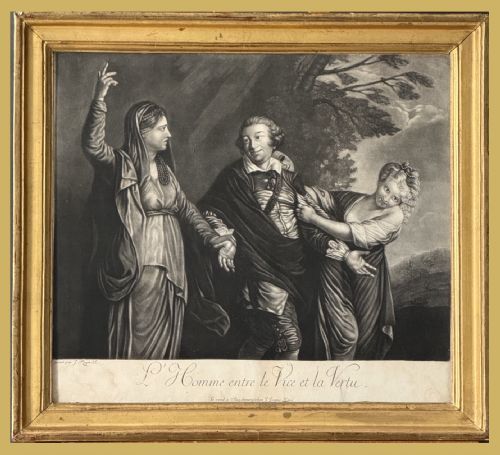
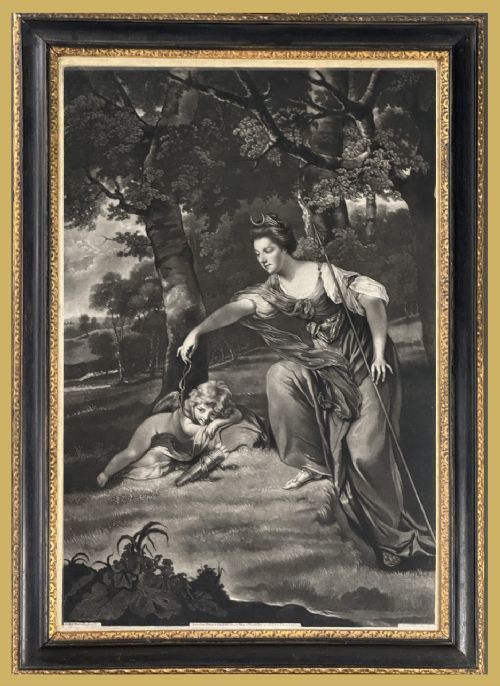
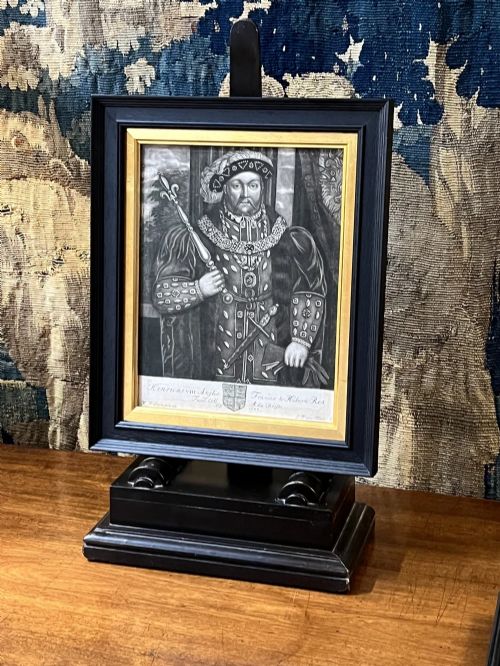
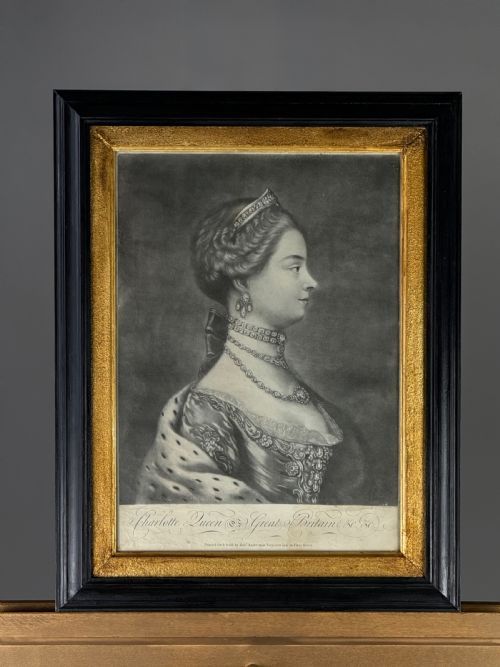
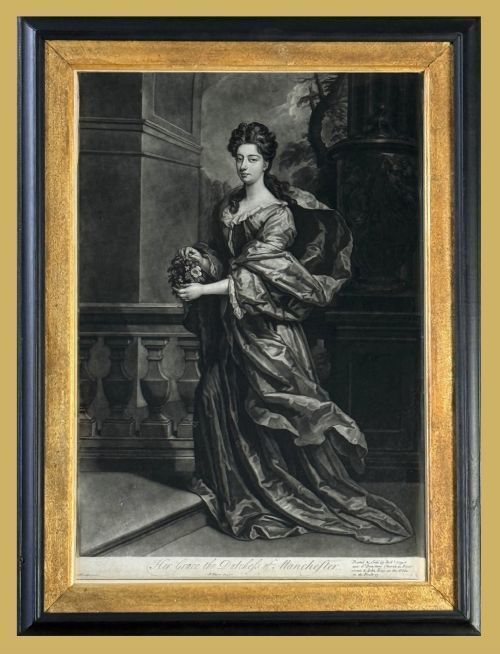
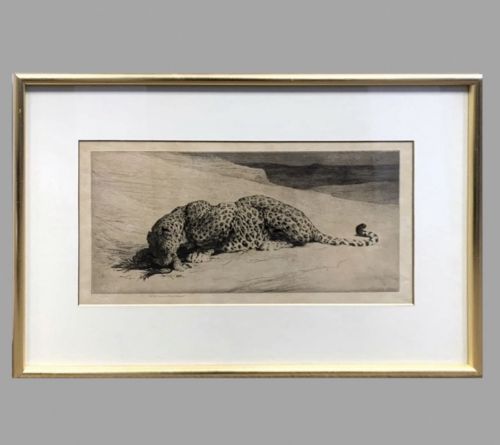
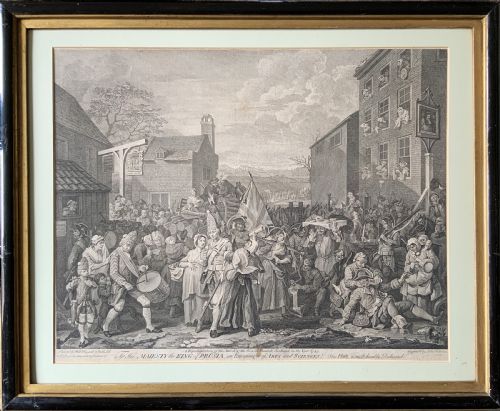
A black gilt framed engraving brings together centuries-old printed works on paper and period wooden mouldings finished in dark pigments and gold leaf. These items encompass portraiture, historical scenes, classical studies, cartography, and animal subjects produced across the seventeenth, eighteenth, and nineteenth centuries.
The most common examples on this page are eighteenth-century mezzotints and stipple engravings after notable painters, alongside early county maps and literary illustrations. Pieces span Georgian, Regency, and Victorian aesthetics, often presented behind glass in dark frames with gilded sight edges.
How they were made
The physical objects rely on paper receiving ink from engraved copper or steel plates, sometimes finished with hand-colouring or produced as mezzotints and etchings. These printed works sit within wooden frames prepared with gesso and dark finishes, highlighted by applied gold leaf or gilt lines.
Makers utilised traditional printing presses and manual plate-inking techniques before mounting the works behind protective glass within custom-joined timber mouldings.
Several eighteenth-century subjects capture dramatic historical scandals and theatrical performances, bringing domestic interior gossip straight from the Georgian playhouse to your wall.
What varies in quality
Quality rests in the clarity of the printed impression from the plate and the preservation of the paper against toning or foxing. Stronger impressions reveal fine lines and subtle tonal gradations clearly, while worn plates yield softer, muddier results.
The framing also distinguishes examples, as period timber mouldings with original hand-applied gold leaf carry greater historical integrity than later replacement surrounds.
John Boydell·James Watson·Francesco Bartolozzi·Valentine Green·John Faber Jr·William Hogarth·Johannes Janssonius·Gustave Dore·Emanuel Bowen
The Black Gilt Framed Engraving Glossary
- Mezzotint
- A printmaking process where the copper plate is roughened to produce dark backgrounds and scraped to create lighter tones. This technique allows for rich, velvety shadows and smooth tonal transitions.
- Stipple engraving
- A method of applying dots of varying density to copper plates to simulate the appearance of chalk drawings or soft skin tones. It was widely utilised for fine portraits.
- Giltwood
- Wood carved and coated with gold leaf or gold paint to provide reflective highlights. It is frequently seen on the inner rims of dark picture frames.
- Cartography
- The science or practice of drawing maps, represented here by antique engraved county and regional maps. These plates often feature decorative cartouches and hand-coloured boundaries.
- Foxing
- The brown spots and patches that appear on older paper due to chemical reactions over time. Its presence is a common characteristic of antique works.
Black Gilt Framed Engraving: Frequently Asked Questions
What is a mezzotint engraving?
A mezzotint is a print created by roughening a copper plate to hold ink, then scraping areas smooth to produce graduated tones and rich dark areas. This method was frequently utilised for reproducing oil paintings of notable figures.
The resulting prints possess a distinctive velvety depth that sets them apart from standard line engravings or etchings.
How should I care for antique paper art?
Antique engravings require protection from direct sunlight and high humidity to prevent the paper from fading and to discourage foxing spots. Keeping them behind glass shields the fragile medium from atmospheric dust and physical contact.
Stable indoor temperatures help preserve both the paper support and the wooden frame over decades.
Are these frames original to the prints?
Many antique engravings have been reframed over their long lifespans, while others retain period wooden mouldings finished in black and gold leaf. Examining the corner joints, backing materials, and glass helps determine the age of the framing.
Both contemporary framing choices and period surrounds appear across these listings.
How do I identify the age of an engraving?
Age is typically identified through the paper characteristics, printing technique, plate marks, and publisher inscriptions found in the lower margins. Stylistic clues within the imagery and costume also point to specific periods like the Georgian or Regency eras.
Comparing the plate details to known historical records provides a reliable guide to the date of production.