


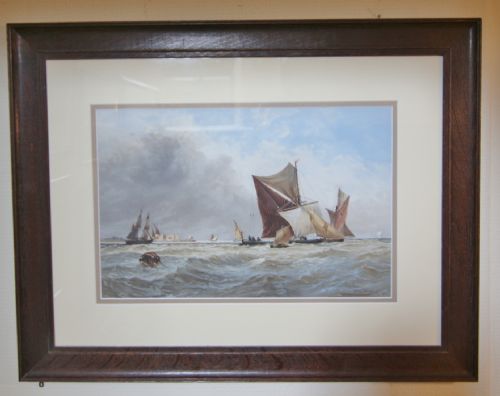
Antique British Art Print
An antique british art print captures centuries of national history through portraits, landscapes and military scenes.
Antique British Art Print
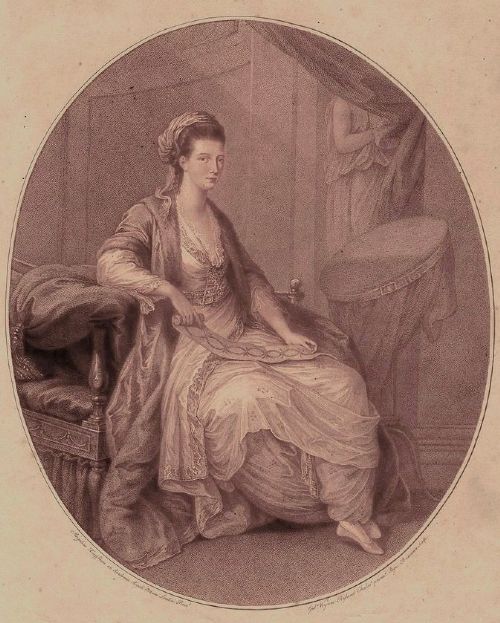
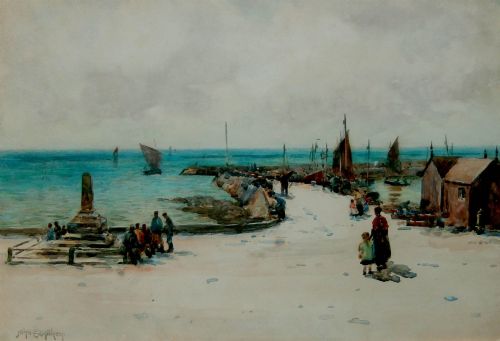
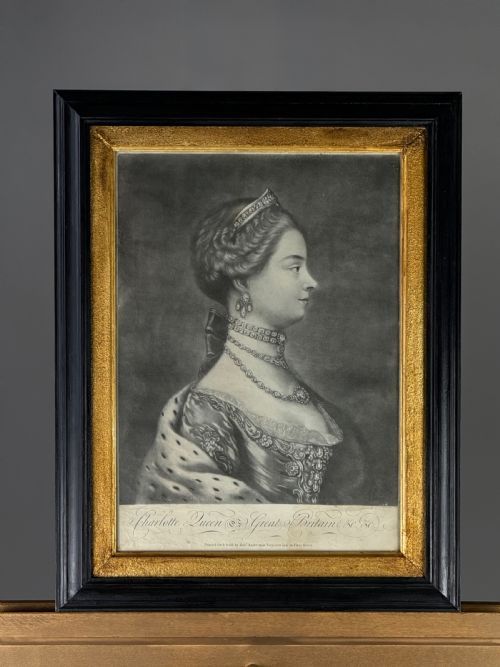
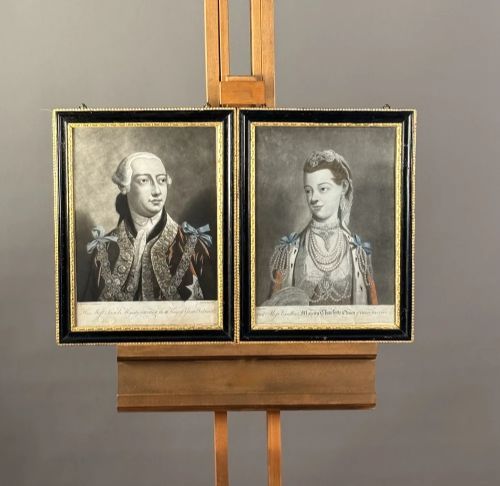
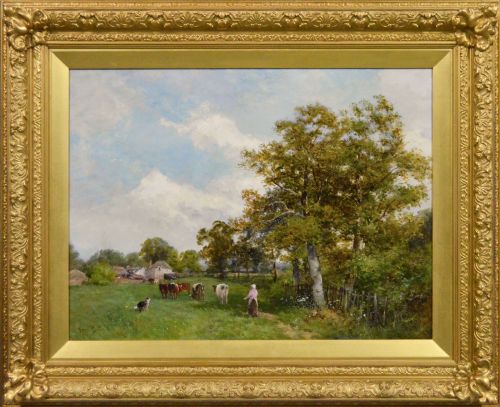
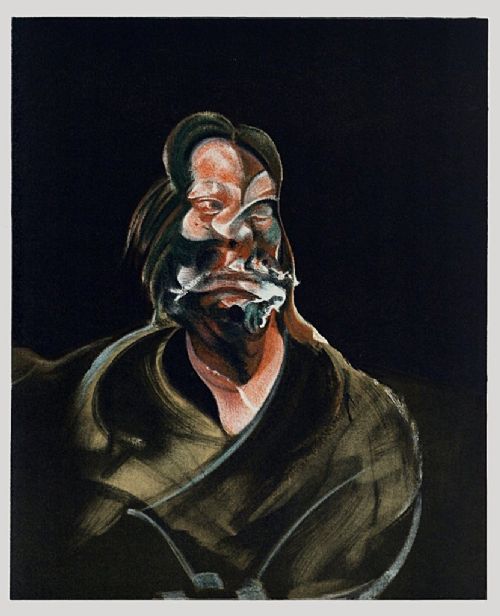
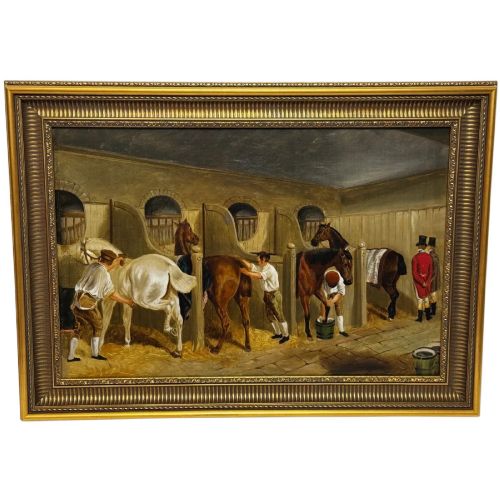
When searching for an antique british art print, collectors encounter a diverse array of framed works spanning from the seventeenth century through the early decades of the twentieth century. These pieces encompass royal portraits, rural landscapes, sporting subjects, and military history created by notable artists and engravers.
The selections available range from early mezzotints and engravings to Victorian watercolours, lithographs, and reverse glass pictures. Pieces originating from the eighteenth and nineteenth centuries appear frequently, reflecting traditional British artistic output and printmaking techniques.
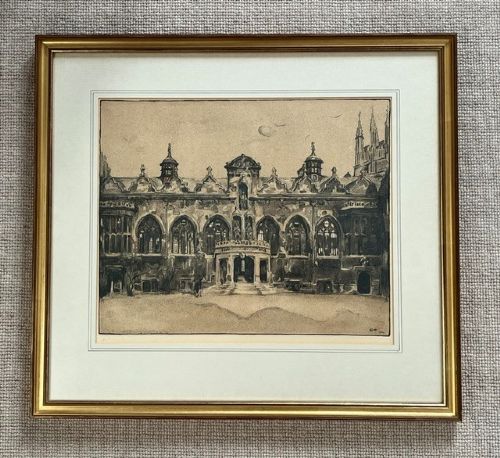
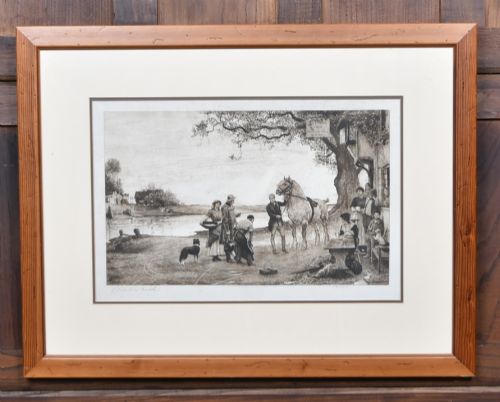
Subjects frequently depict recognizable figures, architectural landmarks such as Oxford colleges, and scenes of everyday life or field sports. Buyers typically find these works housed in period wooden or gilt frames ready for wall display.
Materials and production methods
Makers utilised paper, canvas, and glass as surfaces, applying watercolour pigment, ink, and oil paints to create the imagery. Many works rely on traditional printmaking methods including mezzotint, etching, engraving, and lithography.
Framing materials commonly feature wood and gilt wood, which protect the delicate paper or canvas substrates from environmental damage. Hand colouring often enhances monochrome engravings and etchings from the Georgian and Victorian periods.
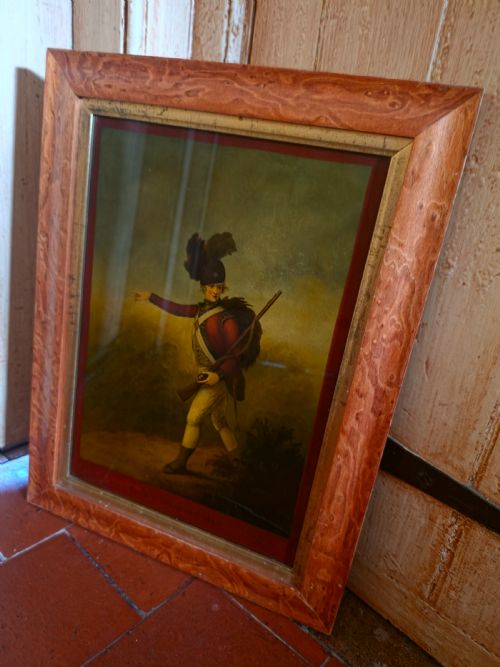
A light infantryman stares out from behind glass while various dogs quietly herd cows and chase hares across the centuries.
Distinctions in quality
Quality diverges based on the clarity of the impression in printed works and the precision of brushwork in original paintings. Stronger prints display crisp lines and deep contrast without blurring or fading across the paper surface.
The presence of artist signatures, pencil inscriptions, and contemporary provenance labels elevates the standing of an artwork. Original period framing also contributes to the overall integrity and desirability of the piece.
John Smith·Thomas Murray·James McArdell·Thomas Frye·David Bates·Robert W Macbeth·TB Hardy·Herbert Dicksee·William Hogarth·Luke Sullivan·Charles Burton Barber·Sir Thomas Lawrence
The Antique British Art Print Glossary
- Mezzotint
- A printmaking process where the copper plate is roughened to achieve rich tonal gradations and dark backgrounds. This technique was frequently utilised for eighteenth century royal and military portraits.
- Engraving
- A method of cutting design lines directly into a metal plate using a sharp tool called a burin. The resulting lines hold ink to produce sharp, detailed images on paper.
- Lithography
- A planographic printing process based on the repulsion of oil and water on a flat stone or metal plate. Artists used this method widely during the nineteenth and early twentieth centuries for illustrative plates.
- Etching
- A technique where acid bites lines into a metal plate covered with an acid resistant ground. This allows artists to produce fluid, expressive lines characteristic of many period works.
- Reverse glass picture
- An image painted directly onto the back of a glass panel to be viewed from the front. This specialised technique creates a glossy surface finish often seen in eighteenth and nineteenth century domestic decoration.
Antique British Art Print: Frequently Asked Questions
How are antique prints dated accurately?
Datings rely on publication lines, artist active years, and stylistic markers recorded in historical documentation. Watermarks in the paper and original framing styles also provide clues for determining the era.
Printers often inscribed publication dates directly beneath the image area during the eighteenth and nineteenth centuries. Comparing the subject matter to documented historical events further narrows the timeframe of creation.
What is the difference between an engraving and a lithography print?
Engravings involve incising lines into a hard plate to create a sharp, linear image under high pressure. Lithographs rely on chemical processes between grease and water on a flat surface, producing softer, painterly marks.
Examining the surface under magnification reveals the characteristic crisp grooves of an engraved plate versus the flat grain of a lithographic stone impression.
How should these paper works be displayed safely?
Works on paper require protection from direct sunlight to prevent the fading of watercolour pigments and printing inks. Acid free mounting materials safeguard the paper from chemical degradation over time.
Maintaining stable indoor humidity levels prevents warping of the wooden frames and the development of foxing spots on the antique paper substrates.
What subjects were popular in British printmaking?
Military history, royal portraits, and rural pastoral scenes dominate the traditional British visual repertoire. Equestrian subjects and field sports also appeared frequently in published folios and framed editions.
Topographical views of cities, rivers, and academic colleges appealed to contemporary collectors seeking to document national heritage and local landscapes.