



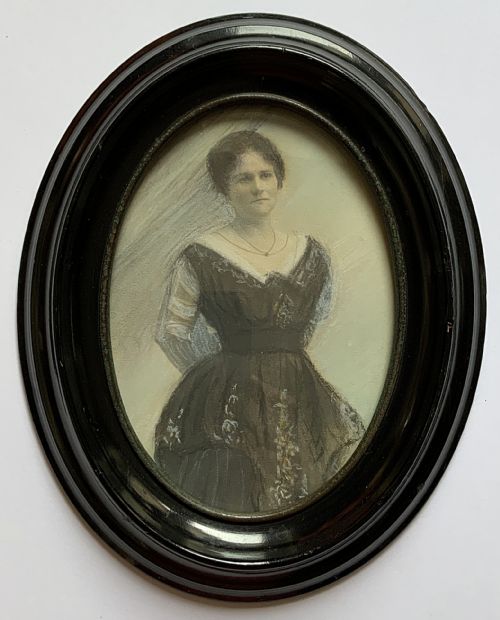
Black Framed Miniature Art
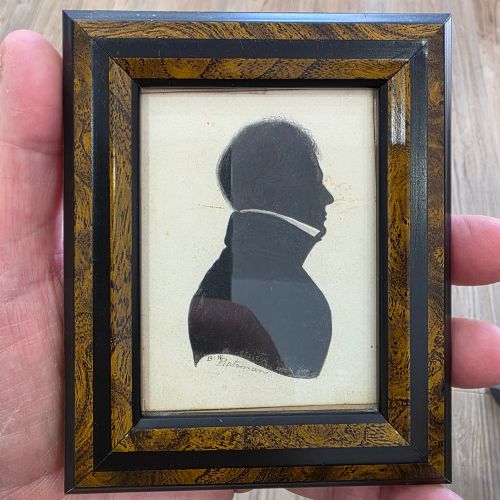
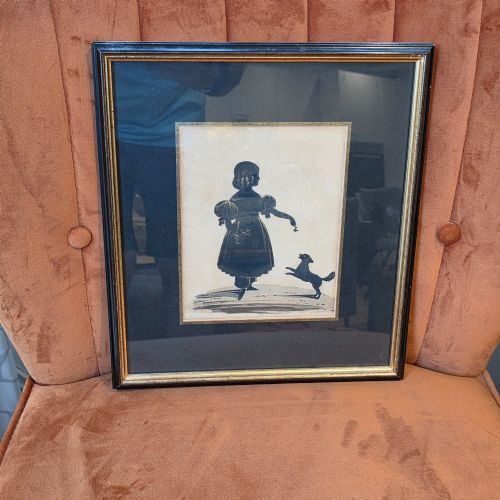
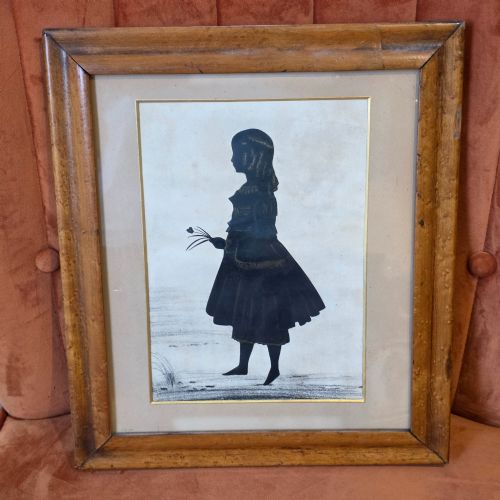
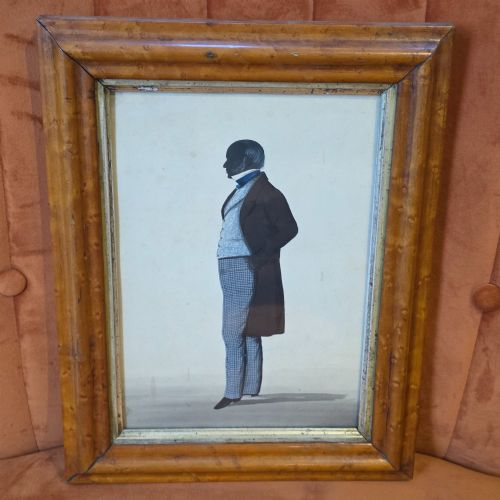
Black framed miniature art brings together intimate portraiture and silhouettes from the eighteenth and nineteenth centuries.
Black Framed Miniature Art
Black framed miniature art encompasses delicate portraiture, silhouettes, and wall art produced during the Georgian, Regency, and Victorian periods. Collectors seek these small-scale works for their fine detail and historical presence in domestic interiors.
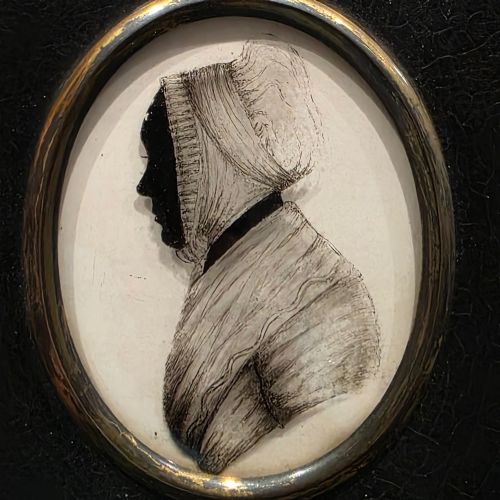
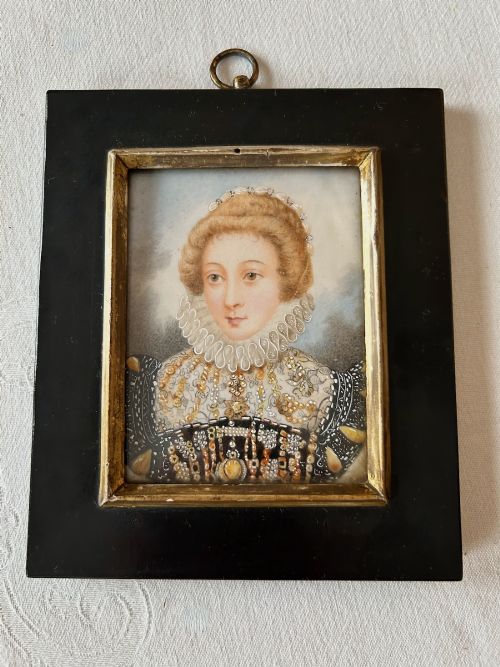
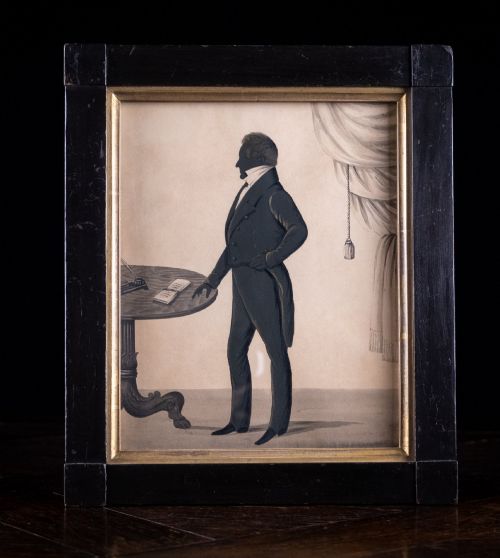
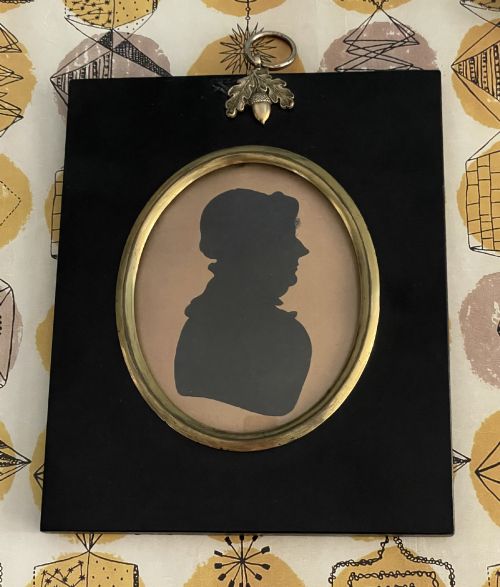
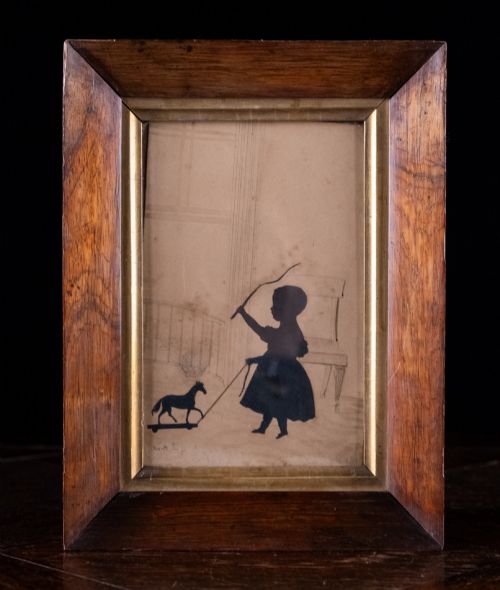
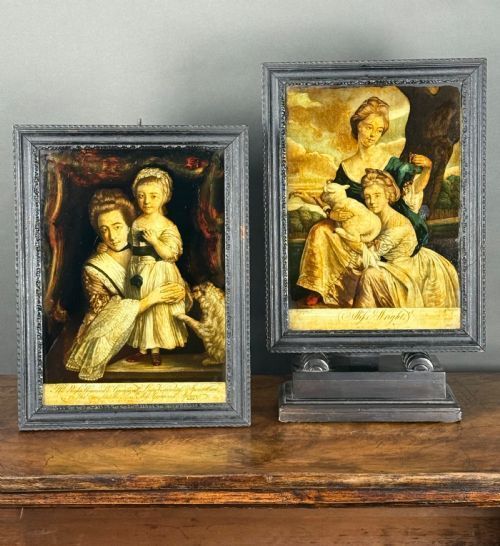
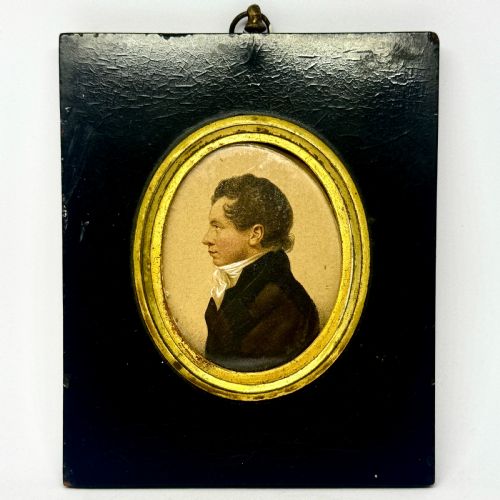
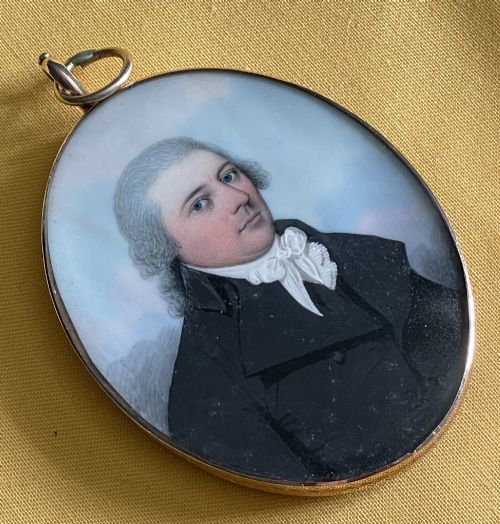
The selections on this page concentrate on hand-cut paper silhouettes, reverse glass paintings, and watercolour or enamel portrait miniatures. Ebonised wood and dark wood mouldings enclose most of these pieces, matching the original framing choices of the eighteenth and nineteenth centuries.
Materials and construction
Artists worked on paper, card, glass, plaster, and ivory, applying watercolour, ink, plumbago, and enamel to create remarkably detailed imagery on a small scale. Gold leaf highlights frequently accent the silhouettes and painted borders.
Makers housed these fragile works behind protective glass within dark wooden surrounds, often utilising ebonised wood or rosewood to create a stark contrast with the light paper or pale skin tones inside.
Listings span the eighteenth and nineteenth centuries, featuring Georgian, Regency, and Victorian works created in Britain and America.
Assessing quality in miniatures
Original matching frames and well-preserved glass significantly elevate a piece. The presence of contemporary inscriptions, signatures, or documented provenance also distinguishes superior works from standard studio output.
William James Hubard·Augustin Edouart·John Miers·Henry Bone·John Taylor
The Black Framed Miniature Art Glossary
- Silhouette
- A profile portrait filled in with a solid dark colour, usually cut from paper or painted on card, glass, or plaster. These profiles gained popularity in the eighteenth century before photography.
- Plumbago
- A drawing executed in graphite, taking its name from the Latin word for lead ore. Artists used this medium for highly detailed miniature monochrome portraits.
- Ebonised
- Wood treated to mimic ebony, achieving a dense black finish. This treatment appears frequently on nineteenth-century frames for miniatures and silhouettes.
- Reverse painting
- A technique where the artist paints directly onto the back of a glass sheet so the image is viewed through the front. This method protects the pigment and imparts a distinct glossy finish.
- Enamel
- Powdered glass fused to a metal base through kiln firing. This durable medium allowed portraitists to achieve permanent, vibrant colours on tiny surfaces.
Black Framed Miniature Art: Frequently Asked Questions
How do I hang miniature art?
Display these small pieces in groups on narrow wall spaces, staircases, or panelled rooms where larger works overwhelm the proportions.
Keep them away from direct sunlight to protect fragile watercolours and paper silhouettes from fading.
Are these frames original?
Many pieces retain their period ebonised wood or rosewood surrounds, which provide the essential dark contrast characteristic of the style.
Examine the backboards, fixings, and glass type to help determine whether the framing dates to the same period as the artwork.
What is a plumbago portrait?
A plumbago is an early form of miniature drawing executed entirely in graphite on vellum or paper.
These monochrome works showcase exceptional linework and shading from eighteenth-century artists.
How are silhouettes made?
Artists either cut profiles freehand from black paper using scissors or painted the likeness directly onto card, plaster, or glass.
Skilled practitioners added fine details using gold leaf highlights to define hair, clothing, and jewellery.