
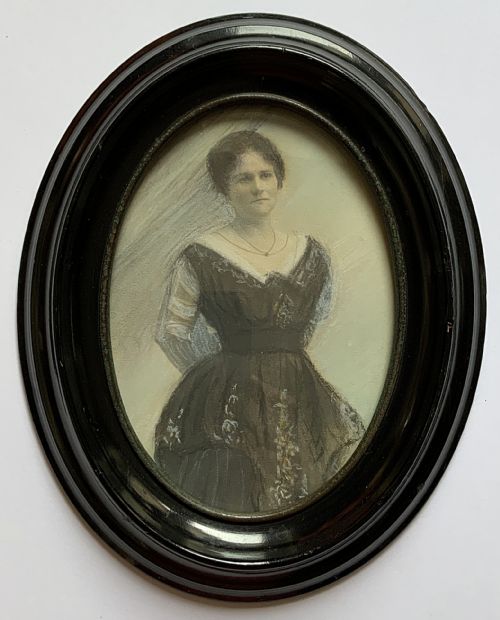
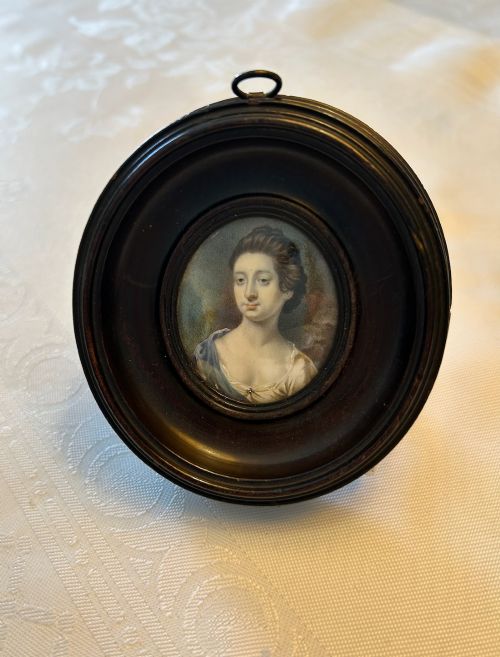
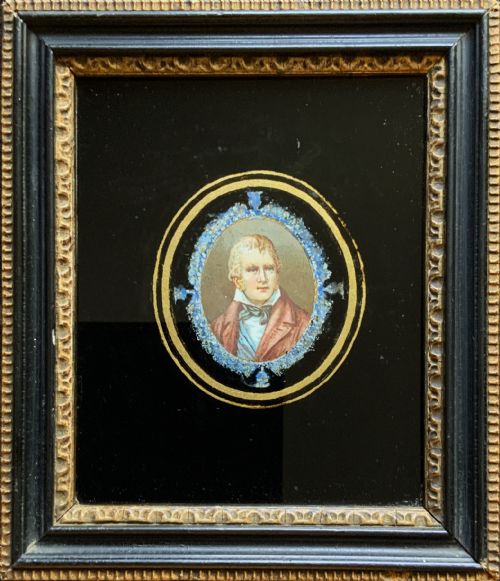
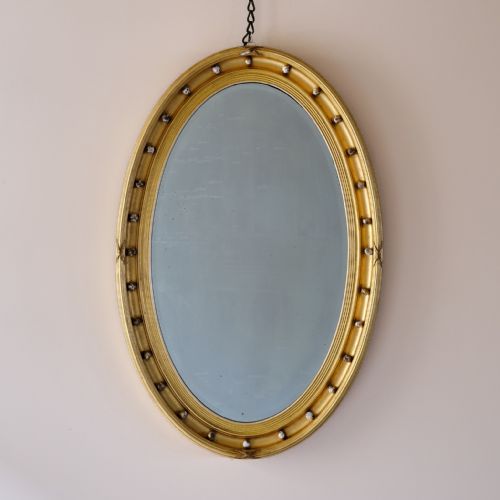
Small Framed Portrait
When you search for a small framed portrait, you find intimate paintings and watercolours spanning the eighteenth to the twentieth centuries.
Small Framed Portrait
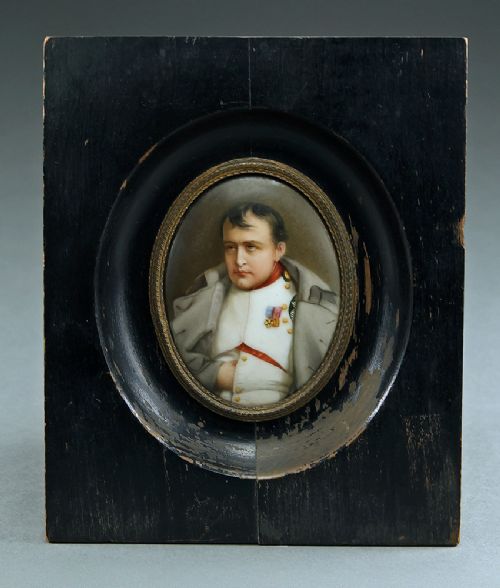
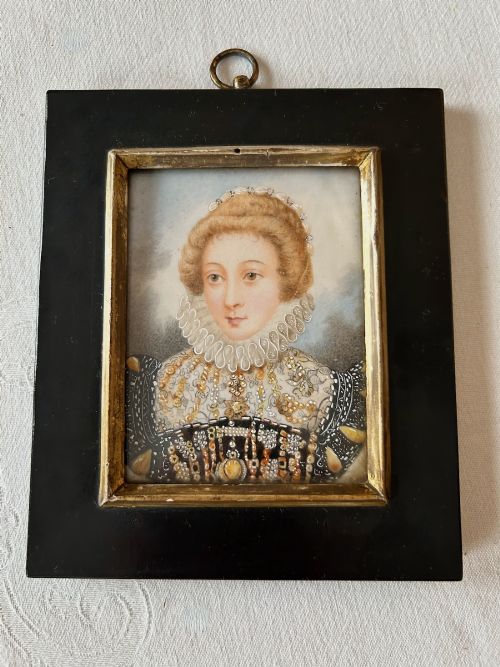
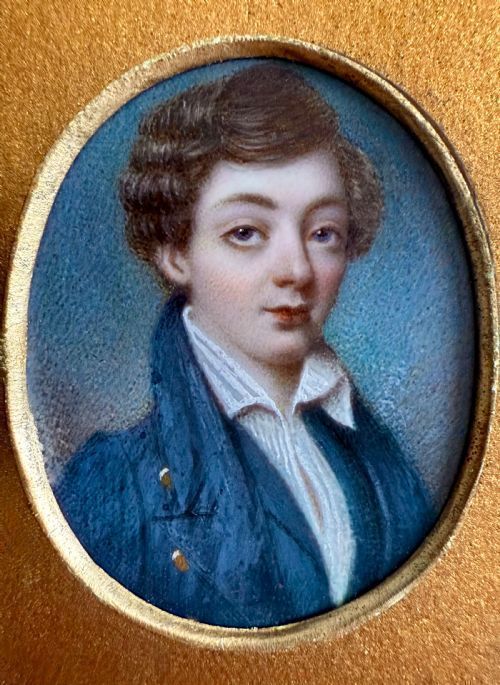
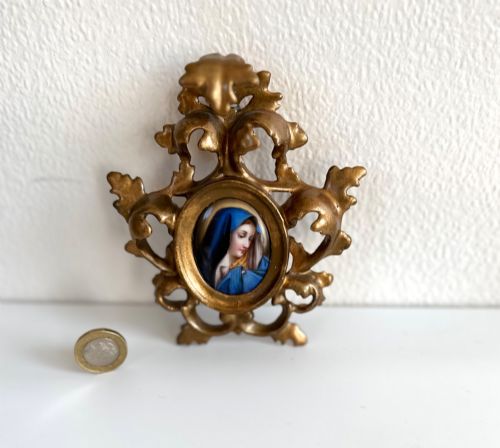
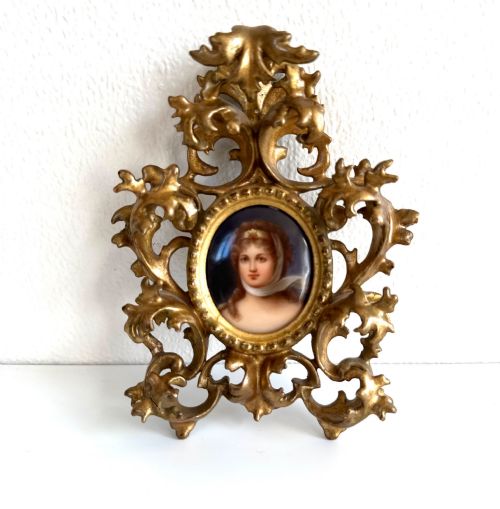
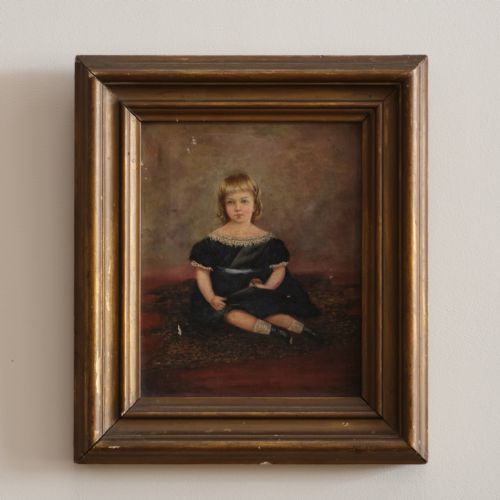
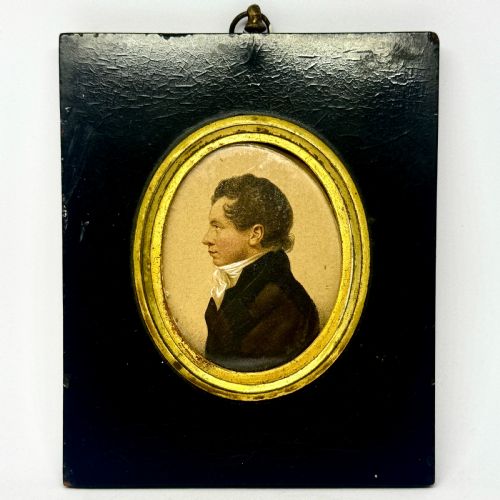
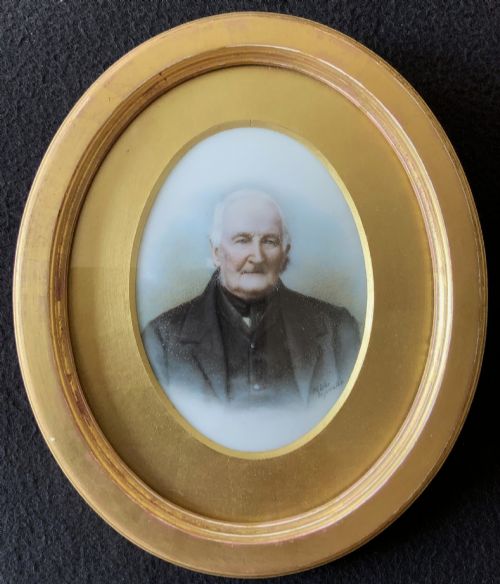
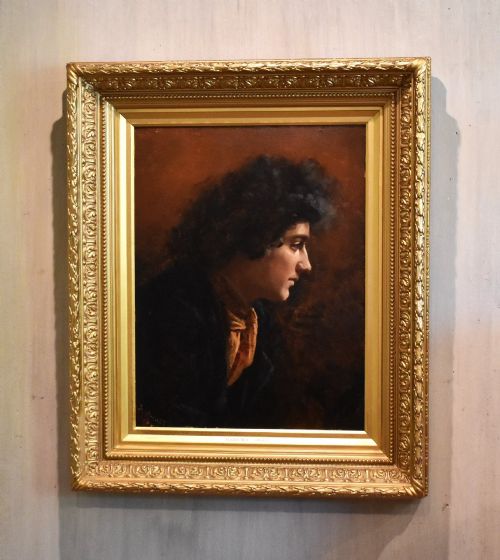
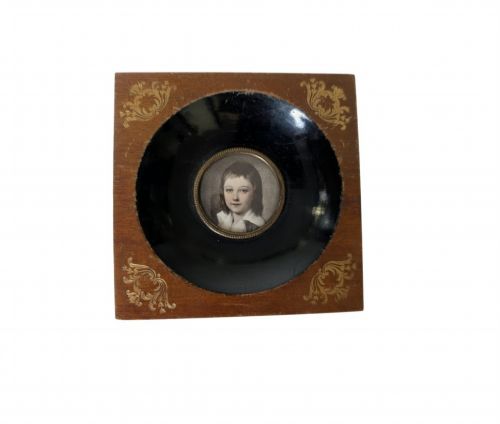
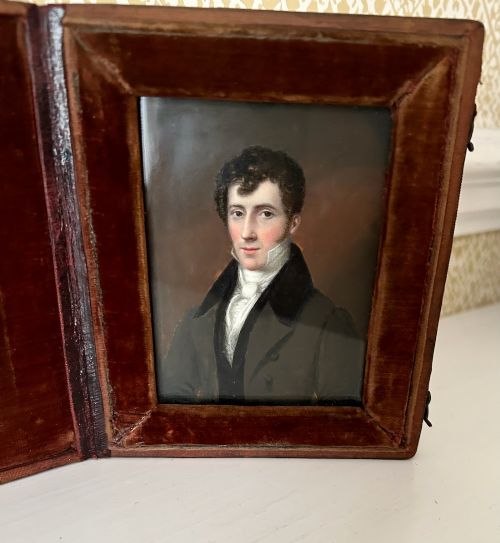
A small framed portrait brings together compact paintings and works on paper from the eighteenth, nineteenth, and early twentieth centuries. These pieces encompass miniature paintings, portrait miniatures, and small oil paintings executed on canvas, board, or ivory.
The versions you meet most frequently on this page date from the nineteenth and Georgian periods. They capture individuals, historical figures, children, and animals within period surrounds.
Makers and subjects range from anonymous sitters to identified historical figures like Mary, Queen of Scots, alongside named artists and schools. They appear in formats designed for desk placement or wall hanging.
How they were made
Artists painted these works using watercolour, gouache, oil, or pastel on supports such as paper, card, board, canvas, and ivory. Watercolour and gouache provided fine detail for miniature work, while oils suited small canvas and board surfaces.
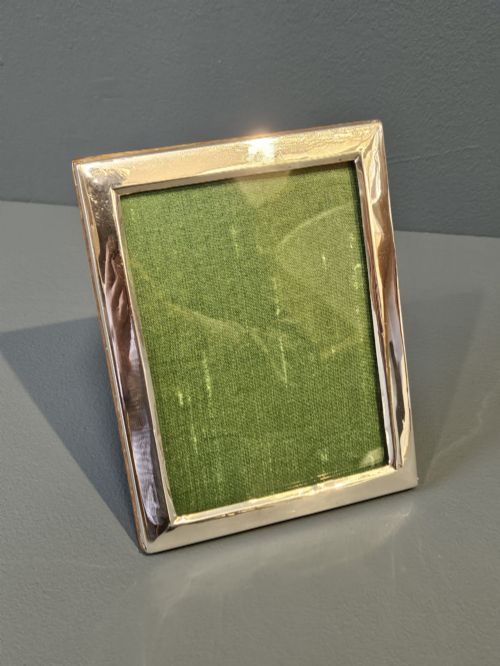
Makers housed these portraits in surrounds of ebonised wood, gilt metal, brass, giltwood, and wood. Frames often integrated glass to protect the delicate painted surfaces from dust and handling.
Frames span ebonised wood, gilt metal, brass, and giltwood from the eighteenth, nineteenth, and early twentieth centuries.
What varies in quality
The integrity of the original frame and housing influences the character of the piece. Matching period frames in ebonised wood or gilt metal retain the visual context intended by the maker.
Henri Fradelle·Richard Cosway·Florence Small·Dumont·Samuel Raven·George Hargreaves·Emma Kendrick·Isaac Wane Slater
The Small Framed Portrait Glossary
- Portrait miniature
- A small-scale painting executed with fine detail, often created on ivory, vellum, or prepared paper during the eighteenth and nineteenth centuries.
- Ebonised wood
- Timber treated to resemble ebony, frequently used for dark, contrasting frames during the Georgian and Victorian eras.
- Gilt metal
- Metal treated with a gold-coloured finish or plating, commonly utilised for small display stands and picture frames.
- Watercolour
- A paint consisting of pigment suspended in a water-based solution, widely applied for delicate nineteenth-century portrait studies.
- Gouache
- An opaque watercolour paint that provides heavier coverage and brighter highlights than standard transparent watercolour.
Small Framed Portrait: Frequently Asked Questions
What are portrait miniatures?
Portrait miniatures are small paintings created with meticulous detail, usually on ivory, paper, or vellum. They were designed to be held in the hand, worn, or displayed on a desk.
These pieces often captured likenesses of family members, public figures, or romantic interests before the widespread use of photography.
How do I date a framed portrait?
Dating relies on the painting style, clothing, hair fashion of the sitter, and the construction of the frame. Georgian and Victorian pieces show distinct shifts in framing materials and artistic conventions.
Examining the reverse of the frame or panel sometimes reveals signatures, dates, or historical inscriptions left by the artist or owner.
Where should I hang these portraits?
Small portraits suit narrow wall spaces, study shelves, or grouped arrangements with other framed artworks. Their compact scale allows them to fit into intimate corners where large canvases overwhelm the room.
Keep them away from direct sunlight to protect delicate watercolours, paper supports, and pigments from fading over time.
Are these portraits original?
The listings include original period works ranging from the eighteenth century through to the early twentieth century. Each piece reflects the painting techniques and materials of its specific era.
Descriptions note the medium, such as watercolour on glass or oil on canvas, along with the period of both the artwork and its frame.