


Regency Miniature Lady Portrait
A regency miniature lady portrait captures the intimate likenesses of women through delicate watercolours, silhouettes, and fine details preserved in small frames.
Regency Miniature Lady Portrait
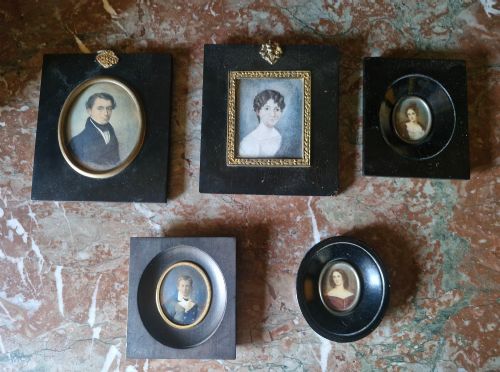
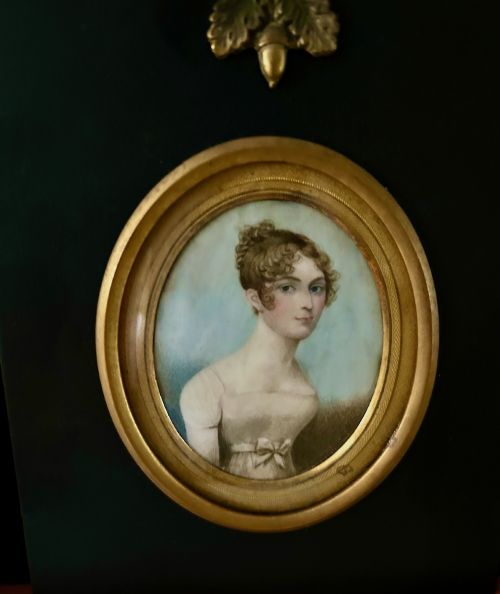
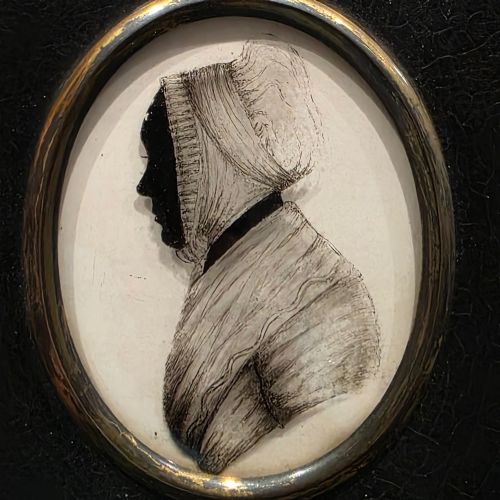
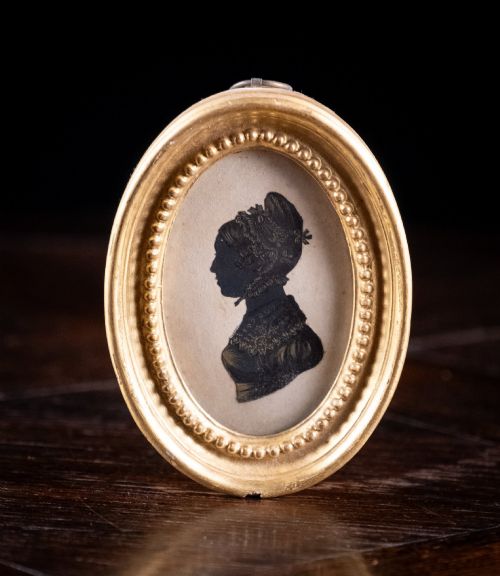
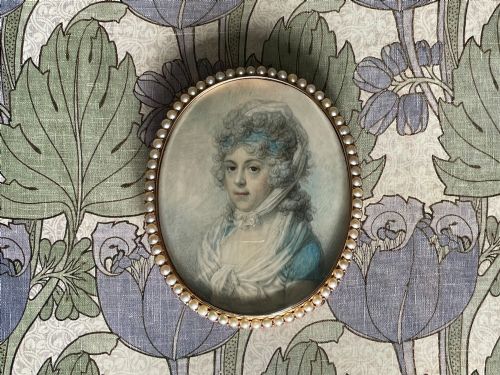
A regency miniature lady portrait represents small-scale artworks depicting female subjects created during the Georgian, Regency, and early nineteenth-century periods. These works often take the form of delicate watercolour paintings on paper, card, or ivory, alongside reverse-painted or gilded silhouettes.
Most examples found within these collections originate from the broader nineteenth century, reflecting the prevailing aesthetic tastes of English Regency and Victorian makers. Buyers frequently encounter subjects dressed in contemporary attire such as turbans, caps, or blue gowns, typically housed in oval or circular frames.
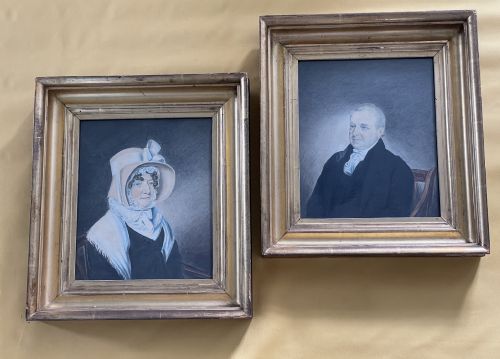
The physical scale of these objects remains consistently small, designed to be held in the hand or displayed in tight groupings on domestic walls. Companion pieces depicting both ladies and gentlemen occasionally appear, reflecting portrait traditions of the era.
Materials and technique
Artists relied primarily on watercolour, pencil, gouache, and pastel applied to paper, card, or thin sheets of ivory to achieve fine facial expressions. Silhouettes utilised reverse-painted glass or ink, often enhanced with delicate gilded highlights to delineate costume and jewellery.
Frames play a structural role in presenting these works, utilising ebonised wood, ebony, rosewood, brass, and giltwood. Protective glass fronting preserves the fragile watercolours and paper components from atmospheric damage over centuries of handling.
Materials recorded across current items include ebonised wood, rosewood, brass, gilt metal, and paper.
Distinctions in quality
The sophistication of the framing and the inclusion of documented signatures or identifiable sitters elevate the standing of a piece. Original protective glass and period mounts preserved in untouched condition indicate higher craftsmanship and careful stewardship.
Frederick Buck·Richard Cosway·Nicolas Freese·George Atkinson·George Hargreaves·Archibald Skirving·Thomas Woolnoth·William Grimaldi·Henry Jacob Burch·Edward Smyth·Lady Francis Herbert·Isaac Wane Slater·Jeremiah Steele·George Perfect Harding
The Regency Miniature Lady Portrait Glossary
- Miniature portrait
- A small-scale painting or likeness, typically executed on ivory, vellum, or paper during the eighteenth and nineteenth centuries. These items were often worn as personal ornaments or kept in dedicated display cases.
- Silhouette
- A two-dimensional profile portrait cut from black paper or painted onto card, glass, or plaster. Regency examples frequently incorporate delicate gilded details to accentuate clothing or headwear.
- Giltwood
- Wood carved and coated with a thin layer of gold leaf or gilt metal. This material is commonly found framing nineteenth-century art to provide a reflective border.
- Ebonised wood
- Timber treated with a dark stain or finish to imitate expensive ebony. Makers utilised this technique to create stark, contrasting borders that drew the eye inward toward the portrait.
- Watercolour
- A paint medium consisting of coloured pigments suspended in a water-soluble vehicle. It serves as the primary pigment type for the delicate portrait studies of the Regency period.
Regency Miniature Lady Portrait: Frequently Asked Questions
How were these miniature portraits originally displayed?
These small artworks were frequently hung in intimate spaces within the home, arranged in clusters on drawing-room walls, or kept privately in travel cases.
Many pieces were designed with specific hanging loops or stood upon surfaces within their original wooden frames.
What materials did artists use for the base?
Painters utilised prepared paper, card, and thin slices of ivory as the primary ground for watercolour and gouache applications.
Silhouettes characteristically employed glass for reverse-painting techniques or dark card mounted within contrasting wooden surrounds.
How can one distinguish Regency pieces from Victorian ones?
Regency items generally reflect the neoclassical aesthetic of the early nineteenth century, featuring distinct hairstyles like ringlets and specific attire such as turban caps.
Victorian examples often introduce heavier framing materials and slightly different stylistic conventions in dress and presentation.
Are the sitters in these portraits usually identified?
Certain pieces retain contemporary ink inscriptions on the reverse or accompanying documentation naming the individual portrayed.
Many other surviving works depict anonymous sitters whose identities were lost as families dispersed over the generations.