
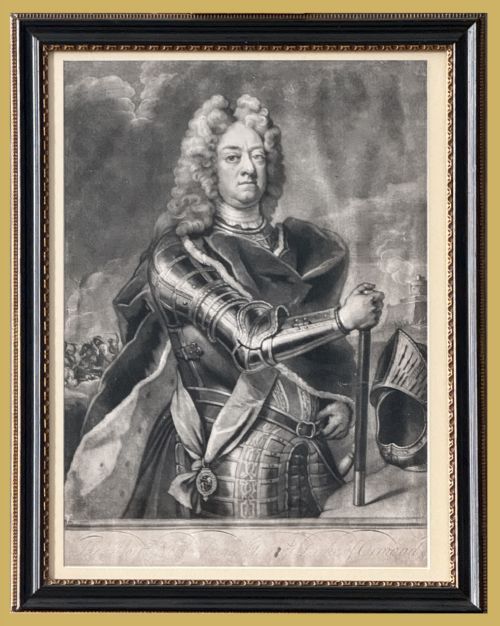
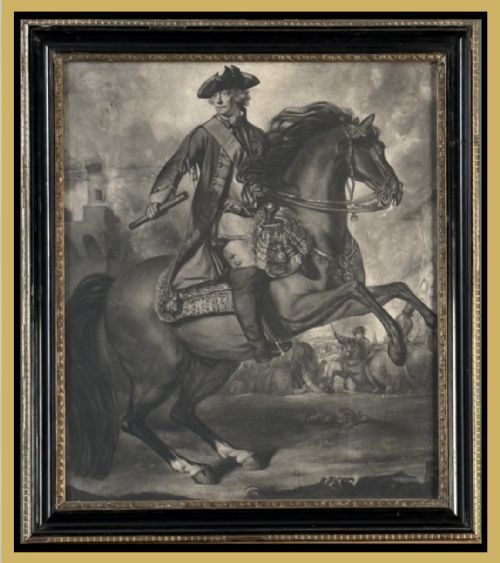
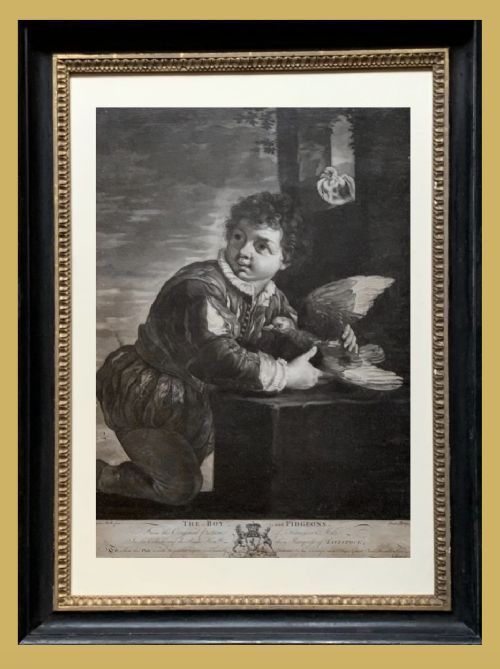
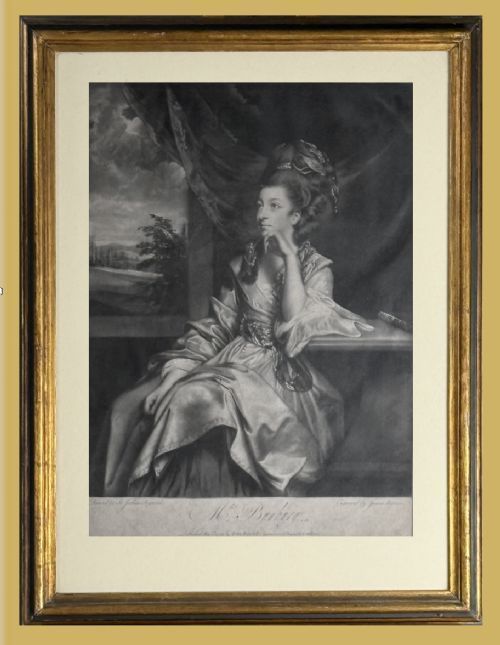
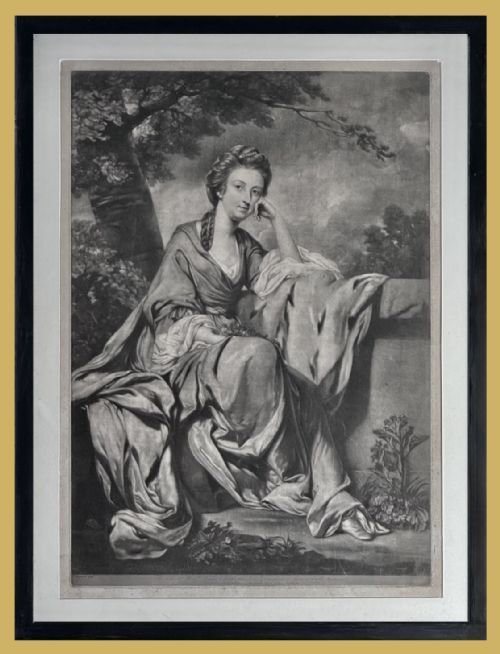
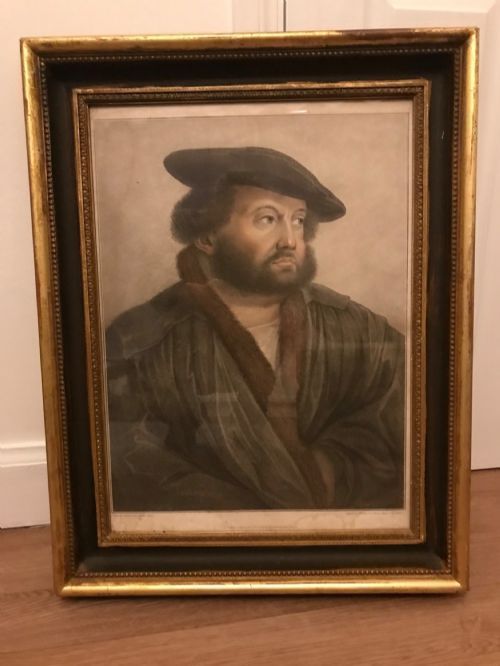


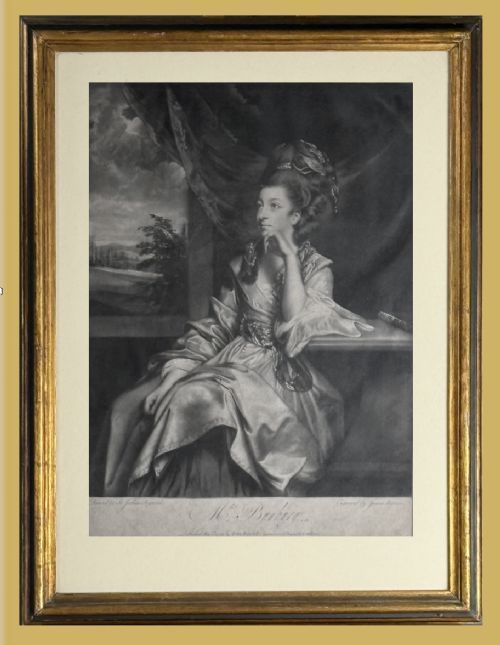
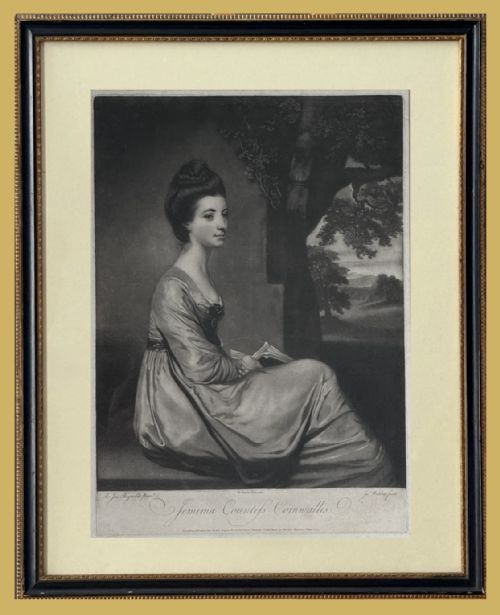
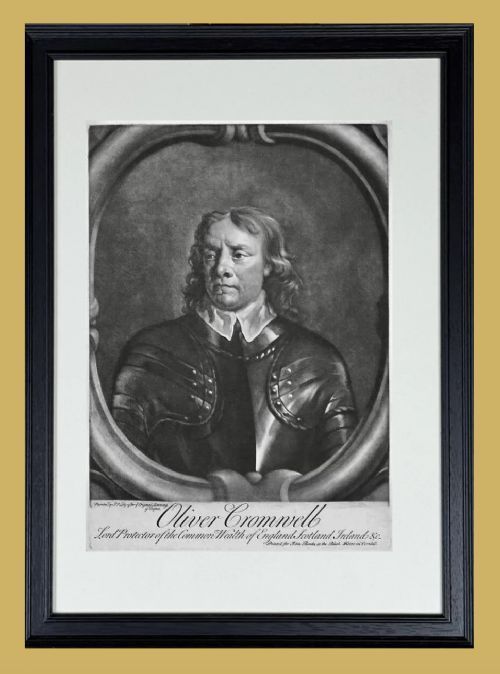
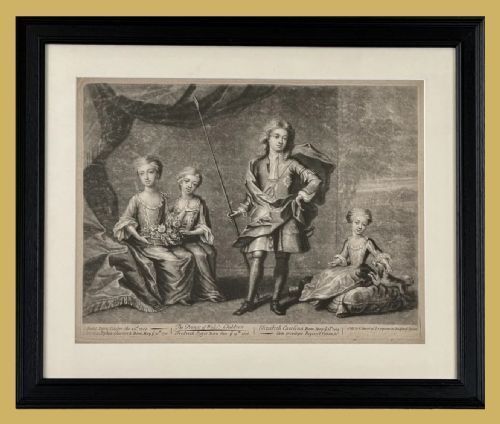
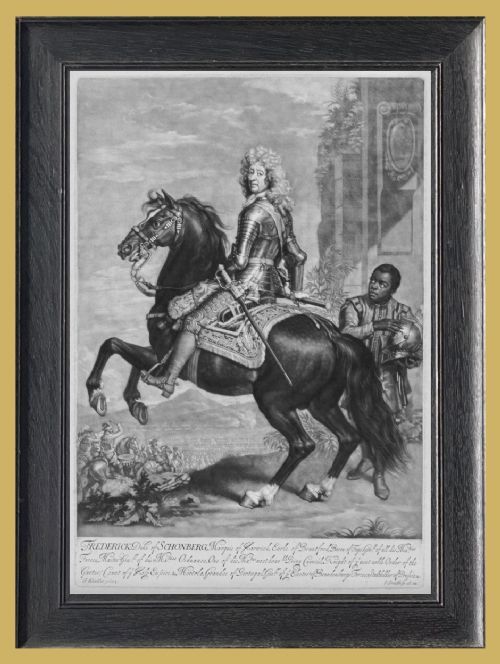
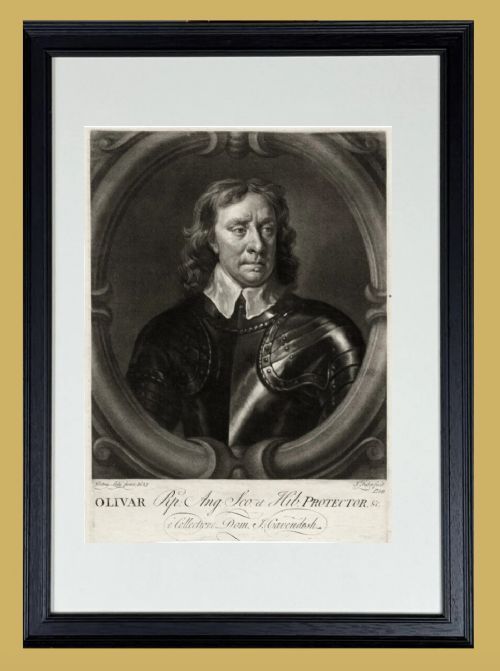
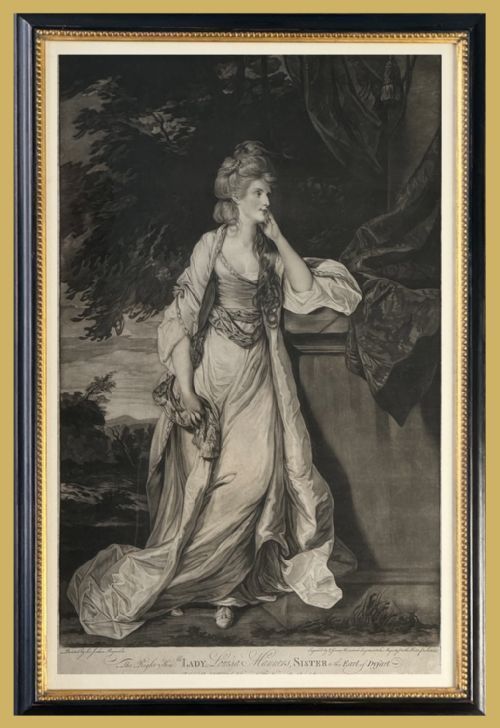
Black Framed Engraved Portrait
A black framed engraved portrait brings seventeenth- and eighteenth-century printmaking into focus with dark timber and historic ink.
Black Framed Engraved Portrait
A black framed engraved portrait unites historic print techniques with traditional dark wood mouldings, spanning periods from the seventeenth century through the Georgian and Regency eras. These works typically feature printed depictions of nobility, literary figures, and historical subjects produced by notable contemporary printmakers after paintings by leading portraitists.
The selections encountered here rely heavily on mezzotints and line engravings housed within dark timber surrounds, often incorporating glass to protect the delicate paper surfaces. Pieces range from large single plates published by print sellers to pairs and sets originating in British workshops.
Collectors seek these framed works for their combination of graphic depth and period framing, which establishes a distinct silhouette on a wall. The formatting emphasises the tonal range of the ink against aged paper, framed simply to maintain focus on the subject.
Materials and Technique
Makers produced these works using paper sheets impressed with engraved metal plates, applying black or dark monochrome ink to capture fine lines and tonal gradations. Mezzotint plates were roughened with a rocker to create rich dark backgrounds, while line engravings utilised sharp tools to cut crisp details directly into copper.
Framing utilised timber mouldings, frequently finished with a dark surface or black paint to complement the heavy ink work within. Glass protected the fragile paper prints from atmospheric damage while holding them flat against backboards.
Printers occasionally applied hand colouring over the ink lines, though monochrome black and grey tones remain standard for the majority of these historical portrait plates.
Frames utilise dark timber mouldings, including Hogarth styles, paired with glass and historical ink works.
Evaluating Quality
Quality rests upon the crispness of the impression pulled from the metal plate, as worn plates yield softer lines and muddied dark areas. Early impressions preserve the sharp contrast and fine textural details intended by the engraver.
The interaction between the print and its frame dictates visual success, with period mouldings adding historical coherence to the artwork. Original paper condition, free from heavy staining or aggressive trimming of the margins, maintains the integrity of the piece.
John Simon·Edward Fisher·John Boydell·James Watson·Francesco Bartolozzi·John Smith·Joseph Sympson·Valentine Green·W Dickinson·John Faber Snr·John Faber Jr·Robert Williams·James Macardell·Jacobus Houbraken·James Ward·Robert Sayer·Herbert Dicksee
The Black Framed Engraved Portrait Glossary
- Mezzotint
- A printmaking process where the copper plate is roughened evenly to produce rich dark tones and smooth gradations of light. This method allowed printmakers to translate painted portraits into velvety monochrome prints.
- Line engraving
- A technique where a sharp tool called a burin cuts lines directly into a metal plate to hold ink. It creates precise, clean outlines favoured for detailed documentary likenesses.
- Stipple engraving
- A method of building up an image using a pattern of dots applied with needles and acid. This technique produced softer facial tones and delicate shadows.
- Hogarth frame
- A narrow, dark wooden moulding with a stepped or profile edge popular in the eighteenth century. It provides a restrained border that complements historic engravings without overpowering them.
Black Framed Engraved Portrait: Frequently Asked Questions
What is a mezzotint portrait?
A mezzotint portrait is a print made from a copper plate worked to hold ink across varied tones of dark and light. The technique creates soft shadows and rich backgrounds suited to capturing facial expressions.
These prints were frequently published in series and framed in dark wood for display in period interiors.
How do you date an engraved portrait?
Dating relies on the costume of the sitter, the lifespan of the engraver and painter noted on the plate, and the paper stock. Publishers often printed publication dates directly beneath the image.
The style of the black timber frame also offers clues to the period of assembly.
Are these portraits original prints?
The pieces listed are historic impressions printed from engraved metal plates during the seventeenth, eighteenth, or nineteenth centuries. They are not modern photographic reproductions.
Each print reflects the hand-inking and press work of its specific printing era.
How should I hang a framed engraving?
Engravings on paper require protection from direct sunlight to prevent the ink and paper from fading over time. Hang them on interior walls away from moisture sources.
Use stable picture hooks suited to the weight of the timber frame and glass.