


Black Frame Artwork
Black frame artwork brings together centuries of portraits, prints and drawings set within dark borders that draw the eye straight to the image.
Black Frame Artwork
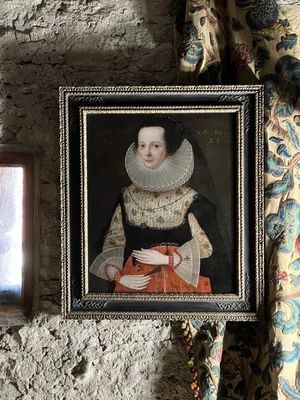
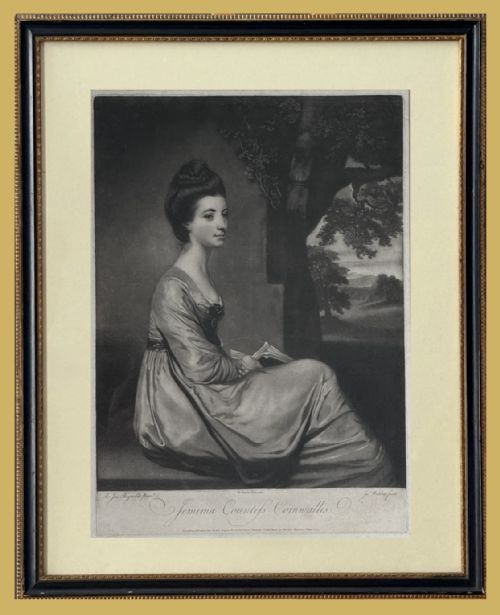
When searching for black frame artwork, collectors encounter a diverse array of historical pieces ranging from seventeenth-century oil paintings to twentieth-century prints. The selection relies heavily on works created on paper, canvas and wood, unified by the dark framing that encloses them.
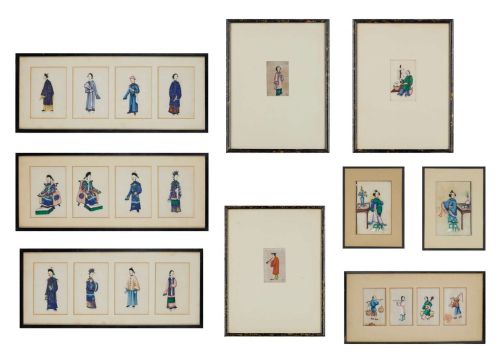
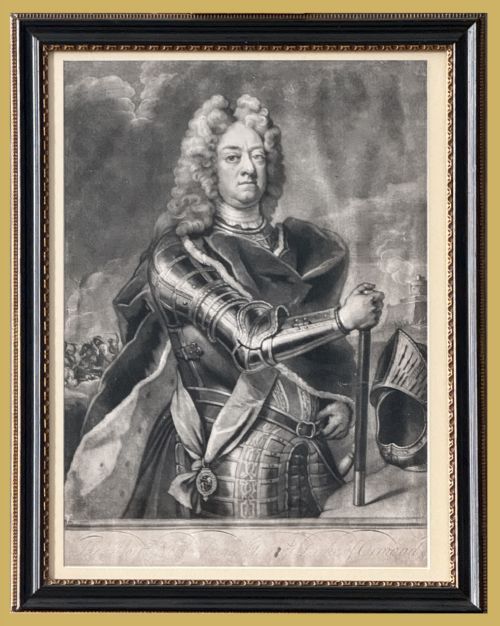
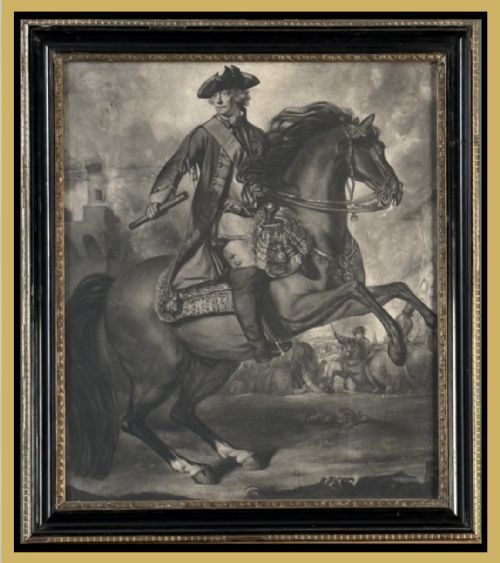
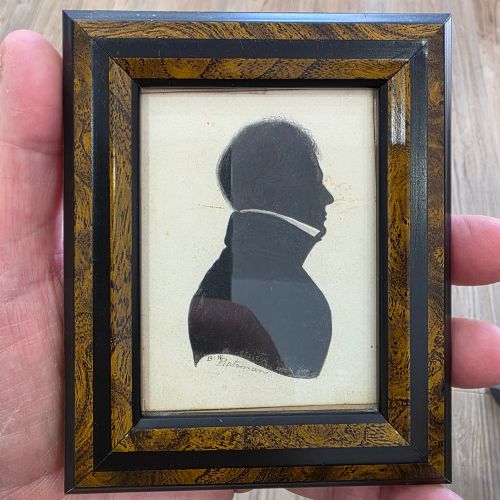
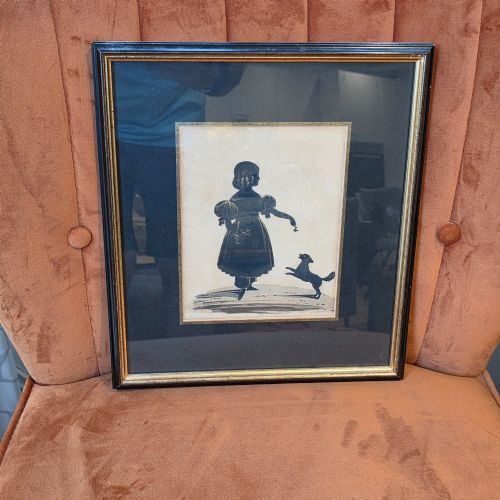
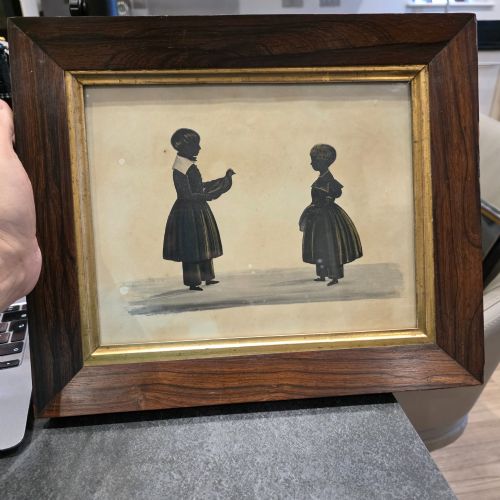
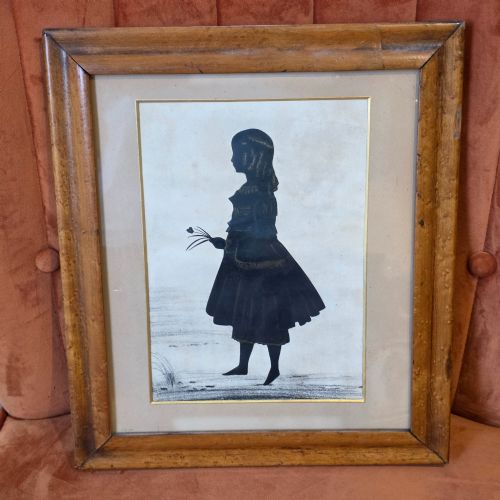
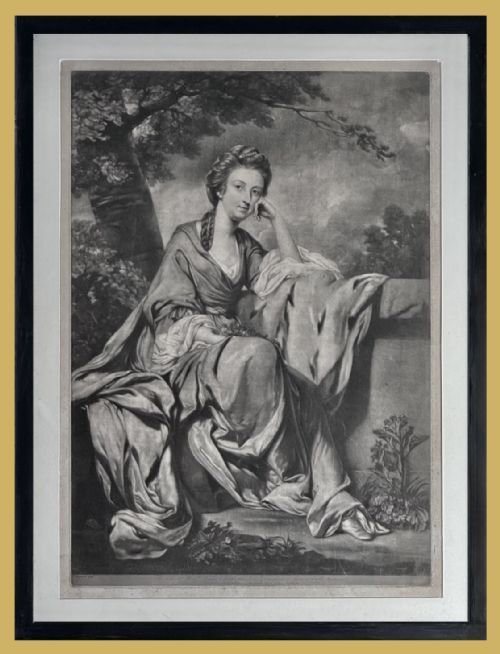
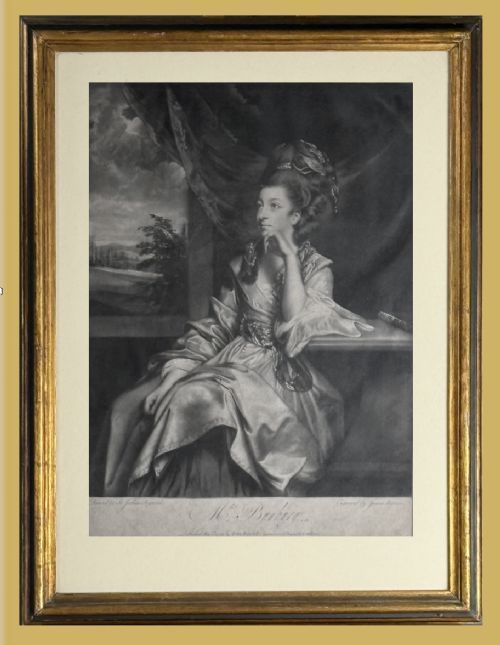
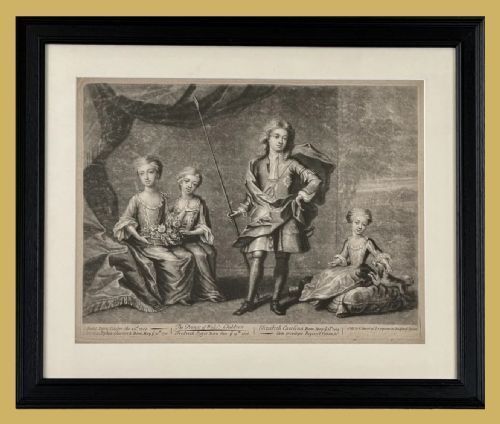
The most common examples on this page comprise eighteenth-century mezzotint portraits, nineteenth-century silhouettes and various works on pith paper. These objects span periods such as the Georgian, Victorian and Regency eras, reflecting both English and continental origins.
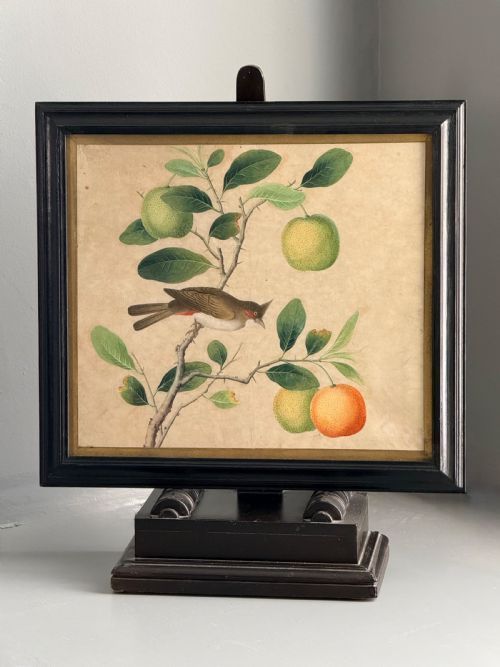
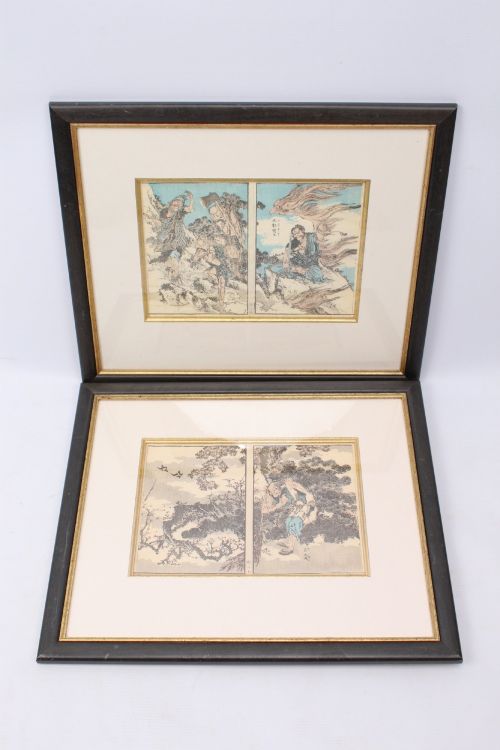
Buyers will also find Chinese export paintings, Japanese woodblock prints and early European landscapes. Each type brings a distinct character to interior spaces through traditional techniques and period subjects.
How They Were Made
The creation of these works involved traditional media such as oil on canvas, ink, watercolour and pastel applied to paper or wood panels. Mezzotints and etchings required skilled plate engraving, while silhouette artists utilised cut paper combined with ink and watercolour details.
Many items incorporate gold leaf or gilt accents to highlight specific areas of the composition against the dark surrounds. Silk and pith paper provide delicate alternative grounds for Chinese figural and landscape paintings from the Qing dynasty and later periods.
A study of three black Pekingese dogs rubs shoulders with stern eighteenth-century military officers and delicate cut-paper silhouettes.
What Varies in Quality
Quality in these framed works depends upon the precision of the draughtsmanship and the clarity of the print impression or brushwork. Early mezzotints and etchings demonstrate greater depth when the inked plate retains its crisp detail through careful printing.
The condition of the primary medium, whether delicate paper silhouettes, woven silk or oil paint on canvas, dictates the overall integrity of the piece. Original or period-appropriate framing enhances the historical context and visual harmony of the artwork.
John Simon·Edward Fisher·William James Hubard·John Smith·James Watson·Thomas Watson
The Black Frame Artwork Glossary
- Mezzotint
- A printmaking process of the intaglio family where the plate is roughened uniformly to produce tones of grey and black before scraping back to create highlights. This technique allowed printmakers to replicate the soft tonal gradations of oil paintings.
- Silhouette
- A portrait cut from dark paper or painted onto a light background, usually showing a profile in solid black. The form gained immense popularity during the eighteenth and nineteenth centuries.
- Pith paper
- A delicate material prepared from the cellular pith of the Tetrapanax papyrifer plant, commonly used in nineteenth-century China for watercolour and gouache paintings. It possesses a unique velvet-like texture.
- Woodblock print
- A technique where an image is carved into a block of wood, inked, and transferred to paper. Japanese examples often display multiple blocks used for different colours.
Black Frame Artwork: Frequently Asked Questions
What periods do these pieces date from?
The collection spans multiple centuries, with items originating from the seventeenth, eighteenth, nineteenth and twentieth centuries.
Key periods represented include the Georgian, Victorian, Regency and Dutch Golden Age styles.
Are the frames original to the artwork?
Many pieces retain their period frames, which often complement the dark tones of the imagery within.
Some works feature gilt or dark wood surrounds that match the aesthetic of the era in which they were produced.
What subjects appear most frequently in the prints?
Portraits dominate the selection, featuring notable historical figures, nobility and military officers rendered by prominent printmakers.
Other recurring subjects include landscapes, heraldic panels, anatomical studies and botanical works.
How should delicate paper works be displayed?
Works on paper, such as silhouettes and watercolours, require protection from direct sunlight to prevent fading of the ink and paper.
Proper framing under glass helps shield these fragile historical items from environmental moisture and dust.