


Black End Tables
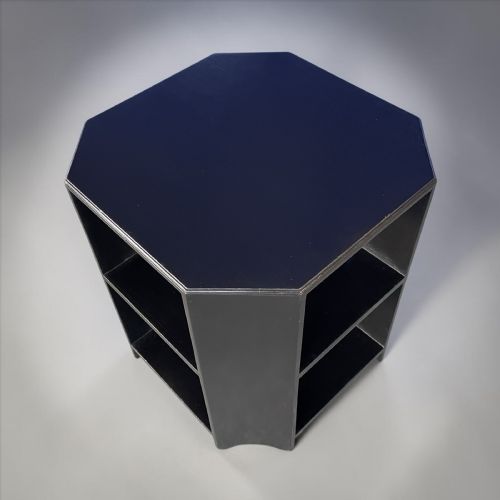
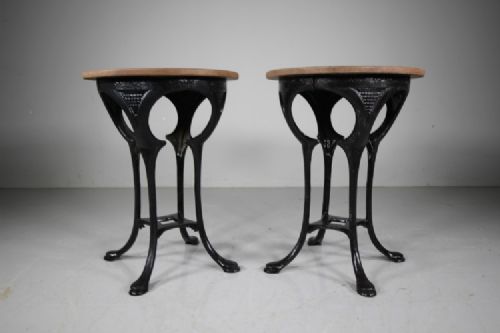
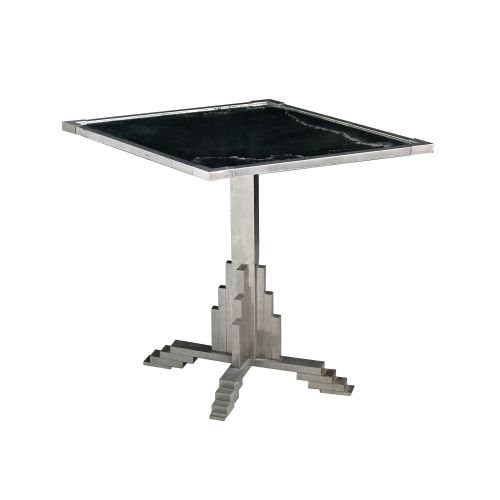
Black end tables span centuries of dark finishes and surface work, bringing practical display space into a room through side tables, lamp tables and occasional tables.
Black End Tables
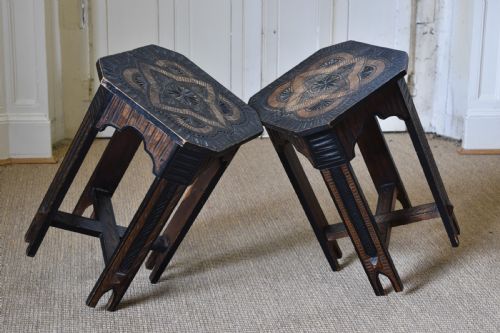
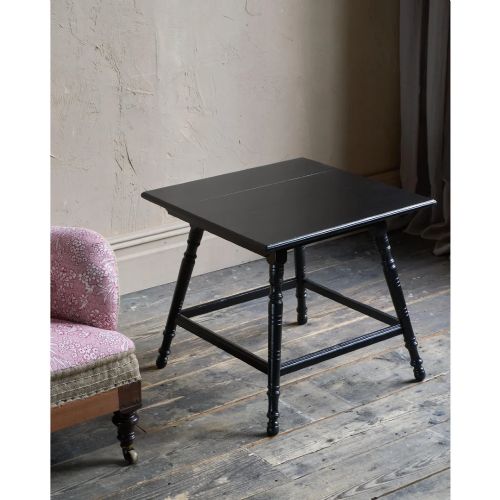
Black end tables encompass a broad array of dark-finished surfaces designed to sit beside seating or beds, serving as lamp tables, occasional tables and nests of tables. When exploring black end tables, a buyer encounters forms ranging from Victorian ebonised pieces to Art Deco walnut and modernist designs.
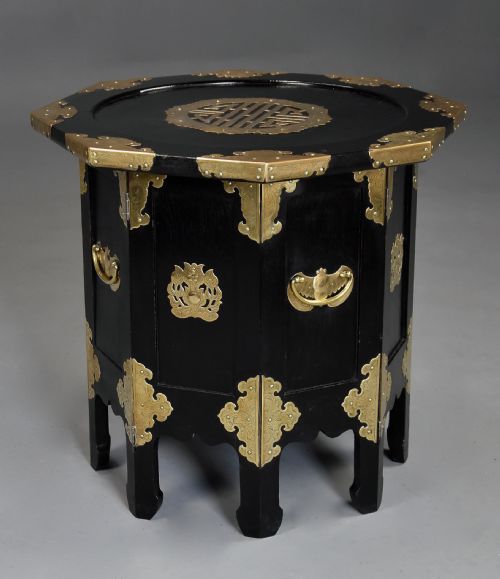
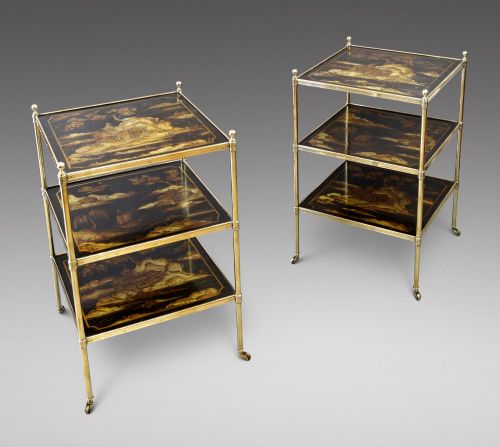
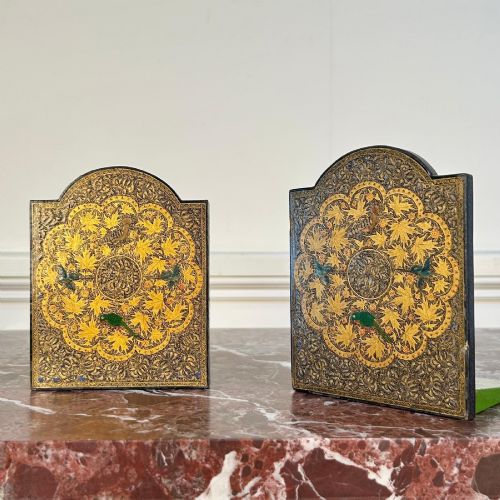
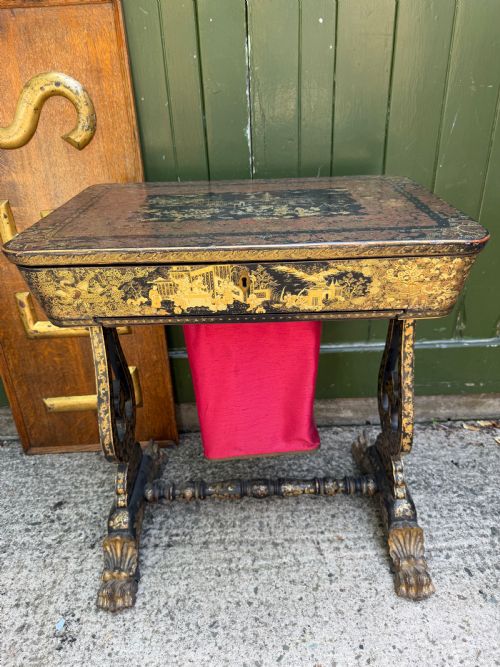
The selection includes specific regional and stylistic expressions, such as Chinoiserie lacquered tables with gilt decoration, Anglo-Indian occasional pieces and French painted examples. Side tables and folding oriental tables dominate the grouping, alongside smaller lamp tables intended for domestic utility.
Materials and Construction
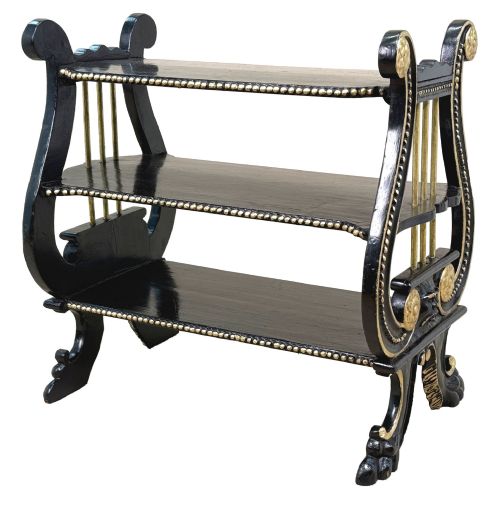
Construction relies heavily on ebonised wood, lacquered wood and solid hardwoods treated with black finishes, often enhanced by parcel gilding and gold leaf. Many pieces incorporate decorative brass mounts or incorporate glass tops to protect the delicate painted surfaces below.
Traditional techniques involve applying successive layers of black lacquer, sometimes paired with intricate hand-painted oriental motifs or carved chip details. Cabinetmakers utilised walnut, mahogany and satinwood beneath these dark coatings, occasionally incorporating cast iron or chrome elements in later twentieth-century iterations.
Listings feature black end tables spanning the nineteenth century through the nineteen-thirties, incorporating ebonised wood, lacquer, and brass.
Evaluating Quality and Craftsmanship
Quality reveals itself in the depth of the ebonisation or the execution of the lacquerwork, where hand-gilt details and multi-layered finishes exhibit superior artistic control. Finer pieces demonstrate precise joinery and crisply carved ornamentation rather than superficial surface treatment.
The integrity of the underlying timber and the preservation of original decorative schemes distinguish finer examples from simpler utility furniture. Balance in proportion and authenticity in period hardware elevate specific items within the broader range of dark occasional tables.
Hindley and Sons·Archibald Knox
The Black End Tables Glossary
- Ebonised Wood
- Timber treated with stain or pigment to imitate true ebony, commonly utilised in Victorian and Edwardian cabinetmaking.
- Chinoiserie
- European artistic styles reflecting Chinese motifs, frequently applied to lacquered furniture with black and gilt decoration.
- Étagère
- A piece of furniture consisting of open shelves for displaying small objects, often found in multi-tiered occasional formats.
- Parcel Gilded
- Partially covered with gold leaf or gold paint to highlight specific carved details or mouldings against a dark background.
- Sutherland Table
- A narrow drop-leaf table with hinged flaps that fold down steeply, supported by swinging gate legs.
Black End Tables: Frequently Asked Questions
What is an ebonised table?
An ebonised table is a wooden piece stained or painted to resemble solid ebony, a technique popular during the Victorian period and revived in later design movements.
Craftsmen used this method to give ordinary hardwoods a dark, formal appearance suitable for fashionable interiors.
How do I style a black end table?
These tables function well beside seating as lamp tables or occasional surfaces for books and decorative objects. Their dark finishes anchor a room and contrast effectively with lighter walls or upholstery.
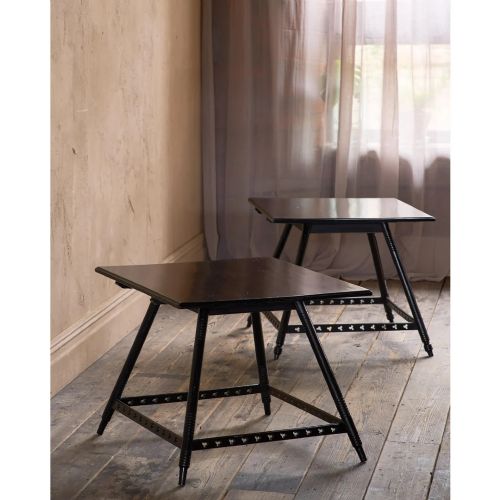
Matched pairs offer symmetry on either side of a sofa or bed, while nests of tables provide flexible surface space when needed.
What is Chinese export lacquer?
Chinese export lacquer refers to decorative furniture produced in China specifically for Western markets during the nineteenth century and earlier. These pieces typically feature dark lacquered surfaces adorned with hand-gilded oriental scenes.
Such tables combined Asian craftsmanship with European furniture forms to satisfy demand for exotic interior decoration.
How do I identify Art Deco tables?
Art Deco tables from the nineteen-thirties often combine ebonised wood or figured walnut with geometric forms, occasionally incorporating chrome or mirrored glass. Their design prioritises clean lines and modern materials.
These pieces reflect the shift toward streamlined domestic furniture during the early twentieth century.