


Black and White Art
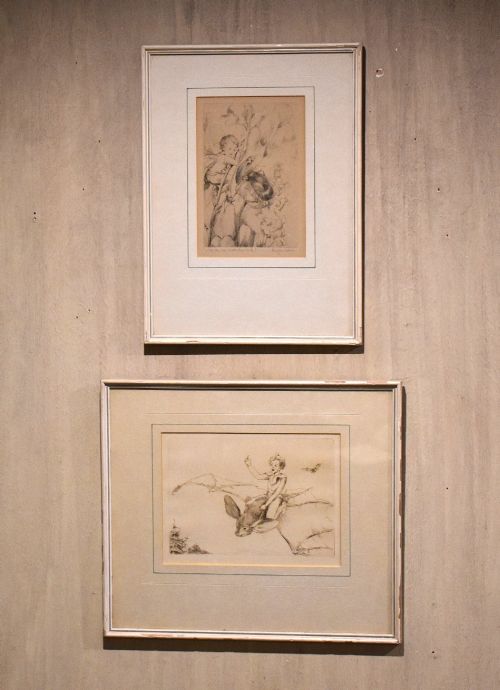
When choosing black and white art, collectors acquire works defined by monochrome depth, encompassing early etchings and twentieth-century prints.
Black and White Art
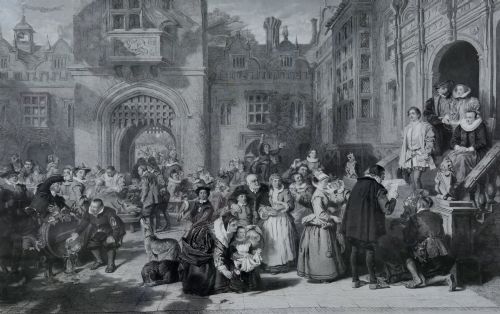
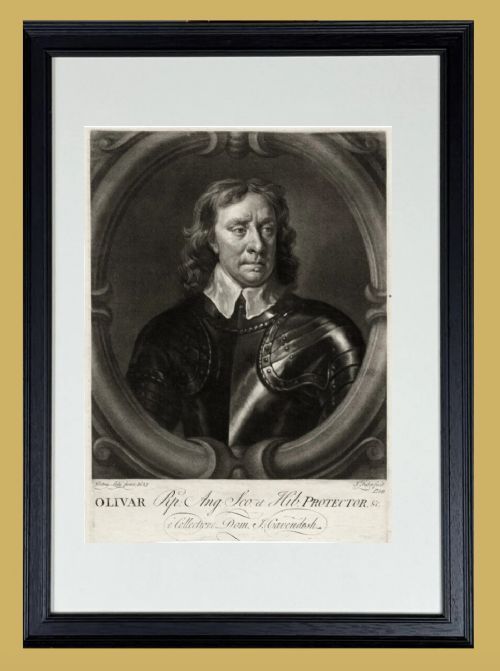
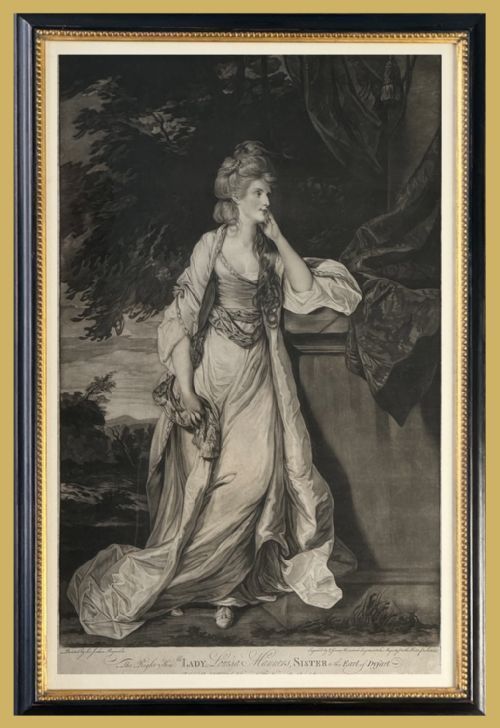
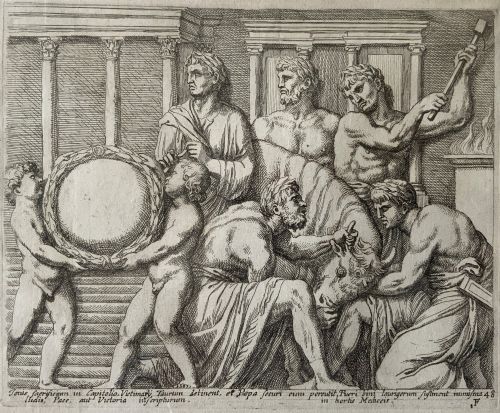
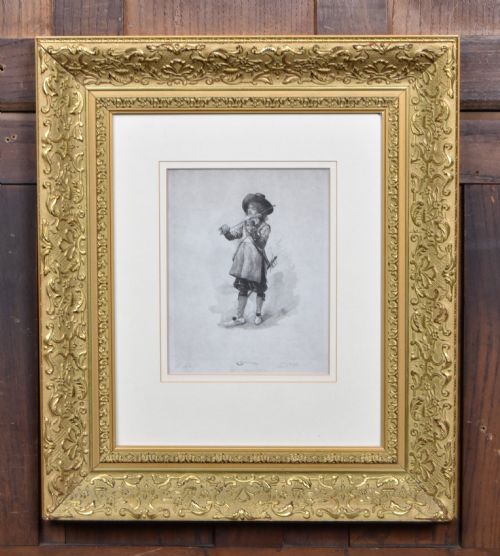
Black and white art spans centuries of printmaking, drawing, and photography, capturing subjects from classical antiquity to Edwardian portraiture.
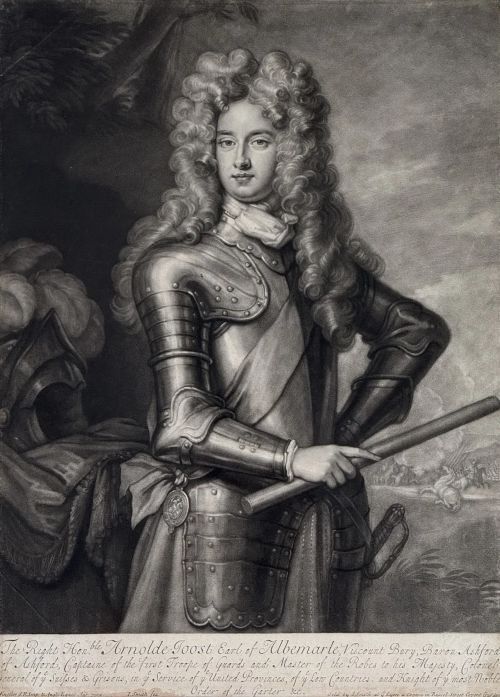
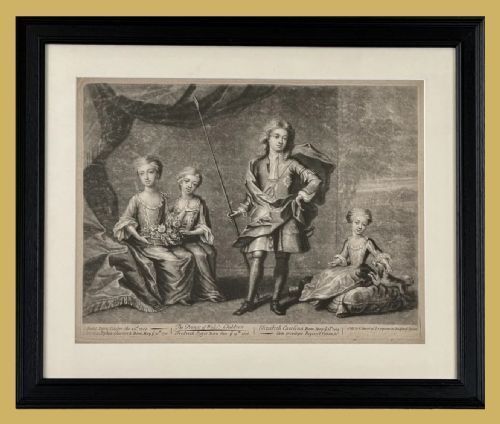
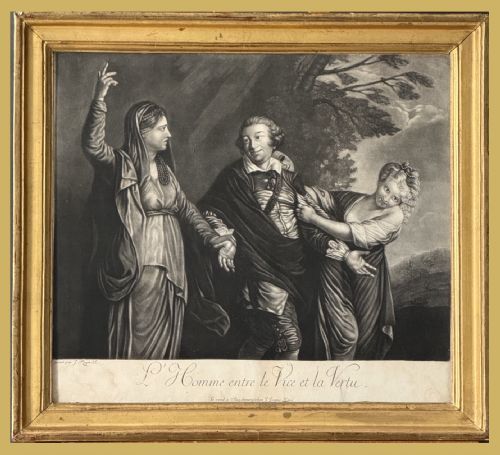
The selections on this page are most commonly found as framed engravings, mezzotints, and etchings originating from the seventeenth, eighteenth, and early twentieth centuries.
Buyers frequently encounter detailed tonal works on paper, framed prints, and intimate sketches that reflect periods such as the Georgian, Victorian, and Art Deco eras.
How they were made
These works rely on paper surfaces marked by ink, charcoal, and paint, often secured within period wooden, gilt, and gilt wood frames.
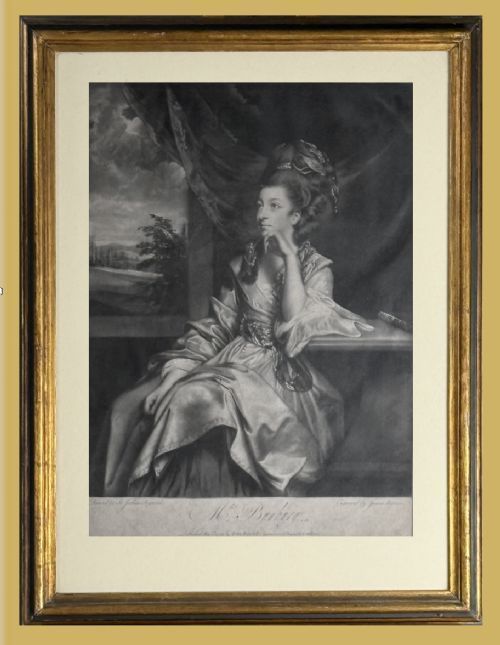
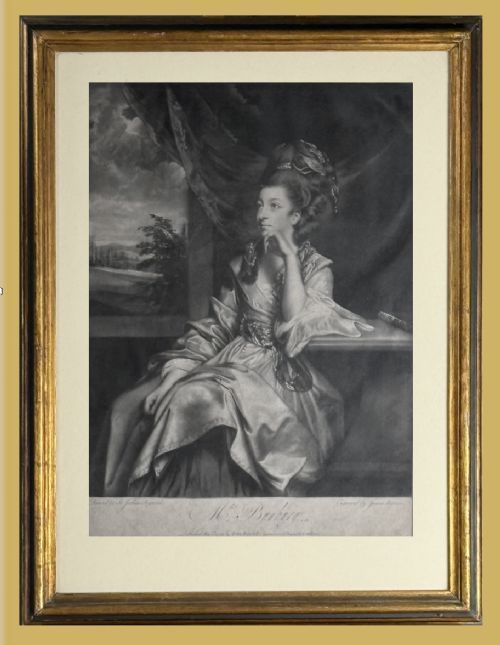
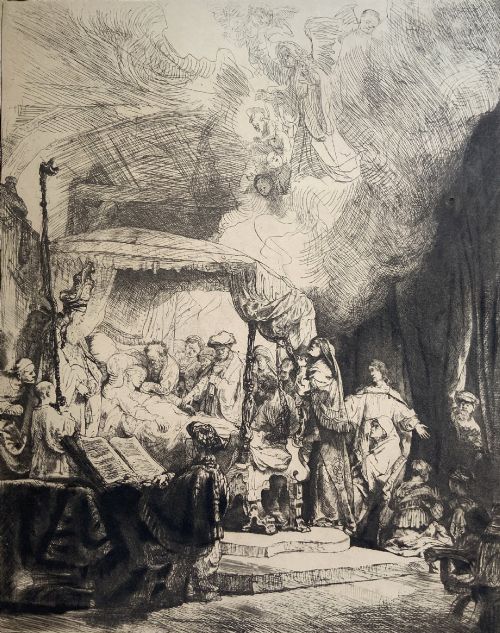
Printmakers utilised techniques like mezzotint and etching to build dense tonal gradations, scratching and biting plates to achieve deep contrasts of tone.
Listings feature paper, glass, ink, and gold leaf across seventeenth, eighteenth, and nineteenth-century periods.
What varies in quality
Quality rests in the crispness of the impression and the subtlety of the tonal range, where skilled plate preparation delivers deep blacks alongside clean highlights.
The vitality of the line work and the preservation of the paper surface distinguish master printmaking from routine reproduction.
James Watson·John Smith·Herbert Dicksee·François Perrier·Valentine Green
The Black and White Art Glossary
- Mezzotint
- A printmaking process where the copper plate is roughened to produce dark tones and scraped to create light areas. This technique allows for rich, velvety gradations of tone.
- Etching
- A method where lines are bitten into a metal plate with acid before being inked and pressed onto paper. It yields fine, expressive lines controlled by the artist's hand.
- Gilt Wood
- Wood treated with gold leaf or a gold-coloured finish. This material frequently frames antique prints from the Georgian and Victorian periods.
- Engraving
- A technique involving lines cut directly into a hard plate with a burin. The resulting prints exhibit sharp, precise definition.
Black and White Art: Frequently Asked Questions
How do I care for antique prints?
Keep works on paper away from direct sunlight to prevent fading and yellowing of the material over time. Maintain stable humidity levels to protect both the paper and any historic wooden framing.
Ensure framing uses acid-free materials where possible to prevent chemical degradation. Professional mounting preserves the structural integrity of older etchings and engravings.
What is a mezzotint?
A mezzotint is a print created by roughening a metal plate uniformly and scraping away areas to produce light. This process creates rich tonal depth without relying on traditional line work.
Artists favoured this method for translating paintings into monochrome prints because of its smooth gradients.
How can I date an etching?
Dating relies on examining the paper watermark, the plate mark impressions, and the stylistic conventions of the depicted subject. Archival signatures and inscriptions provide further chronological clues.
Comparing the ink type and framing materials often narrows the production period to a specific century or decade.
Where should I hang these works?
Display monochrome works in spaces with controlled lighting to highlight the subtle contrasts of ink on paper. Neutral walls allow the dark tones of etchings and engravings to stand out clearly.
Avoid hanging pieces in damp environments like kitchens or bathrooms where paper and gilt wood frames can warp.