
Framed Classical Art Prints
Framed classical art prints capture the enduring legacy of historical portraiture and mythological scenes, offering buyers a window into centuries of masterwork reproduction.
Framed Classical Art Prints
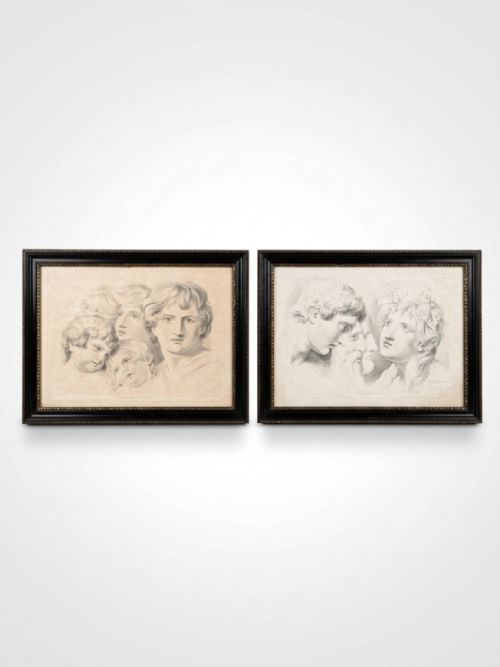
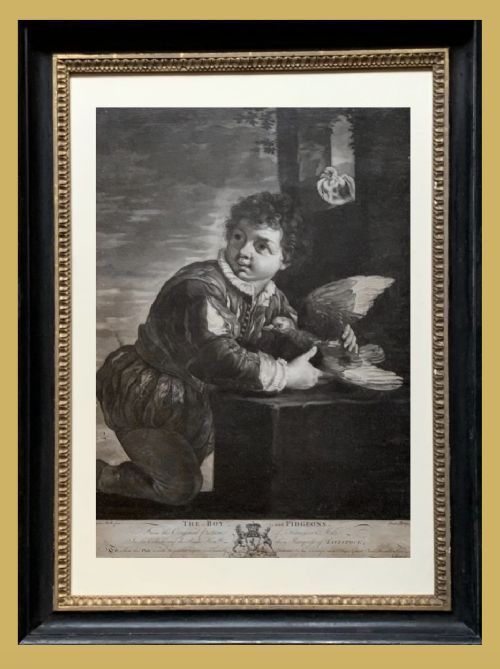
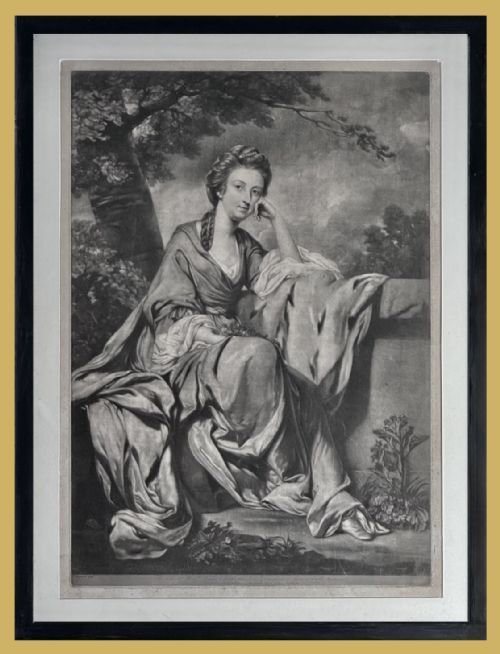
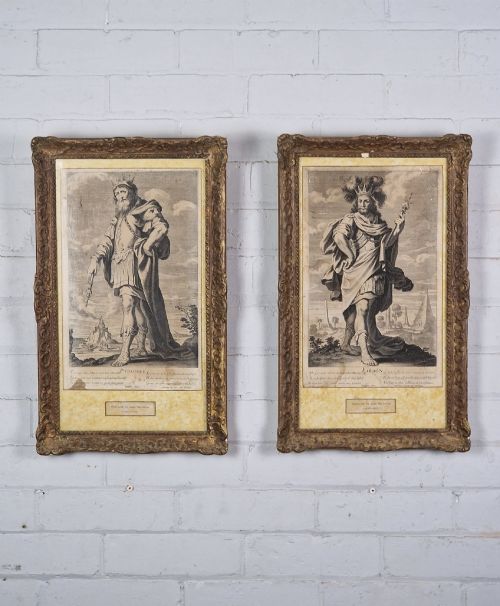
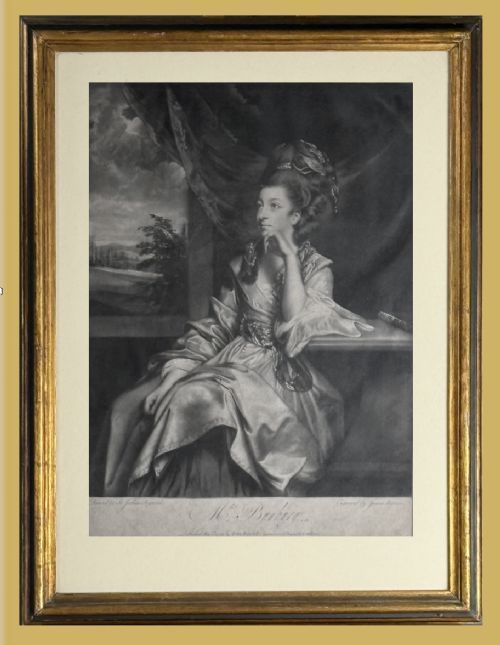
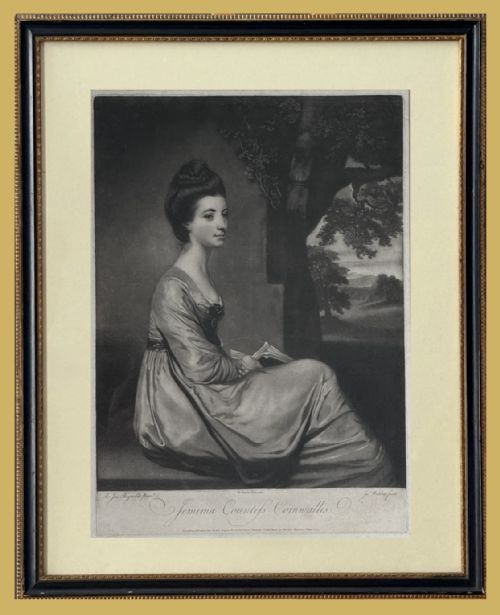
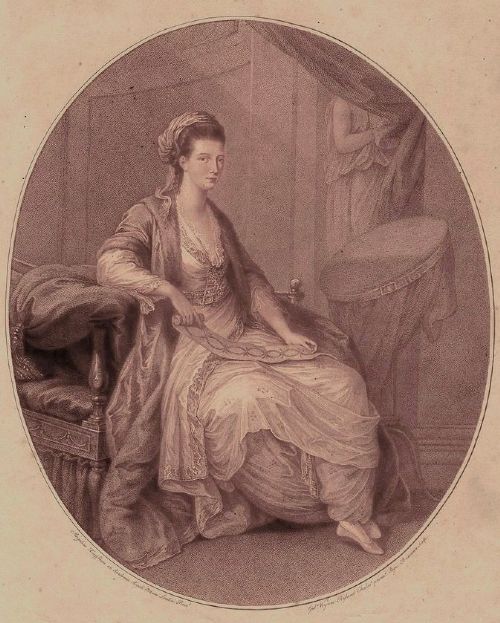
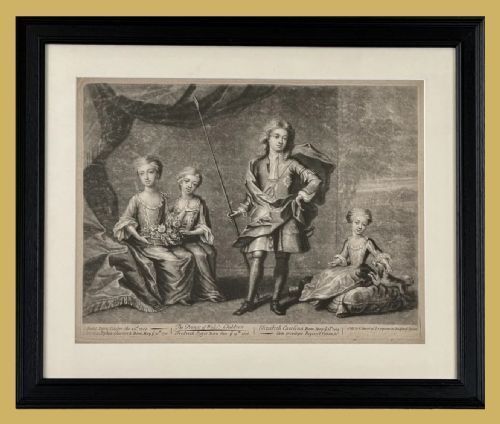
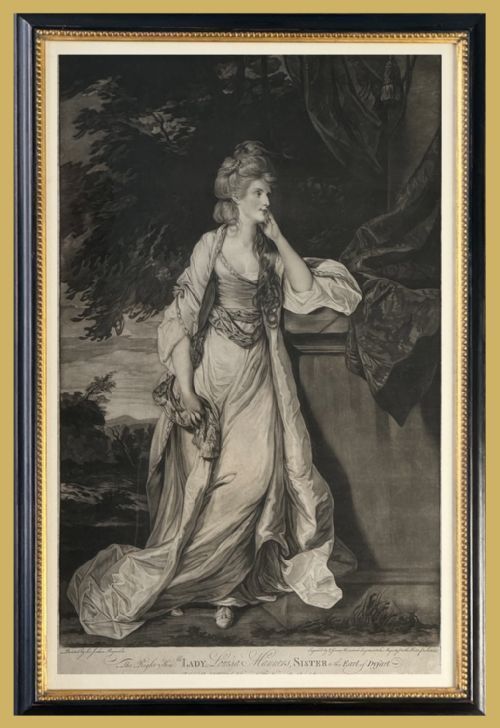
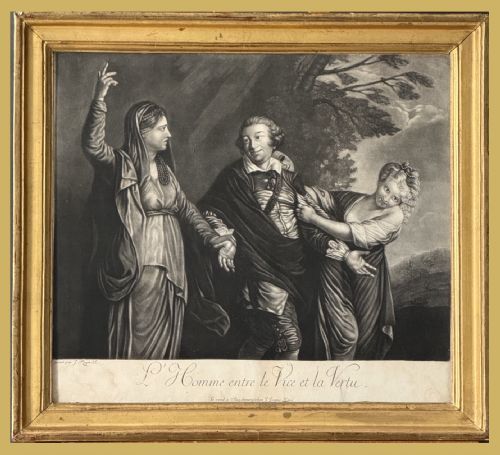
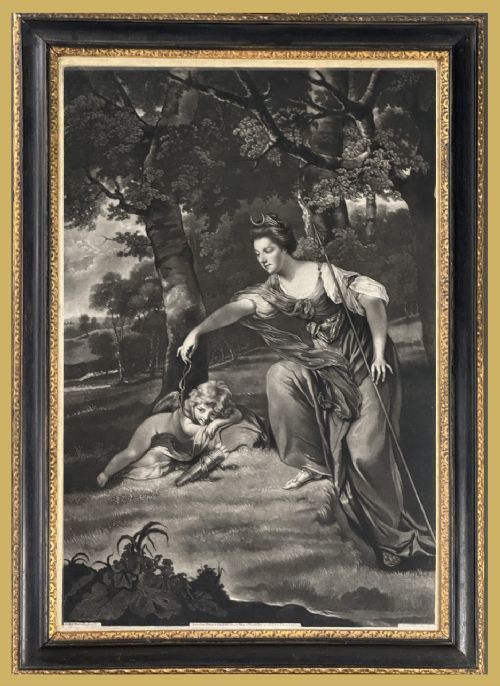
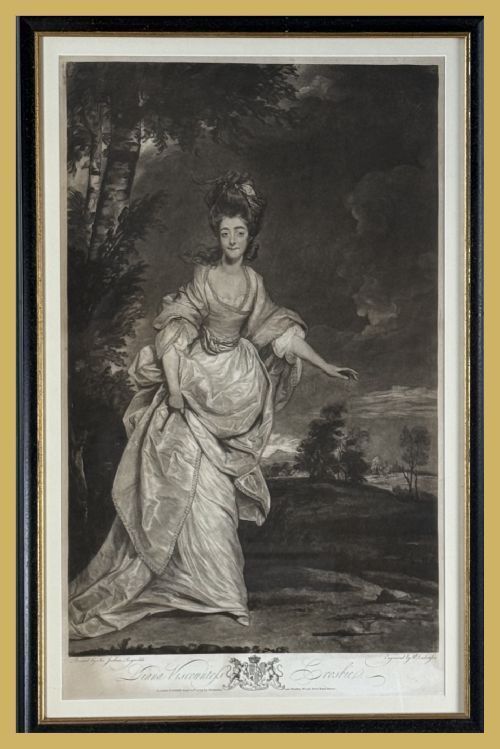
The assortment on display ranges from grand mythological narratives and allegorical compositions to intimate aristocratic portraits and architectural plates. These pieces primarily manifest as framed works on paper, protected by glass and housed within wooden or gilded frames that often reflect the aesthetic of their period.
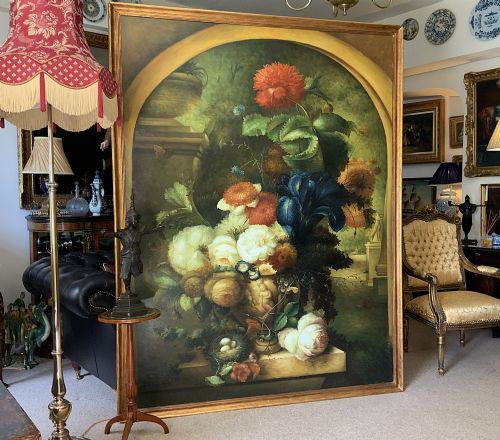
While earlier centuries supply copperplate engravings and mezzotints executed with fine ink work, later decades introduce photographic reproductions and textured oleograph paintings. This mix ensures that collectors can find both period-correct impressions from the seventeen-hundreds and decorative mid-century interpretations of older masters.
How they were made
The creation of these works relies fundamentally on printmaking and painting techniques executed on paper or canvas surfaces. Artisans utilised copper plates for detailed engravings and worked with rockers on copper for the rich tonal gradients characteristic of mezzotints.
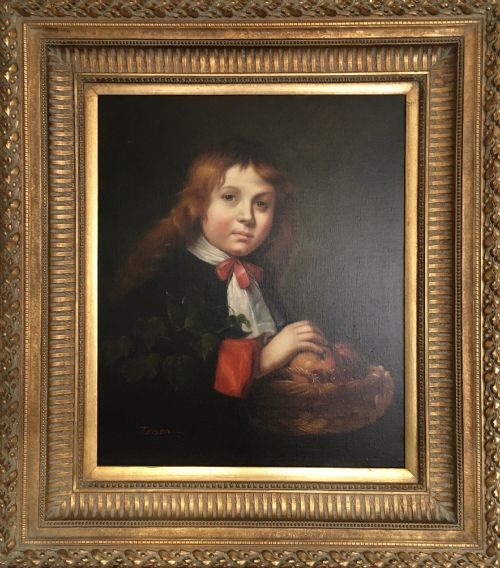
Paper and canvas served as the primary mediums for ink, wash, and gouache, whilst later twentieth-century pieces occasionally employed oleograph techniques to simulate the appearance of oil paintings. These printed or painted surfaces were then secured beneath glass and mounted within timber frames, frequently enhanced with gold leaf or gilt finishes.
What varies in quality
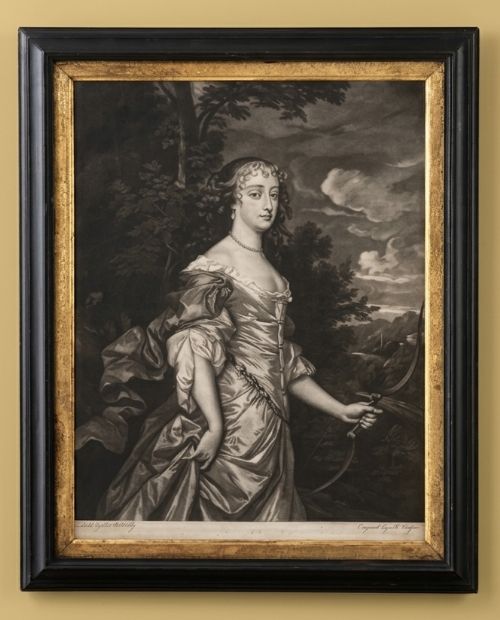
Quality in these works is defined by the crispness of the impression and the fidelity of the transfer from the original painted source. Early mezzotints pulled from freshly engraved plates exhibit deep, velvety blacks and subtle tonal gradations that fade in later impressions from worn plates.
The craftsmanship of the housing also dictates the overall standard, distinguishing between simple later mouldings and original period frames fashioned from gilt wood. Furthermore, the precision of hand-colouring on copperplate engravings separates standard decorative prints from finer collector examples.
John Boydell·Edward Fisher·James Watson·Valentine Green·Adam Buck
The Framed Classical Art Prints Glossary
- Mezzotint
- A printmaking process of the intaglio family where the copper plate is roughened uniformly to produce rich dark tones and subtle gradations of light. This technique was widely utilised in the eighteenth century for translating oil paintings into popular portraits.
- Engraving
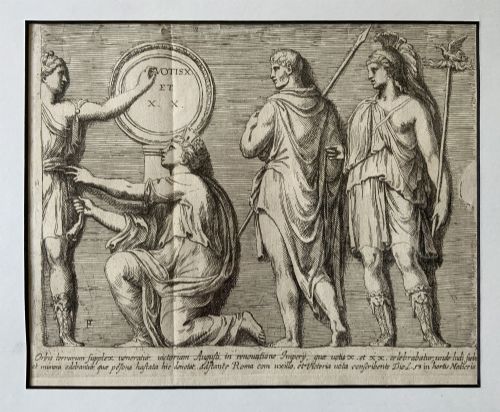
- A method of cutting design lines directly into a metal plate with a sharp tool called a burin to hold ink for printing. It produces crisp, precise lines that define classical compositions and architectural plates.
- Oleograph
- A textured reproduction produced by chromolithography on canvas to imitate the appearance and surface texture of an oil painting. These prints gained popularity during the nineteenth and twentieth centuries as an accessible form of domestic wall art.
- Neoclassical
- An artistic style inspired by the classical art and culture of ancient Greece and Rome, prevalent during the eighteenth and early nineteenth centuries. Works in this style often depict mythological narratives, heroic figures, and classical architecture.
- Gilt wood
- Wood that has been treated with a thin layer of gold leaf or gilt powder to create a lustrous decorative surface. It frequently frames antique prints from the Georgian and Victorian eras.
Framed Classical Art Prints: Frequently Asked Questions
What periods do these framed classical art prints come from?
The inventory encompasses works originating from the seventeenth century through to the mid-twentieth century. Eighteenth-century engravings and mezzotints form a significant portion of the selection, alongside later nineteenth-century interpretations and twentieth-century oleographs.
Each period brings distinct printing technologies and framing styles, allowing buyers to trace the evolution of reproductive printmaking over several hundred years.
What is the difference between an engraving and a mezzotint?
An engraving involves cutting lines directly into a metal plate with a sharp tool, resulting in precise, defined outlines and cross-hatching. A mezzotint relies on roughening the entire plate surface first to create deep, velvety dark areas and smooth tonal gradations.
Mezzotints were particularly favoured for translating atmospheric portrait paintings, whereas engravings excelled at architectural clarity and linear detail.
Are the frames original to the classical art prints?
Some pieces retain their original period frames, such as eighteenth-century gilt wood or moulding corresponding to the date of the print. Other works have been reframed at later dates to suit contemporary interior aesthetics or to ensure better conservation.
Listing details generally indicate whether a piece retains its original housing or historical framing components.