





Renaissance Style Artwork
Renaissance style artwork comprises oil paintings, prints and framed wall art channelling historical European portraiture and religious iconography.
Renaissance Style Artwork
Renaissance style artwork brings together oil paintings, drawings on paper, tapestries and framed prints that reflect historical European subjects. Buyers searching this phrase encounter religious icons, courtly portraits and genre scenes echoing sixteenth-century masters.
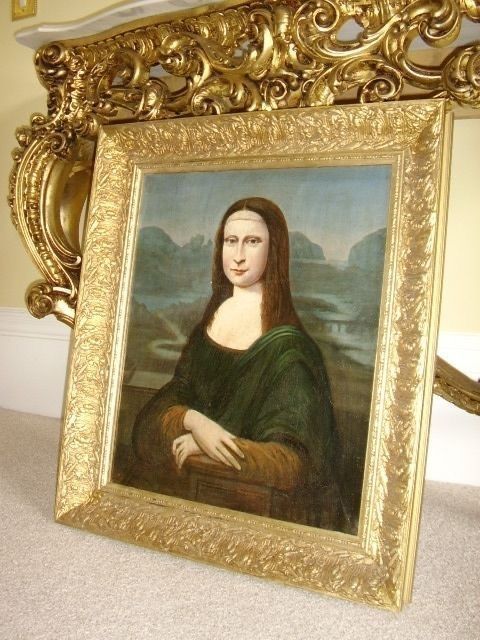
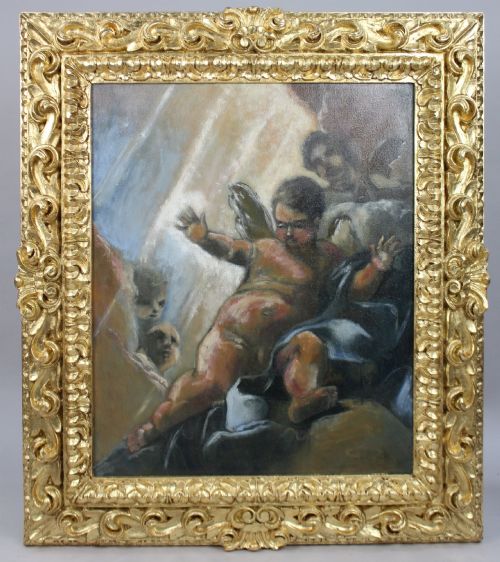
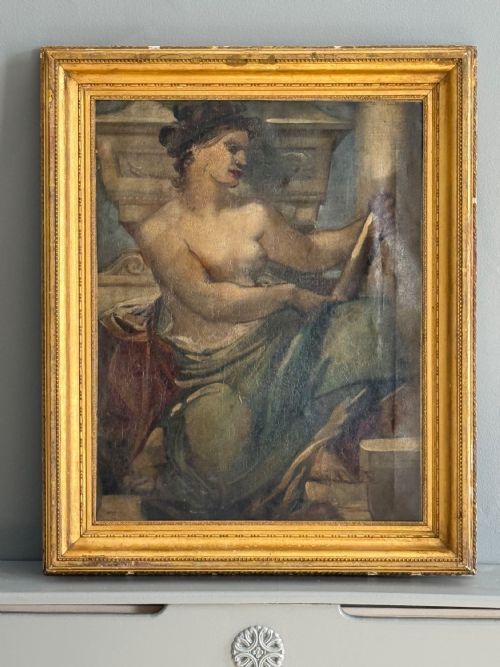
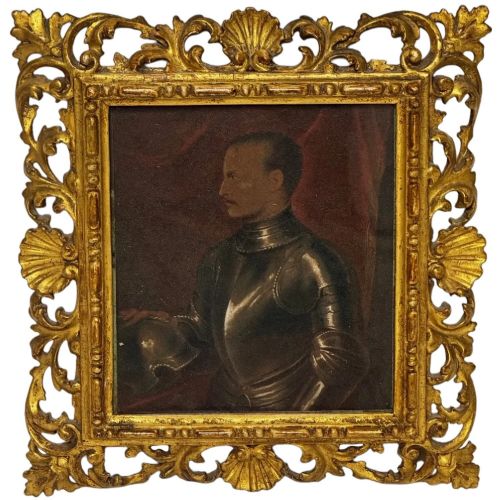
The pieces on this page span several centuries of production, ranging from sixteenth-century compositions and later copies after Raphael, Titian and Leonardo da Vinci to nineteenth-century revival interpretations. Oil on canvas works set in carved giltwood frames dominate the selection.
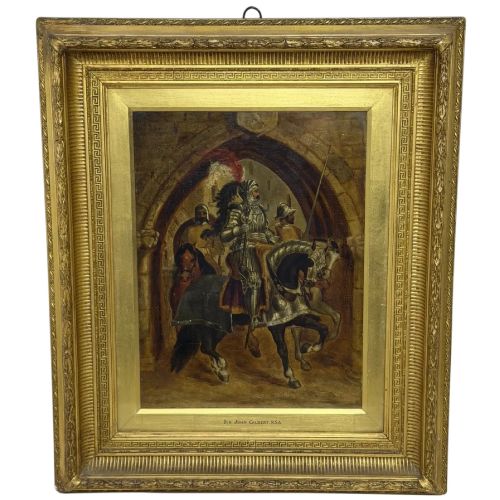
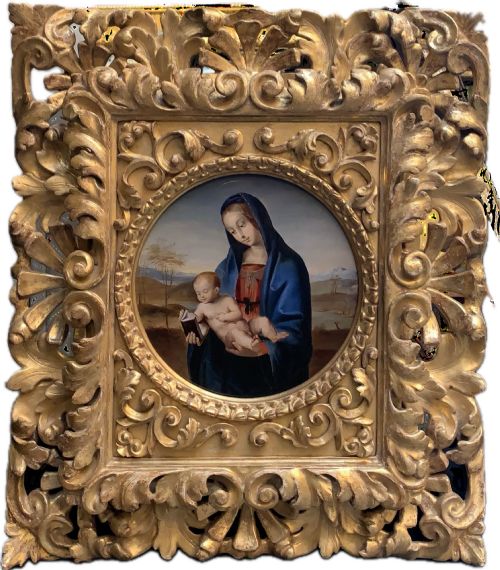
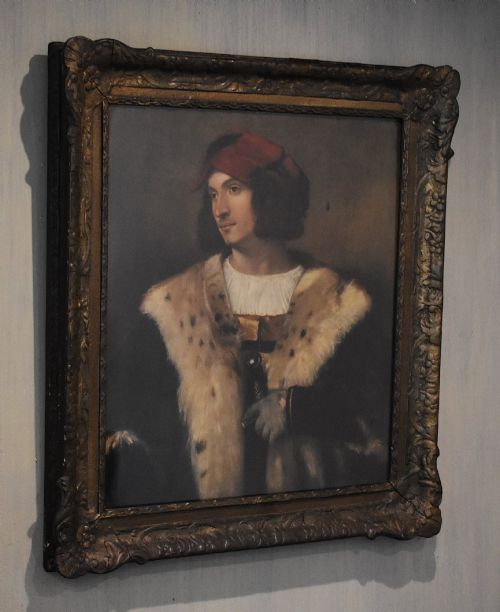
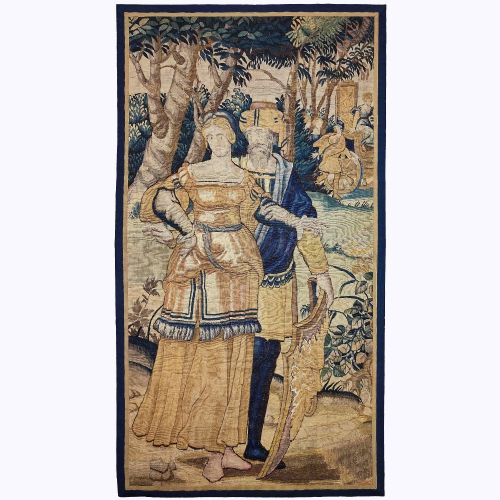
Religious panels depict the Madonna and Child alongside the Holy Family, while secular pieces showcase Venetian women, knights and Elizabethan gentlemen. These wall hangings and picture frames provide traditional focal points for period interiors.
Materials and technique
Makers utilised oil paint and gold leaf applied to canvas, wood panels and paper grounds. Pigments were built up to achieve depth in drapery and flesh tones, often following the compositional methods of old master painters.
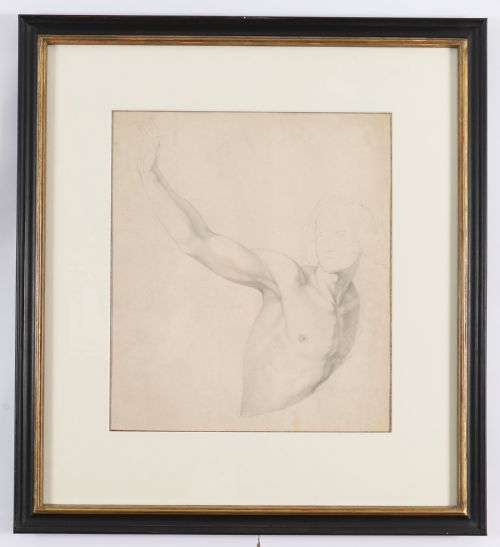
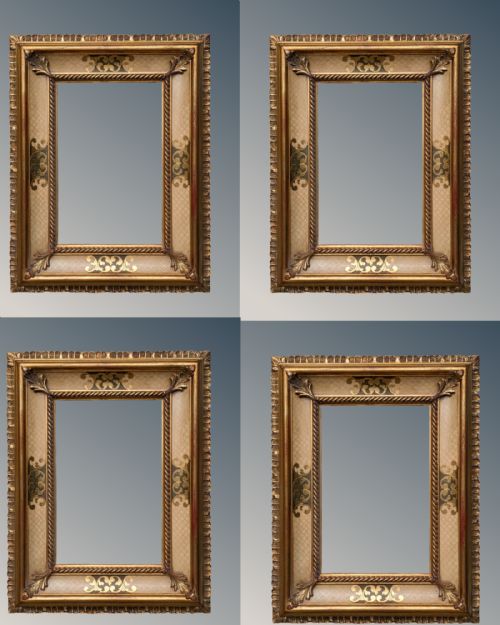
Many works are housed in carved giltwood frames designed to complement the pictorial style. Enamel plaques and sanguine drawings demonstrate alternative techniques employed across different workshops and periods.
Listings feature oil on canvas, wood, giltwood, canvas and gold leaf, spanning the sixteenth to the twentieth centuries.
Judging quality
Quality rests in the fidelity of the brushwork and the handling of light and shadow across the composition. Stronger examples display confident draughtsmanship in facial expressions and fabric folds.
The integration of the artwork with its housing matters greatly, as period frames carved from wood and gilded with gold leaf enhance the overall integrity of the piece.
Sir John Gilbert RA·Bernardino Luini·Samson·Alfred Holst Tourrier·John Bettes the Elder
The Renaissance Style Artwork Glossary
- Oil on Canvas
- Pigment mixed with drying oil applied to a woven fabric support. This technique allows for subtle blending of tones and rich surface textures.
- Giltwood
- Wood that has been coated with a thin layer of gold leaf or gold powder. It provides a luminous border for traditional paintings.
- Renaissance Revival
- An artistic movement during the nineteenth century that drew inspiration from the art and architecture of the fifteenth and sixteenth centuries. Practitioners emulated the subjects and techniques of earlier masters.
- Sanguine
- A type of red chalk drawing stick used for preparatory sketches and figural studies. It yields warm, reddish-brown lines.
- Old Master
- An accomplished European artist working before about eighteen hundred, or a painting created by such a hand. The term also applies to followers working within their tradition.
Renaissance Style Artwork: Frequently Asked Questions
What is renaissance style artwork?
These pieces include oil paintings, drawings and prints that replicate or are inspired by sixteenth-century European art. They frequently feature religious subjects and historical portraits after famous masters.
Buyers select them to introduce classical depth and traditional character to domestic wall spaces.
How are these pieces framed?
Many examples are mounted in carved wooden frames finished with gold leaf. These settings echo historical framing conventions.
Some frames date from later revival periods while retaining classical motifs and gilt surfaces.
Are these original paintings?
The selection includes both period works by later followers and nineteenth-century copies after established masters like Raphael and Titian. Each listing records the specific medium and estimated period of creation.
Paper drawings and enamel plaques also appear alongside canvas works.
How do I care for oil paintings?
Oil paintings on canvas require stable indoor humidity away from direct sunlight and heat sources. Gentle dusting with a soft, dry brush keeps the surface clear.
Avoiding moisture protects both the paint layer and the underlying canvas support.